Did you know that nearly 20% of prediction market trades end in disputes over unclear resolution criteria, costing traders significant potential profits? This guide breaks down event contract mechanics, providing clarity on settlement rules, oracle feeds, and dispute resolution—essential knowledge for safeguarding your investments in the fast-paced world of prediction markets.
Are Resolution Disputes Costing You? Understanding Event Contract Risks

Resolution disputes can significantly erode your profits in prediction markets. Ambiguous event definitions and unreliable oracle data are primary culprits. By understanding these risks and implementing mitigation strategies, you can protect your investments and trade with greater confidence. Due diligence is paramount before committing capital to any event contract.
| Risk Factor | Mitigation Strategy |
|---|---|
| Ambiguous event definition | Review contract terms carefully |
| Oracle data errors | Cross-reference data sources |
Before you dive into an event contract, scrutinize the resolution terms. Is the event clearly defined? What data source will be used to determine the outcome? Cross-referencing data from multiple sources, such as official government reports and reputable news outlets, can help you identify potential discrepancies and avoid disputes. Remember, a little extra research can save you a lot of money. Always check platform reviews such as our Polymarket vs Kalshi comparison.
Event Contract Mechanics: Core Components Explained

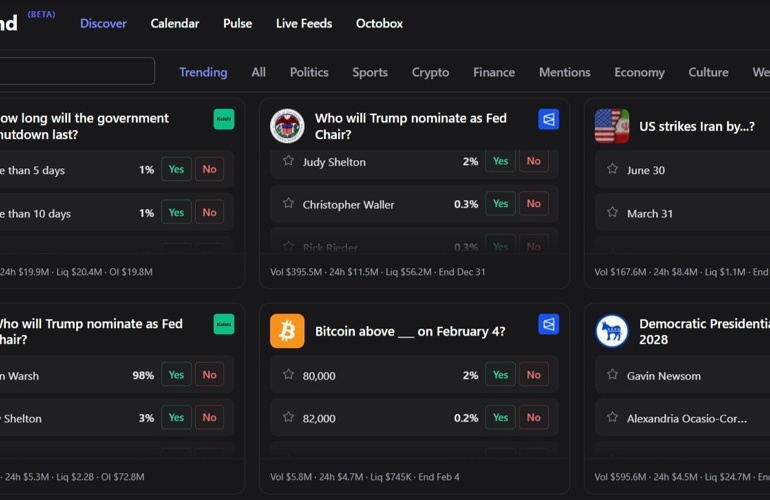
Event contracts are binary financial instruments used in prediction markets. They enable traders to bet on the outcome of specific events, such as election results or economic data releases, offering a transparent yet high-stakes trading environment. Understanding the core components is crucial for navigating these markets effectively and maximizing potential returns.
| Element | Description |
|---|---|
| Binary Outcome | Yes/No, settles at $1 or $0 |
| Price = Probability | Price reflects market-implied probability |
Each event contract boils down to a simple “yes” or “no” proposition. If your prediction is correct, the contract settles at $1.00 per share; if incorrect, it’s worth nothing. The contract’s price, fluctuating between $0 and $1, directly mirrors the market’s perceived probability of that event occurring. For example, a contract trading at $0.75 suggests a 75% likelihood of a “yes” outcome. Platforms like Polymarket and Kalshi provide access to these contracts, allowing traders to express their views on a wide range of events. For a deeper dive, check out how prediction markets work.
Oracle Feeds: How Prediction Markets Get Their Data
Prediction markets rely heavily on oracles to supply the real-world data needed for contract settlement. These oracles act as bridges between the real world and the blockchain, ensuring that outcomes are determined accurately and impartially. The choice of oracle feed can significantly impact the reliability and trustworthiness of a prediction market.
| Feed Type | Example |
|---|---|
| Centralized | Kalshi uses CFTC data |
| Decentralized | Polymarket uses Chainlink |
Centralized oracles, like the CFTC data used by Kalshi, offer a single, authoritative source of information, but they can also be vulnerable to manipulation or censorship. Decentralized oracles, such as Chainlink and Pyth, aggregate data from multiple sources, enhancing reliability and reducing the risk of single-point failures. For instance, Chainlink’s decentralized network provides Polymarket with price feeds for various crypto assets, ensuring fair and transparent contract settlements. Understanding prediction markets explained helps in grasping the significance of these data sources.
Navigating Resolution Disputes: A Trader’s Guide
Even with robust oracle feeds, resolution disputes can arise in prediction markets. Ambiguous event definitions, conflicting data sources, or technical glitches can all lead to disagreements over contract settlements. Knowing how to navigate these disputes is crucial for protecting your investments and ensuring a fair outcome.
| Step | Action |
|---|---|
| Initial challenge | Submit evidence |
| Platform review | Await decision |
The typical dispute resolution process involves submitting evidence to the platform, such as screenshots, news articles, or official reports, to support your claim. The platform’s review team will then assess the evidence and make a decision based on the contract’s terms and conditions. If you disagree with the initial decision, you may have the option to appeal, providing additional evidence or arguments. Familiarize yourself with the specific dispute resolution procedures on platforms like Polymarket and Kalshi to be prepared should a dispute arise. For cost-conscious traders, understanding Polymarket fees and limits is also essential.
The CFTC and Event Contracts: Regulatory Landscape in 2026
In the United States, the Commodity Futures Trading Commission (CFTC) plays a significant role in regulating certain prediction markets, providing a layer of oversight and protection for traders. This regulatory framework aims to ensure market integrity and prevent fraud or manipulation, fostering a more secure and transparent trading environment.
| Regulation | Benefit |
|---|---|
| Oversight | Market integrity |
| Compliance | Trader protection |
The CFTC’s oversight of prediction markets like Kalshi includes monitoring trading activity, enforcing compliance with regulations, and investigating potential violations. This regulatory scrutiny helps to maintain market integrity and protect traders from fraudulent schemes or unfair practices. However, the regulatory landscape is constantly evolving, with ongoing legal battles and the potential for Supreme Court involvement shaping the future of event contract trading in the US. Be sure to stay informed on regulated prediction markets.
Decoding Bid-Ask Spreads and Liquidity Risks in World Event Contracts

Low liquidity and wide bid-ask spreads can significantly impact your profitability in prediction markets, especially when trading contracts related to niche world events. Understanding these factors is crucial for making informed trading decisions and minimizing potential losses. Always assess liquidity before entering a position, particularly in less popular markets.
| Factor | Impact |
|---|---|
| Low liquidity | Wider spreads |
| High volatility | Rapid price changes |
The bid-ask spread represents the difference between the highest price a buyer is willing to pay (the bid) and the lowest price a seller is willing to accept (the ask). In markets with low liquidity, this spread can widen significantly, making it more expensive to enter and exit positions. High volatility can also exacerbate these risks, leading to rapid price swings and increased uncertainty. Savvy traders often employ prediction market liquidity analysis techniques to spot arbitrage opportunities. To navigate the Kalshi trading interface tutorial may also be helpful.
Practical Takeaways for Event Contract Traders
Mastering event contract mechanics is essential for navigating prediction markets successfully and mitigating potential losses. Understanding settlement rules, oracle feeds, dispute resolution processes, regulatory oversight, and liquidity risks will empower you to make informed trading decisions and protect your investments. Staying vigilant and continuously learning are key to thriving in this dynamic and rapidly evolving landscape. Always do your own research and never invest more than you can afford to lose.