
The allure of prediction markets is undeniable, offering a glimpse into future events shaped by collective intelligence. However, this burgeoning field faces a complex web of regulations. The central conflict revolves around the Commodity Futures Trading Commission (CFTC) asserting federal oversight versus increasing state-level restrictions, creating uncertainty, especially around “event contracts,” which are at the heart of the debate. This tension raises critical questions about legal compliance and safety for traders in 2026. Let’s delve into the evolving legal landscape surrounding regulated prediction markets.
Why Are Regulated Prediction Markets Facing Legal Scrutiny in 2026?
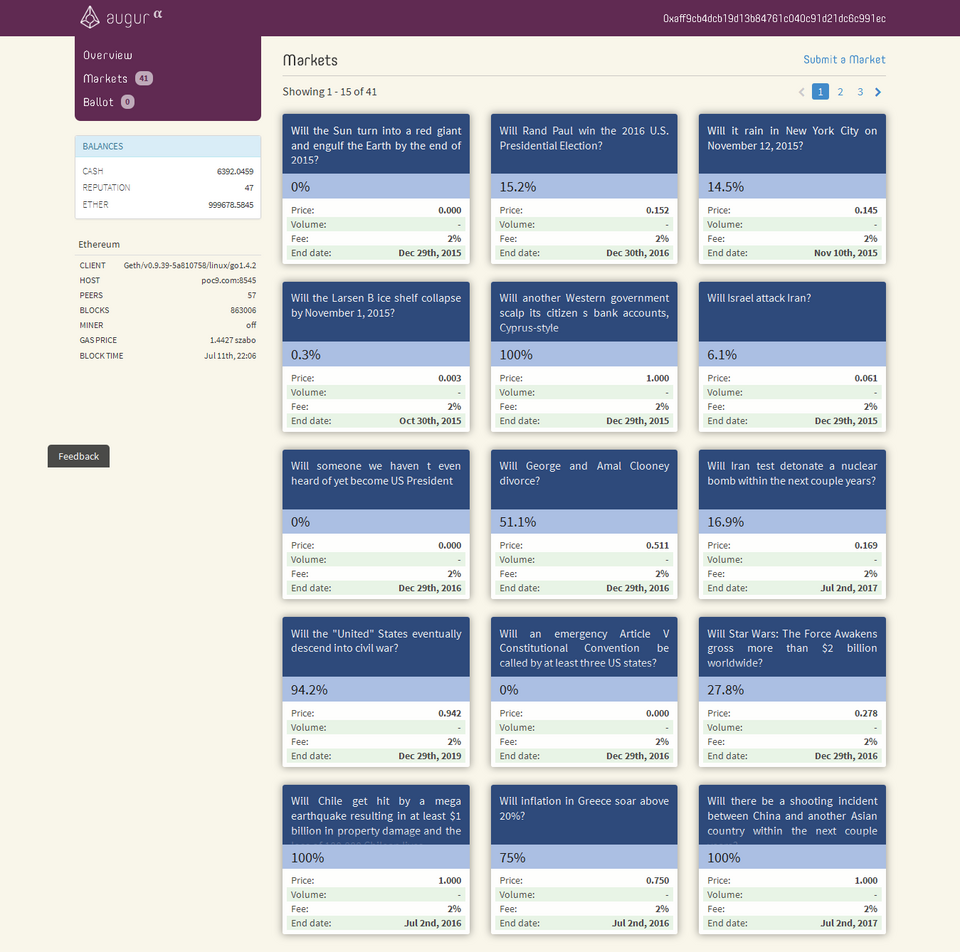
Regulated prediction markets explained face legal scrutiny due to their novel nature, blurring the lines between financial trading and gambling. This has led to concerns about market manipulation and the need for robust consumer protections, especially as platforms like Kalshi and Polymarket gain traction. The core issue lies in how these platforms are classified, with the industry pushing for recognition as financial instruments rather than gambling outlets. But why is this distinction so important, and what are the potential consequences?
The rise of “event contracts,” where users trade on the outcome of specific events, has further complicated the matter. These contracts, framed as binary options, operate under the Commodities Exchange Act (CEA), allowing them to function as financial instruments. However, several states, including Nevada and Tennessee, have moved to ban or restrict these markets, viewing them as a form of illegal gambling (American Gaming Association). This divergence in opinion underscores the fundamental challenge: are prediction markets innovative tools for forecasting and risk management, or simply a new form of wagering?
Federal vs. State: The Battle for Control of Event Contracts
The battle lines are drawn between federal and state regulators over who has the authority to oversee how prediction markets work. The CFTC asserts its exclusive jurisdiction over “event contracts,” classifying them as derivatives under federal law (CFTC). This stance directly clashes with state regulators seeking to ban or restrict these markets, primarily due to concerns about gambling and consumer protection. This power struggle is not just a legal squabble; it has significant implications for the future of the industry.
During the Trump administration, platforms like Kalshi and Polymarket found support against state challenges, reflecting a broader debate about innovation versus regulation. However, this support hasn’t quelled state-level efforts to control or prohibit these markets. Specific court cases and legislative efforts, such as the ORACLE Act in New York and similar bills in California, aim to define, restrict, or regulate these platforms, particularly focusing on preventing public officials with insider information from trading (The Continued Jurisdictional Battle Over Event Contracts) (Polymarket fees and limits).
“Prohibited Persons” Lists: Preventing Manipulation in Regulated Prediction Markets
In regulated prediction markets, “prohibited persons” lists are crucial for preventing manipulation. These lists bar individuals with potential insider knowledge, such as athletes or election officials, from trading on related event contracts, ensuring fair market conditions and maintaining public trust. This measure, mirroring practices in traditional sportsbooks, aims to safeguard the integrity of these markets. But how effective are these lists, and what are the challenges in implementing them? (Kalshi trading interface tutorial).
The concept of “prohibited persons” lists is gaining traction as a necessary safeguard against insider trading and market manipulation. Similar to measures employed by traditional sportsbooks, these lists prevent individuals who may have access to non-public information or who could influence event outcomes from participating in these markets. For example, the “Public Integrity in Financial Prediction Markets Act of 2026” proposes specific regulations to prevent those with privileged information from exploiting prediction markets (Lawmakers introduce bills to specifically define, restrict, or regulate these platforms). By implementing such measures, regulators aim to foster a level playing field and maintain confidence in the fairness of these markets (prediction market liquidity analysis).
KYC/AML Compliance: Mandatory Checks on U.S. Prediction Platforms in 2026
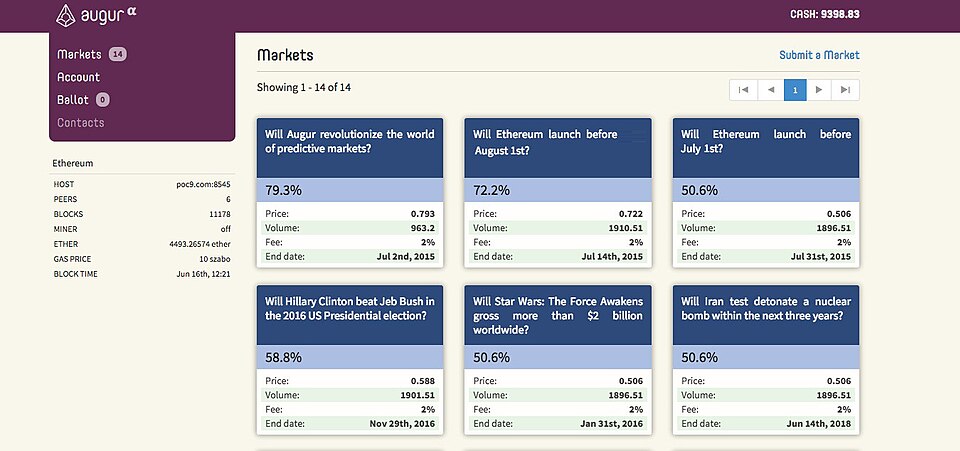
As of 2026, Know Your Customer (KYC) and Anti-Money Laundering (AML) compliance are mandatory for all regulated prediction market platforms in the U.S. These checks require platforms to verify user identities and monitor transactions to prevent illicit activities and maintain financial integrity. The implementation of these measures is crucial for ensuring that prediction markets are not used for illegal purposes. But what specific steps do these platforms take, and how do they balance security with user privacy?
KYC/AML compliance is a cornerstone of regulated prediction markets explained, reflecting the industry’s commitment to preventing money laundering and other financial crimes. These checks involve verifying the identity of users through documentation such as driver’s licenses or passports, as well as monitoring transaction patterns for suspicious activity. Furthermore, adherence to strict data security standards, such as PCI DSS, is essential for protecting sensitive user data given the high-value, fast-moving financial nature of these trades (Launching a Prediction Market in the USA: Compliance, Risk &…). These measures are designed to create a secure and trustworthy environment for traders.
Responsible Gaming: Addressing the Gaps in Prediction Markets
A significant concern for regulated prediction markets is the absence of standard responsible gaming tools, such as age verification and self-exclusion programs. This has drawn criticism from organizations like the AGA, which advocate for similar safeguards as those in traditional gambling to protect vulnerable individuals. The lack of these tools raises questions about the potential for problem gambling and the need for greater consumer protection. But what specific measures are lacking, and how can the industry address these gaps?
The American Gaming Association (AGA) and other advocacy groups argue that prediction markets should implement similar responsible gaming measures as those found in traditional sports betting and casino gambling. This includes robust age verification processes to prevent underage participation, geolocation technology to restrict access from prohibited jurisdictions, and self-exclusion programs that allow individuals to voluntarily ban themselves from using the platforms (Sports Event Contracts – American Gaming Association). The absence of these tools raises concerns about the potential for vulnerable individuals to develop gambling problems, highlighting the need for greater attention to responsible gaming practices in prediction markets.
The Future of Regulated Prediction Markets: Navigating Legal Uncertainty
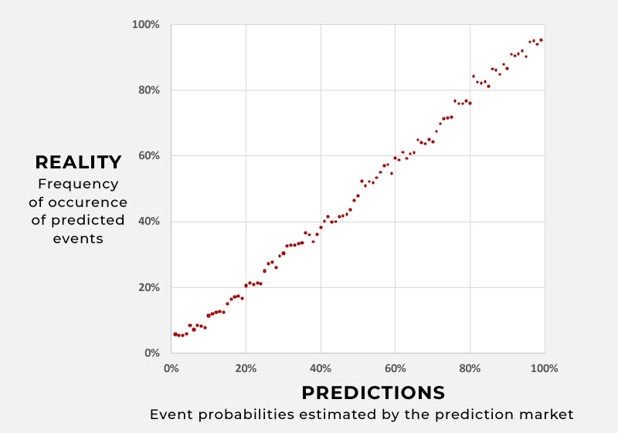
The future of regulated prediction markets hinges on navigating the current legal uncertainty and gaining wider acceptance as a mainstream financial tool. Clear regulatory frameworks, robust compliance measures, and responsible gaming practices are essential for long-term sustainability. As the industry matures, it must address concerns about market manipulation, insider trading, and consumer protection to build trust and attract a broader audience. What steps are needed to ensure the responsible growth of these markets, and what role will regulators play in shaping their future?
Despite the current challenges, the potential for regulated prediction markets to become a valuable tool for forecasting and risk management remains significant. As technology advances and regulatory frameworks evolve, these markets could play an increasingly important role in various sectors, from finance and politics to sports and entertainment. However, the industry must prioritize ethical conduct, transparency, and consumer protection to realize its full potential. By embracing responsible innovation and working collaboratively with regulators, prediction markets can pave the way for a future where informed decision-making is empowered by the wisdom of the crowd. To learn more about how to read prediction market odds, check out our latest guide.