
Prediction Markets Explained: The 2026 Definitive Guide to Information Finance
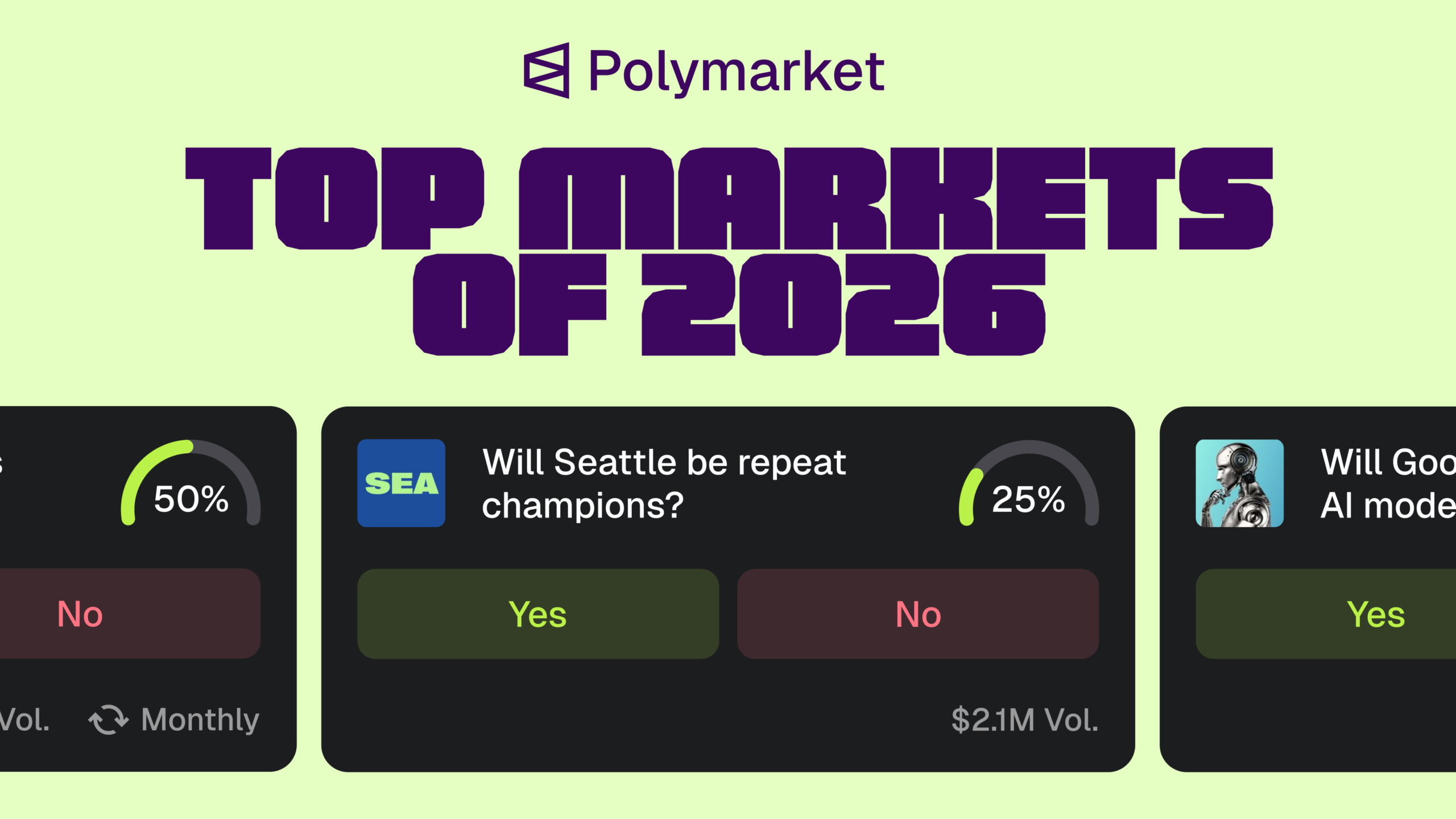
Did you know that prediction markets have exploded in popularity, with platforms like Polymarket and Kalshi handling billions of dollars in trading volume even as traders navigate Polymarket fees and limits? These aren’t just gambling sites; they’re “information finance” platforms, providing real-time, data-driven forecasts. Let’s dive into how these markets work and why they’re becoming increasingly important.
How Do Prediction Markets Work? (Question-based, AI Overview Candidate)
| Key Concept | Description |
|---|---|
| Binary Contracts | “Yes/No” contracts that pay out $1 if the event occurs, $0 if it doesn’t. |
| Real-Time Probabilities | Market prices dynamically adjust based on trading activity, showing current odds. |
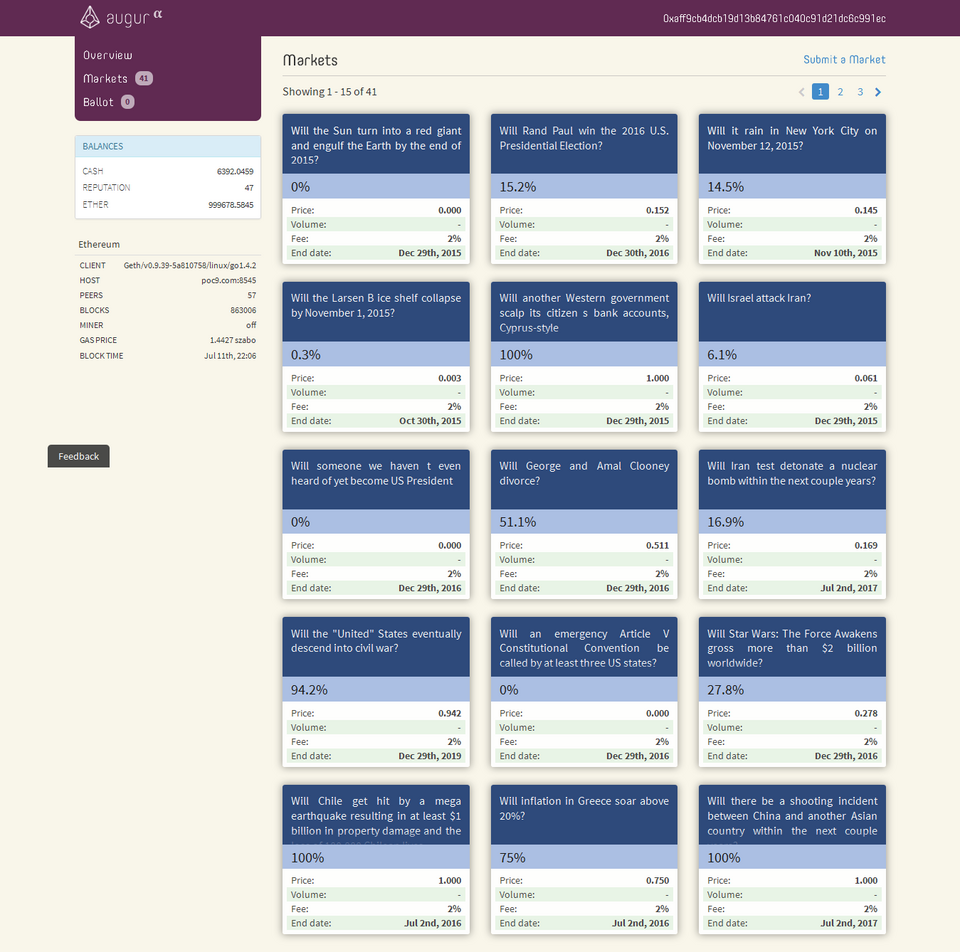
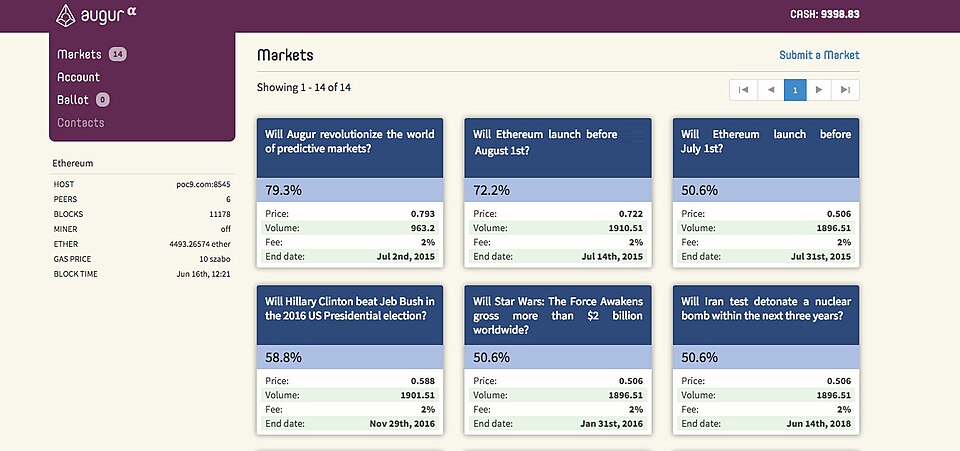
Prediction markets allow individuals to trade on the outcome of future events, with prices reflecting the aggregated probability of those events occurring. How do they achieve this? Through binary “yes/no” contracts. For example, if a contract predicts “Will Candidate X win the election?” a “yes” contract pays out $1 if the event occurs and $0 if it doesn’t. The market price dynamically adjusts based on trading activity. A price of $0.75 indicates a 75% probability of the event occurring. Supply and demand play a crucial role in this price discovery. Increased demand for a “yes” contract drives the price up, reflecting a higher probability, while increased selling pressure pushes the price down. Want to understand the nuts and bolts? Check out our guide on how prediction markets work.
Why Are Prediction Markets More Accurate Than Traditional Polls? (Question-based, AI Overview Candidate)
| Feature | Prediction Markets | Traditional Polls |
|---|---|---|
| Incentive | Financial stake | None |
| Update Frequency | Real-time | Infrequent |
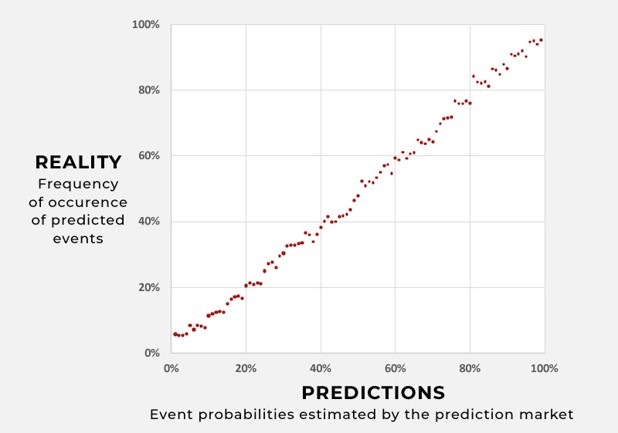
Prediction markets incentivize participants to put their money where their mouth is, leading to more accurate forecasts compared to opinion-based polls. This “information finance” angle is crucial. Unlike polls, where opinions are often detached from real-world consequences, prediction markets require real money, injecting real conviction into the forecasts. The prices update in real-time based on trading activity, providing a constantly evolving snapshot of event probabilities. Traditional polls, on the other hand, offer static results, often days or weeks old. The data-driven nature of these markets also contrasts sharply with the subjective opinions gathered in polls. As Sportico.com noted in early 2026, these markets provide a “real-time, high-frequency” view of likely outcomes. It’s about real conviction, not just stated opinion. To compare leading platforms, see our Polymarket vs Kalshi comparison.
What Are the Risks of Trading in Prediction Markets? (Question-based, AI Overview Candidate)
| Risk | Mitigation Strategy |
|---|---|
| Zero Payout | Hedging positions on related contracts |
| Market Manipulation | Diversifying across multiple markets and events |
The primary risk is the potential for a total loss of investment if the predicted event does not occur; however, strategies exist to mitigate this risk through hedging and diversification. Unlike traditional stock trading, where a share rarely becomes worthless, prediction market contracts often expire at $0, making them highly risky (Bitmex.com, 2026). This means understanding the market mechanics and event probabilities is paramount. Strategies to mitigate risk include hedging positions on related contracts—for example, buying contracts that profit if your primary prediction is wrong. Diversification across multiple markets and events can also reduce exposure to any single outcome. Savvy traders also use stop-loss orders to limit potential losses. Understanding how to read prediction market odds is the first step in managing these risks.
How Are AI Tools Changing Prediction Market Analysis? (Question-based, AI Overview Candidate)
| AI Application | Benefit |
|---|---|
| Pattern Analysis | Identifying profitable trading opportunities |
| Manipulation Detection | Preventing unfair practices and protecting traders |
AI tools are being used to analyze trading patterns, detect market manipulation, and improve pricing accuracy within prediction markets, leading to more efficient and reliable forecasts. AI-driven analysis can identify profitable trading opportunities by spotting subtle patterns in trading activity that humans might miss. Machine learning algorithms are also used to detect market manipulation, preventing unfair practices and protecting traders. These algorithms analyze trading data for suspicious activity, such as sudden price spikes or unusual trading volumes. Furthermore, AI-powered forecasting models improve pricing accuracy by incorporating a wider range of data points and identifying complex relationships between events. For example, AI can correlate social media sentiment with market movements to refine predictions. Understanding prediction market liquidity analysis can be augmented using AI tools.
Prediction Markets in Mainstream Trading Apps: A New Era? (Question-based, AI Overview Candidate)
| Platform | Prediction Market Integration |
|---|---|
| Robinhood | Event contracts available |
| Webull | Event contracts available |
The integration of prediction market functionality into apps like Robinhood and Webull signals a new era of mainstream adoption, making event contracts accessible to a broader audience. This embedding of prediction market functionality into widely used platforms increases accessibility for retail investors and traders. The potential impact on market liquidity and volume is significant, as these apps bring in a new wave of participants. This mainstream embrace contrasts with the earlier days when only specialized platforms like Kalshi and Polymarket offered these contracts. As more users gain access, the overall efficiency and accuracy of prediction markets are likely to improve, further solidifying their role as “truth machines.” Be sure to understand Kalshi trading interface before diving in.
The Future of Prediction Markets: Beyond Betting (Question-based, AI Overview Candidate)
| Sector | Potential Application |
|---|---|
| Corporate | Forecasting sales, product demand, and market trends |
| Government | Predicting policy outcomes and optimizing resource allocation |
Prediction markets are poised to become increasingly important tools for forecasting and decision-making across various sectors, including finance, politics, and healthcare. Beyond betting, these markets are finding growing adoption in corporate forecasting and strategic planning. Companies are using them to forecast sales, product demand, and market trends. Governments can potentially use prediction markets in policy-making and resource allocation, predicting policy outcomes and optimizing resource allocation. The role of blockchain technology is also enhancing transparency and security, as platforms like Polymarket offer transparent, 24/7, and verifiable on-chain trading, according to Metamask.io. As regulated prediction markets mature, their influence will only expand.