
Prediction market odds, which are represented as prices ranging from $0.00 to $1.00, directly reflect the market’s implied probability of an event occurring. But digging deeper reveals nuances that separate casual observers from profitable traders.
- Prices as Probabilities: Prediction market contracts are priced between $0.00 and $1.00, where the price equals the implied probability. For example, a contract trading at $0.70 suggests a 70% chance of that event occurring (Sportico.com, BitMEX).
- No Vig Advantage: Unlike traditional sportsbooks, prediction markets typically have no “vig” or embedded margin, making the odds a more direct reflection of market sentiment.
- Profit and Loss Mechanics: Profit is the difference between the purchase price and $1.00 if the event occurs; the loss is the purchase price if it doesn’t (Kalshi).
- Dynamic Price Fluctuations: Prices fluctuate dynamically based on new information, trading activity, and overall market sentiment (FalconX).
This direct correlation simplifies understanding compared to traditional sportsbooks, as prediction markets explained, the price itself tells you the market’s assessment of the event’s likelihood instead of deciphering complex fractional or decimal odds.
This lack of vig is a crucial difference. In standard betting, the bookmaker builds in a margin, meaning the true odds are always slightly worse than they appear. Prediction markets eliminate this, offering potentially better value for informed traders.
Understanding this binary outcome is key. If you buy a contract at $0.40 and it resolves to ‘yes,’ you receive $1.00, netting a $0.60 profit. However, if it resolves to ‘no,’ you lose your initial $0.40 investment. This clear, defined risk/reward profile is appealing to many traders.
This constant movement is where opportunities arise. A sudden news event, a surprising poll result – anything that shifts the perceived likelihood of an event will cause prices to adjust. Successful traders capitalize on these fluctuations.
Are Prediction Markets Legal in the US? Navigating the Regulatory Landscape
The legality of prediction markets in the US is complex and depends on the platform and the specific contracts offered. The regulatory landscape is constantly evolving, making it essential to stay informed.
- Kalshi’s Regulatory Approval: Kalshi is regulated by the CFTC and operates legally in the US, offering event contracts on a range of topics.
- Polymarket’s Evolving Status: Polymarket has faced regulatory scrutiny in the past but is now available in the US, though its legal status remains a subject of debate (CNBC).
- Legal Challenges and Classifications: Ongoing lawsuits and regulatory actions are challenging the classification of prediction markets as gambling versus legitimate financial markets (Bloomberg, The Guardian).
- Trader Awareness is Key: Traders should be aware of the legal risks and ensure they are using platforms that comply with US regulations.
This CFTC oversight provides a degree of legitimacy and security for traders, and a Kalshi trading interface tutorial can help new users navigate the platform. Kalshi’s contracts are designed to comply with regulatory requirements, focusing on events with clear, objective resolution criteria.
Polymarket’s situation highlights the ongoing challenges in defining and regulating prediction markets. While accessible in the US, its regulatory compliance remains a point of discussion (Polymarket fees and limits).
The core issue is whether these markets are primarily for speculation or serve a legitimate hedging or informational purpose. The outcome of these legal battles will significantly shape the future of prediction markets in the US.
Don’t assume all platforms operate with the same level of regulatory compliance. Always do your due diligence and understand the legal framework governing the prediction markets you’re using. For further information, see our guide to regulated prediction markets.
Mastering the Order Book: Spotting Mispricing and Liquidity
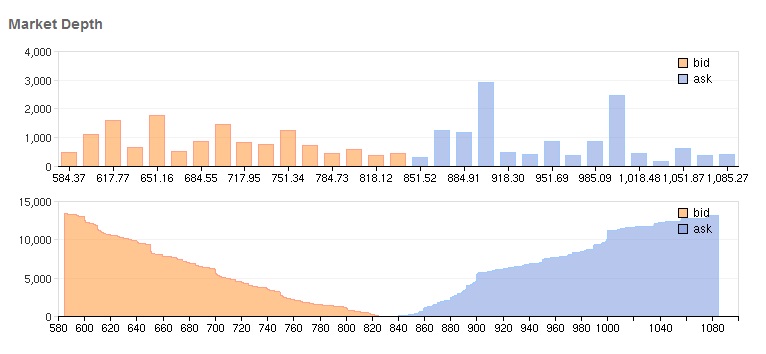
Analyzing the order book in prediction markets reveals crucial information about market sentiment, liquidity, and potential mispricing opportunities. It’s a window into the collective thinking of traders.
- Bid-Ask Spread as a Liquidity Indicator: The bid-ask spread indicates market liquidity; a narrow spread suggests high liquidity, while a wide spread suggests thin markets.
- Order Depth and Support/Resistance: Order depth shows the volume of contracts available at different price levels, revealing potential support and resistance.
- Order Book Imbalances (OBI) as a Signal: Order book imbalances (OBI) can signal short-term price movements, with a high YES OBI suggesting upward pressure (Bookmap).
- Monitoring for Unusual Activity: Monitor the order book for unusual activity or large orders that could indicate informed trading or market manipulation.
A tight spread, say $0.01 or less, means there are plenty of buyers and sellers willing to trade at close prices. A wider spread, perhaps $0.05 or more, suggests fewer participants, making it harder to execute large orders without impacting the price.
Imagine a large number of buy orders clustered around $0.60. This indicates strong support – a level where the price is likely to bounce. Conversely, a concentration of sell orders at $0.80 suggests resistance – a level the price may struggle to break through.
If there’s significantly more volume on the buy side (YES contracts), it suggests strong bullish sentiment, and the price is likely to rise in the short term. Keep an eye on these imbalances for potential quick trades.
A sudden, massive order appearing on one side of the book could be a sign that someone with inside information is making a move, or it could be an attempt to manipulate the market. Be cautious and investigate further before jumping in.
Risk Management Essentials: The 3-5-7 Rule and Position Sizing
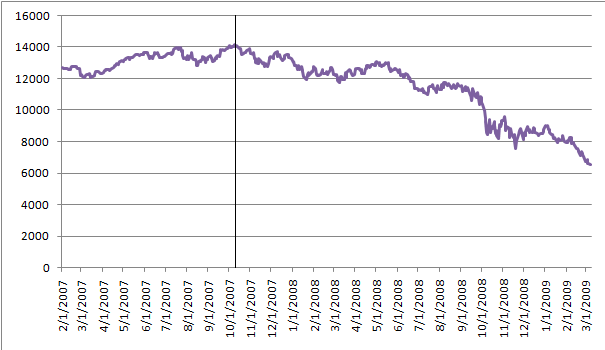
Effective risk management is crucial for profitable prediction market trading, and the 3-5-7 rule provides a framework for limiting exposure and protecting capital. Without it, even the best predictions can lead to ruin.
- The 3-5-7 Rule: The 3-5-7 rule suggests limiting risk to 3% of capital per trade, 5% of capital across all open positions in a single market, and 7% of capital across the entire portfolio (exclusivemarkets.com).
- Position Sizing Based on Probability: Adjust position sizes based on the implied probability and potential profit, taking smaller positions in high-probability events with low returns.
- Stop-Loss Orders for Automated Exits: Use stop-loss orders to automatically exit positions if the price moves against you, limiting potential losses.
- Diversification Across Markets: Diversify across multiple markets and contracts to reduce overall portfolio risk.
For example, if you have a $10,000 trading account, you shouldn’t risk more than $300 on any single trade, $500 on all positions in a specific prediction market (like the US Presidential Election), and $700 across your entire portfolio of prediction market bets.
If an event has a 90% implied probability, the potential profit is small, so you should allocate a smaller portion of your capital, even if you are confident in the outcome. Conversely, if an event has a lower probability but offers a higher potential payout, you might consider a slightly larger position, within your risk limits.
A stop-loss order is an instruction to automatically sell your contracts if the price drops to a certain level. This prevents emotional decision-making and protects you from significant losses if your prediction turns out to be wrong.
Don’t put all your eggs in one basket. Spread your capital across different prediction markets and contracts to reduce the impact of any single event on your overall portfolio performance. Consider exploring prediction market liquidity analysis to identify markets with sufficient depth for diversification.
Advanced Strategy: Applying the Kelly Criterion to Prediction Markets
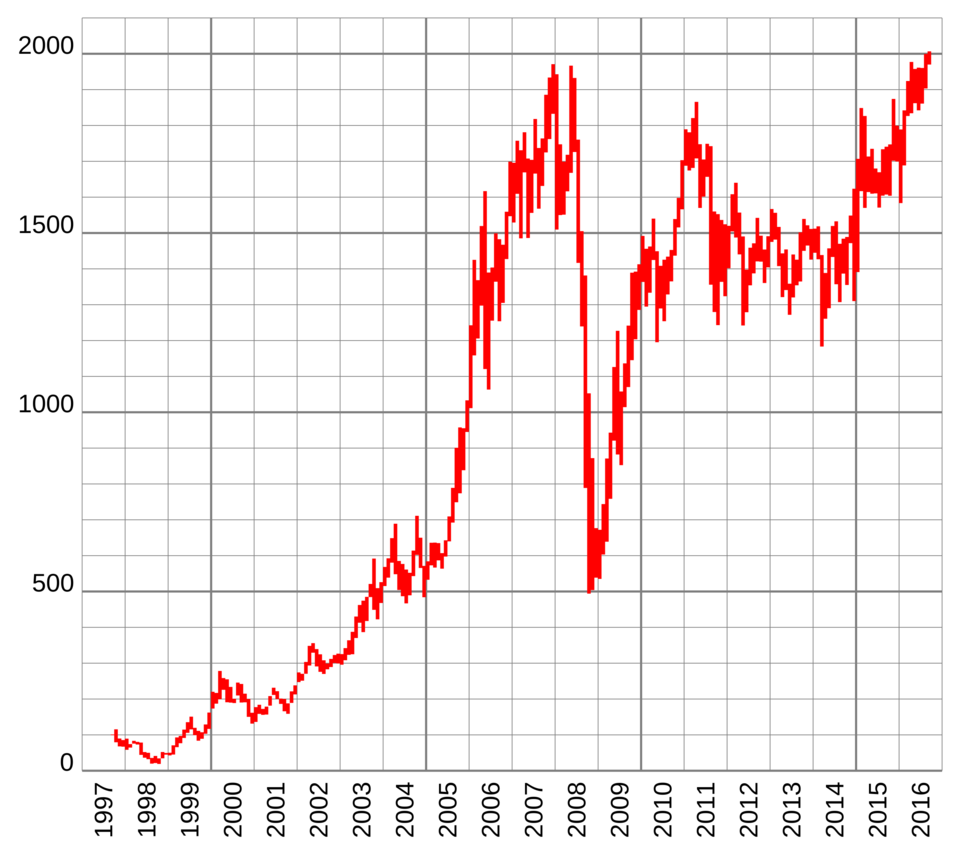
The Kelly Criterion is a mathematical formula that can help traders determine the optimal position size for maximizing long-term growth while managing risk. It’s not a magic bullet, but a valuable tool for disciplined traders.
- The Kelly Criterion Formula: The Kelly Criterion formula is f = (bp – (1-p)) / b, where f is the fraction of capital to bet, b is the odds (profit if win / amount bet), and p is the probability of winning.
- Applying it to Prediction Market Odds: In prediction markets, the odds (b) can be calculated as (1-price) / price.
- Kelly Criterion as a Guideline: The Kelly Criterion should be used as a guideline, as it can be aggressive and may need to be adjusted based on individual risk tolerance.
- Caution Against Over-Betting: Be cautious of over-betting, as it can lead to rapid depletion of capital.
This formula might seem intimidating, but it’s designed to calculate the ideal percentage of your bankroll to allocate to a particular trade, based on your perceived edge and the potential payout.
Since prediction market prices directly reflect implied probabilities, plugging them into the Kelly Criterion is relatively straightforward, and understanding how prediction markets work is essential for this calculation. For instance, if a contract is trading at $0.60, b = (1-0.60) / 0.60 = 0.67.
The formula assumes perfect knowledge of your winning probability, which is rarely the case in reality. Therefore, many traders use a fraction of the Kelly Criterion’s recommended position size (e.g., half-Kelly) to reduce risk.
Even with the Kelly Criterion, it’s crucial to remain disciplined and avoid the temptation to bet too heavily on any single event. Remember, risk management is paramount in prediction market trading. Check out our Polymarket vs Kalshi comparison to find the platform that best suits your risk profile.
What’s Next?
Now that you’ve learned how to read prediction market odds like a pro, it’s time to put your knowledge into practice. Consider exploring advanced trading strategies, such as arbitrage, and delving deeper into market analysis techniques. The world of prediction markets awaits!