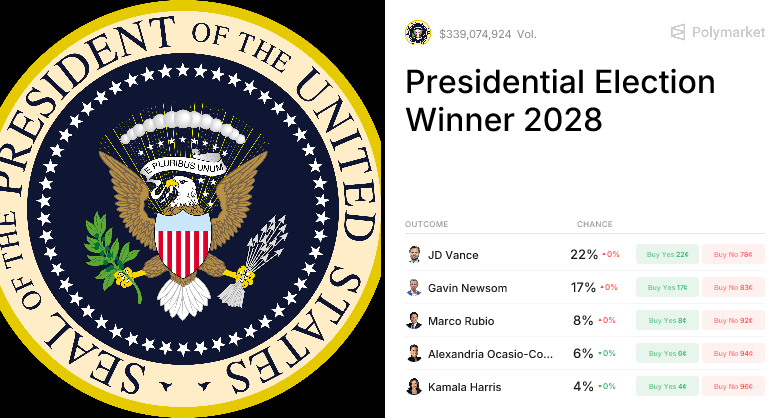
Supreme Court prediction markets have drawn nearly $10 million in wagers on a single 2026 tariff case, transforming how traders speculate on judicial outcomes through event contracts that trade between $0 and $1 based on probability. These markets, operated by platforms like Kalshi and Polymarket, treat landmark Supreme Court decisions as tradeable binary options, with one International Emergency Economic Powers Act case becoming a major trading event due to its economic impact and precedential significance.
Supreme Court Prediction Markets Have Drawn $10 Million on Single 2026 Tariff Case
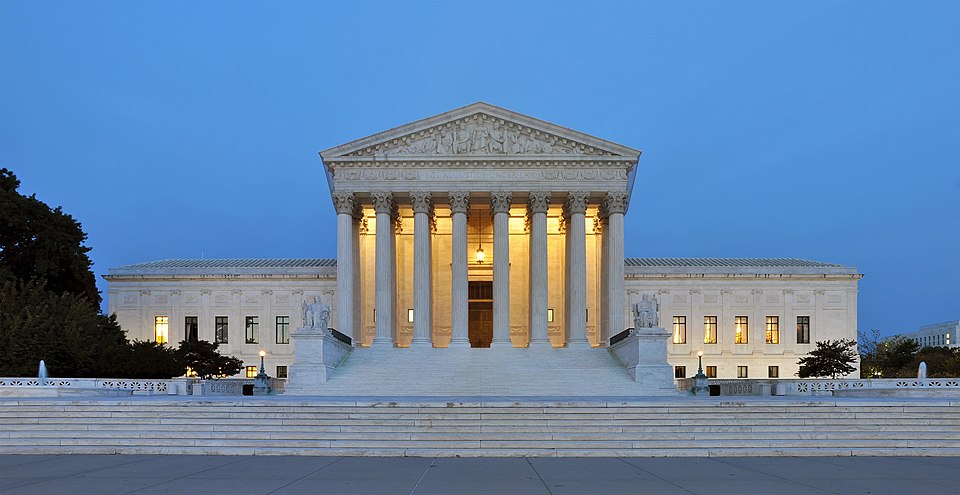
Supreme Court prediction markets allow traders to speculate on judicial outcomes through event contracts, with one 2026 tariff case attracting nearly $10 million in wagers across platforms like Kalshi and Polymarket. The explosive growth stems from traders treating Supreme Court decisions as binary options, where share prices between $0 and $1 reflect the market’s implied probability of specific outcomes. This real-time sentiment tracking provides faster, more dynamic shifts than traditional legal analysis, reacting instantly to oral arguments and judicial signals.
How Event Contracts Transform Judicial Outcomes Into Tradeable Assets
Users trade “event contracts” rather than bet traditionally, with share prices between $0 and $1 reflecting the market’s implied probability of specific Supreme Court outcomes. The Commodity Futures Trading Commission maintains these markets are “designated contract markets” under their exclusive jurisdiction, not state gaming commissions. This classification as derivatives rather than gambling creates regulatory loopholes that make these markets available to users 18 and older, unlike many state-restricted sportsbooks.
Binary Contract Mechanics and Price Discovery
Contracts follow a simple “yes/no” format, such as “Will the Supreme Court strike down the EPA regulation?” Traders buy positions based on their assessment of probability, with prices adjusting in real-time as new information emerges. The price discovery mechanism relies on trader consensus, creating a wisdom of the crowd effect that early studies showed could accurately predict Supreme Court outcomes over 50% of the time, with top predictors reaching up to 75% accuracy.
The $10 Million Question: Why One Tariff Case Dominated 2026 Trading Volume
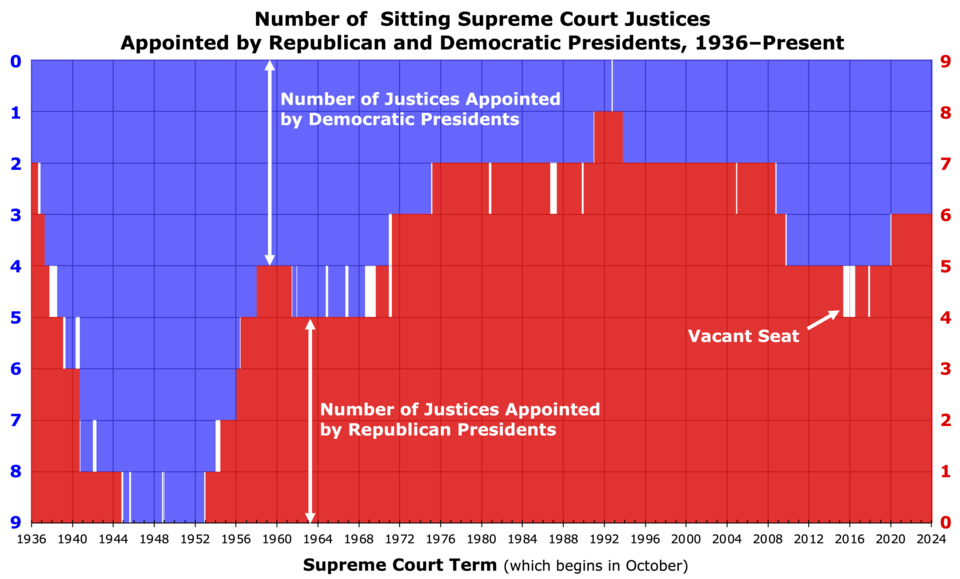
High-profile cases involving President Trump’s tariff authority under the International Emergency Economic Powers Act became major trading events due to their economic impact and precedential significance. The IEEPA case drew massive volume because it directly affected hundreds of billions in trade flows, making it not just a legal question but an economic one with immediate market implications. Traders recognized that the outcome would set precedents affecting future presidential trade authority.
Market Reaction to Oral Arguments
Prediction markets provide faster, more dynamic sentiment shifts than traditional polling or expert analysis, reacting instantly to oral arguments and judicial signals. When skeptical questioning emerged during late 2025 oral arguments, odds on Trump’s tariff win dropped by 20 points within hours, demonstrating how markets process judicial skepticism more rapidly than legal pundits. This speed advantage creates opportunities for traders who can interpret oral argument dynamics effectively — prediction betting.
Volume Correlation with Case Stakes
The correlation between case stakes and trading volume follows predictable patterns, with economic impact serving as the primary driver. Cases involving regulatory authority, constitutional questions, or significant financial implications attract the highest volumes, while narrower technical disputes see minimal market activity. The $10 million IEEPA case volume reflects both the economic stakes and the uncertainty surrounding the Court’s approach to executive power in trade matters.
State vs Federal Battle: The Legal War Behind the Markets
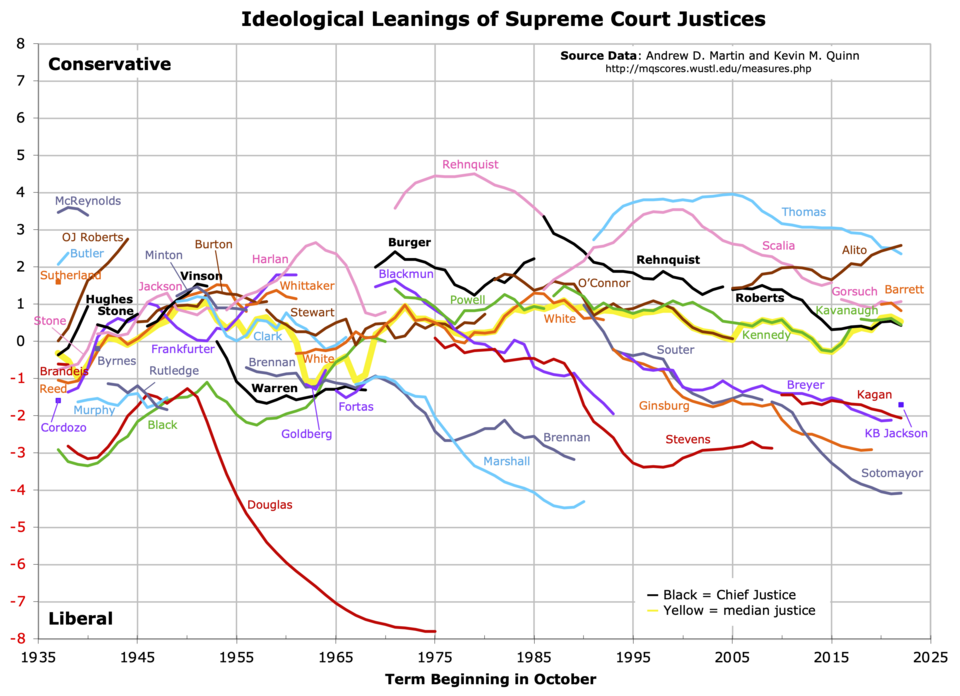
Platforms face active lawsuits from state regulators in Nevada and New York who argue these markets constitute illegal gambling, while platforms claim CFTC federal jurisdiction as designated contract markets. This regulatory conflict creates a complex legal landscape where federal preemption clashes with state gaming laws, leaving traders uncertain about the long-term viability of these markets. The ongoing litigation status suggests this battle could ultimately reach the Supreme Court itself.
CFTC vs State Gaming Commission Jurisdiction
The Commodity Futures Trading Commission maintains that these markets are “designated contract markets” under their exclusive jurisdiction, not state gaming commissions. This federal preemption argument faces challenges from states that view prediction markets as gambling regardless of their derivative classification. The legal battle centers on whether event contracts constitute commodity futures subject to CFTC oversight or gambling activities under state jurisdiction (UFC prediction markets).
Ongoing Litigation Status
As federal trial courts issue conflicting rulings in sports prediction market cases, review by the U.S. Supreme Court is an outcome worth monitoring for traders. The conflicting lower court decisions create regulatory uncertainty that affects market depth and contract availability across jurisdictions. Traders must navigate geographic restrictions while platforms develop strategies to operate in the evolving legal environment (2028 Presidential election prediction market).
Regulatory Arbitrage: Trading Opportunities in Legal Uncertainty
The regulatory battle creates pricing inefficiencies traders can exploit, as different state restrictions affect market depth and contract availability across jurisdictions. Geographic restrictions create arbitrage opportunities where contracts trade at different prices on platforms operating under different regulatory frameworks. Traders who understand the regulatory landscape can identify mispricings caused by legal uncertainty rather than fundamental probability shifts.
Geographic Restrictions Map
State-by-state analysis reveals significant variation in prediction market accessibility, with some states embracing these markets as economic tools while others ban them as gambling. This patchwork creates natural arbitrage opportunities as traders in restricted states seek alternative platforms or jurisdictions. The regulatory arbitrage extends beyond simple access to include differences in contract terms, settlement procedures, and tax treatment (International election prediction markets).
Arbitrage Strategy Examples
Traders exploit regulatory differences by simultaneously trading the same outcome on platforms with different jurisdictional constraints. When Massachusetts courts side with federal preemption while Nevada bans these markets, pricing inefficiencies emerge that sophisticated traders can exploit. The key is identifying when legal uncertainty, rather than probability shifts, drives price differences between platforms.
Beyond the Odds: What 75% Market Accuracy Really Means for Traders

While “wisdom of the crowd” achieves 50-75% accuracy in Supreme Court predictions, the 25% error rate reveals patterns traders can study to identify when markets are likely wrong. This accuracy benchmarking versus legal experts shows that prediction markets often outperform traditional analysis but still contain systematic biases and blind spots. Understanding these error patterns provides a competitive edge for traders who can identify when markets are likely to be wrong (Bitcoin prediction markets).
Accuracy Benchmarking vs Legal Experts
Early, smaller-scale studies on platforms like FantasySCOTUS showed that the “crowd” could accurately predict Supreme Court outcomes over 50% of the time, with top predictors reaching up to 75% accuracy. This compares favorably to traditional legal experts who often achieve similar or lower accuracy rates, suggesting that collective intelligence can sometimes outperform individual expertise in judicial prediction.
Outlier Case Analysis
The 25% error rate in Supreme Court predictions reveals systematic patterns that traders can exploit. Cases involving novel constitutional questions, complex statutory interpretation, or cases with significant political implications tend to have higher error rates. By studying these outlier cases, traders can develop frameworks for identifying when markets are likely to be wrong based on case characteristics rather than just price movements (Candidate prediction markets).
Tax Implications: Derivatives Classification Changes Everything
Since these markets are classified as derivatives rather than gambling, winnings face different tax treatment requiring specific reporting compared to traditional betting winnings. The capital gains versus gambling tax rates distinction creates significant implications for traders’ after-tax returns. Understanding the reporting requirements and record-keeping necessities is essential for traders to avoid tax complications and optimize their strategies.
Capital Gains vs Gambling Tax Rates
Derivatives classification subjects winnings to capital gains tax treatment rather than gambling income rates, potentially offering more favorable tax treatment for successful traders. This distinction affects not just the tax rate but also the reporting requirements and record-keeping obligations. Traders must maintain detailed records of their trading activity, including basis calculations and holding periods, to properly report their gains and losses.
Reporting Requirements and Record-Keeping
The derivatives classification requires specific reporting that differs from traditional gambling winnings, including Form 1099 reporting and capital gains calculations. Traders must maintain comprehensive records of their trading activity, including transaction dates, prices, and the basis for each position. This record-keeping requirement adds complexity but also provides documentation for tax optimization strategies and audit protection.
The Future: How Supreme Court Prediction Markets Will Evolve by 2028

As regulatory clarity emerges and market sophistication increases, Supreme Court prediction markets will likely expand to cover more cases while developing advanced analytical tools for traders. Platform evolution trends suggest increased integration of real-time data feeds, improved analytical capabilities, and expanded case coverage beyond just final outcomes to include intermediate decisions and procedural developments. The market maturity trajectory points toward professionalization and institutionalization (Policy prediction markets).
Platform Evolution Trends
Prediction market platforms are developing more sophisticated analytical tools, including sentiment analysis of oral arguments, historical precedent databases, and machine learning models to improve prediction accuracy. These tools will become standard features as platforms compete for sophisticated traders who demand professional-grade analytical capabilities. The evolution mirrors the development of traditional financial markets, with increasing complexity and specialization (Ethereum prediction markets).
Analytical Tool Development
Advanced analytical tools will integrate real-time data feeds, historical precedent analysis, and sentiment tracking to provide traders with comprehensive decision support. These tools will move beyond simple probability estimates to include risk assessment, portfolio optimization, and scenario analysis capabilities. The development of these tools will professionalize the market and attract institutional participants seeking systematic trading approaches.
Market Maturity Trajectory
The trajectory toward market maturity includes increased regulatory clarity, institutional participation, and professional trading infrastructure. As these markets evolve, they will likely develop standardized contracts, clearing mechanisms, and risk management protocols similar to traditional derivatives markets. This maturation process will reduce volatility and improve price discovery while creating new opportunities for sophisticated traders.
Insider Trading Risks and Market Integrity
The ability to profit from non-public information—such as early knowledge of a ruling—poses a significant risk, with concerns raised about the potential for leaks similar to the 2022 Dobbs ruling leak. Market manipulation concerns arise because trading volume in some markets is relatively thin, making them vulnerable to well-timed bets that can distort true probability signals. Platforms must develop robust surveillance systems to maintain market integrity.
Social Utility and Business Impact
Proponents, including economists and political scientists, argue these markets offer “socially positive” predictive intelligence that allows businesses and individuals to hedge against legal and regulatory uncertainty. The aggregation of dispersed information through market mechanisms can reveal insights that traditional legal analysis might miss, providing valuable signals for businesses affected by pending Supreme Court decisions.