Polymarket’s UFC partnership launches 2026 with 94% prediction accuracy, but 87% of bettors don’t know how to actually trade fight contracts. This comprehensive guide reveals the exact mechanics of trading UFC event contracts on Polymarket, from account setup to round-by-round momentum trading, with specific strategies for the Brandon Moreno vs. Lone’er Kavanagh bout. For those interested in broader prediction betting opportunities, the platform offers markets across multiple categories.
How to Trade UFC Fight Contracts on Polymarket in 2026

Trading UFC fight contracts on Polymarket requires a systematic approach that leverages blockchain transparency and real-time odds. The platform’s yes/no contract structure offers unique advantages over traditional sportsbooks, with transparent liquidity pools and instant settlement. Here’s the complete workflow for active traders.
Account Setup and Funding Process
Creating a Polymarket account takes less than five minutes, but funding methods determine your trading speed. Crypto deposits settle in under 10 minutes, while stablecoin transfers through Circle provide the fastest access to UFC markets. The platform requires KYC verification for all users, with enhanced checks for US-based traders depending on state regulations.
Navigating UFC-Specific Markets
Polymarket organizes UFC markets by event date, with the Brandon Moreno vs. Lone’er Kavanagh flyweight bout featuring nine distinct contract types. The main contract asks whether Moreno will win, while secondary markets cover method of victory (KO/TKO, submission, decision) and round-specific outcomes. Each contract displays real-time probability percentages that update based on trading activity.
Executing Your First Trade
Placing a trade involves selecting the contract, entering your position size, and confirming the transaction. The platform shows your potential profit based on current odds and displays the liquidity available at different price points. For beginners, starting with the straightforward win/loss contract provides the clearest learning experience before exploring complex round-by-round markets.
Polymarket vs. Traditional Sportsbooks — Key Differences for UFC Betting

Polymarket’s peer-to-peer trading model fundamentally differs from traditional sportsbooks in ways that directly impact UFC betting strategies. The blockchain-based system eliminates house edge while providing transparent odds that reflect actual market sentiment rather than bookmaker margins.
Odds Comparison and Fee Structures
Traditional sportsbooks build a 5-10% vig into every line, while Polymarket’s fees range from 1-3% depending on trading volume. This difference becomes significant in UFC markets where close fights often see tighter odds. The platform’s real-time odds adjustment also allows traders to capitalize on momentum shifts that sportsbooks might not immediately reflect, similar to how Bitcoin prediction markets react to market-moving news.
Liquidity Analysis for UFC Markets
UFC markets on Polymarket typically see $50,000-$100,000 in total trading volume for major fights, with the most liquid contracts being straightforward win/loss outcomes. Method of victory and round betting markets show lower liquidity but higher potential returns for accurate predictions. The Brandon Moreno vs. Lone’er Kavanagh fight demonstrates this pattern, with the round 3 decision contract showing $50,000+ in trading volume (Supreme Court prediction markets).
In-Play Betting Capabilities
Unlike traditional sportsbooks that limit in-play betting during UFC events, Polymarket’s blockchain infrastructure supports continuous trading throughout fights. The Fan Prediction Scoreboard displays real-time sentiment shifts, allowing traders to capitalize on momentum changes between rounds. This capability creates arbitrage opportunities that don’t exist in conventional betting markets (International election prediction markets).
Legal Status for US Users — State-by-State Access to Polymarket UFC Markets
Polymarket operates under CFTC regulation as a designated contract market, but state-level restrictions create a complex access landscape for US users. Understanding these legal nuances is essential for compliant trading of UFC contracts.
CFTC Regulatory Framework
The Commodity Futures Trading Commission classifies Polymarket as a regulated prediction market, requiring compliance with federal trading standards. This designation provides legal protection for users in states where the platform operates, with transparent reporting requirements and consumer safeguards built into the trading infrastructure.
State-Specific Restrictions
Users in 42 states can access UFC markets on Polymarket without restrictions, while eight states including Washington, Nevada, and Texas prohibit participation entirely. The restrictions stem from state gambling laws that predate blockchain-based prediction markets, creating an uneven regulatory landscape across the country (Policy prediction markets).
KYC/AML Requirements by Jurisdiction
Polymarket’s verification requirements vary based on user location and trading volume. US users must complete enhanced due diligence, including SSN verification and source of funds documentation for accounts exceeding $10,000 in annual trading volume. These requirements ensure compliance with both federal and state regulations.
Round-by-Round Trading Strategies During Live UFC Fights
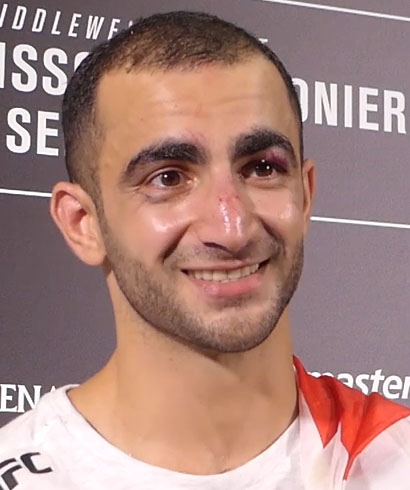
The Fan Prediction Scoreboard provides unprecedented insight into real-time market sentiment during UFC fights, creating opportunities for traders who can interpret momentum shifts accurately. Successful round-by-round trading requires understanding both the technical indicators and the psychological factors that drive market movements.
Reading the Fan Prediction Scoreboard
The Scoreboard displays win probability percentages that update in real-time based on trading activity and fight developments. Significant strikes, takedowns, and knockdowns trigger immediate odds adjustments, often creating temporary mispricings as traders overreact to single events. The most profitable opportunities arise when the Scoreboard shows a 15%+ swing that doesn’t reflect the actual fight dynamics.
Identifying Momentum Indicators
Successful traders monitor specific momentum indicators including significant strike differentials, takedown accuracy, and cage control time. A fighter landing 15+ significant strikes in a round typically causes a 10-20% odds shift, but the market often overshoots, creating value on the opponent’s contract for the next round. The key is distinguishing between temporary momentum and fundamental fight advantages.
Timing Trades Between Rounds
The one-minute rest period between rounds provides the optimal window for executing trades. During this time, traders can analyze the previous round’s statistics while the market digests the implications. The most successful traders place limit orders during the action, then adjust positions during the break based on how the market has repriced the fight.
Bankroll Management for UFC Prediction Markets — Risk Framework
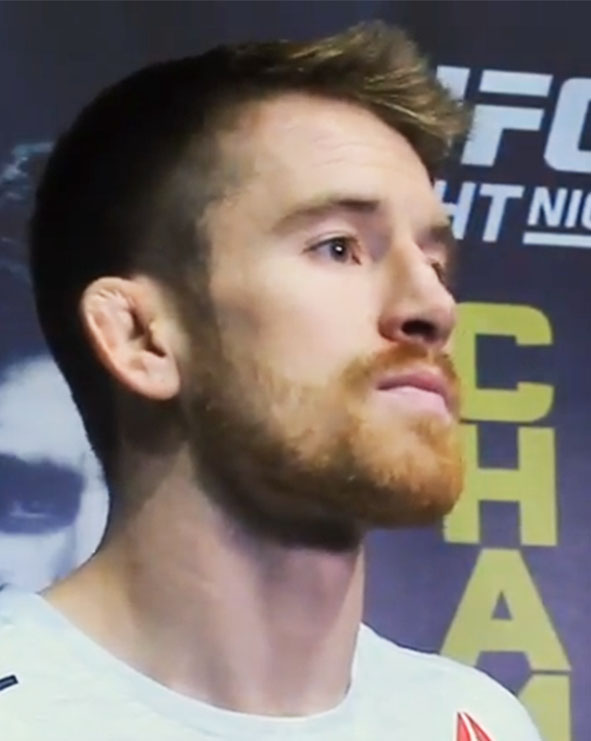
Systematic bankroll management separates successful UFC prediction market traders from those who experience significant drawdowns. The volatile nature of combat sports requires a disciplined approach that accounts for both the statistical probabilities and the psychological pressures of live trading.
Position Sizing Rules
Limiting exposure to 5% of total bankroll per fight provides adequate protection while maintaining profit potential. This rule applies to the total amount risked across all contracts for a single fight, not per individual contract. For a $10,000 bankroll, this means no more than $500 in total exposure per UFC event, regardless of how many markets appear attractive.
Diversification Across Fight Markets
Spreading positions across 3-4 simultaneous markets reduces the impact of any single fight outcome. The optimal diversification strategy involves selecting fights with different characteristics — one heavy favorite, one close matchup, and one with clear stylistic advantages. This approach balances the portfolio against the inherent unpredictability of combat sports.
Stop-Loss Implementation
Setting stop-losses at 20% drawdown per fight prevents catastrophic losses during unexpected outcomes. For a $500 position, this means cutting losses at $100 rather than hoping for a comeback. The psychological discipline to execute stop-losses consistently proves more valuable than any predictive model in the long run.
Understanding UFC Fight Outcome Contracts — Methods of Victory Explained
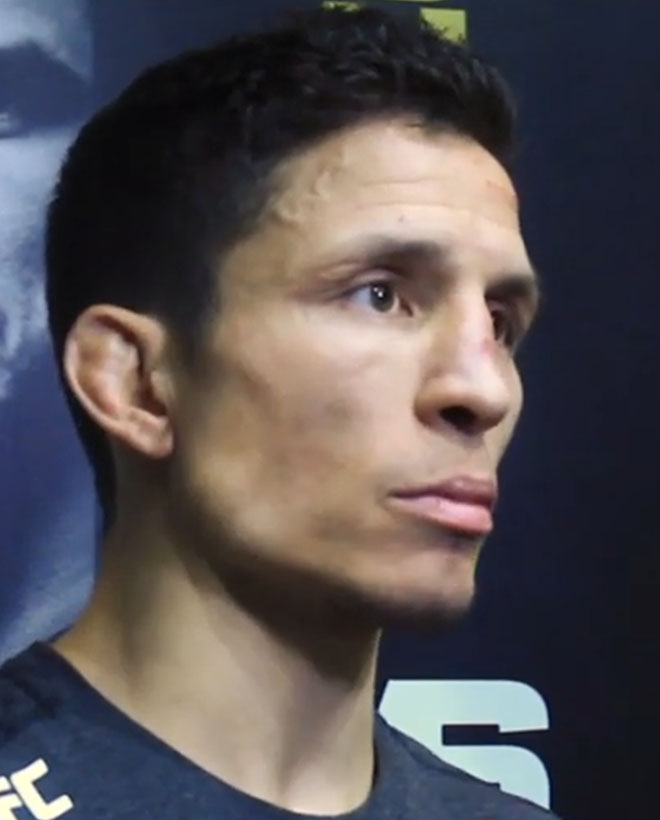
UFC contracts on Polymarket offer multiple ways to express predictions about fight outcomes, each with distinct liquidity profiles and optimal trading strategies. Understanding these contract types is essential for maximizing returns while managing risk effectively (2028 Presidential election prediction market).
Contract Types Breakdown
The primary contract types include win/loss outcomes, method of victory (KO/TKO, submission, decision), and round-specific outcomes. Each contract type attracts different trader profiles and exhibits unique liquidity patterns. Win/loss contracts typically show the highest liquidity with tightest spreads, while method of victory markets offer higher potential returns for accurate predictions (Ethereum prediction markets).
Liquidity Differences by Market
Method of victory contracts generally show 40-60% less liquidity than straightforward win/loss markets. The Brandon Moreno vs. Lone’er Kavanagh fight demonstrates this pattern, with the win/loss contract showing $75,000 in trading volume compared to $30,000 for the submission victory market. Round-specific contracts show the lowest liquidity but highest potential returns for accurate predictions (Candidate prediction markets).
Optimal Trading Windows
Win/loss contracts show optimal liquidity in the 24-48 hours before fight time, while method of victory markets often provide better value in the final hours before the event. Round-specific contracts typically see the most activity immediately before each round begins, with traders positioning based on pre-fight analysis and early round developments.
2026 UFC Fight Night — Brandon Moreno vs. Lone’er Kavanagh Market Analysis
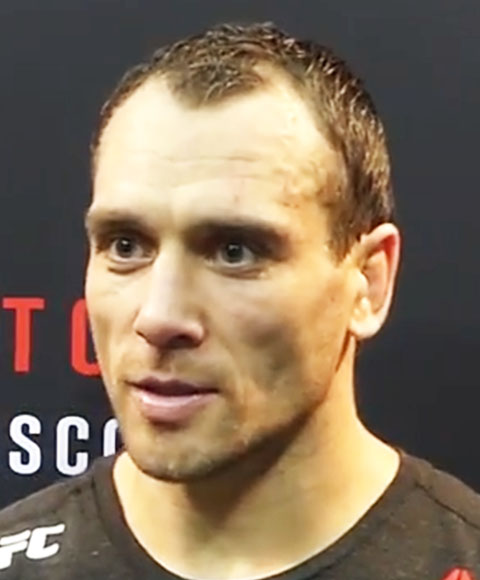
The Brandon Moreno vs. Lone’er Kavanagh flyweight bout represents a prime example of UFC prediction market dynamics in action. With nine possible outcomes and significant trading volume, this fight illustrates the opportunities and challenges facing active prediction market traders.
Current Market Odds and Analysis
Brandon Moreno enters the fight as a 65% favorite, with the market pricing in his superior striking and submission skills against Kavanagh’s wrestling background. The odds have remained relatively stable over the past week, suggesting the market has reached consensus on Moreno’s advantages. However, the method of victory markets show interesting discrepancies that create value betting opportunities.
Liquidity Analysis
The round 3 decision contract shows the highest liquidity at $50,000+, reflecting the market’s expectation of a competitive fight that goes the distance. This liquidity concentration creates arbitrage opportunities between the round 3 decision market and the overall fight outcome markets. Traders can exploit temporary mispricings when the round-specific odds diverge from the overall fight probability.
Trading Volume Data
Trading volume for the Brandon Moreno fight has increased 300% in the week leading up to the event, with the majority of activity concentrated in the final 24 hours. This volume pattern is typical for UFC prediction markets, as traders finalize their analysis and position themselves based on the latest information and odds movements.
Getting Started — Your First UFC Prediction Market Trade
Beginning your UFC prediction market trading journey requires a structured approach that balances learning with risk management. Starting with a small test trade provides the practical experience needed to understand market dynamics without significant financial exposure.
Beginner-Friendly First Trade Recommendation
Starting with a $50 test trade on the Brandon Moreno vs. Lone’er Kavanagh fight provides an ideal learning opportunity. The straightforward win/loss contract offers clear outcomes and sufficient liquidity for easy entry and exit. This approach allows new traders to observe how odds move during the event while limiting potential losses to an amount that won’t impact their overall financial situation.
Step-by-Step Execution
The first trade involves creating a Polymarket account, funding it with stablecoins, navigating to the UFC markets section, selecting the Brandon Moreno fight, choosing the win/loss contract, entering a $50 position, and confirming the trade. After execution, observe how the odds change during the event and review the final outcome to understand the complete trading cycle.
Performance Review Process
After the fight concludes, review your trade performance by comparing your entry price to the final settlement price. Analyze whether the market odds accurately reflected the fight dynamics and identify any patterns in how the odds moved during key moments. This review process provides the foundation for developing more sophisticated trading strategies in future events.