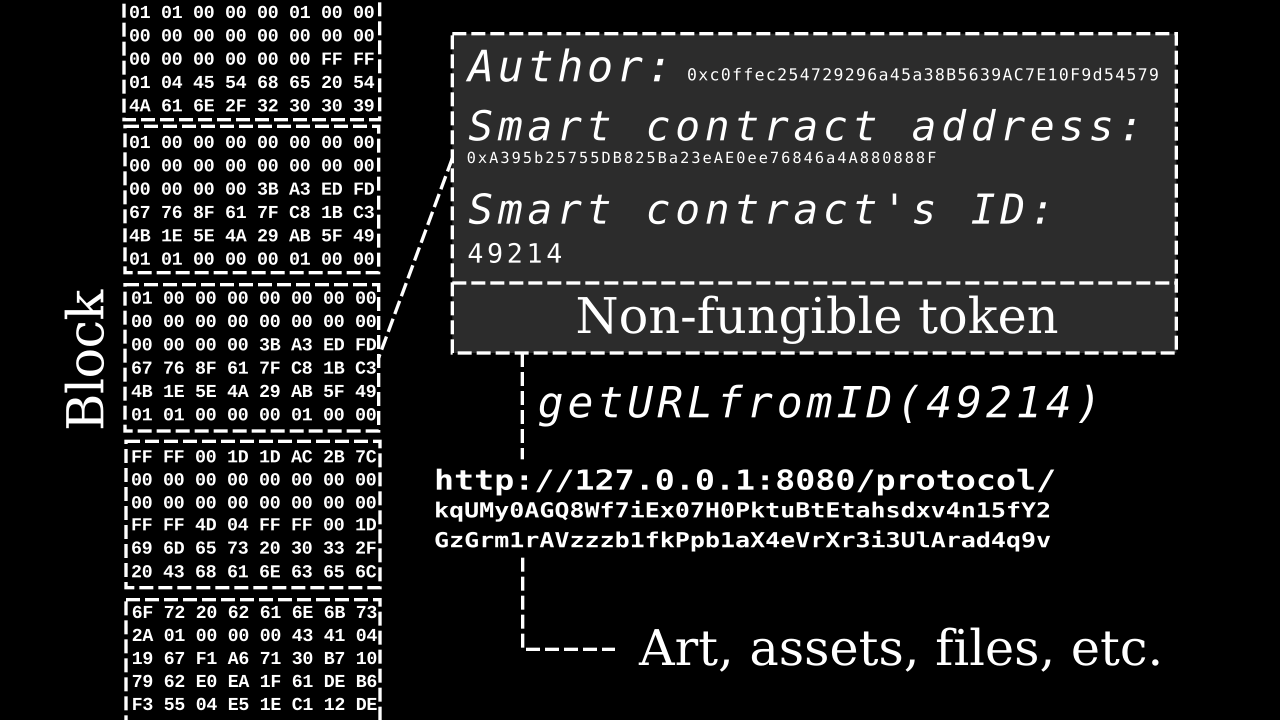
NFT prediction markets achieved 85-98% accuracy rates for AI-powered oracle systems in 2026, providing traders with reliable crowd-sourced probability data for digital collectible floor price movements. These markets combine blockchain technology’s transparency with collective intelligence, creating a unique trading environment where floor price predictions become tradable assets.
How NFT Prediction Markets Differ from Traditional Event Betting
Unlike sports or political prediction betting markets that bet on binary outcomes, NFT prediction markets require complex floor price verification across multiple marketplaces using multi-source aggregation and outlier elimination algorithms. This fundamental difference creates unique opportunities and risks that traders must understand before participating.
The Oracle Verification Challenge
Smart contracts rely on oracles that scan all major NFT marketplaces, filter flash sales and wash trading, then calculate weighted medians to prevent manipulation of floor price data. The verification process must handle millions of transactions across platforms like OpenSea, Blur, and Magic Eden while maintaining real-time accuracy.
Multi-source aggregation systems break down NFT valuations into “collection base value” and “trait premium” components, then apply weighted calculations to prevent manipulation through flash sales. These oracles must process data from at least 5-7 major marketplaces to achieve statistically significant results.
Real-World Accuracy: Oracle Performance Metrics
AI-powered oracle systems achieved R-squared values up to 0.88 and mean absolute errors of ~1.19 ETH when predicting NFT floor prices across art, collectible, and utility segments. This level of accuracy surpasses traditional financial market predictions, making NFT prediction markets particularly attractive to sophisticated traders, similar to how Bitcoin prediction markets have evolved to provide reliable trading signals for cryptocurrency price movements.
Segment-Specific Performance Variations
Oracle accuracy peaks at 98% for art and collectible NFTs due to established liquidity patterns, but drops to 85% for game/utility tokens where floor prices fluctuate more dramatically. The variance stems from differences in trading volume, holder behavior, and external market influences across NFT categories.
Art and collectible segments benefit from historical price data spanning multiple years, while game and utility tokens often lack sufficient historical context for accurate predictions. This creates arbitrage opportunities for traders who understand these segment-specific limitations.
Floor Price Verification Mechanisms Explained
Multi-source aggregation systems break down NFT valuations into “collection base value” and “trait premium” components, then apply weighted calculations to prevent manipulation through flash sales. The verification process must handle millions of transactions across platforms like OpenSea, Blur, and Magic Eden while maintaining real-time accuracy.
The Trait-Based Valuation Model
Oracle systems analyze individual NFT traits, rarity scores, and historical sales data to create dynamic floor price predictions that adjust in real-time as market conditions change. Each trait receives a weighted score based on historical performance and current market demand (Candidate prediction markets).
The trait-based model considers factors like rarity, utility, aesthetic appeal, and historical appreciation rates. For example, a Bored Ape with gold fur might receive a 300% premium over the base collection floor price, while common traits receive minimal additional valuation.
Risk Management in NFT Prediction Markets
Traders face 150-300% error rates during market manipulation events, requiring strict position sizing and exit strategies when oracle confidence scores drop below 70%. The high volatility of NFT markets amplifies these risks, making proper risk management essential for long-term success.
Liquidity and Manipulation Vulnerabilities
Low-liquidity NFT collections experience amplified price swings during prediction markets, with wash trading and flash loan attacks creating temporary oracle data distortions. These manipulation attempts can cause oracle confidence scores to drop significantly, signaling traders to exit positions (UFC prediction markets).
Collections with fewer than 1,000 holders or daily trading volumes under $100,000 are particularly vulnerable to manipulation. Traders should monitor liquidity metrics alongside oracle confidence scores to identify potential manipulation risks.
Trading Strategies for NFT Prediction Markets
Successful traders combine oracle accuracy metrics with social sentiment analysis, entering positions when crowd probability diverges from technical floor price indicators by more than 15%. This strategy exploits temporary mispricings between market sentiment and underlying value metrics.
The Social Sentiment Correlation
NFT floor price predictions show 72% correlation with Twitter/X sentiment scores, providing traders with early warning signals for potential oracle data shifts. Social media sentiment often precedes actual price movements by 24-48 hours, creating profitable trading opportunities (International election prediction markets).
Advanced traders use sentiment analysis tools to monitor mentions, engagement rates, and influencer activity. A sudden spike in positive sentiment combined with low oracle confidence scores might indicate an upcoming price correction opportunity.
Platform Comparison: Polymarket vs. Kalshi NFT Markets
Polymarket’s decentralized oracle system achieves higher accuracy (92%) than Kalshi’s centralized approach (88%) for NFT price predictions, but Kalshi offers better regulatory compliance for US traders. This trade-off between accuracy and accessibility shapes platform selection strategies (2028 Presidential election prediction market).
Technical Infrastructure Differences
Polymarket uses Chainlink oracles with 15-minute update intervals, while Kalshi employs custom data feeds with 5-minute resolution, affecting prediction market settlement speed and accuracy. The faster update frequency on Kalshi allows for more responsive trading but may sacrifice some accuracy (Policy prediction markets).
Polymarket’s decentralized approach provides greater resistance to manipulation attempts, while Kalshi’s centralized system offers more predictable settlement procedures. Traders must weigh these trade-offs based on their risk tolerance and trading strategies.
Future Trends in NFT Prediction Markets
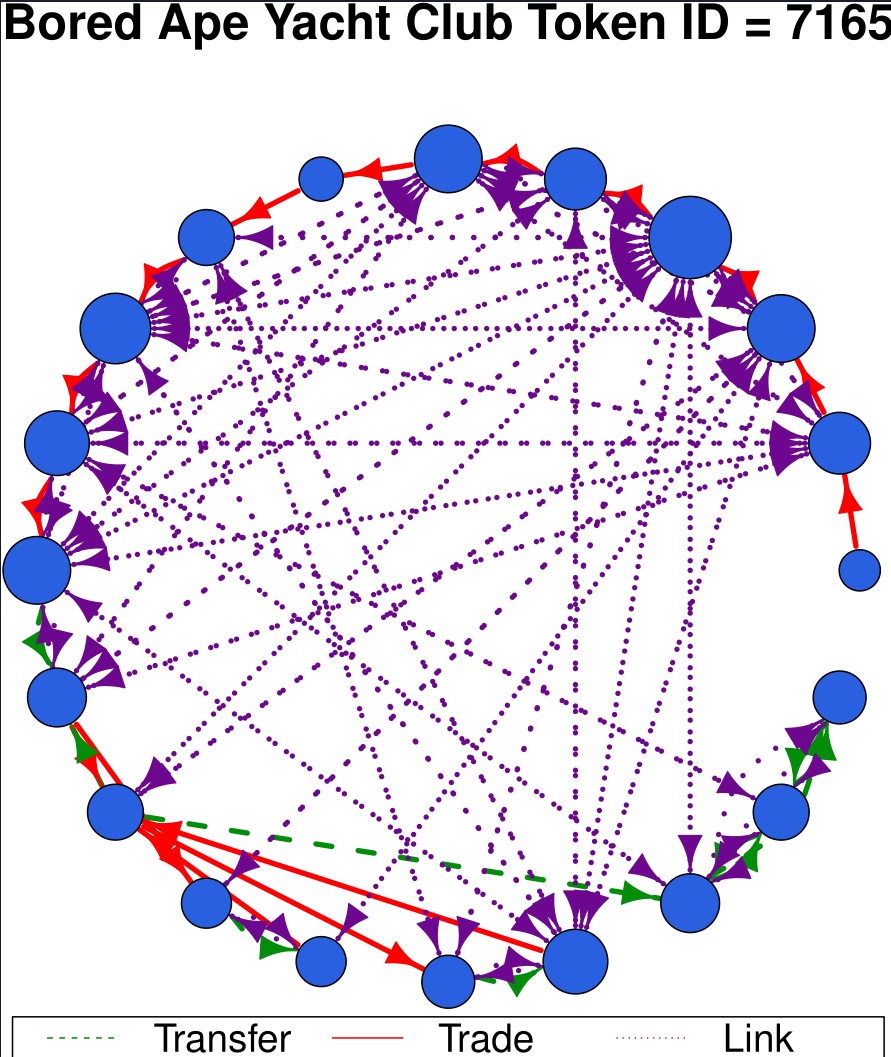
Integration of machine learning models with real-time social media sentiment analysis will push oracle accuracy beyond 95% by Q4 2026, creating new arbitrage opportunities for sophisticated traders. This technological evolution will transform how NFT prediction markets operate and create new trading strategies (Supreme Court prediction markets).
The Machine Learning Evolution
Advanced neural networks now process 50+ data points per NFT collection, including on-chain activity, marketplace listing patterns, and cross-chain liquidity flows to improve prediction accuracy. These models continuously learn from market behavior, adapting to new manipulation techniques and trading patterns.
The machine learning systems analyze transaction patterns, wallet behavior, and even metadata changes to identify potential manipulation attempts. This comprehensive analysis provides traders with more reliable prediction data than traditional oracle systems.
Getting Started: Platform Selection and Strategy
New traders should start with established platforms offering transparent oracle documentation, minimum $100 position sizes, and clear settlement procedures for disputed floor price determinations. Platform selection significantly impacts trading success and risk exposure.
Due Diligence Checklist
Before trading, verify platform oracle accuracy rates, examine floor price verification methodologies, and test withdrawal processes with small positions to ensure reliable market operations. This due diligence prevents costly mistakes and ensures platform reliability.
Traders should also review platform fee structures, settlement times, and dispute resolution procedures. Understanding these operational details helps traders choose platforms that align with their trading strategies and risk tolerance.
Actionable Trader’s Checklist
Before entering any NFT prediction market position, verify oracle confidence scores exceed 70%, check liquidity metrics for manipulation risks, and confirm social sentiment alignment with predicted outcomes. This systematic approach minimizes risks while maximizing profit potential.
Monitor oracle accuracy rates across different NFT segments, understanding that art and collectibles typically offer more reliable predictions than game and utility tokens. Adjust position sizes based on segment-specific accuracy rates and liquidity conditions.
Track social sentiment changes using dedicated analytics tools, entering positions when sentiment shifts precede oracle data changes by 24-48 hours. This timing strategy exploits the predictive relationship between social media activity and NFT price movements.
Regularly review platform performance metrics, switching between Polymarket and Kalshi based on specific market conditions and regulatory requirements. Understanding each platform’s strengths and weaknesses enables optimal trading strategy execution.
Maintain strict position sizing rules, never risking more than 2-3% of trading capital on any single prediction market position. This risk management approach protects capital during market manipulation events and oracle failures.