Prediction market apps have evolved into sophisticated trading platforms where users buy and sell contracts on real-world event outcomes. With the industry reaching approximately $44 billion in 2025 volume and major platforms like Kalshi, Polymarket, and Robinhood Predictions competing for users, interface design has become a critical differentiator in user acquisition and retention.
- Effective prediction market UI design must clearly present binary contracts with probability indicators and real-time price movements
- Top platforms like Kalshi and Polymarket use different design approaches based on their regulatory status and target audience
- Real-time data visualization including live tickers, volume indicators, and sentiment gauges are essential for trading decisions
Core UI Design Principles for Prediction Markets
Clarity in Binary Contract Presentation: Probability Indicators and Visual Value Changes
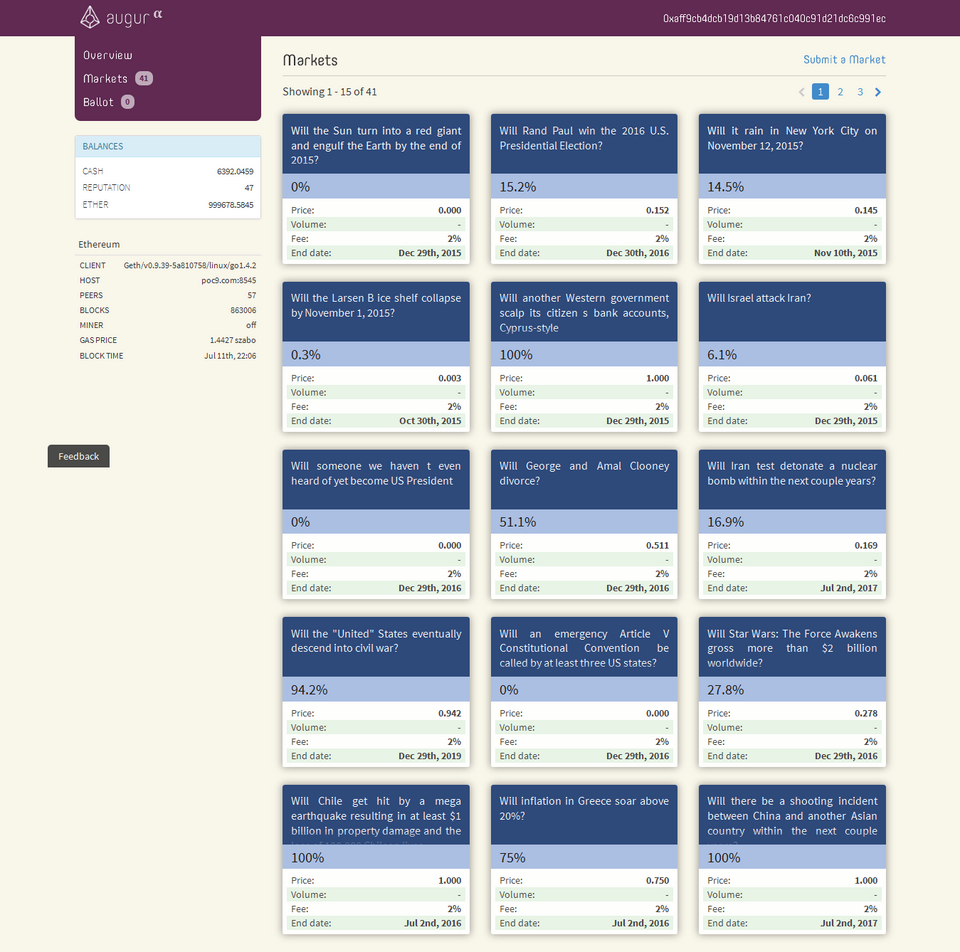
Prediction markets operate on binary contracts that settle at $1 for correct predictions and $0 for incorrect ones. Effective UI design must make this concept immediately understandable through:
- Clear probability indicators (0.01-0.99 pricing scale) that must be immediately understandable
- Visual representations of contract value changes that help users track performance
- Intuitive buy/sell buttons with clear action labels and transparent fee structures
- Real-time price movement charts for trend analysis and pattern recognition
The most successful prediction market apps use color-coded probability indicators where green represents higher likelihood of success and red indicates lower probability. This visual language helps traders make quick decisions without needing to interpret numerical data.
Real-Time Data Visualization: Live Tickers and Volume Indicators
Real-time data visualization is crucial for prediction market success. Top platforms implement:
| Visualization Type | Purpose | Platform Examples |
|---|---|---|
| Live price tickers | Show contract value changes in real-time | Kalshi, Polymarket, Robinhood Predictions |
| Volume indicators | Display trading activity levels | All major platforms |
| Sentiment gauges | Reflect market consensus on event outcomes | Advanced platforms |
| Historical price charts | Enable trend analysis and pattern recognition | Professional platforms |
These visualization tools help traders identify market trends, assess liquidity, and make informed decisions based on collective market wisdom rather than individual speculation.
Platform-Specific Design Approaches: Kalshi vs Polymarket
Kalshi’s Regulated Interface: CFTC Compliance and User Trust
As the first federally licensed prediction market in the US (founded 2018), Kalshi’s interface emphasizes regulatory compliance and user trust, including advanced security features that protect user funds and personal data:
- Clean, professional layout with clear risk disclosures and educational tooltips
- Streamlined account verification process for CFTC-approved events
- Simplified contract creation tools that ensure regulatory compliance
- Educational resources integrated directly into the trading interface
Kalshi’s design approach reflects its regulatory obligations while maintaining user-friendly navigation. The platform uses a conservative color scheme and clear typography to convey professionalism and trustworthiness.
Polymarket’s Crypto-Native Design: Blockchain Integration and DeFi Features
Polymarket’s crypto-based approach (using USDC on Polygon network) features sports betting contracts alongside traditional prediction markets:
- Blockchain integration indicators showing wallet connection status
- Gas fee transparency for transactions displayed before confirmation
- Decentralized identity verification options for privacy-conscious users
- DeFi features including liquidity pools and yield farming options
The crypto-native design appeals to blockchain enthusiasts while potentially confusing traditional traders. Polymarket’s interface uses more vibrant colors and dynamic elements compared to regulated platforms.
Essential Trading Features for Prediction Market Apps
Intuitive Buy/Sell Buttons with Transparent Fee Structures
The core trading experience depends on intuitive interface elements, including advanced order types for sophisticated trading strategies:
- Clear action labels that eliminate ambiguity in trading decisions
- Transparent fee structures displayed before transaction confirmation
- Real-time price movement charts integrated with order placement
- Position size calculators to help manage risk effectively
These features reduce trading friction and help users understand the cost implications of their decisions before execution.
Historical Price Charts and Trend Analysis Tools
Advanced traders require sophisticated analysis capabilities, including professional charting tools with multiple chart types:
| Chart Type | Trading Strategy | Platform Availability |
|---|---|---|
| Line charts | Basic trend identification | All platforms |
| Candlestick charts | Technical analysis | Professional platforms |
| Volume charts | Liquidity assessment | Advanced platforms |
| Sentiment indicators | Market psychology analysis | Premium platforms |
Multiple time frame options allow traders to adapt their strategies from day trading to long-term position holding, while technical analysis tools integrated into the trading interface enable sophisticated market analysis.
Mobile vs Desktop Trading Experience
Mobile prediction market apps must balance functionality with limited screen real estate, including customizable push notifications for market-moving events:
- Swipe gestures for quick position adjustments and chart navigation
- Push notifications for market-moving events and price alerts
- One-tap trading execution for rapid market entry and exit
- Biometric authentication for secure access on mobile devices
Cross-platform synchronization ensures seamless experience across devices with real-time position updates, consistent order book displays, and unified notification systems.
Future Trends in Prediction Market UI Design
The evolution of prediction market interfaces continues with emerging technologies:
- AI-powered personalization providing tailored market recommendations
- Predictive analytics for identifying trading opportunities
- Automated risk assessment tools integrated into the trading workflow
- Natural language processing for event description analysis
These innovations aim to make prediction markets more accessible while providing sophisticated tools for experienced traders.
The success of prediction market apps increasingly depends on intuitive, efficient user interface design that balances regulatory compliance, trading functionality, and user experience. As platforms like Kalshi, Polymarket, and Robinhood Predictions continue to innovate, the focus on mobile optimization, real-time data visualization, and advanced trading tools will remain central to attracting and retaining users in this rapidly growing market.
For traders looking to understand the differences between major prediction market platforms, our comprehensive guide on prediction market platforms provides detailed comparisons of features and interfaces.
The most surprising finding in prediction market UI design is that simplicity often outperforms complexity. Platforms that focus on clear binary contract presentation and intuitive navigation tend to retain users better than those offering excessive technical features. Traders can immediately improve their experience by focusing on platforms with clean interfaces and transparent fee structures, starting with our analysis of trading strategies for prediction markets.