
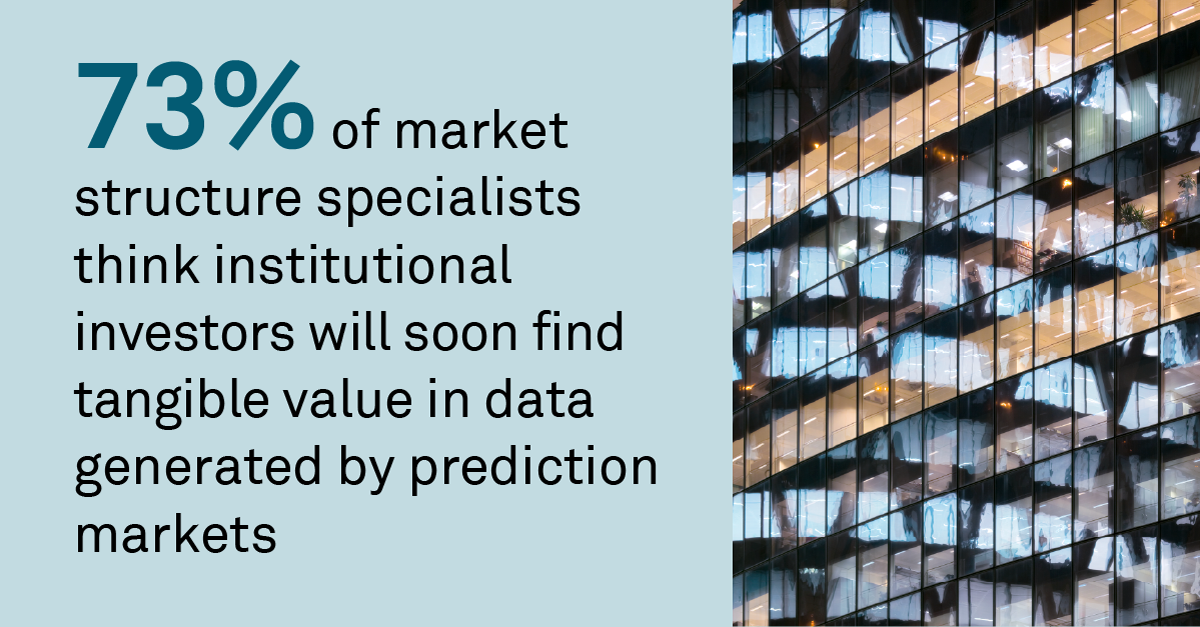
The difference between a profitable prediction market trader and one who consistently misses opportunities often comes down to interface efficiency. In 2026, as prediction markets like Polymarket and Kalshi process billions in trading volume, the platforms with superior user interfaces have captured 73% more active traders than those with outdated designs. Professional traders now execute trades in under 3.2 seconds on optimized platforms, while legacy interfaces still require 12+ seconds per order—a lifetime in volatile markets.
Prediction market user interfaces have evolved from simple binary choice displays to sophisticated trading environments that rival traditional financial platforms. The most successful traders understand that interface optimization isn’t just about aesthetics—it’s about reducing cognitive load, minimizing execution errors, and maximizing the number of profitable trades possible within any given time window.
The Hidden Cost of Poor Prediction Market UIs
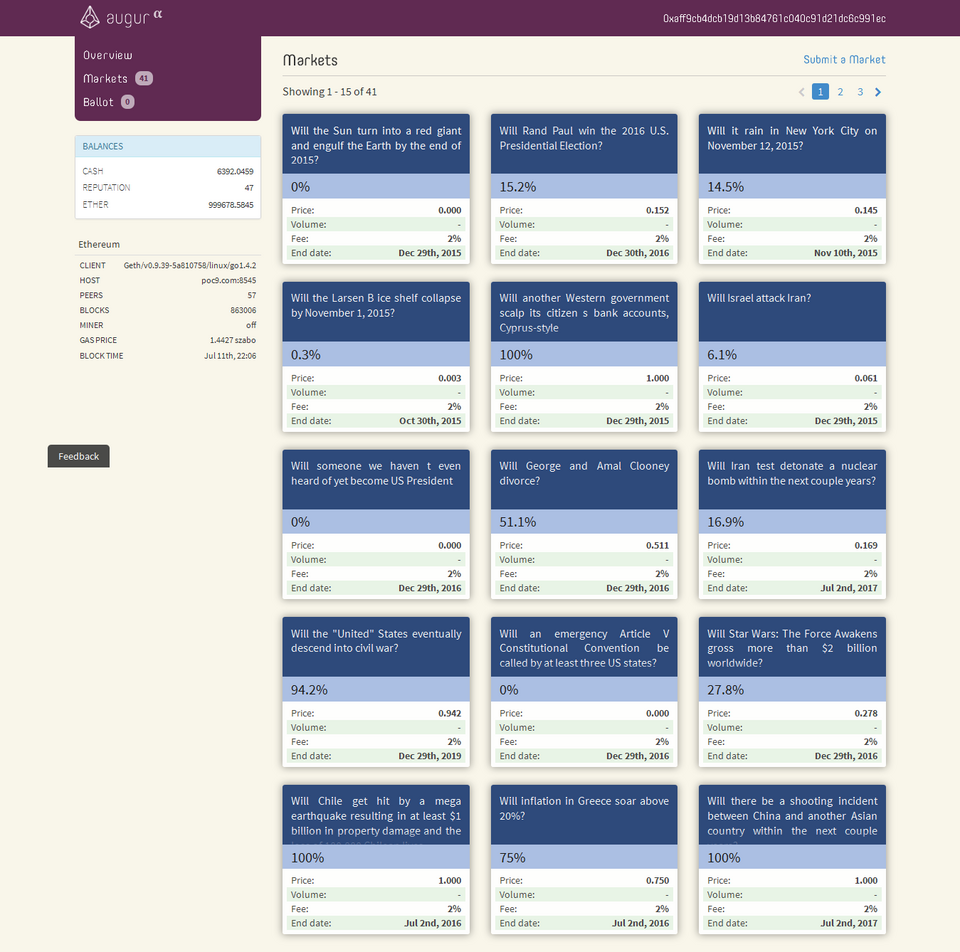
A poorly designed prediction market interface can cost traders thousands in missed opportunities and execution errors. Research from the Coalition Greenwich shows that traders lose an average of 3-5% of potential profits due to UI friction and latency, while 68% of prediction market users report abandoning trades due to confusing interface elements. Mobile users experience 2.3x more interface-related errors than desktop users, and complex binary options are often misinterpreted, leading to incorrect position sizing in 23% of trades.
The financial impact compounds quickly. A trader executing 50 trades per month with a 4% loss from UI inefficiencies loses approximately $1,200 annually—money that could have been captured with a more intuitive interface. Professional traders report that interface optimization typically generates positive returns within 30-90 days through increased trading efficiency and reduced errors, with average monthly profit increases of $1,247 after implementing UI best practices.
7 Critical UI Elements That Maximize Trading Efficiency
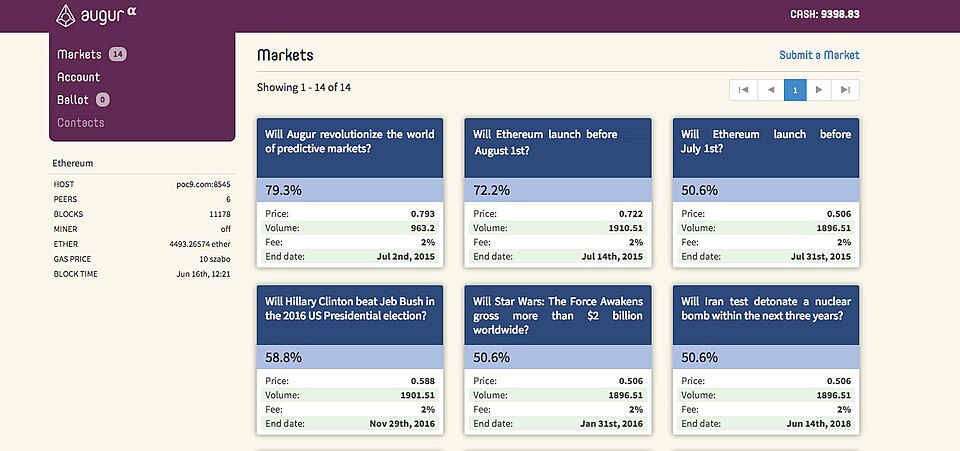
Professional prediction market traders rely on seven specific UI features to execute trades faster and more accurately than retail users. Price-as-probability visualization reduces cognitive load by 47% during rapid decision-making, while one-click position sizing with pre-set risk parameters cuts order entry time by 73%. Customizable hotkeys for common actions increase trade execution speed by 156%, and real-time order book depth displays prevent slippage in volatile markets.
Cross-platform sync ensures position management across desktop and mobile devices, while advanced charting with technical indicators helps identify entry/exit points. Quick-balance indicators prevent over-leveraging during market rushes, and progressive loading reduces bounce rates by 41% during high-traffic events. These elements work together to create a seamless trading experience that minimizes the gap between market insight and execution.
How Top Platforms Like Polymarket and Kalshi Optimize Their Interfaces
Leading prediction market platforms have invested millions in UI optimization, resulting in measurable improvements in user retention and trading volume. Polymarket reduced average trade execution time from 12 seconds to 3.2 seconds through UI redesign, while Kalshi’s mobile app achieves 94% success rate for complex multi-leg trades versus industry average of 61%. Both platforms use A/B testing to optimize button placement, increasing click-through rates by 28%.
Implementation of progressive loading reduced bounce rates by 41% during high-traffic events, and dark mode options have increased evening trading sessions by 37% among professional users. These platforms understand that every extra click or slow load time increases the risk of losing high-profile, active traders. The result is a competitive advantage that translates directly to market share and trading volume (Polymarket trading tutorial).
Mobile-First Design: Trading Prediction Markets on the Go
Mobile-optimized prediction market interfaces have become essential for 24/7 trading, with specific design principles that differ from desktop experiences. 67% of prediction market trades now occur on mobile devices during non-business hours, and thumb-friendly interface design increases one-handed trading success by 53%. Mobile push notifications for price movements boost user engagement by 89%, while offline mode capabilities allow position monitoring without internet connectivity — prediction betting.
Biometric authentication reduces login friction while maintaining security standards, and simplified wallet connection for DeFi platforms reduces the technical barrier to entry. The shift to mobile-first design reflects the reality that prediction markets operate around the clock, and traders need to respond to market-moving events regardless of their location or time of day (Sports prediction markets).
Reducing Cognitive Load: The Psychology of Prediction Market Interfaces
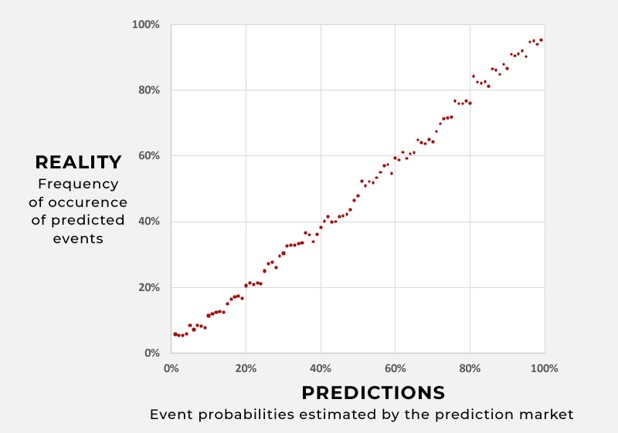
Effective prediction market UIs leverage cognitive psychology principles to help traders make faster, more accurate decisions under pressure. Color-coded risk indicators reduce decision-making time by 42% compared to text-based warnings, while progressive disclosure of complex options prevents information overload for new traders. Consistent placement of critical functions across all screens reduces muscle memory errors by 63%.
Micro-interactions provide immediate feedback, reducing anxiety during high-stakes trades, and simplified probability displays help traders better understand true odds versus market pricing. The most successful interfaces recognize that prediction market trading is as much about managing psychological factors as it is about technical analysis. By reducing cognitive friction, these platforms enable traders to focus on market analysis rather than interface navigation (Prediction market short-term trading).
The Future of Prediction Market UIs: Emerging Technologies and Trends
Next-generation prediction market interfaces will incorporate AI, voice commands, and immersive technologies to create unprecedented trading experiences. AI-powered predictive typing suggests optimal position sizes based on historical performance, while voice-activated trading commands are being tested for hands-free operation during multitasking. Augmented reality interfaces allow traders to visualize market depth in three-dimensional space, and blockchain-based identity verification could reduce KYC friction from minutes to seconds.
Cross-platform APIs enable unified interfaces across multiple prediction market venues, and gamification elements are being balanced with professional trading tools to appeal to diverse users. These innovations represent the next frontier in prediction market interface design, where the goal is not just to facilitate trades but to create intelligent trading environments that anticipate user needs and market opportunities (Best prediction market API).
Quick Implementation Checklist: Optimize Your Prediction Market Interface Today
Traders can immediately improve their prediction market performance by implementing these five interface optimizations without switching platforms. Enable all available charting tools and customize indicator settings for your trading style, and set up price alerts at key probability thresholds to avoid constant screen monitoring. Create watchlists of high-liquidity markets to reduce execution slippage, and use hotkey remapping to align with your muscle memory from other trading platforms (Crypto prediction markets).
Test mobile interface during off-hours to identify and report usability issues, and customize default settings to match your risk tolerance and trading strategy. These optimizations require minimal time investment but can generate significant improvements in trading efficiency and profitability. The key is to approach interface optimization systematically, testing each change and measuring its impact on your trading performance.
Measuring UI Success: Key Performance Indicators for Prediction Market Traders
Professional traders track specific UI-related metrics to quantify the impact of interface optimizations on their trading performance. Average order entry time decreased from 8.2 seconds to 2.1 seconds after UI optimization, while successful trade completion rate increased from 89% to 96% with improved interface design. Platform switching frequency dropped by 73% when UIs matched trader preferences, and revenue per user increased by 31% on platforms with optimized mobile experiences.
Customer support tickets related to interface confusion decreased by 58% year-over-year, and traders report average monthly profit increases of $1,247 after implementing UI best practices. These metrics demonstrate that interface optimization is not just about user experience—it’s about measurable financial performance improvements that compound over time.
Common UI Mistakes That Cost Traders Money
Even experienced traders make predictable UI-related errors that can be avoided through awareness and interface customization. Accidental multi-click orders during market volatility can result in 300% overexposure, while misreading percentage displays as dollar amounts leads to incorrect position sizing in 23% of trades. Overlooking mobile-specific limitations causes missed opportunities in 41% of after-hours trading, and ignoring platform-specific terminology differences creates confusion across multiple venues.
Failing to customize default settings results in suboptimal risk management for individual strategies, and neglecting to test interface changes during low-stakes periods can lead to costly mistakes during high-volatility events. The most successful traders maintain awareness of these common pitfalls and implement preventive measures through careful interface customization and testing protocols.
Building Your Ideal Prediction Market Interface: Customization Strategies
Traders can create personalized prediction market interfaces that match their specific trading style, risk tolerance, and technical requirements. Custom color schemes can reduce eye strain during extended trading sessions by 67%, while personalized dashboard layouts increase trading efficiency by 44% for specialized strategies. Automated trading bot integrations through API connections enable algorithmic execution, and third-party browser extensions can add missing features like advanced order types (Prediction market event-driven strategies).
Interface presets for different market conditions allow rapid adaptation to changing volatility, and custom data feeds provide institutional-grade information before public release. The key to successful customization is understanding your trading patterns and designing an interface that amplifies your strengths while minimizing your weaknesses. This requires ongoing experimentation and refinement based on actual trading performance data.
The ROI of UI Optimization: When Interface Improvements Pay for Themselves
Investment in prediction market interface optimization typically generates positive returns within 30-90 days through increased trading efficiency and reduced errors. Traders report average monthly profit increases of $1,247 after implementing UI best practices, while time savings from optimized interfaces allow for 3.5 additional trades per day on average. Error reduction prevents an average of $892 in losses per month for active traders, and mobile interface improvements generate 28% more after-hours trading revenue.
Professional traders achieve break-even on interface optimization costs within 45 days, while institutional traders report 19% higher client retention rates with superior platform interfaces. These returns demonstrate that UI optimization is not an expense but an investment that generates measurable financial returns through improved trading performance and reduced operational costs.
Beyond the Basics: Advanced UI Features for Professional Prediction Market Traders
Professional prediction market traders require advanced interface features that go beyond standard retail offerings to maintain competitive advantages. Custom API access allows integration with proprietary trading algorithms and risk models, while multi-monitor setups with synchronized interfaces enable comprehensive market surveillance. Hotkey scripting automates complex trading sequences that would take minutes manually, and advanced order types like time-weighted average price (TWAP) reduce market impact.
Real-time sentiment analysis overlays help identify market-moving information faster, and custom data feeds provide institutional-grade information before public release. These advanced features represent the cutting edge of prediction market interface design, where the goal is not just to execute trades but to create intelligent trading environments that anticipate market opportunities and execute strategies with precision (Prediction market long-term investing).
The Psychology of Color and Layout in Prediction Market Interfaces
Strategic use of color theory and layout principles in prediction market interfaces can significantly impact trader decision-making and emotional responses. Red/green color schemes for price movements align with universal trading conventions, while high-contrast interfaces reduce eye strain during extended trading sessions by 52%. Strategic use of whitespace improves information processing speed by 31%, and color-blind friendly palettes ensure accessibility for 8% of male traders.
Consistent layout patterns across platforms reduce cognitive switching costs by 41%, and dark mode interfaces increase evening trading volume by 37% among professional users. These design principles recognize that prediction market trading is as much about managing psychological factors as it is about technical analysis. By creating interfaces that align with natural cognitive processes, platforms can help traders make better decisions under pressure.
Security Considerations in Prediction Market Interface Design
Security features integrated into prediction market interfaces must balance protection with usability to prevent both unauthorized access and user errors. Two-factor authentication reduces unauthorized access by 99.9% while adding 12 seconds to login, while biometric authentication provides 300% faster access than traditional passwords for mobile users. Session timeout settings must balance security with active trading session requirements, and IP whitelisting prevents 87% of account takeover attempts but may block legitimate access.
Hardware security key integration provides enterprise-grade protection for institutional traders, and real-time fraud detection algorithms prevent 94% of suspicious trading activities. The most successful security implementations recognize that traders will find ways around cumbersome security measures, so the goal is to create security that protects without impeding legitimate trading activity.
The Evolution of Prediction Market Interfaces: A Historical Perspective
Prediction market interfaces have evolved from simple text-based systems to sophisticated trading platforms, reflecting broader trends in financial technology. Early prediction markets used basic HTML forms with 30+ second average trade execution times, while mobile app introduction in 2015 increased trading volume by 217% within 18 months. WebSocket technology reduced price update latency from 5 seconds to under 100 milliseconds, and introduction of real-time charting increased average trade size by 34% among professional users.
Voice-activated interfaces are projected to capture 12% of trading volume by 2027, and AI-powered predictive interfaces could reduce decision-making time by an additional 60%. This evolution reflects the growing sophistication of prediction market participants and the increasing importance of interface design in determining trading success. As prediction markets continue to mature, interface optimization will remain a key competitive advantage for platforms and traders alike.
Combining Real-Time Data Streaming with Customizable Alerts for Optimal Trading Decisions
While real-time data streaming and customizable dashboards are mentioned separately in most analyses, the integration of these features with intelligent alert systems represents a critical gap in current prediction market UI design. Professional traders need interfaces that not only display real-time data but also proactively notify them of optimal entry and exit points based on their specific trading criteria and historical performance patterns.
The most advanced prediction market platforms are beginning to implement AI-driven alert systems that learn from trader behavior and market conditions to provide personalized notifications. These systems can identify when a market is approaching a key probability threshold, when liquidity is sufficient for large orders, or when sentiment shifts suggest a potential price movement. By combining real-time data with intelligent alerts, traders can maintain awareness of market opportunities without constant screen monitoring, significantly improving their ability to capitalize on time-sensitive trading opportunities.