

Global prediction market trading volume surpassed $40 billion in early 2026, with political and economic contracts leading in volume, according to recent market analysis. This explosive growth has transformed prediction markets from speculative gambling into high-volume, mainstream platforms where traders utilize short-term strategies to capitalize on volatile, real-world events. The market is no longer just for long-term bets; it is dominated by rapid, “0DTE” (zero days to expiration) style trading that settles within minutes or hours based on immediate news.
The Explosive Growth of Short-Term Prediction Markets in 2026
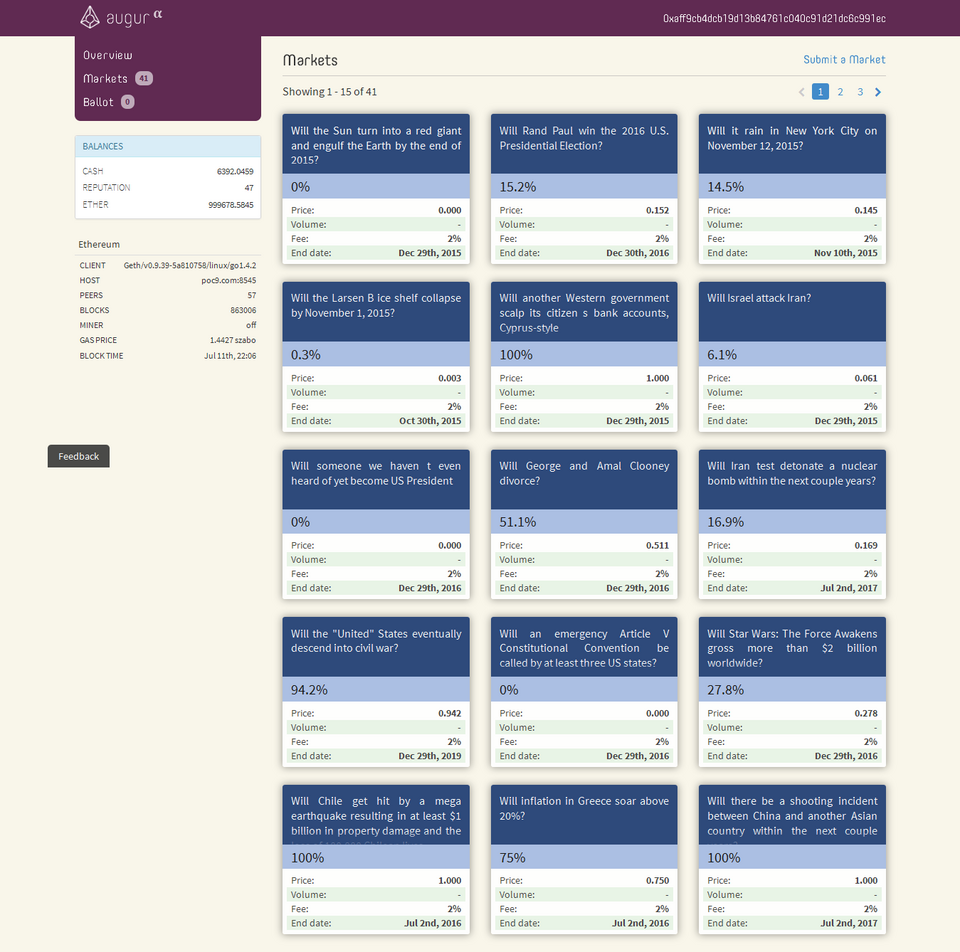
Global prediction market trading volume surpassed $40 billion in early 2026, with political and economic contracts leading in volume, according to recent market analysis.
The prediction market landscape in 2026 represents a fundamental shift in how traders approach event-based speculation. Kalshi and Polymarket have emerged as the dominant platforms, with Kalshi operating as a CFTC-registered Designated Contract Market (DCM) in the US and Polymarket maintaining its position as the largest decentralized, global platform. New entrants like Fanatics Markets and DraftKings Predictions, which launched in December 2025, have intensified competition and expanded market accessibility.
Real-time “0DTE” trading has become the defining characteristic of modern prediction markets. Following the trend of short-dated options in traditional markets, traders now focus on contracts that settle within minutes or hours based on immediate news. This shift toward rapid execution has created unprecedented opportunities for traders who can react quickly to breaking events while simultaneously increasing the importance of sophisticated risk management strategies.
Platform Competition and Market Share Distribution
The competitive landscape among prediction market platforms has evolved significantly in 2026. Kalshi’s CFTC registration provides counterparty protection and regulatory compliance that appeals to institutional traders and risk-averse retail investors. Polymarket’s decentralized structure offers faster settlement times and lower barriers to entry, making it particularly attractive for 0DTE traders who need rapid execution capabilities.
Fanatics Markets and DraftKings Predictions have entered the market with sports-focused prediction contracts, leveraging their existing user bases from traditional sports betting. These platforms typically offer more intuitive interfaces for sports enthusiasts but may lack the depth of political and economic contracts available on Kalshi and Polymarket. The diversification of platform offerings has created opportunities for traders to arbitrage between different marketplaces based on pricing discrepancies and liquidity differences.
0DTE (Zero Days to Expiration) Trading: The New Frontier
Following the trend of short-dated options, many traders focus on “0DTE” (Zero Days to Expiration) event contracts, settling within minutes or hours based on immediate news.
0DTE trading represents the pinnacle of short-term prediction market strategies, allowing traders to capitalize on immediate market reactions to breaking news and events. These contracts settle within minutes or hours rather than days or weeks, creating opportunities for rapid profit generation but also requiring sophisticated execution strategies and real-time market monitoring capabilities.
The mechanics of 0DTE trading differ significantly from traditional prediction market approaches. Instead of holding positions until contract expiration, traders must make split-second decisions about entry and exit points based on evolving market sentiment and news developments. This requires not only technical proficiency but also a deep understanding of how different types of news events impact market pricing and trader psychology.
How to Execute 0DTE Trades on Major Platforms
Kalshi’s CFTC registration provides counterparty protection while Polymarket’s decentralized structure offers faster settlement for 0DTE contracts.
Executing successful 0DTE trades requires understanding the unique characteristics of each major platform. Kalshi’s regulated environment means trades must comply with KYC requirements and operate within established market hours, but this also provides enhanced security and transparency. Polymarket’s decentralized nature allows for 24/7 trading but may involve higher volatility and less regulatory oversight.
The execution process typically involves monitoring news feeds for breaking events, analyzing initial market reactions, and placing trades within seconds of price movements. Traders must be prepared to act quickly, as the window for profitable 0DTE trades often closes within minutes as the market absorbs new information and adjusts pricing accordingly.
Platform-Specific Execution Strategies
On Kalshi, traders benefit from the platform’s institutional-grade infrastructure and regulatory compliance, which can provide more stable pricing during volatile news events. However, the KYC requirements and potential trading limits may slow down execution for some traders. Polymarket’s faster settlement times and lower barriers to entry make it ideal for rapid-fire 0DTE trading, but traders must be comfortable with the platform’s decentralized structure and potential for higher volatility.
News Trading: Profiting from Breaking Events in Real-Time
Profiting from breaking news (e.g., policy changes, economic data releases) by immediately buying or selling, as prices adjust instantly.
News trading represents one of the most direct approaches to short-term prediction market profits, allowing traders to capitalize on immediate market reactions to breaking events. The key to successful news trading lies in identifying events with significant market impact potential and executing trades before the broader market has fully processed the implications — prediction betting.
Economic data releases, policy announcements, and geopolitical developments typically create the most volatile trading opportunities in prediction markets. Traders who can quickly assess the market impact of these events and execute trades within seconds can capture substantial profits as prices adjust to reflect new information. However, this strategy requires constant market monitoring and the ability to distinguish between noise and genuinely market-moving news (Sports prediction markets).
Real-Time News Monitoring and Reaction Strategies
Successful news trading requires a sophisticated monitoring infrastructure that can identify breaking events and assess their potential market impact within seconds. This typically involves subscribing to premium news services, setting up custom alerts for specific types of events, and maintaining a network of information sources that can provide early warning of developing situations.
The reaction time optimization process involves not just identifying news events but also quickly assessing their credibility and potential market impact. Traders must develop frameworks for evaluating the significance of different types of news and determining appropriate position sizes and entry points based on the expected volatility and duration of the price movement.
Specific Event Types with Highest Volatility
Economic data releases such as inflation reports, employment figures, and GDP announcements consistently create the highest volatility in prediction markets. These events provide concrete, quantifiable data that directly impacts market expectations and can trigger rapid price movements across multiple contracts. Policy announcements from central banks and government agencies also generate significant volatility, particularly when they involve unexpected changes to monetary policy or regulatory frameworks (Crypto prediction markets).
The Favorite-Longshot Bias: How to Avoid Losing 60% of the Time
Contracts under 10 cents lose 60% of the time due to the favorite-longshot bias, making systematic avoidance crucial for short-term profitability.
The favorite-longshot bias represents one of the most significant systematic inefficiencies in prediction markets, with contracts priced below 10 cents losing money over 60% of the time according to Kalshi data. This psychological phenomenon occurs because traders systematically overestimate the probability of unlikely events occurring while underestimating the likelihood of more probable outcomes (Prediction market long-term investing).
Understanding and avoiding the favorite-longshot bias is crucial for short-term traders, as these contracts often appear attractive due to their potential for large percentage gains but carry disproportionately high risk of loss. Successful traders develop systematic approaches to identifying and avoiding these inefficient contracts while potentially exploiting the bias by taking positions against overvalued longshots.
Data-Driven Identification of Longshot Contracts
Identifying contracts affected by the favorite-longshot bias requires analyzing historical pricing data and outcome frequencies to identify patterns of systematic mispricing. Traders can use statistical analysis to determine which contract types and categories are most susceptible to this bias and develop screening criteria to filter out high-risk longshot contracts from their trading universe.
The identification process typically involves examining the relationship between contract pricing and historical outcome frequencies, looking for systematic deviations that suggest market inefficiency. Contracts that consistently trade at prices significantly higher than their historical probability of occurrence may be candidates for the favorite-longshot bias, particularly in categories where emotional factors or media coverage may distort trader perception of likelihood.
Probability Thresholds for Safe Trading
Establishing clear probability thresholds is essential for avoiding the favorite-longshot bias while maintaining sufficient trading opportunities. Many successful short-term traders avoid contracts priced below 15-20 cents entirely, as these contracts carry the highest risk of systematic loss due to the favorite-longshot bias. However, the specific threshold may vary depending on the contract category, market conditions, and individual risk tolerance.
Traders can also use more sophisticated approaches that consider the specific characteristics of different contract types and categories. For example, contracts related to political events may be more susceptible to the favorite-longshot bias due to emotional factors and media coverage, while economic contracts may be more efficiently priced due to the availability of concrete data and analysis.
Order Flow Analysis: Reading the Market’s Money Trail
Order flow analysis involves monitoring money flows on Polymarket versus Kalshi to identify institutional versus retail positioning patterns.
Order flow analysis represents a sophisticated approach to prediction market trading that focuses on understanding where money is flowing rather than just analyzing contract prices and probabilities. This technique involves monitoring the volume and direction of trades across different platforms to identify patterns of institutional versus retail positioning that may signal future price movements (Best prediction market API).
The fundamental principle behind order flow analysis is that large trades from sophisticated traders often precede significant price movements, as these traders typically have access to superior information or analytical capabilities. By monitoring order flow patterns, traders can potentially identify these positioning moves before they are fully reflected in contract prices, creating opportunities for profitable trades.
Volume Indicators and Price Action Correlation
Effective order flow analysis requires monitoring multiple volume indicators and their correlation with price action across different platforms. Key metrics include trade volume, order size distribution, bid-ask spreads, and the ratio of buy to sell orders. These indicators can reveal whether price movements are being driven by large institutional traders or by retail speculation, providing insight into the likely sustainability and direction of price trends.
The correlation between volume and price action is particularly important for identifying genuine market moves versus temporary price fluctuations. Sustained price movements accompanied by increasing volume typically indicate stronger market conviction and are more likely to continue, while price movements on low volume may be more susceptible to reversal.
Whale Tracking Techniques
Whale tracking involves identifying and monitoring the trading patterns of large, sophisticated traders who consistently move markets through their trading activity. These traders often leave identifiable patterns in order flow data, such as large block trades, consistent trading in specific contract categories, or particular timing patterns that correlate with market-moving events.
Advanced traders may use specialized tools and data services to track whale activity across multiple platforms, looking for patterns that suggest accumulation or distribution of positions. This information can provide valuable insights into market sentiment and potential future price movements, particularly when combined with fundamental analysis of the underlying events being traded.
Scalping Strategies for High-Liquidity Markets
Exploiting minor price discrepancies in highly liquid markets (like major political election winners) to make small, frequent profits.
Scalping represents one of the most active short-term trading strategies in prediction markets, involving the exploitation of minor price discrepancies through rapid entry and exit of positions. This approach is particularly effective in highly liquid markets where small price movements occur frequently and can be captured through quick trading execution (Prediction market event-driven strategies).
The scalping strategy requires significant trading volume and precise execution capabilities, as profits are generated through many small trades rather than a few large positions. Successful scalpers typically focus on markets with high liquidity and tight bid-ask spreads, where transaction costs are minimized and price movements are frequent enough to provide regular trading opportunities.
Bid-Ask Spread Optimization
Optimizing bid-ask spreads is crucial for scalping profitability, as transaction costs can quickly erode profits from small price movements. Traders must identify markets where spreads are tight enough to allow profitable scalping while maintaining sufficient liquidity to execute trades quickly without significant price impact.
The bid-ask spread optimization process involves monitoring spread patterns across different times of day and market conditions to identify periods of maximum liquidity and minimum transaction costs. Many scalpers focus on specific time windows when market activity is highest and spreads are tightest, such as immediately following major news events or during peak trading hours.
Position Sizing for Scalping
Proper position sizing is essential for scalping strategies, as the high frequency of trades means that even small losses can accumulate quickly if risk management is not carefully implemented. Scalpers typically use fixed fractional position sizing, risking a small percentage of their trading capital on each trade while maintaining the ability to execute multiple trades throughout the day.
The position sizing calculation must account for both the expected profit per trade and the transaction costs associated with frequent trading. Many successful scalpers use sophisticated position sizing algorithms that adjust trade size based on market volatility, liquidity conditions, and recent trading performance to optimize risk-adjusted returns.
Platform Fee Comparison: The Hidden Cost of Short-Term Trading
While Kalshi charges 2% on profits, Polymarket’s decentralized structure can result in variable fees that significantly impact 0DTE profitability.
Platform fees represent a critical consideration for short-term prediction market traders, as frequent trading can quickly accumulate significant transaction costs that erode profitability. Understanding the fee structures of different platforms and how they impact various trading strategies is essential for optimizing trading performance and selecting the most appropriate platforms for different trading approaches (Prediction market mobile apps).
The fee comparison between major platforms reveals significant differences that can impact trading strategy selection and platform choice. Kalshi’s straightforward 2% fee on profits provides transparency but may be higher than some decentralized alternatives for high-volume traders. Polymarket’s variable fee structure, which depends on market conditions and trading activity, can be more complex to calculate but may offer advantages for certain trading strategies (Polymarket trading tutorial).
Comprehensive Fee Structure Analysis
A comprehensive analysis of platform fee structures must consider not just the headline fees but also the various components that contribute to total trading costs. These include trading fees, withdrawal fees, deposit fees, and any platform-specific charges that may apply to different types of transactions or account activities.
The analysis should also consider how fees impact different trading strategies and holding periods. For example, platforms with higher withdrawal fees may be less suitable for scalping strategies that require frequent capital movement, while platforms with lower trading fees but higher withdrawal fees may be more appropriate for longer-term position trading.
Break-Even Analysis for Different Trade Frequencies
Conducting break-even analysis for different trade frequencies helps traders understand how platform fees impact profitability at various trading volumes. This analysis typically involves calculating the minimum price movement required to overcome transaction costs for different trade sizes and frequencies, allowing traders to determine which platforms and fee structures are most suitable for their specific trading approach.
The break-even analysis must account for the compounding effect of frequent trading, as transaction costs can quickly accumulate when executing multiple trades per day. Traders should also consider how fees impact different types of trades, such as market orders versus limit orders, and how fee structures may change based on trading volume or account status.
Risk Management for Short-Term Prediction Market Trading
Short-term trading requires strict position sizing—never risk more than 2% of capital on a single 0DTE contract to survive inevitable losing streaks.
Risk management is perhaps the most critical component of successful short-term prediction market trading, as the high frequency and volatility of 0DTE trading can quickly lead to significant losses without proper risk controls. Effective risk management strategies must address both the mathematical aspects of position sizing and the psychological challenges of maintaining discipline during periods of market volatility.
The fundamental principle of risk management for short-term trading is to preserve trading capital through periods of inevitable losses while maintaining sufficient exposure to capture profitable opportunities. This requires a systematic approach to position sizing, stop-loss placement, and portfolio allocation that can withstand the statistical variance inherent in short-term trading strategies.
Stop-Loss Strategies for Binary Contracts
Implementing effective stop-loss strategies for binary prediction market contracts requires understanding the unique characteristics of these instruments and how they respond to market movements. Unlike traditional financial instruments, binary contracts have fixed maximum loss potential, which can simplify stop-loss placement but also requires careful consideration of how to manage positions during periods of high volatility.
Many successful short-term traders use dynamic stop-loss strategies that adjust based on market volatility and contract pricing. For example, wider stop-loss levels may be appropriate during periods of high volatility, while tighter stops may be used when market conditions are more stable. The key is to balance the need to protect capital against the risk of being stopped out by normal market fluctuations.
Portfolio Allocation Models
Developing appropriate portfolio allocation models for short-term prediction market trading requires considering both the correlation between different contracts and the overall risk exposure of the trading portfolio. Successful traders typically diversify across multiple contract categories and time horizons to reduce the impact of any single market event or trading strategy on overall portfolio performance.
The portfolio allocation model should also consider the capital requirements and margin constraints of different platforms and trading strategies. For example, 0DTE trading may require more frequent capital deployment than longer-term strategies, which can impact overall portfolio efficiency and risk management effectiveness.
Building Your Short-Term Trading Toolkit for 2026
Successful short-term traders combine real-time news feeds, order flow monitoring tools, and platform-specific analytics to maintain their edge.
Building an effective short-term trading toolkit requires integrating multiple data sources and analytical tools to support rapid decision-making and execution. The modern prediction market trader needs access to real-time news feeds, sophisticated order flow analysis tools, platform-specific analytics, and automation capabilities to compete effectively in the fast-paced 0DTE trading environment.
The toolkit should be designed to provide comprehensive market intelligence while minimizing information overload and decision paralysis. This typically involves selecting tools that complement each other and provide different perspectives on market conditions, rather than duplicating functionality or creating conflicting signals.
Essential Software and Platforms
The foundation of any effective short-term trading toolkit includes real-time news aggregation platforms, order flow monitoring software, and platform-specific trading interfaces. News aggregation tools should provide instant access to breaking news across multiple categories, with customizable alerts for specific types of events that historically generate significant market volatility.
Order flow monitoring software should provide real-time visibility into trading activity across multiple platforms, with the ability to identify patterns of institutional positioning and potential market-moving trades. Platform-specific trading interfaces should offer advanced order types, real-time pricing data, and rapid execution capabilities to support 0DTE trading strategies.
Data Sources for Market Intelligence
High-quality data sources are essential for developing and maintaining a competitive edge in short-term prediction market trading. These sources should include not just pricing data but also fundamental information about the events being traded, historical outcome frequencies, and market sentiment indicators that can provide context for price movements.
Many successful traders supplement their primary data sources with alternative data feeds that can provide early indicators of market trends or potential trading opportunities. These might include social media sentiment analysis, polling data, or specialized research reports that provide unique insights into event probabilities and market expectations.
Actionable Takeaways for 2026 Short-Term Trading Success
Mastering short-term prediction market trading in 2026 requires a comprehensive approach that combines technical execution skills with sophisticated risk management and market analysis capabilities. The explosive growth of the prediction market industry, with trading volume surpassing $40 billion, has created unprecedented opportunities for traders who can effectively navigate the complexities of 0DTE trading and platform-specific dynamics.
The most successful short-term traders will be those who can integrate multiple strategies and tools while maintaining strict discipline in risk management and execution. This includes developing systematic approaches to avoiding the favorite-longshot bias, implementing effective order flow analysis techniques, and optimizing trading strategies around platform fee structures and liquidity conditions.
As the prediction market industry continues to evolve in 2026, traders who invest in building comprehensive trading toolkits and developing sophisticated analytical capabilities will be best positioned to capitalize on the opportunities presented by this dynamic and rapidly growing market. The key to success lies not just in understanding individual trading strategies but in integrating them into a cohesive approach that can adapt to changing market conditions and maintain profitability over the long term.