
Understanding withdrawal fees is crucial for traders in 2026, as prediction markets now process over $44 billion in transactions annually. These fees vary significantly across platforms, impacting profitability and trading strategies. Ignoring these fees can erode potential profits and affect overall financial performance, making it essential to compare fee structures and minimize costs.
Why Prediction Market Withdrawal Fees Matter in 2026
With prediction markets processing over $44 billion in transactions, understanding withdrawal fees is crucial for traders as platforms vary significantly in their fee structures. Ignoring these fees can erode profits and impact overall trading strategy. The shift towards high-efficiency vs. traditional fee models means traders must be more vigilant than ever about these often-overlooked costs.
In the rapidly evolving landscape of prediction markets, transaction costs can make or break your bottom line. We’ve seen a dramatic shift from traditional models reliant on high fees to more efficient structures that prioritize low costs. This transition demands a keen understanding of what you’re actually paying when you cash out your successful predictions. Are you truly maximizing your returns, or are hidden fees silently chipping away at your profits?
Let’s dive into the specifics, comparing platforms, dissecting hidden charges, and arming you with the knowledge to navigate the complex world of prediction market fees. By understanding these nuances, you can optimize your trading strategy and ensure your hard-earned profits stay where they belong – in your pocket.
Platform Fee Comparison: Polymarket, Kalshi, and More
Polymarket Global charges a profit-based fee (around 2%), while PredictIt remains expensive with fees on gross profits *and* withdrawals. Polymarket US and some crypto-native platforms offer zero withdrawal fees. Understanding these differences is critical for selecting the right platform to minimize costs and maximize your trading profits.
Choosing the right platform can significantly impact your profitability in the prediction markets. Each platform has its own unique fee structure, and understanding these differences is essential for making informed decisions. Let’s take a closer look at some of the major players:
| Platform | Fee Structure | Withdrawal Fees |
|---|---|---|
| Polymarket Global | Profit-based | ~2% of net profits |
| PredictIt | Gross profit + Withdrawal fee | 10% of gross profits + 5% withdrawal fee |
| Polymarket US | Transaction-based | Zero |
| Kalshi | Dynamic formula based on contract odds | Varies |
| Robinhood | Flat per-contract | $0 |
As you can see, the differences are significant. For instance, how to withdraw from Polymarket will vary depending on which version of the platform you are using. While Polymarket Global takes a percentage of your profits, Polymarket US charges nothing for withdrawals, making it an attractive option for frequent traders. PredictIt, on the other hand, levies fees on both profits *and* withdrawals, potentially eating into your earnings. Kalshi employs a dynamic fee structure, and Robinhood charges a flat fee per contract. Remember to check out our prediction market mobile app reviews for more details.
It’s also worth noting that Polymarket introduced taker fees on its 15-minute crypto markets in January 2026, primarily to bolster liquidity (defirate.com). Kalshi’s dynamic fee formula means that fees are highest when contracts are trading near 50/50 odds (defirate.com). Understanding these nuances can help you strategically time your trades to minimize costs.
Hidden Withdrawal Inflation: Are You Paying Too Much?
Some exchanges inflate withdrawal fees, charging 300-500% more than the actual network cost. This “hidden inflation” significantly impacts profitability, especially for frequent traders. Identifying and avoiding these inflated fees is crucial for maximizing returns in the prediction market (prediction market sentiment indicators).
Ever wondered why your withdrawal fees sometimes seem exorbitant? It’s not always about the platform’s stated fees. Many exchanges engage in what we call “hidden withdrawal inflation,” padding the fees far beyond the actual network costs. Imagine thinking you’re only paying a small percentage, only to discover that the exchange is pocketing a significant markup. How do you spot this?
One telltale sign is comparing the withdrawal fee to the actual network cost. For example, if you’re withdrawing Ethereum-based tokens and the exchange charges you $5, but the actual gas fee for the transaction is only $1, you’re likely facing inflated fees. This can be particularly painful for frequent traders who make numerous withdrawals. Over time, these hidden costs can erode a significant portion of your profits.
Another aspect to consider is the “spread markup.” This refers to the difference between the buy and sell prices on an exchange. While not a direct withdrawal fee, the spread can add an additional 0.5% to 3% cost per transaction (nftplazas.com). By being aware of these hidden costs and choosing platforms with transparent fee structures, you can protect your profits and trade more efficiently. For instance, analyzing prediction market price movements analysis can sometimes highlight when spreads widen, indicating higher costs.
Settlement Speed: Near-Instant vs. Days—How Fast Do You Get Paid?
Withdrawal processing times vary significantly across platforms, from near-instant settlements on some crypto-based exchanges to days on more traditional platforms. Faster settlements provide greater flexibility and access to capital. Choosing a platform with quicker settlement times can significantly enhance your trading agility and overall financial management.
In the fast-paced world of prediction markets, time is money. The speed at which you can access your winnings can significantly impact your trading strategy. While some platforms offer near-instant withdrawals, others may leave you waiting for days. What’s the difference, and why does it matter?
Crypto-based exchanges often boast the fastest settlement times, leveraging blockchain technology to process withdrawals in minutes, if not seconds. This near-instant access to funds allows you to quickly reinvest in new opportunities or cover other financial obligations. On the other hand, more traditional platforms may take a day or more to process withdrawals, due to banking regulations and internal procedures. For example, tracking prediction market whale activity sometimes requires rapid access to capital, making settlement speed a critical factor.
The impact of settlement speed on your trading strategy cannot be overstated. If you’re a scalper looking to profit from small, rapid price movements, waiting days for your funds to clear is simply not an option. Faster settlements provide greater flexibility and allow you to capitalize on fleeting opportunities. Consider your trading style and financial needs when choosing a platform, and prioritize settlement speed accordingly.
Tips to Minimize Prediction Market Withdrawal Costs
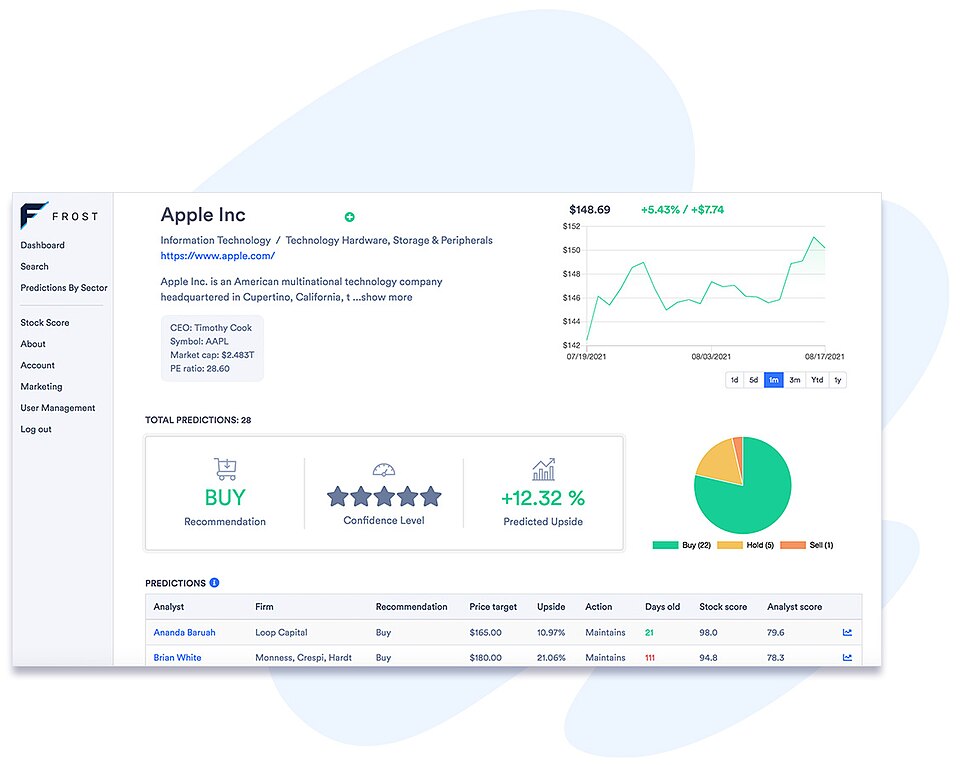
To minimize withdrawal costs, consider using platforms with zero withdrawal fees, timing withdrawals strategically, and using stablecoins like USDC for faster and cheaper transactions. Employing these strategies can significantly reduce your overall expenses and improve your profitability in the prediction markets.
Want to keep more of your hard-earned profits? Here are some actionable tips to minimize withdrawal costs in the prediction markets:
- Choose platforms with zero withdrawal fees: As mentioned earlier, platforms like Polymarket US offer fee-free withdrawals.
- Time your withdrawals strategically: Be mindful of network congestion and gas fees, especially when withdrawing Ethereum-based tokens. Withdrawing during off-peak hours can save you money.
- Use stablecoins like USDC: Stablecoins offer greater regulatory clarity and often have lower, more stable fees than other cryptocurrencies (defirate.com).
- Consolidate withdrawals: Instead of making multiple small withdrawals, consolidate your funds into a single, larger transaction to minimize fees.
- Be aware of minimum withdrawal amounts: Some platforms have minimum withdrawal requirements. Make sure you meet these requirements to avoid unnecessary fees.
By implementing these simple strategies, you can significantly reduce your withdrawal costs and boost your overall profitability. Also, consider exploring how to scalp prediction markets, as these strategies often require minimizing transaction costs to be effective.
Regulatory Pressure: How Events Like the 2026 World Cup Impact Fees
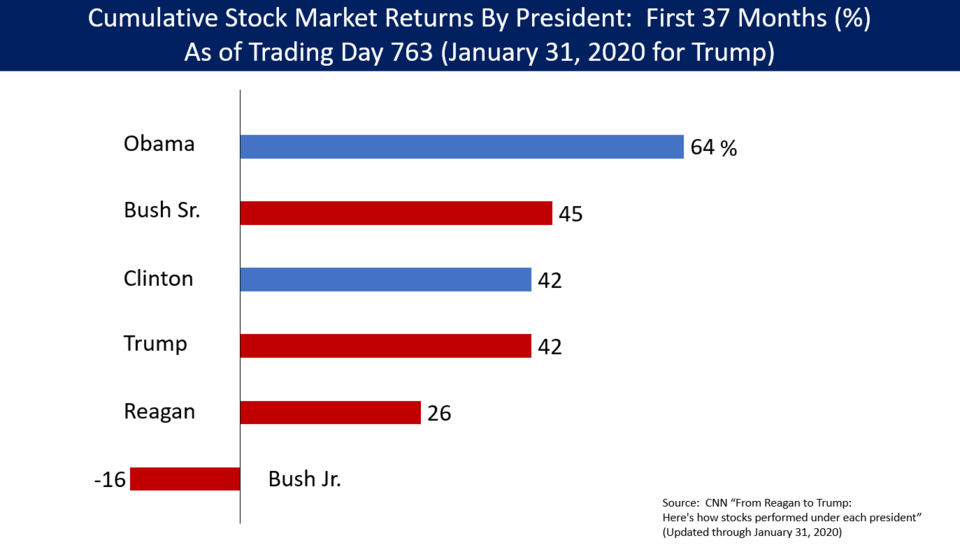
Major events like the 2026 World Cup increase regulatory scrutiny, leading to higher compliance costs for prediction market platforms, which may translate to increased fees for users. Understanding this connection can help traders anticipate fee changes and adjust their strategies accordingly.
The world of prediction markets operates under increasing regulatory pressure, particularly during major global events. The upcoming 2026 World Cup, for example, is expected to bring heightened scrutiny from regulatory bodies. But how does this impact you, the trader?
Increased regulatory scrutiny often translates to higher compliance costs for prediction market platforms. These costs can include enhanced KYC (Know Your Customer) procedures, stricter AML (Anti-Money Laundering) protocols, and increased monitoring of transactions. To offset these expenses, platforms may pass them on to users in the form of higher fees. This can manifest as increased withdrawal fees, higher transaction fees, or even new fees altogether.
While the specifics are still unfolding, it’s crucial to be aware of this potential impact. Keep an eye on announcements from your chosen platforms regarding fee changes, and be prepared to adjust your trading strategy accordingly. The CFTC (Commodity Futures Trading Commission) provides data on the non-speculative uses of prediction markets, highlighting the growing interest from institutional investors. Also, remember to explore prediction market correlation with polls and other factors, as these can influence market volatility and, indirectly, fees.