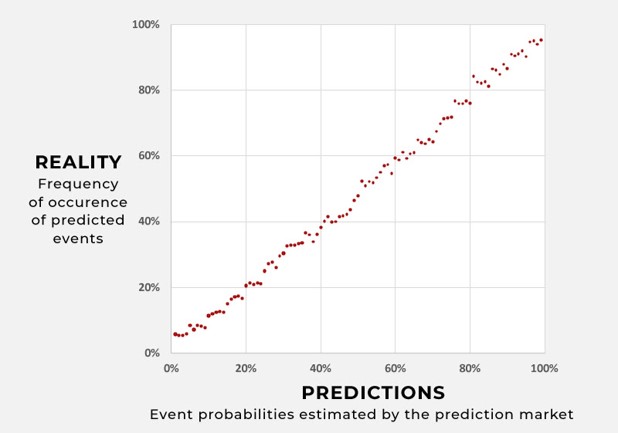
Prediction markets achieve 94% accuracy on major events, but only when traders verify data sources properly. In 2026, the explosion of decentralized platforms, real-time APIs, and alternative data streams has created both unprecedented opportunities and significant verification challenges. This comprehensive guide explores every reliable data source available to prediction market traders, from official government statistics to blockchain analytics, and provides the exact verification methods needed to ensure data integrity for informed trading decisions.
Primary Government Data Sources for Prediction Markets
Official government data remains the gold standard for prediction market resolution, particularly for economic and policy-related events. These sources provide the authoritative benchmarks that platforms use to settle contracts, making their timeliness and accuracy critical for traders.
Bureau of Labor Statistics (BLS) Economic Indicators
- Official unemployment rate data with 94% one-month prediction accuracy
- Reports published within 2-3 weeks of month-end, creating timing arbitrage opportunities
- Multiple data series including CPI, PPI, and employment cost indices
- API access through FRED (Federal Reserve Economic Data) for automated integration
The BLS data structure creates predictable trading patterns. When prediction markets update in real-time but official BLS reports take 2-3 weeks, sophisticated traders can position ahead of data releases. The 94% accuracy rate for one-month unemployment predictions makes BLS data particularly valuable for short-term trading strategies, as explored in unemployment rate betting 2026 analysis.
Federal Reserve Monetary Policy Data
- Federal Open Market Committee (FOMC) meeting minutes and projections
- Real-time interest rate decisions with immediate market impact
- Economic projections database updated quarterly
- Speech transcripts and testimony providing forward guidance
Federal Reserve data offers the highest market impact among government sources. FOMC decisions create immediate volatility across prediction markets, particularly for inflation and economic growth contracts. The Fed’s forward guidance through speeches and testimony provides additional trading signals that often precede official policy changes.
Census Bureau Economic and Demographic Data
- Monthly retail sales and manufacturing indicators
- Quarterly economic census data for long-term trend analysis
- Demographic projections affecting political and social prediction markets
- International trade data for global event markets
Census Bureau data provides the long-term structural context that government economic data lacks. Retail sales figures and manufacturing indicators help traders understand underlying economic trends that influence prediction market outcomes over extended timeframes.
Prediction Market Platform APIs and Real-Time Data Access
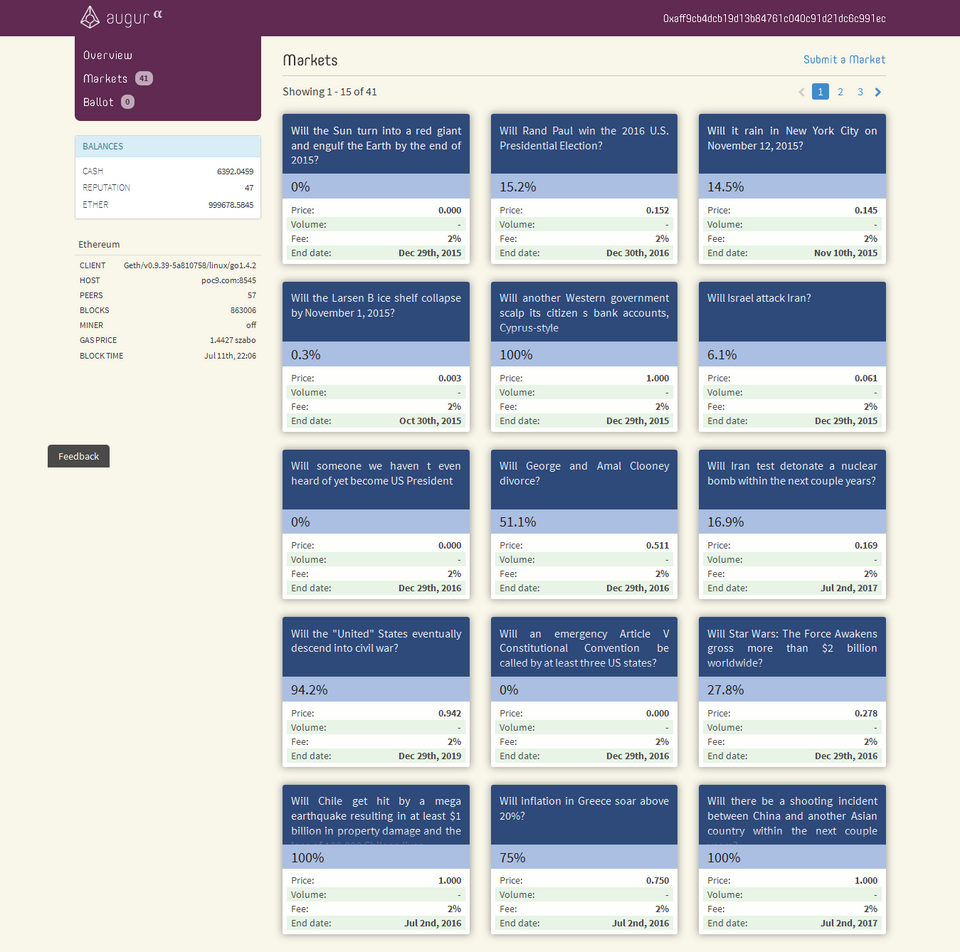
Direct API access to prediction market platforms provides the fastest data streams for active traders. Each platform offers different technical capabilities, rate limits, and data structures that traders must understand for optimal integration.
Polymarket API Integration
- REST endpoints for market data, user portfolios, and transaction history
- WebSocket streams for real-time price updates and order book changes
- Official Python and TypeScript SDKs with comprehensive documentation
- Rate limits of 60 requests per minute for authenticated users
Polymarket’s WebSocket implementation provides sub-second latency for price updates, making it ideal for high-frequency trading strategies. The platform’s TypeScript SDK includes type safety and automatic rate limiting, while the Python SDK offers Jupyter notebook integration for research purposes, similar to how traders analyze Apple product launch betting odds.
Kalshi API Architecture
- REST API providing order books, portfolio data, and market statistics
- Real-time market data through SSE (Server-Sent Events) streams
- CFTC-regulated data with guaranteed settlement integrity
- Comprehensive API documentation with quickstart guides
Kalshi’s CFTC regulation provides unique data verification advantages. As the only federally regulated prediction market in the US, Kalshi’s data streams include regulatory compliance metadata that helps traders verify market integrity. The SSE implementation offers reliable real-time updates with automatic reconnection handling.
Custom Multi-Platform Integration Strategies
- Third-party aggregation tools like “Prediction Market API” combining multiple platforms
- Custom Python scripts for cross-platform data normalization
- Database solutions for historical data storage and analysis
- Automated arbitrage detection systems comparing odds across platforms
Advanced traders typically build custom integration layers that normalize data across platforms. These systems handle API authentication, rate limiting, and data format differences, creating unified data streams that enable sophisticated cross-platform strategies, including those involving conditional tokens explained for complex event correlations.
News Feed Sources and Alternative Data Streams
Beyond official data and platform APIs, alternative data sources provide the contextual intelligence that transforms raw data into actionable trading insights. These sources capture market sentiment, breaking news, and emerging trends before they appear in traditional data feeds.
Professional Financial Media Integration
- Bloomberg Terminal real-time news and analytics with prediction market-specific feeds
- Reuters financial news providing global market coverage and event analysis
- Financial Times in-depth market coverage with predictive analytics
- CNBC and Fox Business real-time market commentary and expert analysis
Professional financial media provides the narrative context that pure data feeds lack. Bloomberg’s prediction market-specific feeds include expert commentary on event probabilities, while Reuters’ global coverage captures international events that impact prediction markets. The integration of these feeds with trading platforms enables automated news-based trading strategies.
Social Media Sentiment Analysis
- Twitter/X advanced search and API for real-time sentiment tracking
- Reddit prediction market communities (r/PredictionMarkets) for crowd wisdom
- Discord prediction market servers for real-time trader discussions
- Telegram groups focused on specific prediction market niches
Social media analysis has become essential for prediction market trading. Twitter’s real-time nature makes it ideal for tracking breaking news that affects event probabilities, while Reddit communities provide collective intelligence on complex prediction markets. Advanced traders use NLP models to quantify sentiment from these sources and incorporate it into their trading algorithms, similar to the methodologies used in Metaculus review 2026 forecasting tournaments.
Blockchain Analytics for Decentralized Markets
- On-chain transaction analysis for large position tracking
- Smart contract interaction monitoring for market manipulation detection
- Gas fee analysis for trading volume and liquidity assessment
- Cross-chain bridge monitoring for arbitrage opportunities
Blockchain analytics provides transparency that traditional markets cannot match. On-chain data reveals large position movements and potential market manipulation attempts, while smart contract monitoring ensures platform integrity. Gas fee analysis helps traders understand liquidity conditions and optimal trading times.
Data Verification Tools and Integrity Methods
Verification tools have become essential as prediction markets face increasing scrutiny for manipulation and data integrity issues. These tools provide the technical infrastructure needed to ensure data authenticity and market fairness.
Professional Surveillance Systems
- Solidus Labs insider trading detection and market manipulation surveillance
- Eventus Validus comprehensive surveillance with automated alert workflows
- Chainalysis blockchain forensics for cryptocurrency prediction markets
- OSSEC open-source file integrity monitoring for platform security
Professional surveillance systems provide institutional-grade verification capabilities. Solidus Labs uses machine learning to detect unusual trading patterns that may indicate manipulation, while Eventus Validus offers cross-market analysis to identify coordinated manipulation attempts. These tools have become standard for serious prediction market traders.
Decentralized Verification Methods
- Chainlink oracles for smart contract-based market verification
- Multi-sig wallet requirements for critical platform operations
- Community governance proposals for data source selection
- Transparent audit trails for all market operations
Decentralized verification methods leverage blockchain technology to create trustless verification systems. Chainlink oracles provide decentralized data feeds that are resistant to single points of failure, while multi-sig requirements ensure that no single entity can manipulate market outcomes. These methods are particularly important for decentralized prediction markets.
Data Quality Metrics and Validation
- Accuracy rate tracking across different data sources and time periods
- Lag time analysis between data source updates and market reactions
- Consistency checks across multiple independent data sources
- Historical performance analysis for predictive accuracy
Quantitative data quality metrics help traders evaluate the reliability of different data sources. Accuracy rate tracking reveals which sources consistently provide correct information, while lag time analysis identifies potential trading opportunities based on data delays. Consistency checks across sources help identify potential data manipulation or errors.
Cross-Platform Data Comparison and Arbitrage Detection
Cross-platform data comparison reveals arbitrage opportunities and potential data integrity issues. Understanding the systematic differences between platforms helps traders optimize their data verification workflows.
Timing Discrepancy Analysis
- Official BLS data takes 2-3 weeks vs. real-time prediction market updates
- Platform-specific settlement delays affecting arbitrage opportunities
- Time zone differences creating temporary price discrepancies
- Weekend and holiday timing effects on data availability
Timing discrepancies create some of the most profitable arbitrage opportunities in prediction markets. When official data sources update on predictable schedules while prediction markets adjust in real-time, traders can position ahead of data releases. Understanding these timing patterns is essential for successful cross-platform trading.
Liquidity and Price Discovery Comparison
- Liquidity depth analysis across different prediction market platforms
- Price discovery speed comparison between regulated and decentralized markets
- Volume-weighted average price (VWAP) calculations across platforms
- Order book depth analysis for large position execution
Liquidity differences between platforms create systematic price discrepancies that traders can exploit. Regulated platforms like Kalshi typically offer higher liquidity for certain markets, while decentralized platforms like Polymarket provide better liquidity for niche events. Understanding these patterns helps traders optimize their execution strategies.
Custom Arbitrage Detection Systems
- Python scripts comparing odds across multiple platforms in real-time
- Database solutions storing historical price data for pattern analysis
- Machine learning models predicting arbitrage opportunities
- Automated trading bots executing cross-platform arbitrage
Custom arbitrage detection systems have become essential for serious prediction market traders. These systems continuously monitor multiple platforms, identify price discrepancies, and execute trades automatically when profitable opportunities arise. The most sophisticated systems incorporate machine learning to predict arbitrage opportunities before they become obvious to other traders.
Emerging Alternative Data Sources for 2026
New data sources are emerging that could revolutionize prediction market trading. These alternative data streams provide unique insights that traditional data sources cannot capture, including emerging markets like World Cup 2026 logistics betting which combines multiple data verification challenges.
Advanced Social Media Analytics
- Advanced NLP models analyzing prediction market discussions
- Real-time sentiment tracking across multiple social platforms
- Influencer impact analysis on prediction market outcomes
- Community sentiment aggregation for collective intelligence
Advanced social media analytics goes beyond simple sentiment analysis to understand complex market dynamics. NLP models can identify emerging trends in prediction market discussions, while influencer impact analysis reveals which voices have the most impact on market outcomes. These insights provide early warning signals for market movements.
Alternative Data Integration
- Satellite imagery for event prediction and verification
- Credit card transaction data for economic indicator forecasting
- Mobile device location data for crowd behavior analysis
- Internet of Things (IoT) sensor data for real-time event monitoring
Alternative data sources provide unique insights that traditional data cannot capture. Satellite imagery can verify event outcomes in remote locations, while credit card transaction data provides real-time economic indicators. These data sources are becoming increasingly important for prediction market traders seeking unique edges, such as those analyzing space exploration betting odds for emerging frontier markets.
AI-Powered Prediction Models
- Machine learning algorithms generating independent forecasts
- Ensemble models combining multiple data sources and prediction methods
- Real-time model updating based on new data and market movements
- Explainable AI providing transparent prediction reasoning
AI-powered prediction models offer independent verification of market predictions. These models can identify patterns that human traders miss and provide objective analysis of event probabilities. The most sophisticated models combine multiple data sources and prediction methods to generate robust forecasts, including those used for Nobel Peace Prize betting 2026 where historical patterns and expert analysis converge.
Practical Verification Workflow for Traders
Implementing a systematic verification workflow ensures consistent data quality and reduces the risk of trading on incorrect information. This workflow provides a step-by-step approach to data verification for prediction market traders.
Step-by-Step Verification Process
- Step 1: Identify primary data source based on event type and resolution timeline
- Step 2: Cross-reference with at least two independent data sources
- Step 3: Apply verification tools (Solidus Labs, Chainlink) for integrity checking
- Step 4: Document timing discrepancies and adjust trading strategy accordingly
- Step 5: Monitor for arbitrage opportunities across platforms using custom scripts
This systematic approach ensures comprehensive data verification. By following these steps consistently, traders can minimize the risk of trading on incorrect information while maximizing their ability to identify profitable opportunities.
Tool Integration and Automation
- API integration for automated data collection from multiple sources
- Database solutions for historical data storage and analysis
- Alert systems for data discrepancies and arbitrage opportunities
- Reporting dashboards for monitoring data quality metrics
Tool integration and automation are essential for efficient verification workflows. Automated data collection ensures consistent data quality, while alert systems help traders respond quickly to data discrepancies. Reporting dashboards provide ongoing monitoring of data quality metrics.
Common Data Verification Pitfalls and How to Avoid Them
Understanding common verification pitfalls helps traders avoid costly mistakes. These pitfalls represent the most frequent errors made by prediction market traders when verifying data sources.
Relying Solely on Platform-Provided Data
- Platform data may be delayed or manipulated
- Official sources provide the authoritative resolution for contracts
- Cross-platform comparison reveals potential data issues
- Independent verification tools provide additional security
Relying solely on platform-provided data is one of the most common and costly mistakes traders make. Platforms may have legitimate reasons for data delays, but they may also manipulate data to benefit their interests. Independent verification through official sources and third-party tools is essential.
Ignoring Timing Discrepancies
- Official data sources update on predictable schedules
- Prediction markets adjust in real-time based on new information
- Timing arbitrage opportunities exist between data sources
- Understanding timing patterns is essential for successful trading
Ignoring timing discrepancies between data sources can lead to missed opportunities and trading errors. Understanding when different data sources update and how prediction markets react to new information is crucial for successful trading strategies.
Overlooking Liquidity Constraints
- Smaller prediction markets may have insufficient liquidity
- Liquidity constraints can lead to price manipulation
- Platform-specific liquidity patterns affect trading strategies
- Volume analysis helps identify potential liquidity issues
Overlooking liquidity constraints can lead to significant trading losses. Small prediction markets may be easily manipulated, while platform-specific liquidity patterns can affect the execution of trading strategies. Volume analysis and liquidity monitoring are essential for successful prediction market trading.
Failing to Account for Platform-Specific Biases
- Different platforms may have different user demographics
- Platform-specific features can influence trading behavior
- Regulatory requirements may affect market structure and pricing
- Understanding platform biases helps optimize trading strategies
Failing to account for platform-specific biases can lead to systematic trading errors. Different platforms attract different types of traders, and platform-specific features can influence trading behavior. Understanding these biases helps traders optimize their strategies for each platform.
Resources and Further Reading
For traders seeking to deepen their understanding of prediction market data sources and verification methods, the following resources provide valuable additional information and practical guidance.
Platform Documentation and APIs
- Polymarket API Documentation – Comprehensive developer guides and API references
- Kalshi API Documentation – CFTC-regulated platform API guides
- FRED Economic Data – Federal Reserve Economic Data API
- BLS API Documentation – Bureau of Labor Statistics data APIs
Verification Tools and Services
- Solidus Labs – Professional trade surveillance and manipulation detection
- Eventus Validus – Comprehensive market surveillance platform
- Chainlink – Decentralized oracle networks for smart contract verification
- OSSEC – Open-source file integrity monitoring
Academic Research and Analysis
- Prediction Market Education – Academic resources and research papers
- National Bureau of Economic Research – Economic research including prediction markets
- JSTOR – Academic journal database with prediction market research
- arXiv – Preprint server with machine learning and prediction market papers
Community and Discussion Forums
- r/PredictionMarkets – Active Reddit community for prediction market discussion
- Prediction Markets Discord – Real-time trader discussions and strategy sharing
- Prediction Markets Telegram – Telegram group for market updates and analysis
- Prediction Market Twitter – Twitter community for market news and analysis