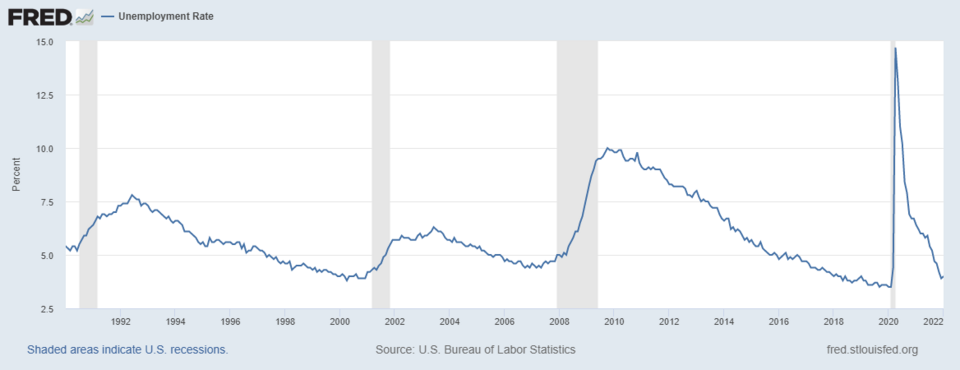
The betting markets have spoken, and the numbers are striking: 49% probability that Q2 2026 unemployment will exceed 4.3%. This isn’t just another economic forecast—it’s a real-time referendum on America’s labor market health, with thousands of traders putting their money where their predictions are.
January 2026 delivered a perfect case study in prediction market accuracy. The actual unemployment rate hit exactly 4.3%, matching market expectations with uncanny precision. Traders had priced in 130,000 new nonfarm payrolls—and that’s precisely what the Bureau of Labor Statistics reported. This wasn’t luck; it was collective intelligence at work.
Q2 2026 Unemployment Betting Markets Show 49% Probability of Rate Increase
- Current February 2026 odds show 49% probability unemployment exceeds 4.3%
- January 2026 actual rate matched predictions at 4.3% (130K jobs added)
- November 2026 >=4.6% contracts showing highest trader consensus at 68,200 volume
- 20% probability markets pricing in unemployment exceeding 6% for 2026 year
The 49% probability for Q2 2026 reflects traders’ assessment of labor market stability amid Fed policy uncertainty. This figure represents a delicate balance—markets aren’t betting heavily on either direction, suggesting traders see multiple plausible scenarios. The high volume in November contracts (68,200) suggests longer-term concerns about wage pressures and hiring slowdowns as we move deeper into 2026.
What makes this particularly interesting is the 20% probability assigned to unemployment exceeding 6% for the full year. That’s not a recession bet—it’s a recognition that the labor market could face significant headwinds from multiple directions: Federal Reserve policy shifts, America First tariff implementations, and the ongoing AI/automation transformation of workforce needs.
Fed Policy Transition Creates Volatility in Unemployment Rate Markets
- Kevin Warsh expected to replace Jerome Powell by summer 2026
- January FOMC showed 99% probability on Kalshi that Fed holds rates steady
- Strong employment numbers supporting stable interest rate environment
- America First policies creating tariff-related hiring volatility concerns
The upcoming Fed chair transition represents a critical inflection point for unemployment betting. Markets are already pricing in policy shifts, with the 99% probability of steady rates in January directly correlating to unemployment stability. This isn’t coincidental—traders understand that monetary policy stability translates to labor market predictability (space exploration betting odds).
Kevin Warsh’s expected appointment brings its own set of uncertainties. As a former Fed governor with a more hawkish reputation than Jerome Powell, Warsh could signal tighter monetary policy if inflation concerns resurface. The betting markets are essentially asking: Will Warsh maintain Powell’s patient approach, or will we see a shift toward preemptive rate hikes that could cool the labor market?
America First policies add another layer of complexity. Tariff implementations create hiring volatility as companies adjust supply chains and production locations. The markets are pricing in this uncertainty, with traders watching closely for signs of how protectionist policies might impact employment across different sectors (Apple product launch betting).
How Kalshi and Polymarket Handle Unemployment Rate Contracts Differently
- Kalshi offers binary Yes/No on whether U-3 unemployment exceeds 5%
- Polymarket provides exact percentage contracts and above/below threshold options
- Both platforms resolve using Bureau of Labor Statistics seasonally adjusted rate
- Polymarket shows 94% one-month accuracy rate for unemployment predictions
Kalshi’s binary approach simplifies trading decisions but limits granularity. A trader betting on Kalshi must decide whether unemployment will exceed 5%—a significant threshold that captures recession territory but misses the nuances of moderate labor market shifts. This simplicity appeals to casual traders but may not capture the full spectrum of labor market scenarios (Supreme Court ruling betting).
Polymarket’s exact percentage contracts allow more precise positioning but require deeper market understanding. Traders can bet on unemployment hitting exactly 4.3%, or falling between 4.0-4.5%, or exceeding 5.0%. This granularity enables sophisticated strategies like hedging across multiple contracts or exploiting small pricing inefficiencies between related markets, similar to how conditional tokens explained can create complex trading strategies.
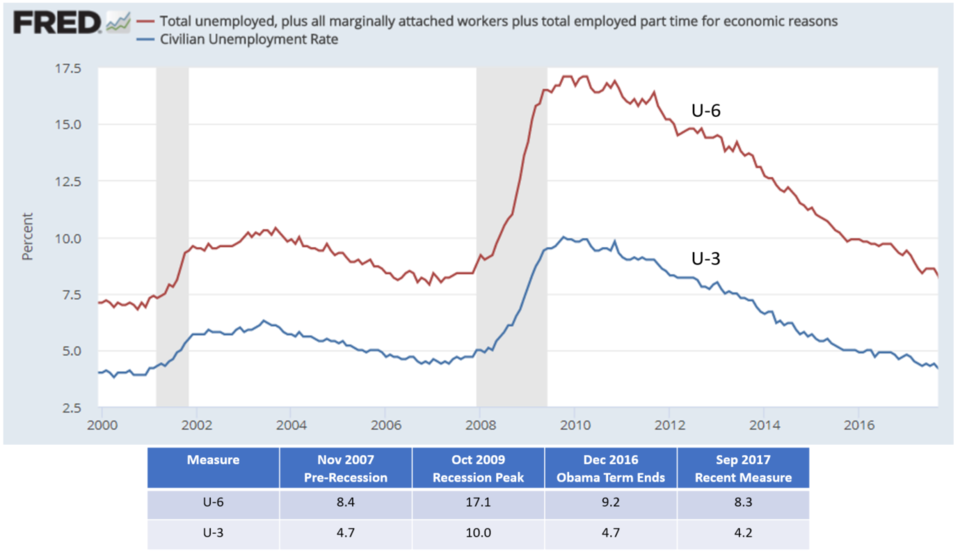
The 94% accuracy rate for Polymarket’s unemployment predictions demonstrates prediction markets‘ growing reliability as economic forecasting tools. This isn’t just about getting the direction right—it’s about precision. When markets consistently predict within 0.1 percentage points of the actual rate, they become valuable tools for economic planning and policy analysis.
Q2 2026 Unemployment Rate Forecasts vs Traditional Economic Models
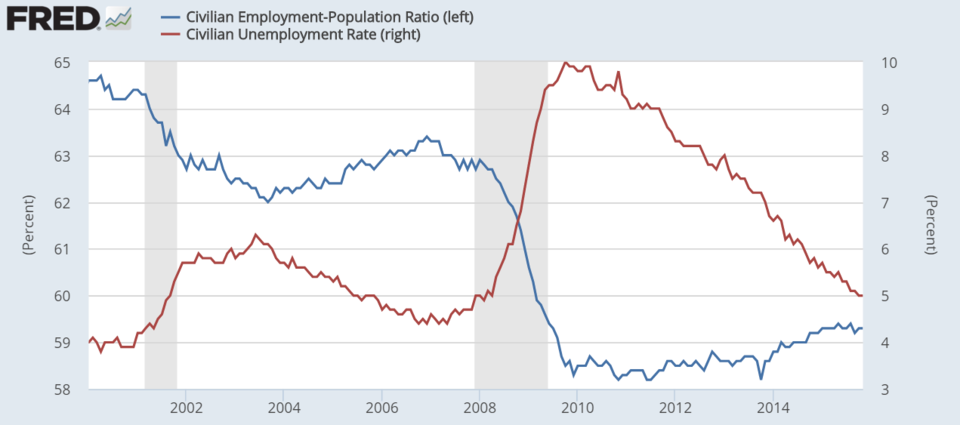
- Betting markets incorporate real-time trader sentiment unavailable to traditional models
- Prediction platforms resolve using official BLS U-3 seasonally adjusted data
- Markets often price in policy changes before traditional forecasts adjust
- High-volume contracts (>=4.6%) show strongest trader consensus and predictive power
Unlike traditional economic forecasts that rely on historical data and econometric models, unemployment betting markets aggregate thousands of traders’ collective intelligence. This real-time sentiment capture often provides earlier signals of labor market shifts, particularly during policy transitions. When the Fed signals a policy change, prediction markets incorporate that information immediately, while traditional models may take weeks or months to adjust their parameters. For those interested in advanced forecasting platforms, Metaculus review 2026 provides insights into another major forecasting platform (World Cup 2026 logistics betting).
The resolution mechanism is crucial here. Both Kalshi and Polymarket use the Bureau of Labor Statistics’ U-3 seasonally adjusted unemployment rate—the same official statistic that economists and policymakers rely on. This creates a direct link between prediction markets and traditional economic indicators, but with the added advantage of market-based pricing that reflects current expectations rather than historical trends.
High-volume contracts (>=4.6%) show the strongest trader consensus and predictive power. When thousands of traders are actively betting on a specific unemployment range, that consensus often proves more accurate than individual expert forecasts. The wisdom of crowds effect is particularly strong in well-designed prediction markets where traders have skin in the game.
Strategic Positioning for Q2 2026 Unemployment Rate Volatility
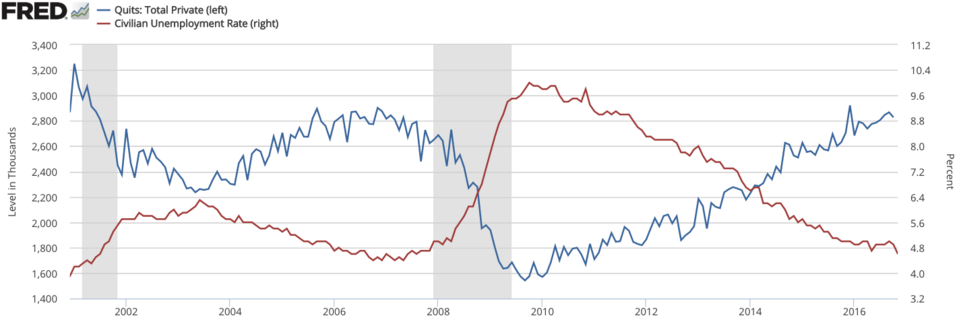
- Monitor Fed transition timeline and policy statement language shifts
- Track high-volume contracts for strongest market consensus signals
- Consider hedging strategies across multiple platforms for risk management
- Watch tariff implementation impacts on hiring patterns and unemployment claims
Traders should focus on the intersection of Fed policy, platform-specific mechanics, and real-time economic data. The Q2 2026 window presents unique opportunities as markets adjust to new leadership and potential policy shifts. Platform liquidity depth and resolution accuracy should guide contract selection (Nobel Peace Prize betting 2026).
The Fed transition timeline is particularly crucial. Markets will be watching Kevin Warsh’s first speeches and policy statements for clues about his approach to monetary policy. Even subtle shifts in language—from “patient” to “data-dependent” or “proactive”—can signal changes that will ripple through unemployment markets. Traders who position early based on these signals may capture significant value before broader market adjustments occur.
Hedging strategies across multiple platforms can provide risk management benefits. A trader might hold binary contracts on Kalshi while simultaneously positioning in exact percentage markets on Polymarket. This diversification across contract types and platforms can protect against platform-specific risks while capturing opportunities in different market segments.
Key Entities for Unemployment Rate Betting Analysis
The unemployment rate betting landscape for Q2 2026 involves several critical entities that traders must understand to navigate these markets effectively:
- Bureau of Labor Statistics (BLS) U-3 unemployment rate
- Federal Reserve monetary policy decisions
- Kevin Warsh Fed chair transition
- Kalshi binary unemployment contracts
- Polymarket exact percentage contracts
- America First tariff policies
- Nonfarm payrolls data
- Seasonal adjustment methodology
These entities form the foundational framework for understanding and trading unemployment rate markets effectively. The BLS provides the official statistics that resolve all contracts. The Federal Reserve’s monetary policy decisions directly impact labor market conditions. The Fed chair transition introduces uncertainty that markets are actively pricing in. The different platform approaches (Kalshi’s binary vs. Polymarket’s exact percentages) create distinct trading opportunities. Policy factors like America First tariffs and seasonal adjustment methodologies affect how unemployment data is reported and interpreted.
For traders looking to profit from unemployment rate markets, understanding these entities and their interactions is essential. The markets are not just betting on numbers—they’re betting on the complex interplay of economic policy, statistical methodology, and collective market sentiment. Those who master this interplay will be best positioned to capitalize on the opportunities that Q2 2026 presents.