
Is the Kelly Criterion the Holy Grail for Prediction Market Betting?

The Kelly Criterion is often touted as the ultimate solution for optimizing bet sizes and maximizing long-term growth. However, its allure can be deceptive. While the formula offers a mathematical approach to betting, misapplication, particularly overestimating one’s edge, can lead to rapid and devastating losses. Are you ready to bet smart? Let’s find out!
The Kelly Criterion is a formula for maximizing long-term growth by optimizing bet sizes, but it can lead to ruin if misapplied. The significant risk lies in overestimating one’s edge, leading to aggressive betting and potential bankruptcy. So, while it offers a tempting path to success, careful consideration is paramount.
The Kelly Criterion Formula Demystified: A Trader’s Cheat Sheet

At its core, the Kelly Criterion provides a framework for calculating the optimal fraction of your capital to invest in a given opportunity. The formula itself might seem intimidating at first glance, but breaking it down reveals its underlying logic. Let’s dissect this “trader’s cheat sheet”.
The Kelly Criterion calculates the optimal fraction of capital to invest using the formula: f* = (bp – q) / b. Understanding each variable is crucial for proper application.
| Variable | Definition |
|---|---|
| p | Probability of winning |
| q | Probability of losing (1-p) |
| b | Net odds received (amount won per dollar bet) |
Where “p” represents your estimated probability of winning, “q” is the probability of losing (simply 1 minus “p”), and “b” represents the net odds you’ll receive on your bet. For example, if you bet $1 and stand to win $2, your net odds are 2. This formula simplifies for binary prediction markets (Yes/No contracts), making it easier to calculate your optimal bet size (prediction market whale activity tracking).
Full vs. Half Kelly: Balancing Returns and Risk in 2026

While the full Kelly Criterion aims for maximum growth, it can also lead to significant volatility. This is where the “half-Kelly” strategy comes into play. By betting only half the amount suggested by the full Kelly formula, traders can significantly reduce their risk while still capturing a substantial portion of the potential returns. Are you a risk-averse trader? This might be your sweet spot!
Half-Kelly captures nearly 71% of optimal returns with only 38% of the risk, making it a more conservative and practical approach. This reduction in risk can be particularly appealing in the often-volatile world of prediction markets.
| Strategy | % of Optimal Returns | % of Risk |
|---|---|---|
| Full Kelly | 100% | 100% |
| Half Kelly | 71% | 38% |
The concept of “half-Kelly” offers a compelling compromise, reducing volatility and mitigating errors in probability estimation. This makes it a more practical approach for most traders. The trade-off between returns and volatility is significant. While you sacrifice some potential gains, you drastically reduce your exposure to large swings in your bankroll.
Kelly Criterion in Action: 2026 Prediction Market Examples
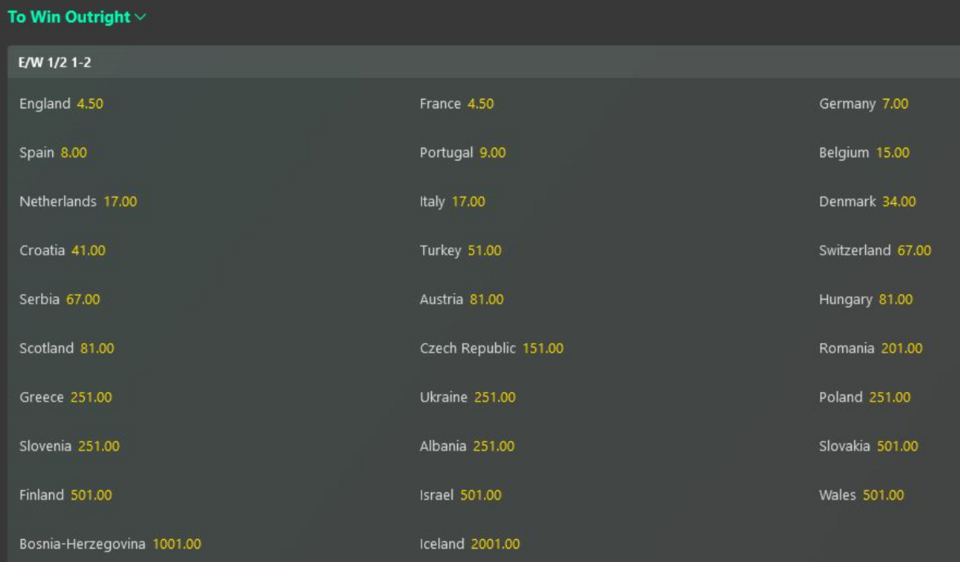
To truly understand the power of the Kelly Criterion, let’s examine some real-world examples from 2026 prediction markets. We’ll explore how to apply the formula to both sports events and political outcomes, providing you with concrete steps to optimize your bet sizing. Ready to see the theory in practice? (how to scalp prediction markets).
The Kelly Criterion can be applied to calculate optimal bet sizes on sports events (e.g., NBA All-Star MVP) and political outcomes (e.g., midterm election results). By plugging in your estimated probabilities and the available odds, you can determine the ideal amount to wager.
Example 1: NBA All-Star MVP on Polymarket
Let’s say you’re analyzing the 2026 NBA All-Star MVP market on prediction market mobile app reviews like Polymarket. You believe LeBron James has a 40% (p = 0.4) chance of winning, while the market odds imply a 30% (q = 0.7) probability. The odds on LeBron are 3.0 (b = 2.0, since odds are expressed as “to 1”).
Using the Kelly Criterion formula: f* = (bp – q) / b = (2.0 * 0.4 – 0.6) / 2.0 = 0.1. This suggests you should bet 10% of your bankroll on LeBron James winning MVP. Remember to check out our complete 2026 guide on how to withdraw from Polymarket to secure profits!
Example 2: Midterm Election Results on Kalshi
Consider a 2026 political event on Kalshi, focusing on whether the Republican party will win a majority in the Senate. You estimate a 60% (p = 0.6) probability of this outcome. Kalshi offers contracts that pay $1 if the Republicans win and $0 if they don’t. The current price of a “Yes” contract is $0.50, implying a 50% (q = 0.5) market probability. In this case, b = ($1 – $0.50) / $0.50 = 1.
Consider a 2026 political event on Kalshi, focusing on whether the Republican party will win a majority in the Senate. You estimate a 60% (p = 0.6) probability of this outcome. Kalshi offers contracts that pay $1 if the Republicans win and $0 if they don’t. The current price of a “Yes” contract is $0.50, implying a 50% (q = 0.5) market probability. In this case, b = ($1 – $0.50) / $0.50 = 1. Don’t forget to analyze prediction market price movements analysis for an edge, and consider using prediction market sentiment indicators to inform your trading.
The Independence Assumption: A Fatal Flaw in Correlated Prediction Markets?

One of the key assumptions underlying the Kelly Criterion is that each bet is independent of the others. However, this assumption often breaks down in real-world prediction markets, especially those dealing with correlated events. What happens when your bets aren’t truly independent? Let’s dive in.
The Kelly Criterion assumes independent events, which is often untrue in correlated markets like politics, where related events can influence each other. This can lead to over-betting and increased risk.
For example, consider betting on multiple races within the same election. The outcomes of these races are likely to be correlated, as factors like voter turnout and overall political sentiment can influence all of them. Ignoring this correlation and applying the Kelly Criterion as if each race were independent could lead to an overly aggressive betting strategy.
To adjust for this limitation, consider the correlation between events and reduce bet sizes accordingly. One approach is to estimate the overall correlation factor and then divide the Kelly-recommended bet size by that factor. Another strategy is to simply reduce your overall allocation to correlated markets, opting for a more conservative approach. For insights, check out exploring prediction market correlation with polls in 2026.
So, is the Kelly Criterion the holy grail? Perhaps not. But it’s a powerful tool when used with caution and a healthy dose of skepticism. Remember to always factor in the potential for error in your probability estimates and to adjust your bet sizes accordingly. And hey, why not check out our platform reviews to find the best prediction markets for your strategy? Happy predicting!