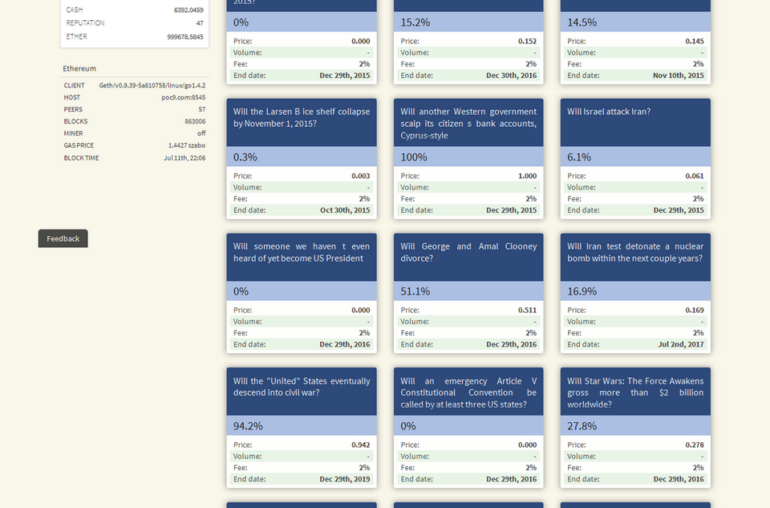
Prediction market apps offer three main order types: market orders for immediate execution, limit orders for price control, and stop orders for risk management. Understanding these order types is essential for effective trading on platforms like Kalshi and Polymarket. You can download prediction market apps for iOS and Android to access these trading features on mobile devices.
- Market orders execute immediately at current prices but may experience slippage during volatile periods
- Limit orders let you control exact entry/exit prices but don’t guarantee execution
- Stop orders protect against losses by triggering trades when prices reach predetermined levels
- Different platforms support varying order type combinations and execution speeds
Market Orders: Instant Execution for Prediction Trading
How Market Orders Work in Prediction Markets
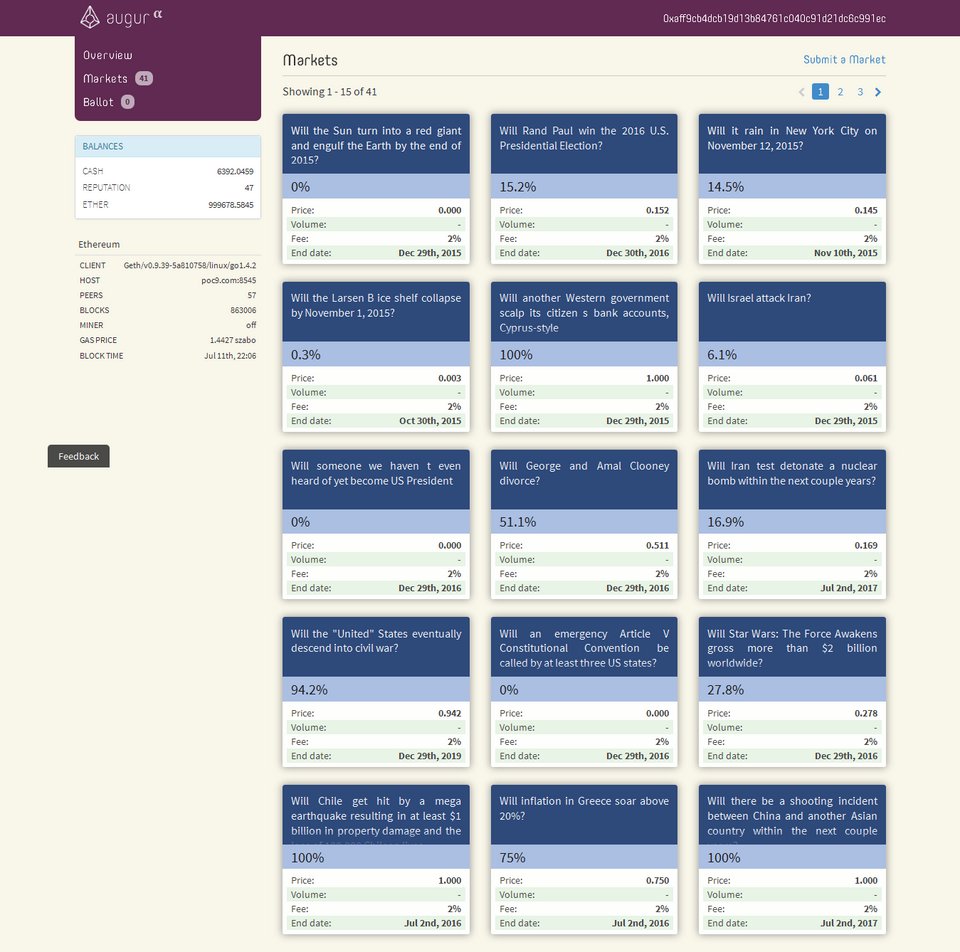
Market orders in prediction markets function by immediately executing trades at the best available price in the current order book. When you place a market order to buy or sell a prediction contract, the system matches your order with the most favorable available counterparty at that moment.
Key mechanics:
- Orders execute instantly without price specification
- System matches with best available price in the order book
- Execution speed typically under 1 second on major platforms
- Price slippage can occur during periods of high trading volume or market volatility
The speed advantage of market orders makes them particularly valuable in prediction markets where events are approaching their resolution time. Traders often use market orders when they need to quickly enter or exit positions before significant price movements occur.
When to Use Market Orders vs Limit Orders
Market orders are best suited for specific trading scenarios where speed outweighs price precision. Understanding when to use each order type can significantly impact your trading performance.
Ideal market order scenarios:
- Highly liquid markets with tight bid-ask spreads
- Time-sensitive trades near event resolution
- Breaking news situations requiring immediate action
- Markets with consistent trading volume throughout the day
Limit order advantages:
- Price certainty for entry and exit points
- Protection against unexpected price movements
- Ability to automate trading strategies
- Reduced transaction costs in volatile markets
Market orders typically cost less in terms of platform fees since they provide liquidity to the market, while limit orders that remove liquidity may incur slightly higher fees on some platforms.
Limit Orders: Price Control for Strategic Trading
Setting Limit Orders on Kalshi and Polymarket
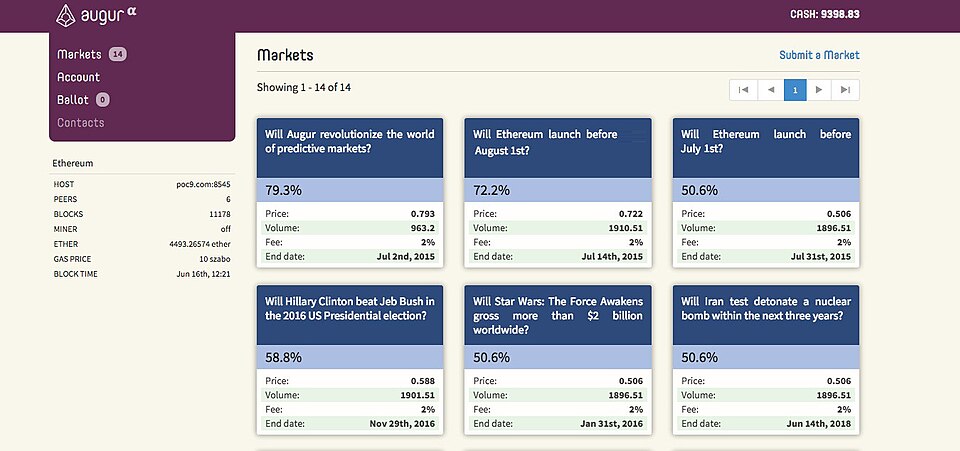
Limit orders function differently across prediction market platforms, with each offering unique features for price control and execution management. The prediction market app user interface design significantly impacts how easily traders can place and manage these orders across different platforms.
Kalshi limit order features:
- Intuitive price slider for easy order placement
- Real-time execution probability display
- Advanced order duration settings (day, GTC, IOC)
- Integration with regulatory compliance requirements
Polymarket limit order features:
- Cryptocurrency-based pricing system
- Gas fee optimization for Ethereum transactions
- Flexible order modification capabilities
- Integration with multiple wallet providers
Platform comparison:
| Feature | Kalshi | Polymarket |
|---|---|---|
| Order Duration | Day/GTC/IOC | Good Till Cancel |
| Price Format | USD | Cryptocurrency |
| Fee Structure | Commission-based | Gas fees + platform fee |
| Execution Speed | < 1 second | 2-5 seconds |
Advanced Limit Order Strategies
Limit orders offer sophisticated traders multiple strategic advantages beyond simple price targeting. These strategies can help optimize entry and exit points while managing risk exposure.
Limit orders offer sophisticated traders multiple strategic advantages beyond simple price targeting. These strategies can help optimize entry and exit points while managing risk exposure. Advanced traders often use charting tools available in prediction market apps to identify optimal price levels for their limit orders.
Combination strategies:
- Market-limit hybrids: Use market orders for initial entry, then limit orders for position management
- Conditional orders: Combine limit orders with stop triggers for automated risk management
- Time-based scaling: Set limit orders with different expiration times to capture various market scenarios
Risk management with limits:
- Set maximum position sizes using multiple limit orders
- Create price bands to avoid overexposure in volatile markets
- Use limit orders to implement dollar-cost averaging strategies
Stop Orders: Risk Management in Prediction Markets
Stop Loss Orders for Prediction Contracts
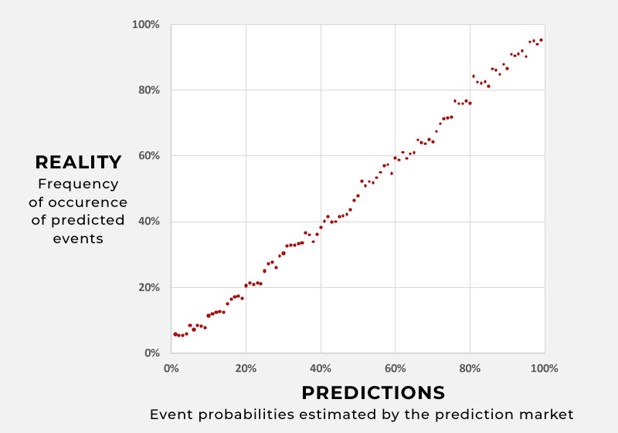
Stop loss orders are essential risk management tools in prediction markets, where binary outcomes can lead to complete capital loss on individual trades. These orders automatically trigger when market prices reach predetermined levels.
Stop order mechanics:
- Orders remain dormant until trigger price is reached
- Upon trigger, convert to market orders for immediate execution
- Protect against adverse price movements in volatile markets
- Available in both basic and advanced configurations
Risk management applications:
- Maximum loss protection: Set stop levels to limit potential losses to predetermined amounts
- Profit protection: Use trailing stops to lock in gains as markets move favorably
- Position sizing: Implement stop distances based on account risk tolerance
- Event risk management: Set tighter stops before major news events or market catalysts
Platform-specific features:
- Kalshi: Integrated stop orders with real-time risk analytics
- Polymarket: Smart contract-based stop orders with blockchain verification
- Robinhood Predictions: Simplified stop order interface for beginner traders
Trailing Stops vs Fixed Stops
Understanding the difference between trailing and fixed stop orders is crucial for effective risk management in prediction markets.
Trailing stops:
- Automatically adjust as market price moves in your favor
- Maintain a fixed distance from the highest achieved price
- Ideal for trending markets and momentum trading
- Protect profits while allowing for continued upside potential
Fixed stops:
- Maintain a constant price level regardless of market movement
- Provide consistent risk management across all market conditions
- Better suited for range-bound markets and mean-reversion strategies
- Easier to calculate and implement for beginners
Comparison table:
| Feature | Trailing Stops | Fixed Stops |
|---|---|---|
| Price Adjustment | Automatic | Manual |
| Best Market | Trending | Range-bound |
| Profit Protection | Dynamic | Static |
| Complexity | Higher | Lower |
| Execution Speed | Same | Same |
The most surprising finding is that prediction markets often have faster order execution than traditional financial markets due to their binary nature. Start by practicing with small positions to master order types before scaling up your trading strategy.
Internal Links: