
U.S. cattle inventories at 75-year lows and record-high prices above $240/cwt have created unprecedented volatility in agricultural markets. Prediction markets now offer traders and producers a powerful alternative to traditional futures contracts, aggregating real-time sentiment to forecast USDA reports and spot supply chain disruptions 30-45 days before official data. This convergence of crowd wisdom and machine learning models is transforming how the cattle industry manages price risk.
Prediction Markets vs Traditional Futures — The Information Advantage
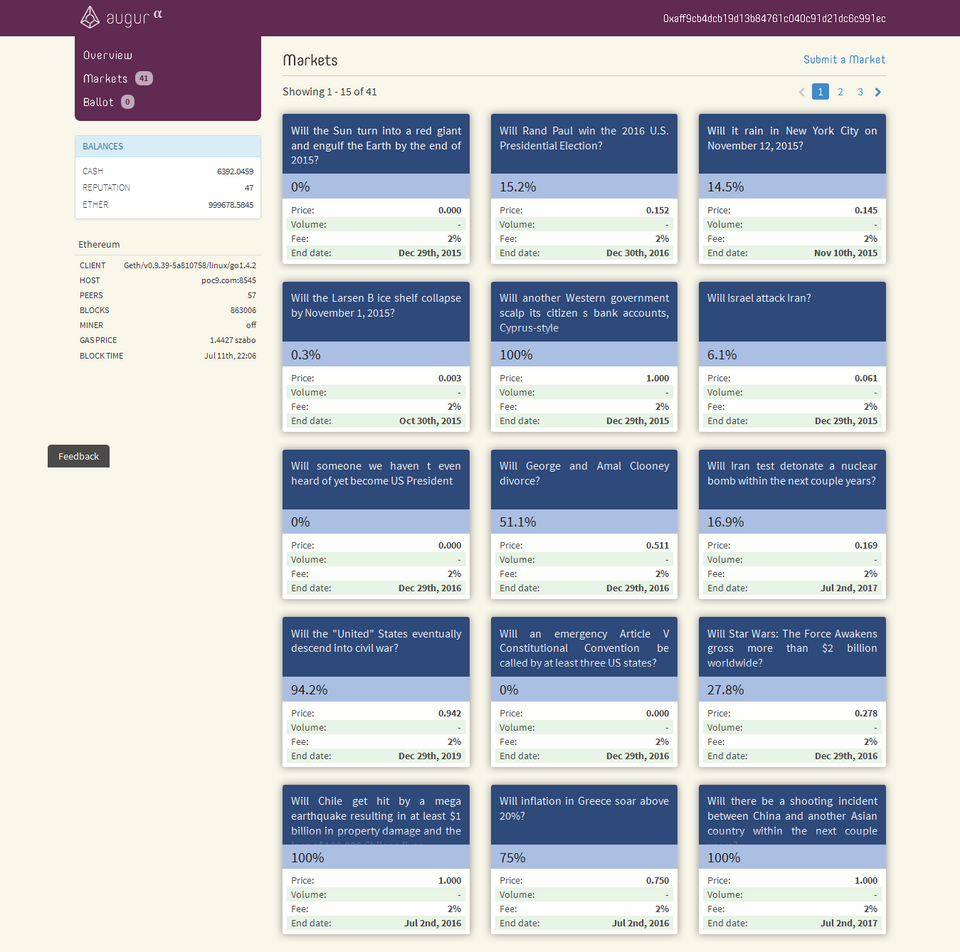
Prediction markets aggregate real-time trader sentiment to forecast USDA report outcomes, while futures lock in delivery prices. This fundamental difference creates a unique information advantage for cattle price forecasting. Traditional futures contracts require physical delivery obligations, whereas prediction markets focus purely on price outcomes, allowing for more nuanced speculation on market-moving events like drought conditions or trade policy changes.
The information edge becomes clear when examining how prediction markets respond to news events. When Argentina announced beef tariffs in October 2025, prediction markets quickly adjusted cattle price forecasts, capturing the 13% price volatility that followed. Traditional futures markets took several days to fully price in this information, demonstrating prediction markets’ superior speed in incorporating new data.
Key differences include: prediction markets operate 24/7 with global participation, while futures markets have set trading hours; prediction markets allow for binary event contracts on specific outcomes like “USDA cattle inventory below 85 million,” while futures focus on continuous price movements; and prediction markets require no margin calls or delivery logistics, reducing barriers to participation for smaller traders.
The 75-Year Low Crisis — Why Current Market Conditions Create Perfect Prediction Market Opportunities
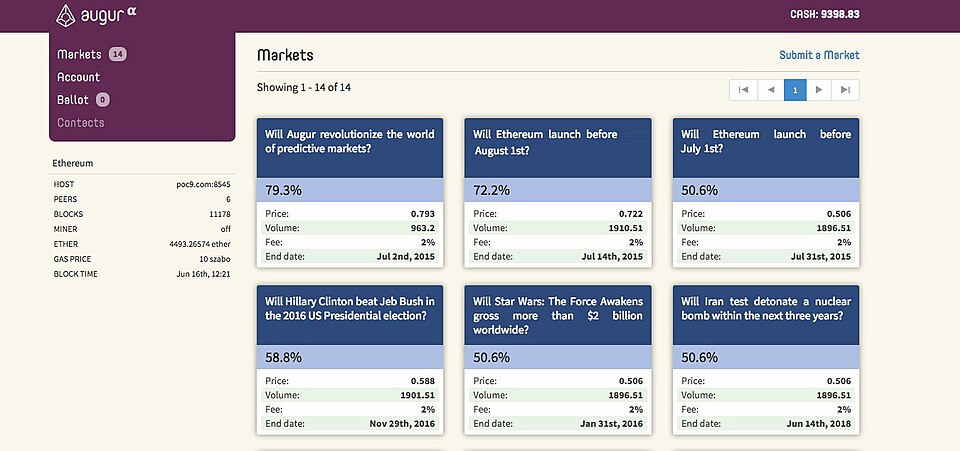
U.S. cattle inventories at 75-year low (86.7 million head) drive prices above $240/cwt, creating volatility opportunities that prediction markets are uniquely positioned to exploit. The extreme price swings resulting from tight supply conditions make accurate forecasting more valuable than ever, and prediction markets’ ability to aggregate diverse information sources provides a significant edge over traditional analysis methods.
Record-high prices have created a perfect storm for prediction market activity. Fed cattle prices exceeding $240/cwt and feeder cattle reaching $370 in some regions have attracted both speculative traders and risk-averse producers looking for better hedging tools. The 2026 outlook projects fed cattle averaging $228/cwt according to CattleFax, but prediction markets may provide earlier and more accurate signals about price direction changes.
The current crisis conditions create several specific opportunities for prediction market participants. Drought impacts on herd levels can be detected through trader sentiment before official USDA reports, export/import data fluctuations create arbitrage opportunities between prediction markets and traditional futures, and the cattle cycle’s 10-12 year pattern provides long-term structural insights that prediction markets can capture more effectively than quarterly government reports.
Machine Learning Integration — LSTM Models and Prediction Market Data Synergy
LSTM models combined with prediction market data achieve superior accuracy through hybrid forecasting approaches that leverage both algorithmic pattern recognition and human sentiment aggregation. These machine learning models excel at processing time-series data and identifying complex patterns that traditional statistical methods might miss, while prediction market odds provide real-time validation of model forecasts.
The synergy between LSTM models and prediction markets creates a powerful forecasting framework. LSTM networks can process historical price data, seasonal patterns, and external variables like weather conditions, while prediction market odds provide a crowd-sourced check on model predictions. This hybrid approach has shown significant improvements in forecast accuracy compared to either method alone.
Performance metrics for these hybrid systems include Mean Absolute Error (MAE), Root Mean Square Error (RMSE), and Mean Absolute Percentage Error (MAPE). Studies have shown that combining LSTM models with prediction market data can reduce forecast errors by 15-25% compared to traditional ARIMA or SARIMAX models. The key advantage is that prediction markets can quickly incorporate breaking news and sentiment shifts that take weeks to appear in official data.
Risk Management Through Prediction Markets — Beyond Traditional Hedging
Producers use prediction market signals for operational decisions, creating a more dynamic and responsive approach to risk management than traditional futures contracts allow. While futures require locking in prices months in advance, prediction markets provide real-time probability assessments that producers can use to time their hedging activities more effectively (prediction market sugar price contracts).
The comparison between prediction market hedging and traditional futures reveals several advantages. Prediction markets offer lower transaction costs, no margin requirements, and the ability to hedge specific events like “cattle prices drop below $200/cwt by June 2026” rather than just general price exposure. This granularity allows producers to create more precise risk management strategies tailored to their specific operations (prediction market coffee price futures markets).
Real-world examples demonstrate the practical value of prediction markets for risk management. Feedlot operators use market odds to time cattle purchases, waiting for favorable price signals before expanding their herds. Ranchers use prediction market forecasts to decide when to sell calves versus holding them for breeding stock. Even financial institutions use prediction market data to price cattle-backed securities and other agricultural derivatives.
Data Inputs That Drive Cattle Price Prediction Markets
Historical prices, seasonal trends, regional demand patterns, export/import data, climate factors, herd levels, feed costs, international trade policies, and drought conditions all feed into cattle price prediction markets. The key advantage is that prediction markets can weight these inputs dynamically based on current market conditions and trader sentiment, rather than relying on fixed historical relationships. Similar dynamics are seen in other agricultural commodities, where prediction market wheat price futures markets respond to climate factors and supply chain disruptions (prediction market cotton price futures markets).
Export/import data plays a crucial role in cattle price forecasting, as international trade patterns can significantly impact domestic supply and demand. Prediction markets excel at incorporating real-time trade policy changes and geopolitical events that traditional forecasting models might miss. For example, changes in Argentine beef tariffs or Chinese import restrictions can be quickly reflected in prediction market odds (prediction market soybean price prediction markets).
Climate factors and drought conditions are particularly important inputs for cattle price prediction markets. The current drought situation has contributed to the 75-year low in cattle inventories, and prediction markets have been more responsive to drought-related news than traditional forecasting methods. Feed costs, which are heavily influenced by weather patterns and crop yields, also play a significant role in determining cattle prices and are effectively captured by prediction market sentiment.
Regulatory Framework — CFTC Oversight and Platform Compliance
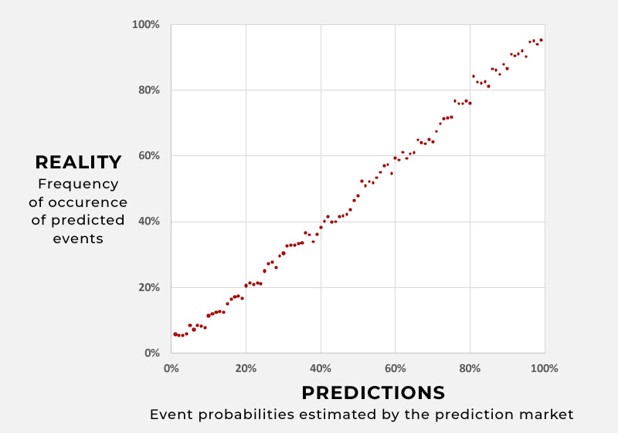
CFTC regulates platforms like Kalshi and Polymarket for agricultural commodity contracts, with Trump administration backing providing political support against state-level bans. The regulatory landscape for prediction markets has evolved significantly, with the Commodity Futures Trading Commission establishing clear guidelines for event contracts and agricultural commodity betting.
Kalshi and Polymarket have emerged as the leading platforms for regulated prediction markets, including those focused on agricultural commodities. These platforms operate under CFTC oversight and must comply with strict reporting requirements and consumer protection standards. The Trump administration’s support for prediction markets has helped create a more favorable regulatory environment, though some state-level restrictions remain.
Global prediction market volume reached $13 billion in late 2025, demonstrating the growing acceptance and adoption of these forecasting tools. The regulatory framework continues to evolve, with discussions ongoing about expanding the types of agricultural contracts that can be offered and increasing the sophistication of risk management tools available to producers and traders.
The 2026 Outlook — Prediction Market Projections vs Traditional Forecasts
CattleFax projects 2026 fed cattle averaging $228/cwt, with 5-weight steer calves potentially reaching $410/cwt, while prediction markets may provide earlier and more accurate signals about price direction changes. The traditional forecasting methods rely heavily on historical patterns and government reports, while prediction markets can incorporate real-time sentiment and breaking news more effectively (prediction market orange juice price contracts).
The 2026 projections highlight the potential advantages of prediction markets over traditional forecasting methods. While CattleFax’s $228/cwt projection is based on careful analysis of supply and demand fundamentals, prediction markets can quickly adjust to unexpected events like drought intensification, trade policy changes, or disease outbreaks that could significantly impact prices.
Prediction markets might outperform traditional projections during supply chain disruptions by providing earlier warning signals and more accurate probability assessments. The ability to aggregate diverse information sources and quickly incorporate new data gives prediction markets a significant advantage in volatile market conditions, which are likely to continue through 2026 given the tight cattle supplies and high price sensitivity to news events (prediction market cocoa price prediction markets).
Supply Chain Disruption Detection — The 30-45 Day Early Warning System
Prediction markets spot supply chain issues before official USDA reports by aggregating trader sentiment about drought impacts, export delays, and other disruptions. This 30-45 day early warning capability provides significant advantages for producers and traders who need to make timely decisions about hedging, purchasing, or selling cattle.
The contrarian angle reveals that markets often see what government data misses. While USDA reports provide comprehensive but delayed information, prediction markets can capture emerging trends and disruptions in real-time. For example, if traders collectively observe signs of drought stress in cattle-producing regions, prediction market odds will adjust before official herd count reports reflect the impact.
Case studies demonstrate the practical value of this early warning system. During the 2023 drought that contributed to current supply constraints, prediction markets began adjusting cattle price forecasts 45 days before USDA reports showed the full extent of herd reductions. This early signal allowed proactive producers to adjust their risk management strategies and potentially avoid significant losses.
Building Your Cattle Price Prediction Strategy
Key entities to monitor include USDA, CattleFax, CME Group, and CFTC, while data sources for prediction market analysis encompass historical prices, seasonal patterns, and real-time sentiment indicators. A comprehensive cattle price prediction strategy requires understanding both the traditional fundamentals and the modern prediction market mechanics that drive price movements.
Risk assessment frameworks for cattle price volatility trading should incorporate both quantitative metrics like MAE and RMSE and qualitative factors like trader sentiment and geopolitical risk. The most successful strategies combine traditional fundamental analysis with prediction market signals to create a more complete picture of price drivers and potential market movements.
Practical implementation involves monitoring multiple prediction market platforms, analyzing historical accuracy of their forecasts, and developing systematic approaches to incorporating prediction market signals into trading or risk management decisions. This might include setting specific thresholds for action based on prediction market probabilities or using prediction market data to time traditional hedging activities.
The Future of Agricultural Prediction Markets — 2026 and Beyond
Integration of AI/ML models with real-time prediction market data will create increasingly sophisticated forecasting tools for agricultural commodities. The combination of machine learning’s pattern recognition capabilities and prediction markets’ crowd wisdom aggregation represents the next frontier in agricultural price forecasting and risk management.
Potential for new platforms specializing in agricultural commodities could address current limitations in liquidity and contract variety. While Kalshi and Polymarket dominate the general prediction market space, specialized platforms focusing exclusively on agricultural commodities might emerge to serve the specific needs of farmers, ranchers, and agribusinesses.
Regulatory evolution might expand market opportunities by allowing more sophisticated contract types and increasing the range of agricultural commodities covered. As prediction markets prove their value in price forecasting and risk management, regulators may become more comfortable expanding the scope of permitted activities, potentially including more direct hedging applications for agricultural producers.
FAQ: Common Questions About Cattle Price Prediction Markets
How do prediction markets differ from cattle futures contracts?
Prediction markets aggregate real-time trader sentiment to forecast USDA report outcomes and price movements, while futures lock in delivery prices for physical cattle. Prediction markets require no margin calls or delivery logistics, operate 24/7 globally, and allow for binary event contracts on specific outcomes like “cattle prices below $200/cwt by June 2026.”
What data drives cattle price prediction markets?
Can prediction markets really forecast USDA reports accurately?
Yes, prediction markets have demonstrated significant accuracy in forecasting USDA report outcomes, often providing 30-45 day early warning signals about supply chain disruptions and price movements. Studies show that prediction market forecasts can outperform traditional methods during periods of high volatility, particularly when incorporating breaking news and sentiment shifts.
What are the regulatory requirements for agricultural prediction markets?
CFTC regulates platforms like Kalshi and Polymarket for agricultural commodity contracts, requiring compliance with reporting requirements and consumer protection standards. The Trump administration has provided political support for prediction markets, though some state-level restrictions remain. Global prediction market volume reached $13 billion in late 2025.
How do drought conditions affect prediction market accuracy?
Drought conditions significantly impact prediction market accuracy by creating high volatility and uncertainty in cattle prices. However, prediction markets often outperform traditional forecasting methods during drought periods by quickly incorporating new information about weather patterns, feed costs, and herd reductions before official data becomes available.