Orange juice futures saw a dramatic 37% correction in early 2025, yet analysts expect upward price trends to continue through the second half of 2026. As of late February 2026, Frozen Concentrated Orange Juice (FCOJ) traded around 183 USD/Lbs, with daily price fluctuations creating substantial arbitrage opportunities for prediction market traders. This volatility stems from supply chain pressures, below-average inventory levels, and the persistent threat of citrus greening disease, which has devastated Florida’s orange production and forced the U.S. to rely on Brazilian imports for 99% of its orange juice supply.
Orange Juice Price Volatility Creates 2026 Trading Opportunities

The orange juice market’s 37% correction in early 2025 followed by expected upward trends in H2 2026 creates a perfect storm for prediction market traders. FCOJ trading around 183 USD/Lbs as of late February 2026 shows significant daily price changes, with Mar 2026 futures demonstrating the market’s sensitivity to supply chain pressures and below-average inventory levels despite a projected slight production rebound.
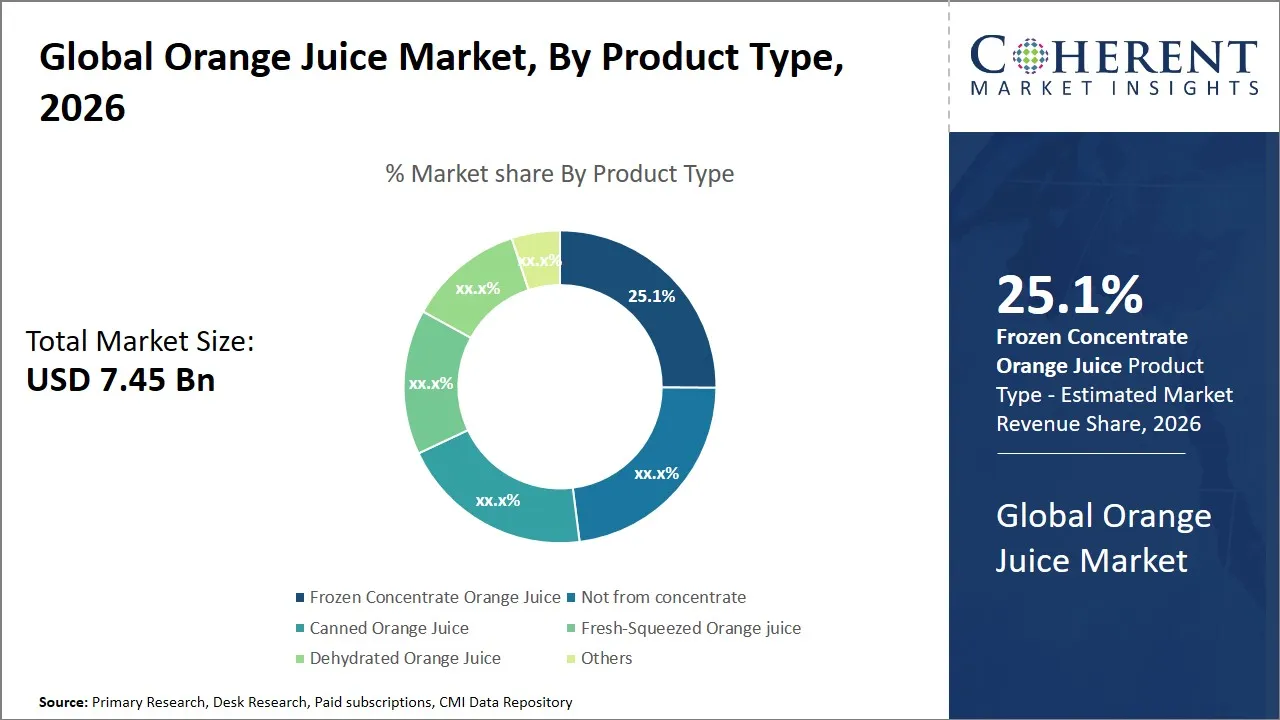
Supply chain pressures remain acute as the 2025/26 orange juice market deals with inventory levels well below historical averages. The global orange juice market is expected to grow from $5.57 billion in 2025 to $5.94 billion in 2026, driven by health-conscious consumers and increased consumption in specific regions. This growth occurs despite production challenges, creating a fundamental mismatch between supply constraints and rising demand that prediction markets are uniquely positioned to price.
Prediction markets quantify this volatility through binary event contracts that resolve based on specific price thresholds being met. Traders can position themselves on whether FCOJ prices will exceed certain levels by specific dates, with resolution oracles pulling data from major exchanges like ICE and CME. The 15,000-pound contract size on major exchanges creates significant liquidity pools that prediction market platforms can tap into, offering traders exposure to commodity price movements without the complexity of futures trading.
How Citrus Greening Disease Risk Gets Priced in Prediction Markets
Citrus greening (HLB) disease represents the primary cause of long-term supply shortages and price surges in the orange juice market. Prediction markets quantify disease probability through resolution oracles that track infection rates across major growing regions, particularly Florida and Brazil’s São Paulo state. Traders hedge against crop failure scenarios using binary event contracts that pay out based on whether disease prevalence exceeds predetermined thresholds (prediction market soybean price prediction markets).
Florida’s orange production has collapsed due to HLB, forcing the U.S. to rely on Brazilian imports for 99% of its orange juice supply. This geographical shift creates unique prediction market opportunities as traders price the risk of disease spreading to new Brazilian production areas. The disease’s impact on crop yields translates directly into price volatility, with prediction markets offering contracts that resolve based on production volume forecasts and disease spread patterns (prediction market sugar price contracts).
Resolution oracles for citrus greening contracts typically pull data from USDA reports, state agricultural departments, and independent crop monitoring services. These oracles provide transparent, verifiable data points that ensure fair contract resolution. Traders can construct sophisticated positions by combining disease probability contracts with price movement contracts, creating hedged strategies that profit from either scenario while limiting downside risk.
Brazilian Production Shift Creates New Arbitrage Opportunities
Geographical production changes from São Paulo to neighboring Brazilian states due to rising infection rates create fundamental trading opportunities in prediction markets. As citrus greening spreads through traditional growing areas, production is shifting to regions with potentially different climate conditions, labor costs, and infrastructure. Prediction markets are pricing this transition and its impact on U.S. import dependencies, with contracts resolving based on production volume shifts and price differentials between regions.
The Brazilian production shift represents more than just a geographical change—it’s a complete supply chain restructuring that prediction markets are uniquely positioned to analyze. Traders can bet on whether production will successfully transition to new areas without significant yield losses, or whether the disease will follow production to these new regions. This creates a complex web of interdependent contracts that sophisticated traders can exploit through arbitrage strategies.
Supply chain restructuring creates fundamental trading opportunities as prediction markets price the efficiency of new production regions versus traditional areas. Contracts resolve based on factors like transportation costs, processing capacity in new regions, and the time required for trees to reach productive maturity in different climates. The 22% of beverage companies planning to expand facilities by 2026 adds another layer of complexity as prediction markets price infrastructure development against disease risk (prediction market cocoa price prediction markets).
Weather Derivatives in Orange Juice Prediction Markets

Weather represents a critical factor affecting orange juice price volatility, with frost, drought, and hurricane risks creating significant price swings. Prediction markets function as price discovery mechanisms for weather derivatives, allowing traders to hedge against climate-related production risks. Real-time pricing of weather scenarios integrates with traditional futures markets, creating a comprehensive risk management framework for orange juice traders (prediction market wheat price futures markets).
Weather derivatives in prediction markets operate through contracts that resolve based on specific meteorological conditions being met. These contracts can cover temperature thresholds, precipitation levels, or storm paths that directly impact orange production. The integration with traditional futures markets allows traders to create sophisticated hedging strategies that combine weather risk with price risk, providing a more complete risk management solution than either market alone (prediction market coffee price futures markets).
Real-time pricing of weather scenarios creates immediate market responses to changing conditions. When frost warnings emerge for Florida or drought conditions develop in Brazil, prediction market prices adjust within minutes, reflecting the collective wisdom of traders assessing the impact on production. This rapid price discovery provides valuable information to traditional market participants and creates arbitrage opportunities between prediction markets and futures exchanges (prediction market pork belly price markets).
Institutional Trading Strategies for Orange Juice Prediction Markets
DraftKings’ entry into CFTC-regulated prediction markets represents a significant institutional adoption of orange juice price contracts. The company’s acquisition of a CFTC-regulated exchange enables trading on event-based contracts with regulatory oversight, creating new opportunities for institutional traders. This regulatory arbitrage between CFTC-regulated exchanges and offshore markets creates price differentials that sophisticated traders can exploit through arbitrage strategies.
Institutional approaches to using prediction markets for orange juice price contracts focus on liquidity analysis across sports, crypto, and world events platforms. Large traders analyze the depth of order books, the speed of price discovery, and the correlation between prediction market prices and traditional futures prices. The 15,000-pound contract size on major exchanges provides significant liquidity that prediction market platforms can tap into, offering institutional traders exposure to commodity price movements without the complexity of futures trading (prediction market cotton price futures markets).
Regulatory arbitrage opportunities between CFTC-regulated exchanges and offshore prediction markets create price differentials that sophisticated traders can exploit. While CFTC-regulated platforms offer greater regulatory certainty and potentially lower basis risk, offshore platforms may offer higher leverage and more diverse contract types. Institutional traders analyze these differences to construct optimal trading strategies that balance regulatory compliance with profit potential.
Top Prediction Market Platforms for Orange Juice Price Contracts

Platform reviews comparing Polymarket, Kalshi, and emerging exchanges reveal significant differences in event contract mechanics and liquidity analysis for orange juice markets. Polymarket offers high trading volumes on platforms like Limitless Exchange, while Kalshi provides CFTC-regulated contracts with greater regulatory certainty. Emerging exchanges are developing specialized orange juice contracts that integrate with traditional futures markets, creating new trading opportunities.
Event contract mechanics vary significantly across platforms, with differences in resolution criteria, contract sizes, and settlement procedures. Polymarket typically uses binary contracts that resolve to either 0 or 100 based on specific price thresholds being met, while Kalshi offers more complex contract structures that can settle at intermediate values. Understanding these mechanics is crucial for traders developing effective strategies for orange juice price contracts.
Real-time alerts on mispriced event contracts provide traders with immediate notification of arbitrage opportunities. These alerts monitor price discrepancies between prediction markets and traditional futures exchanges, notifying traders when significant deviations occur. The integration of AMM liquidity pools with traditional order book models creates new pricing dynamics that traders must understand to effectively exploit market inefficiencies.
Risk management strategies for commodity prediction trading focus on diversification across multiple contracts and platforms. Traders should consider the basis risk between prediction market prices and actual futures prices, the potential for oracle manipulation, and the liquidity constraints of different platforms. The 15,000-pound contract size on major exchanges provides significant liquidity that prediction market platforms can tap into, but traders must still manage position sizes carefully to avoid excessive exposure to any single market.