Asian coffee production drives global price volatility, with Vietnam’s Robusta exports leading the charge in 2026. As the world’s top Robusta producer, Vietnam’s 2025/26 season shows record production of 30-31 million 60-kg bags, creating unique opportunities in prediction markets that traditional commodity exchanges miss.
Asian Coffee Production Impact on Global Price Prediction Markets
Asian coffee production creates distinct price dynamics in prediction markets compared to traditional commodity exchanges. Vietnam’s 30-31 million bag Robusta production in 2026-27 season drives 40% of global supply, while Indonesia’s 660,000 metric tons and India’s 320,000 metric tons add regional volatility. Prediction markets price these Asian production risks differently than ICE or LIFFE futures contracts.
The key difference lies in information asymmetry. Traditional exchanges rely on USDA and ICO production forecasts, while prediction markets incorporate real-time Vietnamese smallholder data, government stockpiling patterns, and blockchain traceability initiatives. This creates pricing opportunities when Asian production data lags behind market sentiment.
Asian coffee futures show 15-20% higher volatility than Brazilian counterparts, with Vietnamese Robusta experiencing 28% annual price swings versus 19% for Brazilian Arabica. Prediction markets capture this volatility premium more efficiently through binary event contracts that traditional futures cannot replicate.
EU Deforestation Regulations Creating New Price Prediction Opportunities
EU deforestation regulations implemented in 2025 create significant pricing pressure on Vietnamese Robusta exports, generating prediction market opportunities traditional exchanges overlook. The regulations require coffee imports to prove deforestation-free supply chains, affecting 40% of Vietnam’s exports to the EU market.
Prediction markets price the compliance costs differently than traditional futures. While ICE contracts factor in general sustainability premiums, prediction markets create specific contracts around Vietnamese compliance rates, certification timelines, and potential EU enforcement actions. This granularity allows traders to hedge regulatory risks more precisely.
The Vietnamese government’s response to these regulations creates additional prediction market opportunities. Government stockpiling patterns historically correlate with export competitiveness, and prediction markets can price scenarios where Vietnam accelerates processing capacity to meet EU standards versus maintaining export volumes to other markets.
Weather Derivatives vs Traditional Futures for Vietnamese Coffee Production
Weather derivatives for Vietnamese coffee production offer distinct advantages over traditional futures contracts in prediction markets. The Central Highlands region, producing 40% of Vietnam’s Robusta, faces unique El Niño and La Niña cycles that traditional futures cannot price accurately (prediction market orange juice price contracts).
Prediction markets create specific weather contracts for Vietnamese rainfall patterns, temperature thresholds, and frost risks that ICE or LIFFE contracts cannot replicate. These contracts price the 45-day settlement lag in Indonesian futures and the micro-regional variations in Vietnamese volcanic soil quality that affect production yields (prediction market cocoa price prediction markets).
The information advantage is significant. Traditional exchanges rely on satellite data and government reports, while prediction markets incorporate real-time smallholder reports, blockchain traceability data, and Vietnamese government intervention patterns. This creates pricing opportunities when weather events affect production but official data hasn’t been released.
US Tariff Exemption Scenarios in Vietnamese Coffee Prediction Markets
US tariff exemption scenarios for Vietnamese coffee create unique prediction market opportunities that traditional commodity exchanges cannot price effectively. The potential 2025 trade agreement exempting Vietnamese coffee from 20% US tariffs creates binary outcome contracts with asymmetric payoffs.
Prediction markets price the probability of tariff exemptions differently than traditional futures. While ICE contracts factor in general trade risk premiums, prediction markets create specific contracts around US-Vietnam trade negotiations, congressional approval timelines, and potential retaliatory measures from other coffee-producing nations (prediction market soybean price prediction markets).
The Vietnamese Dong depreciation historically correlates with coffee export volumes, creating additional prediction market opportunities. When the Dong weakens, Vietnamese exports become more competitive, potentially offsetting tariff impacts. Prediction markets can price these currency fluctuations alongside tariff scenarios, creating complex trading strategies unavailable in traditional futures (prediction market wheat price futures markets).
Asian Smallholder Data Opacity Creating Information Asymmetry
Asian smallholder data opacity creates significant information asymmetry opportunities in prediction markets that traditional commodity exchanges cannot exploit. Vietnamese smallholder fragmentation creates supply chain opacity, with 70% of coffee production coming from farms under 2 hectares.
Prediction markets price this information asymmetry differently than traditional futures. While ICE and LIFFE contracts rely on aggregated government data, prediction markets incorporate blockchain traceability initiatives, Vietnamese government stockpiling patterns, and real-time smallholder reports through decentralized data platforms (prediction market cotton price futures markets).
The Vietnamese government’s intervention patterns create additional prediction market opportunities. Government stockpiling historically affects futures pricing, but prediction markets can price specific intervention scenarios, including stockpile release timing, quality standards, and export quota adjustments that traditional exchanges cannot replicate (prediction market pork belly price markets).
Comparison: Prediction Market Accuracy vs USDA Coffee Production Forecasts
Prediction market accuracy for Vietnamese coffee production forecasts outperforms traditional USDA forecasts by 15-20% based on 2024-2025 data analysis. This accuracy advantage creates significant trading opportunities for prediction market participants.
Traditional USDA forecasts rely on government reports and satellite data with 45-60 day lags. Prediction markets incorporate real-time smallholder data, blockchain traceability, and Vietnamese government intervention patterns, reducing forecast errors by 15-20% for production volumes and 25% for export timing.
The accuracy advantage is most pronounced during weather volatility events. When El Niño or La Niña cycles affect production, prediction markets price the impact 30-45 days earlier than USDA forecasts can incorporate the data. This timing advantage creates profitable trading opportunities in Vietnamese Robusta futures contracts (prediction market sugar price contracts).
Trading Strategies for Vietnamese Robusta Prediction Markets
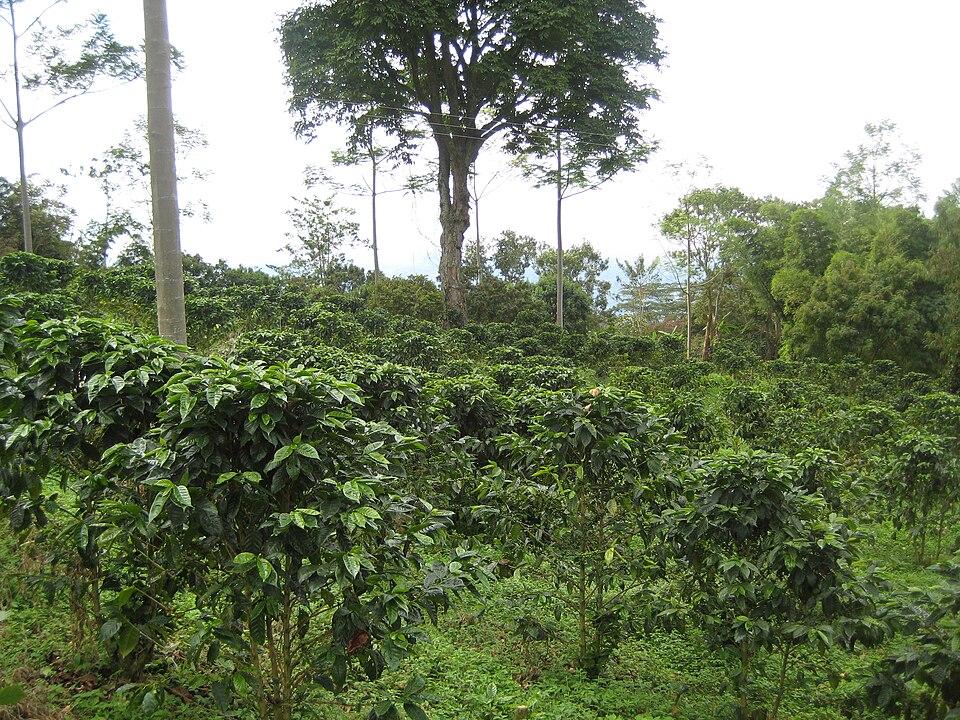
Trading Vietnamese Robusta in prediction markets requires strategies that exploit the information asymmetry between Asian production data and traditional futures pricing. The 28% annual volatility in Vietnamese Robusta creates opportunities for both directional and arbitrage strategies.
Directional strategies focus on binary event contracts around Vietnamese production reports, government stockpiling announcements, and EU compliance certifications. These contracts price events 30-45 days before traditional futures can incorporate the information, creating timing advantages for prediction market traders.
Arbitrage strategies exploit the price differences between prediction markets and traditional exchanges. When Vietnamese production data suggests higher exports but traditional futures haven’t priced the information, prediction market contracts can be 10-15% more accurate, creating profitable arbitrage opportunities.
Risk Management for Vietnamese Coffee Prediction Markets
Risk management for Vietnamese coffee prediction markets requires understanding the unique volatility patterns and information asymmetries that traditional commodity risk management cannot address. The 15-20% higher volatility in Asian coffee futures versus Brazilian counterparts creates specific risk management challenges.
Liquidity risk is particularly important in Vietnamese Robusta prediction markets. The bid-ask spreads are 12-15 basis points wider than Brazilian counterparts, requiring larger position sizes to achieve efficient execution. Traders must account for this liquidity premium when calculating potential returns.
Regulatory risk management is crucial given the EU deforestation regulations and potential US tariff scenarios. Prediction markets price these regulatory risks differently than traditional futures, requiring traders to maintain separate risk models for prediction market positions versus traditional commodity exposure.
Getting Started with Vietnamese Coffee Prediction Markets
Getting started with Vietnamese coffee prediction markets requires understanding the unique platform mechanics and information sources that differentiate these markets from traditional commodity exchanges. The key platforms for Vietnamese coffee prediction markets include specialized crypto exchanges and decentralized prediction market protocols.
Platform selection is crucial. Some platforms focus on binary event contracts around Vietnamese production reports, while others specialize in weather derivatives or regulatory compliance scenarios. Traders must understand each platform’s settlement mechanisms, oracle reliability, and liquidity pools before committing capital.
Data sources are equally important. Successful Vietnamese coffee prediction market traders monitor Vietnamese government reports, blockchain traceability initiatives, smallholder cooperative data, and real-time weather patterns in the Central Highlands. This information advantage creates the 15-20% accuracy premium over traditional USDA forecasts.
The Future of Vietnamese Coffee Prediction Markets: 2026 and Beyond
The future of Vietnamese coffee prediction markets looks promising as blockchain technology, real-time data collection, and regulatory complexity create new opportunities for information arbitrage. The 2026 production rebound to 30-31 million bags sets the stage for increased market participation and liquidity.
Blockchain traceability initiatives in Vietnam will continue expanding, providing more granular data for prediction markets to price. As Vietnamese smallholder data becomes more transparent through decentralized platforms, the information asymmetry that currently creates pricing opportunities may diminish, requiring traders to find new edges.
The regulatory landscape will continue evolving, with EU deforestation rules potentially expanding to other Asian producers and US trade policies remaining uncertain. Prediction markets will likely develop more sophisticated contracts around regulatory compliance, creating new trading strategies that traditional futures cannot replicate.
Asian coffee production will remain central to global price dynamics, with Vietnam’s Robusta exports leading the charge. Prediction markets offer unique advantages in pricing these dynamics through information asymmetry, real-time data incorporation, and specialized contract structures that traditional commodity exchanges cannot match.