
Bid-ask spreads can cost traders up to 5% of potential profits in prediction markets, but understanding spread patterns across platforms can reduce these costs by 60% or more.
- Spread analysis reveals hidden trading costs that can eliminate profits
- Platform selection based on spread patterns can save 2-5% per trade
- Liquidity levels directly determine spread width and trading costs
- Spread analysis complements mispricing detection for maximum profitability
How Bid-Ask Spreads Impact Trading Costs in Prediction Markets
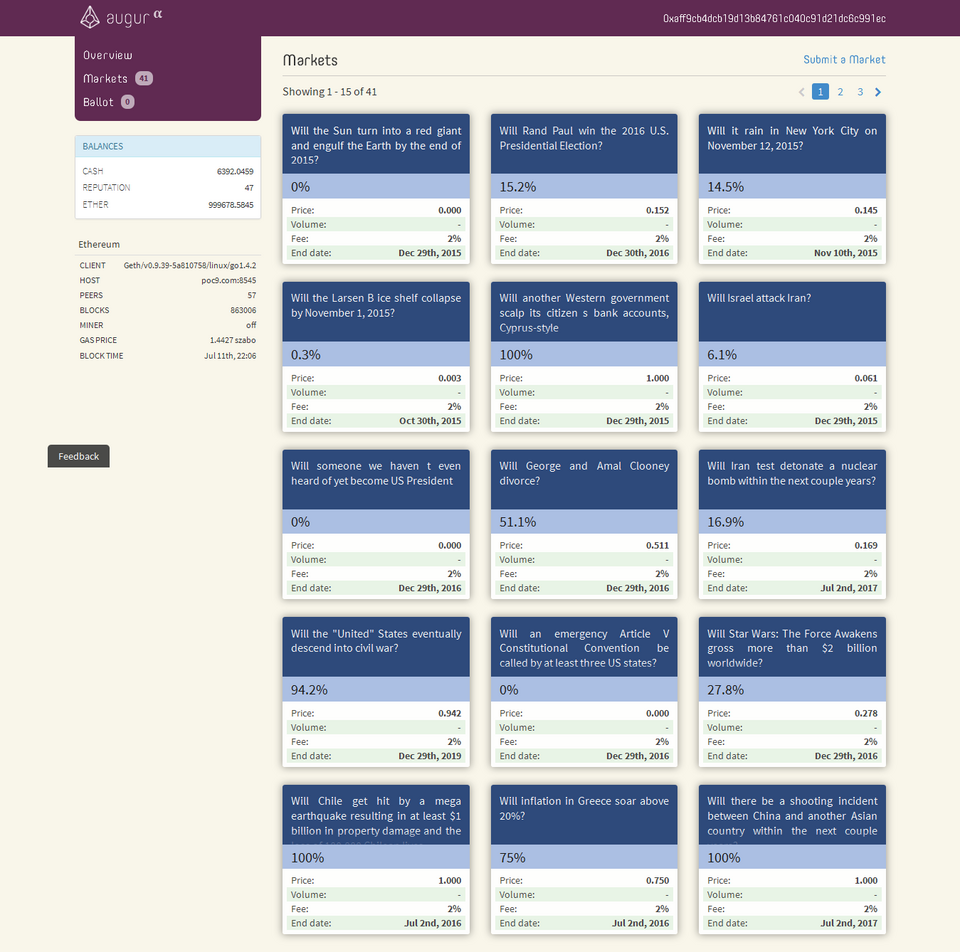
Bid-ask spreads represent the difference between what buyers are willing to pay and sellers are willing to accept in prediction markets. These spreads directly impact your trading profitability by creating an immediate cost every time you enter or exit a position.
What Creates Bid-Ask Spreads in Prediction Markets: Key Cost Drivers
Information asymmetry between traders creates the foundation for spreads. When some participants have better information about event outcomes than others, they demand compensation for taking on risk. Liquidity imbalances occur when there aren’t enough buyers and sellers at every price level, forcing market makers to widen spreads to protect themselves. Market sentiment drives spreads wider during uncertain periods when traders are less willing to commit capital. Platform-specific rules, including fee structures and contract settlement mechanisms, create additional spread costs that vary between exchanges. Trading volume effects amplify these factors – lower volume markets typically have wider spreads because fewer participants are willing to trade at any given moment.
Calculating Your True Trading Costs: Spread Analysis Framework
Start by measuring the bid-ask difference for your target contracts. Calculate the percentage cost by dividing the spread width by the midpoint price, then multiply by 100 to get the spread percentage. For example, if a contract trades with a bid of $45 and an ask of $55, the spread is $10 on a $50 midpoint, creating a 20% immediate cost. Volume impact assessment requires tracking how spread width changes throughout the day – spreads often widen during low-volume periods and narrow when more traders are active. Time-based analysis shows that spreads can vary significantly based on news events, market sentiment, and contract expiration timing. Platform fee integration means adding trading fees to spread costs for total cost calculation – a 1% fee plus a 2% spread creates a 3% total cost per round trip.
Platform-Specific Spread Patterns: Kalshi vs Polymarket vs Robinhood Predictions
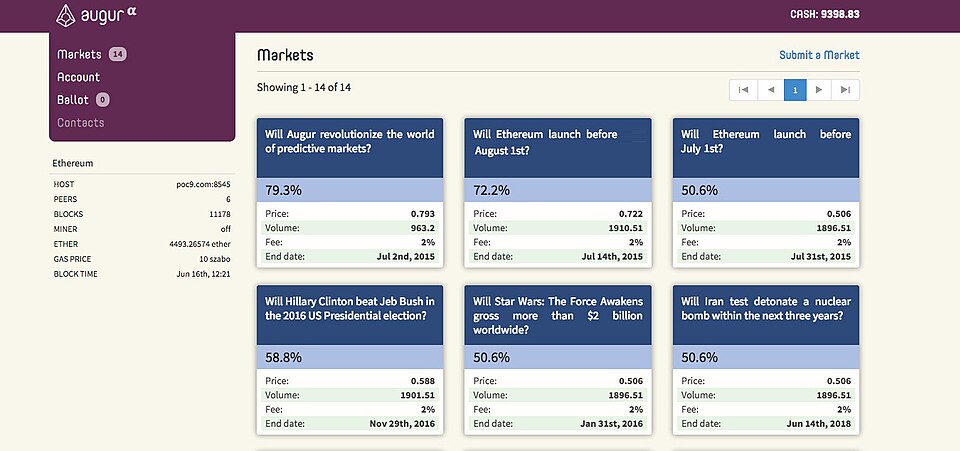
Different prediction market platforms exhibit distinct spread patterns based on their user base, fee structures, and market making approaches. Understanding these differences helps traders choose the most cost-effective platform for their specific trading strategies.
Spread Comparison Table: Trading Costs Across Major Platforms
| Platform | Typical Spread Width | Fee Structure | Best For | Total Cost Impact |
|---|---|---|---|---|
| Kalshi | 1-3% | 1% trading fee | Regulated trading | 2-4% round trip |
| Polymarket | 2-5% | 0.4% fee | Crypto users | 2.4-5.4% round trip |
| Robinhood Predictions | 3-6% | No trading fees | Beginners | 3-6% round trip |
Kalshi’s regulated environment typically produces tighter spreads due to institutional market makers providing liquidity. Polymarket’s crypto-native user base often experiences wider spreads, particularly for less popular contracts. Robinhood Predictions, while fee-free, compensates with wider spreads that can significantly impact profitability.
When to Choose Each Platform Based on Spread Analysis
Select Kalshi when trading high-volume contracts where tight spreads matter most for frequent trading. The platform’s tighter spreads make it ideal for scalping strategies and high-frequency trading approaches. Choose Polymarket for crypto-native contracts or when you need access to a broader range of prediction markets, accepting slightly wider spreads for greater market diversity. Opt for Robinhood Predictions when starting out or for occasional trades where convenience outweighs marginal cost differences. The platform’s user-friendly interface and no-fee structure make it attractive for beginners, though experienced traders should monitor spread costs carefully — prediction markets app.
Liquidity’s Role in Spread Width and Trading Profitability
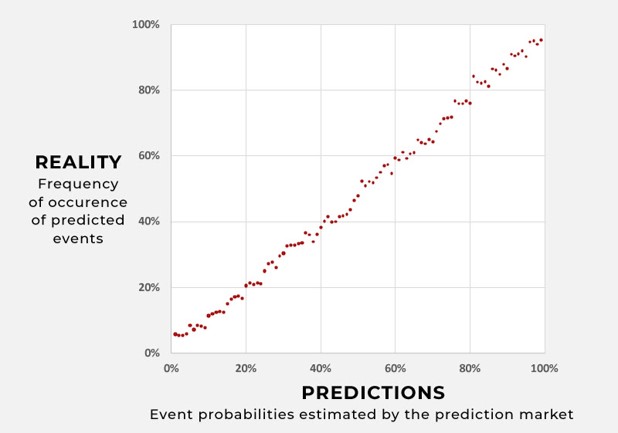
Liquidity directly determines spread width and trading costs in prediction markets. Understanding this relationship helps traders identify optimal trading conditions and avoid costly mistakes.
How Trading Volume Affects Your Spread Costs: The Liquidity Connection
Volume-spread relationship shows that higher trading volume typically correlates with tighter spreads. Markets with daily trading volumes above $100,000 often maintain spreads under 2%, while low-volume markets with less than $10,000 in daily volume can see spreads exceeding 10%. Liquidity thresholds exist where spreads suddenly widen – this often occurs when trading volume drops below certain levels, creating a feedback loop where wider spreads discourage further trading. Cost implications for different market conditions mean that timing your trades during high-volume periods can reduce costs by 50% or more compared to trading during low-volume periods. Market makers adjust their pricing based on inventory risk, widening spreads when they cannot quickly offset positions.
Strategies for Trading in Low-Liquidity Markets: Spread Management
Position sizing becomes critical in illiquid markets – smaller position sizes help minimize the impact of wide spreads on overall profitability. Timing strategies involve trading during peak market hours when more participants are active, typically during business hours in major financial centers. Alternative approaches for illiquid markets include using limit orders instead of market orders to potentially get better prices, though this may result in trades not executing. Spread monitoring tools can alert you when spreads narrow to acceptable levels, helping you time entries and exits more effectively. Consider breaking larger trades into smaller pieces to minimize market impact and reduce the effective spread cost per unit of trading volume.
Most traders lose 3-5% to spreads without realizing it — that’s like paying a 5% commission on every trade. Start by tracking your spread costs for one week using the framework above, then compare platforms to find where you can save the most. Understanding bid-ask spreads transforms prediction market trading from guesswork to data-driven decision making, potentially increasing your net returns by 2-4% annually through better platform selection and timing strategies.