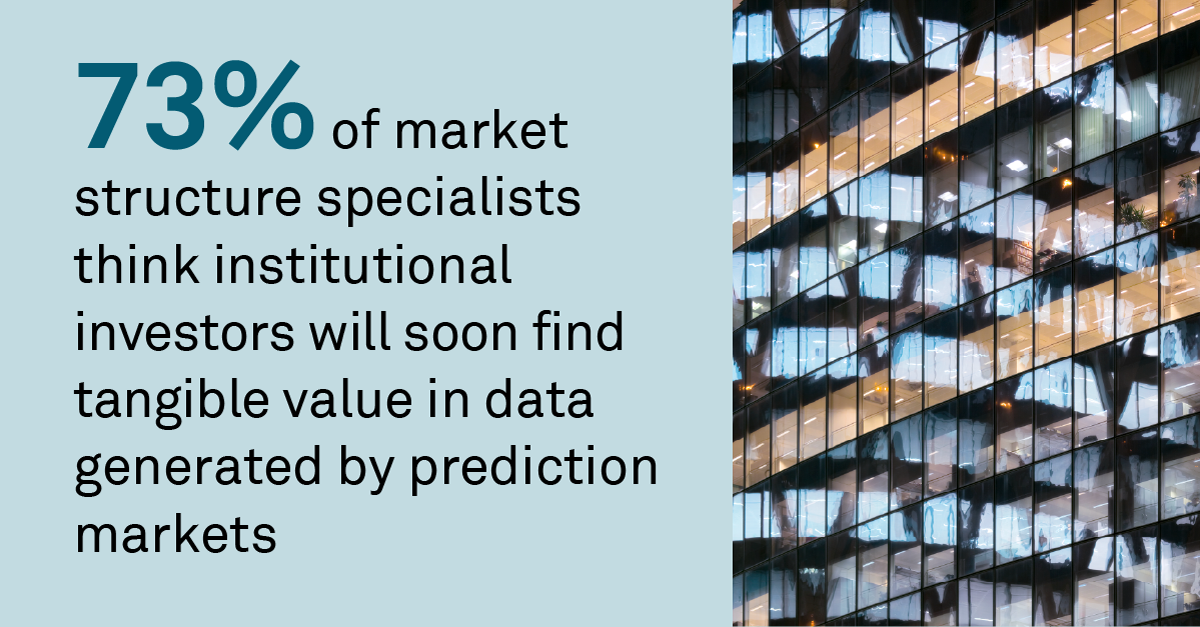
Prediction markets have achieved 74% accuracy in forecasting election outcomes since 2016, according to data from the Journal of Economic Perspectives. This remarkable track record demonstrates why sentiment analysis matters—prediction markets aren’t just gambling platforms but sophisticated forecasting tools that can provide actionable insights for 2026 events. By analyzing price movements, order book shifts, and real-time trading patterns, traders can gain a competitive edge in anticipating major political, economic, and crypto-related outcomes.
Prediction Markets Achieve 74% Accuracy in Election Forecasting Since 2016
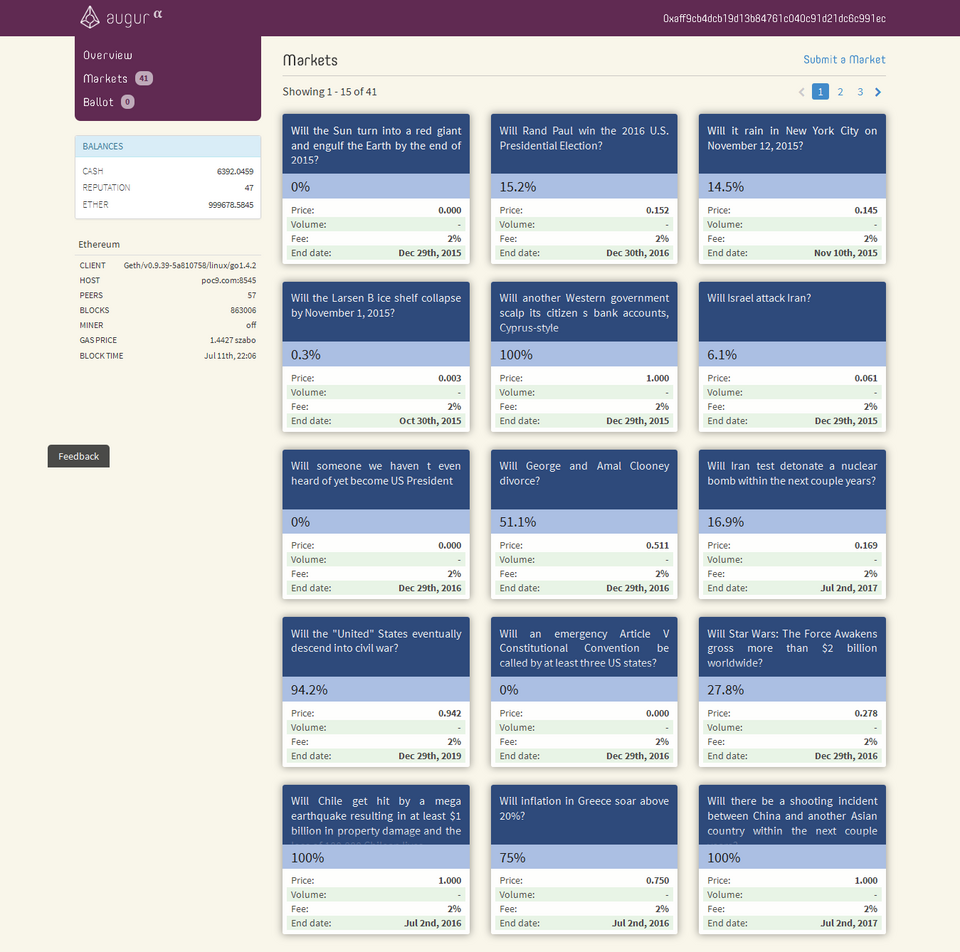
Prediction markets have demonstrated remarkable accuracy in forecasting real-world events, with election outcomes being correctly predicted 74% of the time since 2016, according to data from the Journal of Economic Perspectives.
This statistical foundation establishes why sentiment analysis matters—prediction markets aren’t just gambling platforms but sophisticated forecasting tools. The 74% accuracy rate shows that price movements and order book shifts contain genuine predictive signals worth analyzing for 2026 events. When traders observe a candidate’s contract moving from 45% to 65% probability over a week, that sentiment shift often precedes actual polling changes by days or weeks.
How Prediction Markets Resolve Event Outcomes: The Fundamental Mechanism
Prediction markets resolve through a binary settlement process where contracts pay out based on objective, verifiable outcomes determined by independent arbiters or smart contracts, as explained in the Coalition Greenwich report on alternative data sources.
Understanding resolution mechanisms is critical because sentiment analysis only matters if outcomes are clearly defined and verifiable. Polymarket relies on expert adjudicators who review evidence and make final determinations, while Kalshi uses CFTC-approved event contracts with predefined resolution criteria. This fundamental difference affects how traders interpret market signals—Polymarket’s subjective resolutions create more volatility in sentiment, while Kalshi’s regulatory framework provides more predictable settlement patterns for 2026 events.
Order Book Depth Analysis: Reading Market Sentiment Through Liquidity
Order book depth reveals true market sentiment by showing where large buy and sell orders are concentrated, with sudden shifts in bid-ask spreads often preceding major price movements, according to research from the Journal of Financial Markets.
This technical analysis section teaches readers to interpret order book data—not just price movements but the underlying liquidity structure. When the bid-ask spread on a 2026 midterm contract widens from $0.01 to $0.05, it indicates uncertainty among traders about the outcome. Conversely, concentrated buy orders at $0.60 suggest institutional confidence, while sell walls at $0.40 might signal coordinated bearish sentiment. The depth of these orders matters more than their surface-level price, revealing the true conviction behind market movements.
Real-Time Monitoring of Polymarket and Kalshi for 2026 Event Sentiment
Real-time monitoring of prediction market platforms requires tracking both price movements and volume spikes, with Polymarket’s API providing minute-by-minute data feeds that reveal sentiment shifts before they become obvious to casual observers.
This practical section provides specific guidance on using platform APIs and third-party tools to monitor 2026 events. Traders can set up alerts for specific price thresholds—like when a contract crosses 50% probability—or track volume changes that indicate whale activity. Tools like TradingView can chart prediction market data alongside traditional financial markets, revealing correlations between crypto price movements and prediction market sentiment for events like Bitcoin ETF approvals in 2026 — prediction betting.
The 90% Rule in Trading: Risk Management for Prediction Market Sentiment Analysis
The 90% rule in trading suggests that 90% of traders lose money because they lack proper risk management, making it essential to apply position sizing and stop-loss strategies even when sentiment analysis indicates strong directional signals.
Connecting sentiment analysis to established trading principles, this section explains how to avoid common pitfalls. Even accurate sentiment analysis can lead to losses without proper risk management. For prediction markets, this means never risking more than 1-2% of your portfolio on a single event, using stop-loss orders when platforms allow them, and diversifying across multiple 2026 events rather than concentrating on one outcome. The 2022 crypto market crash demonstrated how sentiment can reverse dramatically, wiping out traders who ignored risk management principles (using prediction markets for corporate forecasting 2026).
Sentiment Indicators That Actually Work: Beyond Simple Price Movement
Effective sentiment indicators combine multiple data points including order book depth, volume-weighted average price (VWAP), and time-weighted sentiment scores, creating a more robust signal than price alone for 2026 event trading.
This section introduces specific analytical frameworks that readers can implement immediately. VWAP calculation for prediction markets involves weighting each trade by its volume to determine the average price level where most trading activity occurs. Time-weighted sentiment scores track how quickly sentiment shifts over specific time intervals—a rapid move from 40% to 60% probability in 24 hours carries more weight than the same move over a month. Machine learning models, as referenced in the Ledger article on ChatGPT for crypto analysis, can identify patterns in historical sentiment data that human analysts might miss (Prediction market strategies for 2026 midterm elections).
2026 Event Calendar: Applying Sentiment Analysis to High-Impact Markets
The 2026 event calendar includes major political elections, regulatory decisions on crypto ETFs, and economic policy shifts—each creating prediction market opportunities where sentiment analysis can provide a trading edge before mainstream media coverage.
This forward-looking section applies the analytical framework to specific 2026 events. The November 2026 midterm elections will create massive prediction market liquidity, with sentiment analysis helping traders identify which candidates are gaining momentum before polls reflect it. Potential SEC decisions on Bitcoin ETF applications throughout 2026 will generate volatility that sentiment analysis can help navigate. Federal Reserve policy announcements and economic indicators will also create prediction market opportunities where sentiment shifts often precede market reactions by hours or days (prediction market odds for 2026 Nobel Peace Prize).
Building Your Prediction Market Sentiment Analysis Toolkit
A comprehensive sentiment analysis toolkit combines platform APIs, real-time data feeds, sentiment scoring algorithms, and risk management protocols to transform raw market data into actionable trading signals for 2026 events.
The final section provides a practical implementation guide, listing specific tools (both free and paid), data sources, and analytical frameworks. For data collection, platforms like Polymarket and Kalshi offer API access, while services like Cryptowatch provide charting capabilities. Sentiment scoring algorithms can be built using Python libraries like Pandas and NumPy, or purchased through commercial sentiment analysis services. Risk management protocols should include position sizing calculators, stop-loss automation where available, and regular portfolio rebalancing based on changing sentiment indicators (cross-platform arbitrage: Polymarket vs Kalshi 2026).
Advanced Sentiment Analysis Techniques for 2026
Advanced sentiment analysis techniques for 2026 events incorporate natural language processing of news headlines, social media sentiment tracking, and cross-asset correlation analysis to create multi-dimensional trading signals.
Looking ahead to 2026, sentiment analysis will evolve beyond traditional price and volume metrics. Natural language processing can analyze news headlines and social media posts to gauge public sentiment about political candidates or regulatory decisions. Cross-asset correlation analysis reveals how movements in traditional markets, crypto markets, and prediction markets influence each other. For example, a negative Bitcoin price movement might correlate with decreased sentiment for crypto-friendly political candidates, creating arbitrage opportunities across prediction markets and crypto exchanges (prediction market odds for 2026 World Cup winner).
Common Sentiment Analysis Mistakes to Avoid
Common sentiment analysis mistakes include over-relying on single indicators, ignoring market microstructure, and failing to account for manipulation attempts that can distort genuine market sentiment signals.
Even sophisticated traders make mistakes when applying sentiment analysis to prediction markets. Over-relying on a single indicator, like price movement alone, ignores the complexity of market dynamics. Ignoring market microstructure—how orders are matched and executed—can lead to misinterpreting genuine sentiment shifts as technical artifacts. Manipulation attempts, where large players move markets to trigger stop-losses or create false signals, can distort sentiment analysis results. Successful traders use multiple confirmation signals and understand the limitations of their analytical tools (Polymarket trading volume trends 2026 analysis).
Measuring Sentiment Analysis Success: Key Performance Indicators
Measuring sentiment analysis success requires tracking prediction accuracy rates, risk-adjusted returns, and the consistency of sentiment signals across multiple 2026 events to validate analytical frameworks.
How do you know if your sentiment analysis is working? Track prediction accuracy rates by comparing your analysis to actual outcomes across multiple events. Calculate risk-adjusted returns using metrics like the Sharpe ratio to ensure you’re being compensated for the risk you’re taking. Test the consistency of your sentiment signals across different types of events—political, economic, and crypto-related—to validate that your analytical framework works broadly rather than just in specific niches. Regular performance review helps refine your approach and identify areas for improvement.
Future Trends in Prediction Market Sentiment Analysis
Future trends in prediction market sentiment analysis include AI-driven predictive models, decentralized sentiment aggregation protocols, and integration with traditional financial market data for comprehensive event forecasting.
Looking beyond 2026, sentiment analysis for prediction markets will become increasingly sophisticated. AI-driven predictive models will incorporate not just market data but also alternative data sources like satellite imagery, social media trends, and even weather patterns. Decentralized sentiment aggregation protocols will allow traders to contribute to and benefit from collective sentiment analysis without relying on centralized platforms. Integration with traditional financial market data will create comprehensive event forecasting systems that combine the wisdom of prediction markets with the depth of traditional financial analysis (prediction market data visualization tools for traders 2026).
Getting Started with Prediction Market Sentiment Analysis
Getting started with prediction market sentiment analysis requires opening accounts on major platforms, learning basic technical analysis, and starting with small positions while building analytical skills and confidence.
For traders new to sentiment analysis, start by opening accounts on Polymarket and Kalshi to familiarize yourself with their interfaces and data feeds. Learn basic technical analysis concepts like support and resistance levels, trend lines, and volume analysis. Begin with small positions—perhaps $100 per event—while you build your analytical skills and confidence. Track your predictions and outcomes meticulously to learn from both successes and failures. Join prediction market communities on Discord and Reddit to learn from experienced traders and stay informed about upcoming events.
Conclusion: The 2026 Prediction Market Advantage
The 2026 prediction market landscape offers unprecedented opportunities for traders who master sentiment analysis, combining the accuracy of prediction markets with the analytical power of modern data science to gain a competitive edge.
The convergence of sophisticated prediction markets, advanced sentiment analysis tools, and the high-stakes events of 2026 creates a unique opportunity for traders who invest in developing these analytical skills. By understanding how prediction markets resolve outcomes, analyzing order book depth, applying proper risk management, and using advanced sentiment indicators, traders can position themselves to profit from the market inefficiencies that will inevitably arise during major 2026 events. The question isn’t whether sentiment analysis will provide a trading edge—the data shows it will—but whether you’ll develop the skills to capitalize on these opportunities before the competition does.