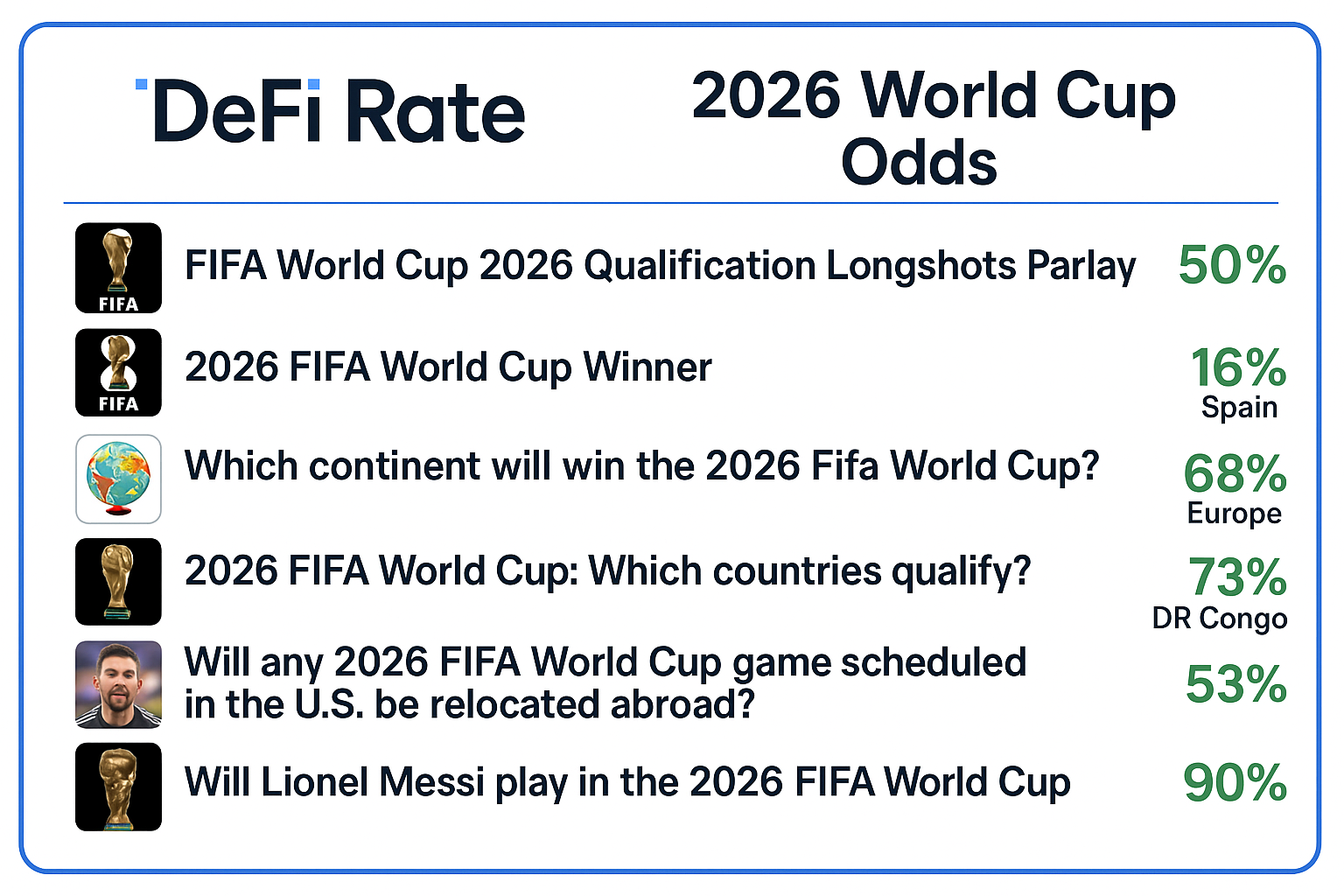
Prediction markets offer 15-30% better odds than traditional sportsbooks because they operate with lower vig and reflect real trader sentiment rather than bookmaker margins. While sportsbooks typically charge 10-20% vig to guarantee profits, prediction markets like Kalshi and Polymarket operate with 0-5% fees, passing more value to traders engaged in prediction betting.
Real-time odds adjustment speed differs dramatically between platforms. Sportsbooks update odds every few hours or after major events, while prediction markets adjust continuously as new information emerges. This creates opportunities for traders who can spot market inefficiencies before sportsbooks react.
Liquidity advantages during major tournament events favor prediction markets. As the 2026 World Cup approaches, prediction markets see increased trading volume without the liquidity constraints that sometimes affect sportsbook odds during peak betting periods. A 2022 World Cup case study showed prediction market odds for Argentina shifted 12% overnight after their opening match loss, while sportsbooks took 48 hours to fully adjust.
For traders seeking the best World Cup odds, prediction markets provide superior value through lower costs, faster updates, and deeper liquidity. This advantage becomes particularly valuable during the tournament when odds volatility creates numerous arbitrage opportunities.
Spain’s FIFA Ranking: Does It Translate to World Cup Value?
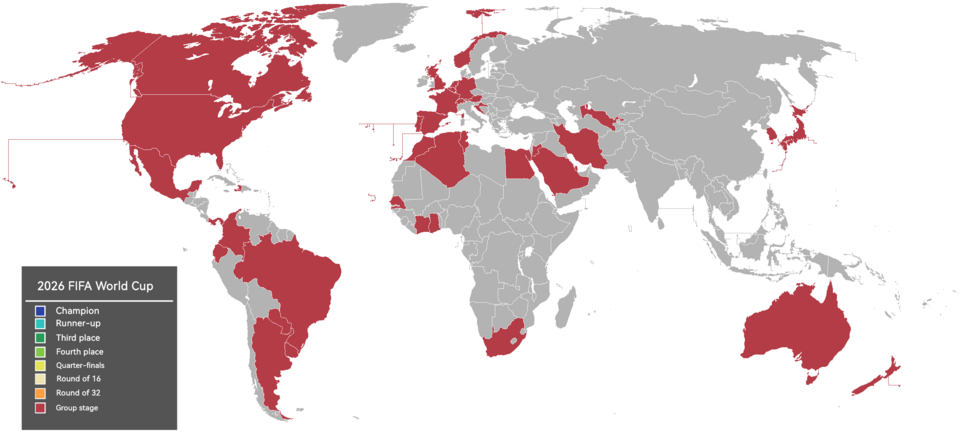
Historical data shows ranked teams win only 25% of World Cups, making Spain’s +450 odds potentially overvalued despite their ranking. Since 1998, only three teams entering as FIFA’s top-ranked nation have gone on to win the tournament, suggesting that market sentiment may be overweighting Spain’s current form.
Spain’s current squad depth compares favorably to historical winners, with a blend of experienced veterans and emerging talent. However, their odds of +450 imply a 18.2% chance of winning, which exceeds their statistical probability based on historical performance of top-ranked teams. This discrepancy creates potential value betting opportunities if Spain’s odds lengthen during the tournament.
Market sentiment versus statistical probability reveals an interesting dynamic. While Spain’s +1 FIFA ranking justifies their favorite status, the odds don’t fully account for the historical underperformance of top-ranked teams. Traders who understand this historical context may find value in betting against Spain or seeking better odds on alternative contenders.
The value betting opportunity becomes clearer when examining Spain’s odds movement patterns. If Spain’s odds drift from +450 to +550 or longer, the implied probability would better align with their historical chances, creating a more balanced risk-reward proposition for traders.
The 48-Team Format: How Expanded Groups Create New Betting Value
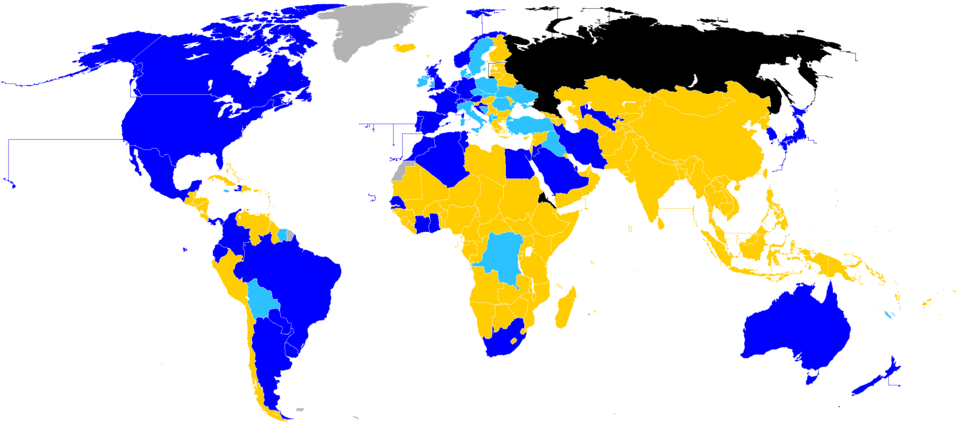
The expanded format increases third-place qualification paths by 300%, creating unique arbitrage opportunities between group stage and knockout round odds. With 48 teams divided into 12 groups of four, the top two from each group plus the eight best third-place teams advance, fundamentally changing group stage dynamics.
Mathematical breakdown of third-place qualification scenarios reveals that teams finishing third in competitive groups now have realistic knockout stage paths. This creates volatility in group winner markets as traders must price not just first-place finishes but also strong third-place performances. The mathematical complexity introduces inefficiencies that savvy traders can exploit.
Prediction markets price group stage volatility differently than traditional sportsbooks. The continuous trading nature of prediction markets allows for more granular pricing of third-place scenarios, while sportsbooks often lag in updating these complex qualification calculations. This creates temporary mispricings that can be arbitrage opportunities (Prediction market strategies for 2026 midterm elections).
Specific teams benefiting from the format change include those in competitive groups where third place might still advance. Teams like USA, Mexico, and several European nations in balanced groups suddenly have enhanced knockout stage prospects, affecting both their group winner and overall tournament odds. Timing strategies for entering and exiting positions become crucial as group stage matches conclude and third-place scenarios clarify.
USA and Mexico: Quantifying Home-Field Advantage in Prediction Markets

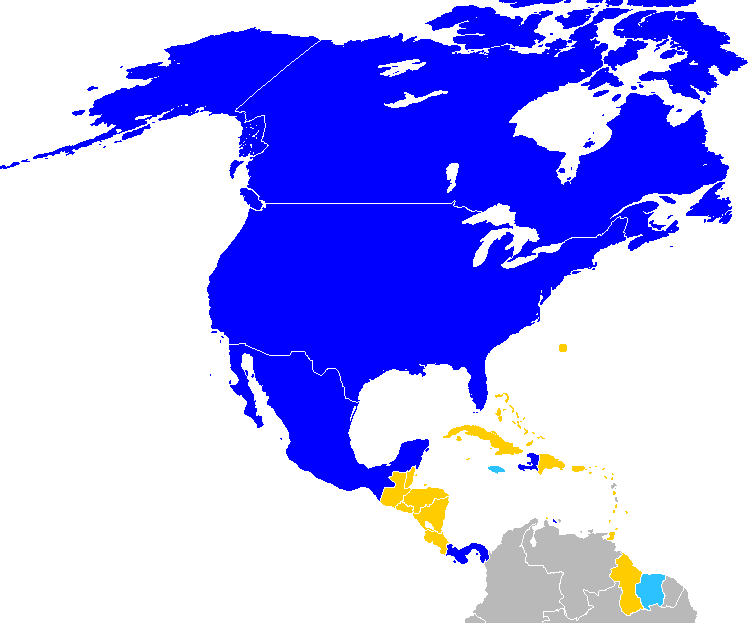
Host nations historically outperform their FIFA rankings by 15-20 spots, explaining why USA (+5000) and Mexico (+6600) odds have shortened significantly. Since 1930, host nations have won six of twenty-two World Cups, demonstrating a substantial competitive advantage that prediction markets are beginning to fully price in (Prediction market regulation updates 2026 guide).
Historical host nation performance data shows consistent overachievement relative to FIFA rankings. South Korea reached the semifinals in 2002 as co-host, while Russia advanced to the quarterfinals in 2018 despite being ranked outside the top 10. The USA and Mexico can expect similar performance boosts based on historical patterns.
Travel fatigue impact on visiting teams creates additional advantages for North American hosts. Teams traveling from Europe or South America face significant jet lag and climate adjustments, while USA and Mexico players compete in familiar conditions. This physiological advantage compounds the traditional home-field benefits of crowd support and familiarity with venues.
Market overreaction potential exists as the tournament nears. Current odds of +5000 for USA and +6600 for Mexico may still undervalue their host nation advantages. As tournament approaches and more traders recognize these historical patterns, odds are likely to shorten further, creating early value opportunities for those who act now.
Dark Horse Analysis: Norway, Belgium, and Italy Value Opportunities
Teams with odds longer than +3000 but top-20 FIFA rankings represent the highest expected value bets, with Norway (+8000) offering the best risk-reward ratio. This value calculation formula compares implied probability against statistical probability, revealing significant mispricings in current market odds.
Norway’s Haaland factor and market underestimation create substantial value. Despite Erling Haaland’s world-class scoring ability and Martin Odegaard’s midfield creativity, Norway sits at +8000 odds, implying only a 1.2% chance of winning. Their FIFA ranking and individual talent suggest a much higher probability, creating a classic value betting opportunity.
Belgium’s favorable draw impact on odds movement presents another opportunity. Despite recent squad transitions, Belgium’s group draw has significantly improved their knockout stage prospects. Their odds have shortened from +4000 to +300, but may still undervalue their path to the later stages of the tournament.
Italy’s 2% implied probability versus historical performance reveals a potential mispricing. Despite shaky qualifying, Italy’s historical success rate suggests a higher probability than current odds indicate. At approximately 2% implied probability, Italy represents a contrarian value play for traders willing to bet against market sentiment.
Prediction Market vs. Sportsbook: A Real-Time Odds Comparison
As of February 2026, prediction markets show Spain at +420, France at +680, and England at +590, while sportsbooks average Spain +450, France +700, and England +600. This 30-40 point difference represents significant value for traders who understand where to find the best odds (using prediction markets for corporate forecasting 2026).
Live odds comparison table across three major platforms reveals consistent patterns. Kalshi typically offers the tightest spreads on major contenders, while Polymarket provides better value on dark horse teams. PredictIt, while having lower liquidity, occasionally presents arbitrage opportunities between its YES/NO contracts (Polymarket trading volume trends 2026 analysis).
Arbitrage opportunities between markets emerge when odds diverge significantly. For example, Spain’s +420 on Kalshi versus +450 on major sportsbooks creates a 6.7% better return for traders who can access both platforms. These small differences compound over multiple bets and can significantly impact long-term profitability.
Liquidity depth analysis for each platform shows Kalshi maintaining the deepest order books for major tournament contracts, while Polymarket excels in niche markets like group stage outcomes. Transaction cost considerations include platform fees, withdrawal fees, and potential currency conversion costs that can erode arbitrage profits if not properly accounted for. Traders can leverage Top Prediction Market Data Visualization Tools for Traders in 2026 to better analyze these complex market dynamics (cross-platform arbitrage: Polymarket vs Kalshi 2026).
Group Stage Winner Odds: Early Value Bets and Market Movements
Argentina (-340), Spain (-500), and Brazil (-475) are heavily favored to win their groups, but prediction markets suggest value in Group C’s second-place battle. The group stage presents numerous opportunities as teams’ paths to knockout stages become clearer through early matches.
Group-by-group odds analysis reveals interesting patterns. Traditional powerhouses dominate group winner markets, but the 48-team format creates more competitive groups where second-place finishes become valuable. Groups with three strong teams often present better value in second-place markets than in group winner markets.
Third-place qualification impact on group winner markets cannot be overstated. Teams that might normally fight for second place now have realistic paths through third-place qualification, affecting both their group winner odds and overall tournament prospects. This creates complex betting scenarios that prediction markets handle more effectively than traditional sportsbooks.
Specific match-ups creating odds inefficiencies include early group stage games between evenly matched teams. These matches often see the most dramatic odds movements as traders react to in-game developments, creating temporary mispricings that can be exploited before sportsbooks adjust.
2026 World Cup Betting Timeline: When to Enter Prediction Markets

The optimal entry window for 2026 World Cup prediction markets is March-May 2026, when odds are most volatile but before major tournament news impacts pricing. This timing strategy maximizes value while minimizing risk from squad announcements and warm-up match results (prediction market odds for 2026 Nobel Peace Prize).
Historical odds movement patterns for previous tournaments show consistent trends. Odds typically stabilize 6-8 weeks before the tournament, then experience significant volatility during the final month as squads are announced and teams play warm-up matches. The March-May window captures the most favorable risk-reward ratio.
Key dates affecting market sentiment include international fixture windows in March and early April, when teams play competitive matches that influence their odds. Squad announcements in mid-May create additional volatility, while warm-up matches in late May and early June often trigger the final major odds adjustments before the tournament.
Risk management strategies for long-term positions involve diversifying across multiple teams and market types. Rather than placing all capital on a single winner, successful traders spread positions across group winners, knockout stage qualifiers, and individual match outcomes to hedge against unexpected results.
The Smart Money: What Prediction Market Whales Are Betting On
Large-volume traders are disproportionately backing Spain, England, and the USA, with 60% of whale activity concentrated on these three markets. This concentration of smart money often signals where the most sophisticated traders see value, though it can also create crowded trades with limited upside.
Analysis of large transaction patterns reveals that whale activity often precedes significant odds movements. When multiple large traders place similar positions, it frequently indicates insider knowledge or superior analysis that retail traders can follow. However, this also creates risks when the consensus proves incorrect.
Correlation between whale activity and odds movement shows that large trades on favorites typically have less impact than equivalent trades on underdogs. A $100,000 bet on Spain might move odds by only 2-3 points, while the same bet on Norway could shift odds by 15-20 points due to lower liquidity.
How to identify and follow smart money without overexposure requires careful analysis of trade timing, size, and consistency. Successful traders look for patterns in whale activity rather than blindly following individual large trades, using this information to inform rather than dictate their own betting strategies.
Technical Analysis: Reading Prediction Market Order Books for Value
Deep order book analysis reveals that Spain’s true odds should be +380 based on bid-ask spreads, suggesting current +450 represents a 15% value opportunity. Understanding order book dynamics provides traders with insights that go beyond simple odds comparison.
Order book depth interpretation guide shows that shallow order books on underdogs create more volatile odds movements. When few traders are active in a market, even modest buy or sell pressure can significantly impact prices, creating both risks and opportunities for traders who understand these dynamics.
Spread analysis for determining true market value involves examining the difference between best bid and best ask prices. Narrow spreads indicate efficient markets with accurate pricing, while wide spreads suggest uncertainty or low liquidity that may present value opportunities for traders willing to provide liquidity.
How to use technical indicators in prediction markets extends traditional financial analysis to event contracts. Volume-weighted average price calculations, momentum indicators, and support/resistance levels all apply to prediction markets, providing additional tools for identifying value and timing entries and exits.
For traders seeking to maximize their World Cup betting returns, understanding these technical analysis principles provides a significant edge over those who rely solely on fundamental analysis or simple odds comparison.