Prediction markets in 2026 have surpassed $40 billion in notional volume, driven by explosive growth in political, economic, and sports betting markets. Yet 90% of new traders lose 90% of their capital within 90 days—a sobering statistic that reveals why most beginners fail before they ever understand the fundamental mechanics of these probability engines.
This comprehensive roadmap cuts through the noise to show you exactly how to navigate platform selection, account setup, probability conversion, and risk management in 2026’s evolving prediction market landscape. Whether you’re choosing between Polymarket’s crypto-based high liquidity or Kalshi’s CFTC-regulated USD settlement, this guide provides the step-by-step framework that separates successful traders from the 90% who wash out.
Understanding Prediction Markets as Probability Engines
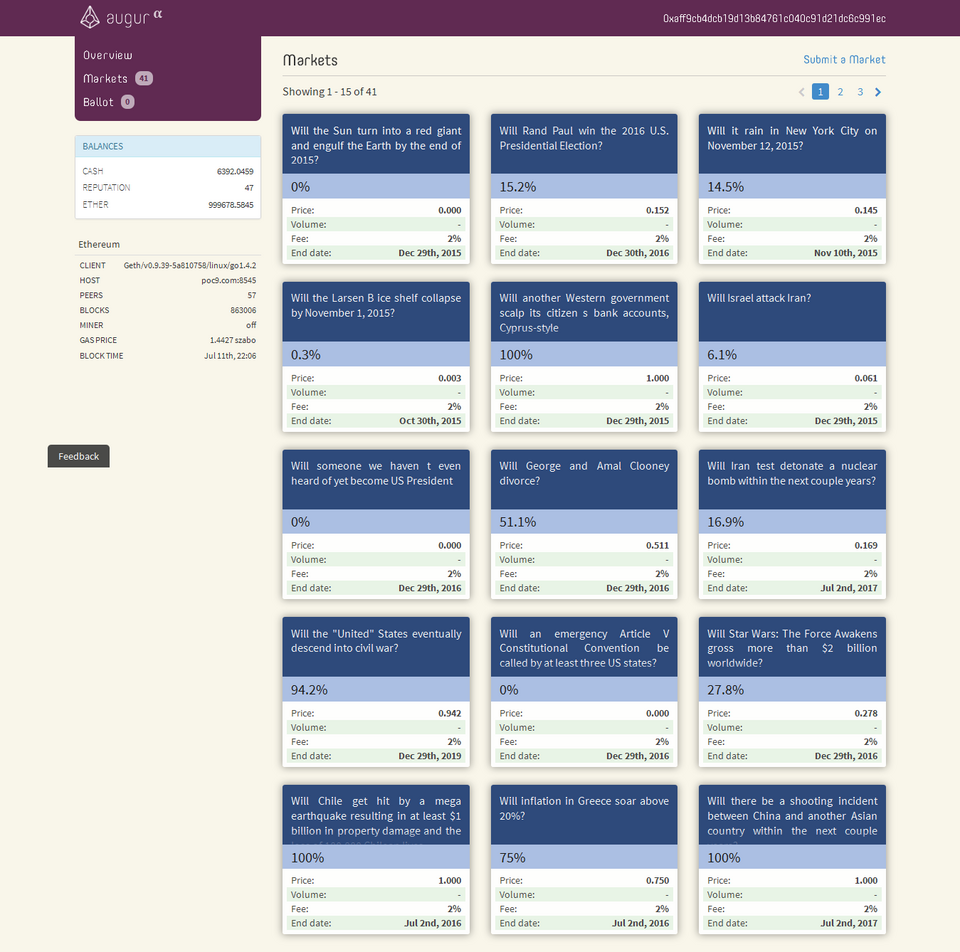
Prediction markets function as crowdsourced probability engines where contract prices directly represent implied probabilities of events occurring. When you see a “Yes” contract priced at $0.60, the market is telling you there’s a 60% chance that event will happen—this is the fundamental insight that separates successful traders from gamblers.
The beauty of this system lies in its information aggregation efficiency. Markets move in real-time with news events and official data releases, often faster than traditional polls or analysis. A 2026 TabbFORUM report found that prediction markets react to major news events 3-4 minutes faster than conventional financial markets, creating opportunities for traders who understand the probability conversion mechanics.
Binary settlement is the backbone of prediction markets. Contracts settle at either $1 (correct) or $0 (incorrect), making risk management straightforward—your maximum loss is precisely the amount you paid for the contract. This clarity is why prediction markets are increasingly used by professional forecasters and why understanding probability conversion is your first critical skill.
Price-to-Probability Conversion Made Simple
Converting market prices to probabilities requires no complex math. Simply take the contract price and multiply by 100. A $0.49 contract equals a 49% probability, a $0.75 contract equals 75%, and so on. The “60/40” mispricing rule is your first edge: in perfectly efficient markets, Yes+No should equal $1.00. When you see 40¢ + 50¢ = 90¢, arbitrage opportunities exist.
Common beginner mistakes include treating prices as odds rather than probabilities, ignoring the time decay component, and failing to recognize that even “sure things” can fail. A contract priced at $0.95 still has a 5% chance of being wrong—understanding this prevents catastrophic losses when unexpected outcomes occur.
The 2026 Platform Landscape — Where to Start Trading
Polymarket leads the 2026 prediction market landscape with 45% market share, offering crypto-based high-liquidity markets that attract global traders. Kalshi follows with 30% share, positioning itself as the premier CFTC-regulated, USD-settled platform for U.S. traders who prioritize regulatory compliance over maximum liquidity.
Emerging aggregators like Tradefox are changing the beginner experience by combining multiple platforms into single interfaces, reducing the technical barriers that historically prevented new users from entering prediction markets. These platforms handle the complexity of managing multiple accounts, different settlement currencies, and varying fee structures.
Platform selection should be based on your location, risk tolerance, and trading goals. U.S. residents face stricter regulatory requirements but gain consumer protections through CFTC oversight. International traders have access to higher-liquidity crypto markets but must navigate additional security considerations and potential tax implications.
Account Setup Step-by-Step for Beginners
Creating your first prediction market account follows a consistent pattern across platforms: create account → verify identity → fund account → enable two-factor authentication → start with minimum trade. Polymarket requires $1 minimum deposits while Kalshi sets the bar at $5, making both accessible to beginners testing the waters.
KYC verification typically takes 24-72 hours, with common pitfalls including mismatched identification documents, insufficient proof of address, and camera quality issues during selfie verification. Enable two-factor authentication immediately upon account creation—prediction markets handle real money, and security breaches can be financially devastating.
Funding methods vary significantly between platforms. Polymarket accepts crypto deposits (primarily USDC and ETH) while Kalshi supports traditional payment methods including bank transfers and credit cards. Choose funding methods based on your existing financial infrastructure and tax reporting preferences.
Reading Market Prices — The Probability Conversion Foundation
Market prices are direct probability indicators; a $0.60 contract price means the market assigns a 60% probability to that outcome. This fundamental relationship is why prediction markets are called “crowdsourced probability engines”—they aggregate dispersed information into actionable probability estimates.
Visual probability conversion charts help beginners internalize this relationship. A simple table showing prices from $0.10 to $0.90 alongside their percentage equivalents (10% to 90%) creates the mental mapping necessary for quick market analysis. Practice this conversion until it becomes automatic—speed in probability assessment separates successful traders from reactive gamblers.
Market efficiency varies significantly across different prediction markets. Political elections typically show high efficiency due to extensive coverage and analysis, while niche markets like local politics or specialized technology adoption may present significant mispricing opportunities for traders with domain expertise.
Different Contract Types Explained
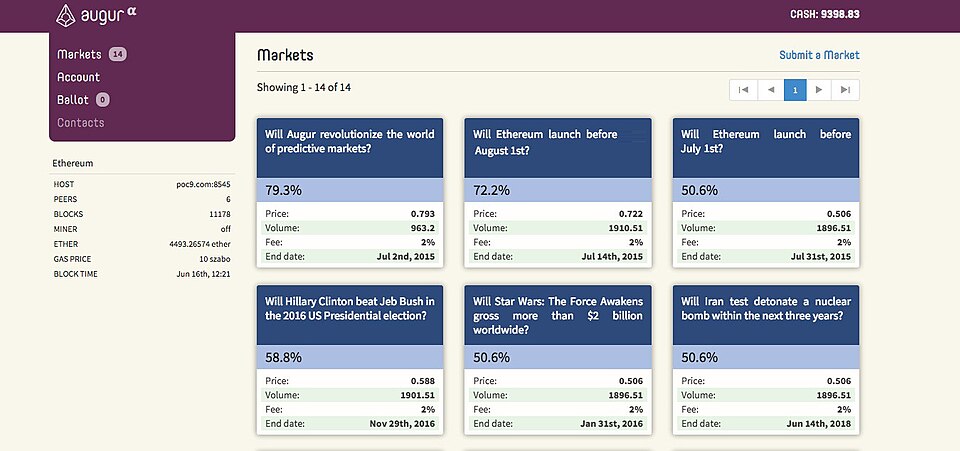
Binary contracts settle at $0 or $1, making them the most straightforward option for beginners. You’re simply betting on whether an event will happen (Yes) or won’t happen (No). Scalar contracts use numerical ranges—predicting that GDP will fall between 1.5% and 2.5%, for example. Categorical contracts offer multiple outcome choices, such as predicting which candidate will win an election among five possibilities.
Visual examples clarify these distinctions. A binary contract for “Will Candidate X win?” shows Yes at $0.60 and No at $0.40. A scalar contract for “Q2 2026 unemployment rate” might show ranges from 3.5%-4.0% at $0.30 to 4.5%-5.0% at $0.20. Categorical contracts display multiple candidates with individual probability prices.
Beginner-friendly starting points include binary contracts on major political elections or economic indicators. These markets have clear resolution criteria, high liquidity, and extensive public information that levels the playing field between retail and professional traders.
The 90-90-90 Rule — Why Most Beginners Fail (And How to Beat It)
The 90-90-90 rule states that 90% of traders lose 90% of their capital within 90 days due to psychological traps and poor risk management. Prediction markets amplify these risks through their 24/7 nature, instant settlement, and the emotional volatility of real-world events like elections and economic crises.
Psychological traps include revenge trading after losses, over-leveraging on “sure things,” and failing to maintain discipline during market volatility. The fast-paced nature of political and news events creates emotional betting cycles that mirror Forex or stock trading but with even faster feedback loops that can destroy capital quickly.
Countering the 90-90-90 rule requires strict adherence to risk management principles. Never risk more than 1-2% of your bankroll on a single trade, use stop-losses mentally by defining exit points before entering positions, and understand that even high-probability events can fail. A 95% probability event still fails 5% of the time—plan accordingly.
Five Essential First Trades for New Traders
Start with political elections, economic indicators, or major sporting events that have clear resolution criteria and high liquidity. These markets provide the ideal training ground because they’re well-covered, have established resolution mechanisms, and attract sufficient trading volume to ensure you can enter and exit positions efficiently.
Specific first trade recommendations include major presidential elections, quarterly GDP releases, and championship sporting events. These markets have transparent resolution criteria (official election results, government economic data, final game scores) that eliminate ambiguity about when and how contracts settle.
Why these markets are beginner-friendly: they have extensive public information that reduces the information asymmetry between retail and professional traders, established trading communities that provide educational resources, and sufficient liquidity to prevent being stuck in positions you can’t exit.
Risk Management for Prediction Market Beginners
Never risk more than 1-2% of your bankroll on a single trade, use stop-losses mentally by defining invalidation levels before entering positions, and understand that even “sure things” can fail. Prediction markets require different risk management approaches than traditional trading because of their binary settlement structure and event-driven volatility.
Practical risk management frameworks include the 1% rule (never risk more than 1% of total account on any single prediction), position sizing based on confidence levels (higher confidence = larger position, but never exceeding 2%), and maximum drawdown limits (stop trading if you lose 20% of your bankroll).
Common beginner over-leverage mistakes include betting too much on high-probability events, failing to account for time decay in longer-term contracts, and revenge trading after losses. The 24/7 nature of prediction markets means you must actively manage these risks rather than setting and forgetting positions.
Your First Month Trading Plan — From $0 to Consistent Profits
Week 1: Learn platform mechanics; Week 2: Paper trade; Week 3: Small real trades; Week 4: Scale gradually while maintaining discipline. This progressive approach builds the knowledge foundation necessary for long-term success while minimizing the capital at risk during the learning curve.
Week 1 focuses on understanding how to navigate your chosen platform, read market prices, and execute trades without risking real money. Spend time watching market movements, reading community discussions, and practicing with the platform’s interface until you’re comfortable with the mechanics.
Week 2 involves paper trading using the platform’s simulation features or tracking hypothetical trades on paper. This bridges the gap between theoretical knowledge and real trading psychology without financial risk. Track your paper trading results to identify patterns in your decision-making.
Week 3 transitions to small real trades with strict position sizing (no more than 0.5% of your bankroll per trade). Focus on markets you’ve studied extensively and have high confidence in. The goal is to experience real trading psychology while keeping potential losses minimal.
Week 4 scales gradually based on your performance and comfort level. If Week 3 trades were profitable and you maintained discipline, increase position sizes to 1% of your bankroll. Continue focusing on markets you understand well rather than chasing every opportunity.
Advanced Concepts for Long-Term Success
Time decay (theta) affects prediction market contracts similarly to options. The closer a contract gets to the settlement date without the outcome occurring, the more a “Yes” contract price will decay. Understanding this decay pattern helps you time entries and exits for maximum profitability, similar to how traders analyze Nobel Peace Prize betting 2026 markets where timing is crucial.
Information asymmetry creates the best opportunities in prediction markets. The most profitable trades often lie in obscure or niche markets where specialized knowledge allows you to predict outcomes better than the general public. Local politics, specialized technology adoption, or industry-specific events often present mispricing opportunities.
Liquidity risks become significant in “thin” or less popular markets. You may be unable to exit a position without significantly lowering your price, notes a 2026 TabbFORUM report. Always check trading volume and bid-ask spreads before entering positions, especially in markets outside major political or economic events.
Common Questions and Troubleshooting
Why do 90% of day traders lose money? The combination of psychological traps, poor risk management, and lack of proper education creates a perfect storm for capital destruction. Prediction markets amplify these risks through their 24/7 nature and instant settlement.
Can you make $1000 a day with day trading? While possible, this requires significant capital, extensive experience, and exceptional discipline. Beginners should focus on consistent small profits rather than chasing large daily gains that often lead to catastrophic losses.
What is the 84% rule in trading? While not specific to prediction markets, the 84% rule suggests that 84% of trading success comes from psychology and risk management rather than market analysis. This principle applies doubly to prediction markets where emotional control is critical.
Resources and Further Reading
For deeper dives into specific prediction market strategies, explore our comprehensive guides on Apple product launch betting strategies and Q2 2026 unemployment rate markets.
Advanced traders should study conditional tokens and correlated event trading to unlock more sophisticated profit strategies beyond simple binary contracts.
For platform-specific guidance, our Metaculus review 2026 provides insights into forecasting tournament strategies that complement prediction market trading.
Sports bettors transitioning to prediction markets will find valuable insights in our World Cup 2026 logistics betting guide.
Finally, our analysis of space exploration betting odds 2026 demonstrates how niche markets can present unique opportunities for traders with specialized knowledge.
The path to successful prediction market trading requires patience, discipline, and continuous learning. By following this roadmap and avoiding the common pitfalls that trap 90% of beginners, you can position yourself among the minority who consistently profit from these probability engines.