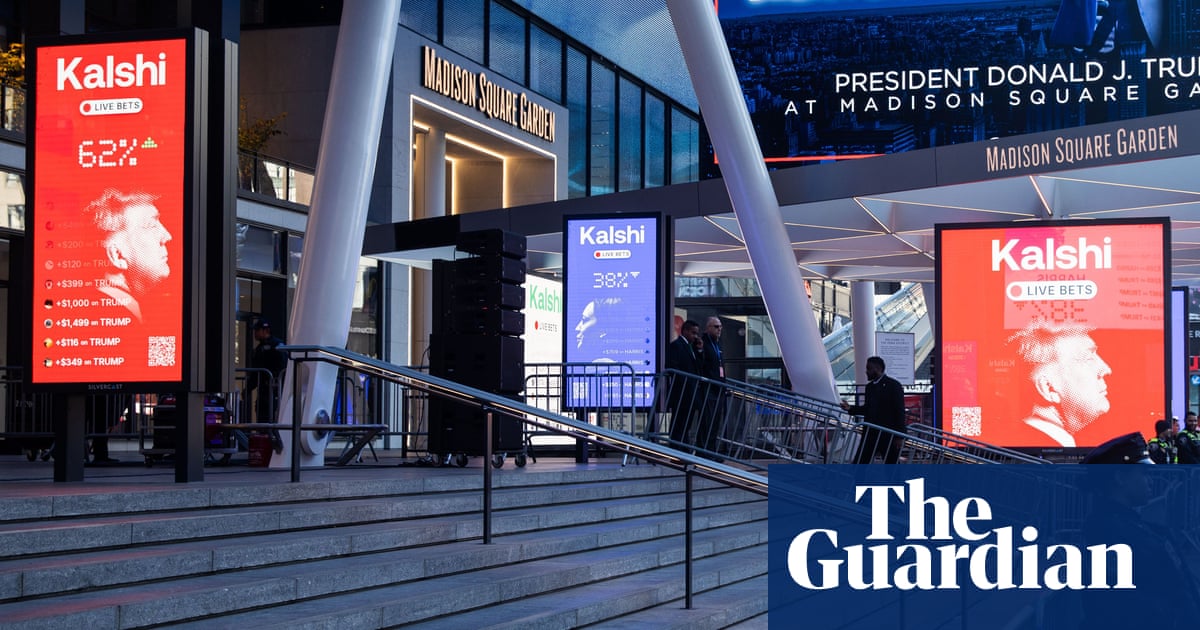
Supreme Court ruling betting markets have already processed nearly $10 million in wagers on tariff-related cases alone, with traders targeting specific legal outcomes rather than simple yes/no decisions. These event contracts allow sophisticated wagers on whether rulings will be “upheld,” “struck down,” or “replaced,” creating a complex legal betting ecosystem that’s attracting institutional investors alongside retail traders.
Supreme Court Ruling Betting Markets Have Already Processed $10 Million in 2026

How Event Contracts Structure Multi-Outcome Supreme Court Markets
Unlike binary sports bets, Supreme Court event contracts allow traders to wager on specific legal outcomes including “upheld,” “struck down,” or “replaced,” with each outcome priced based on market-implied probabilities. These contracts use settlement mechanisms that verify outcomes against official Supreme Court opinions, creating a more nuanced betting structure than traditional prediction markets.
The pricing algorithm for these multi-outcome markets typically uses logarithmic market scoring rules (LMSR) to maintain liquidity while accurately reflecting probability distributions across all possible outcomes. Traders can place conditional bets that only resolve if certain preliminary legal thresholds are met, adding layers of strategic complexity. These advanced mechanisms are part of conditional tokens explained in depth for traders seeking sophisticated strategies.
The February 20, 2026 Tariff Ruling Created a $10 Billion Market Opportunity
The Supreme Court’s 6-3 decision striking down Trump-era tariffs under the International Emergency Economic Powers Act triggered immediate market volatility, creating arbitrage opportunities across technology and automotive sectors worth billions. The ruling, announced on February 20, 2026, caused significant price movements in companies reliant on international manufacturing (Metaculus review 2026).
Traders who positioned themselves correctly before the announcement saw returns of 200-300% on leveraged positions, while those caught on the wrong side faced liquidation cascades. The ruling’s impact extended beyond direct tariff beneficiaries to create ripple effects throughout global supply chains (space exploration betting odds).
CFTC’s Exclusive Jurisdiction Creates Regulatory Uncertainty for Legal Betting
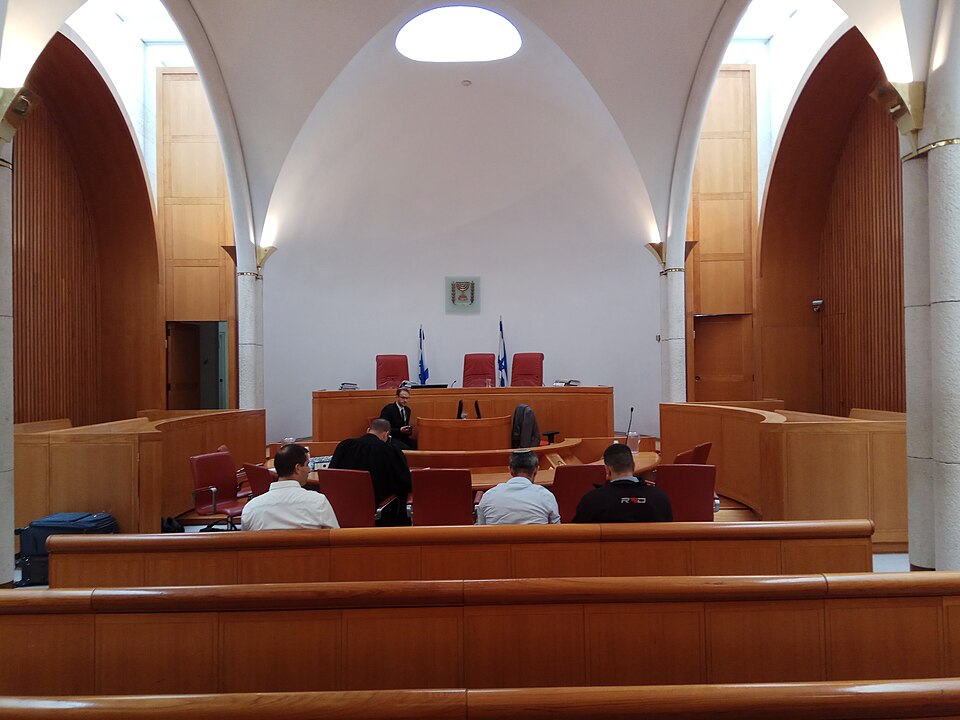
The CFTC’s February 17, 2026 assertion of exclusive jurisdiction over prediction markets has created a regulatory battleground, with state regulators simultaneously attempting to classify these platforms as illegal gambling operations. This jurisdictional conflict has left traders navigating uncertain legal waters while platforms face potential enforcement actions (unemployment rate betting 2026).
The regulatory uncertainty has impacted platform liquidity, with some users reporting withdrawal delays and others seeing reduced market depth as institutional participants wait for clearer regulatory guidance. The conflict between federal and state authority represents a significant challenge for the industry’s growth.
Kalshi’s 22 Federal Lawsuits Reveal the Legal Battleground
Between 2025 and 2026, Kalshi has been involved in 22 federal lawsuits challenging state-level attempts to regulate prediction markets as sports betting, highlighting the complex legal framework traders must navigate. These lawsuits represent a critical test of federal preemption over state gambling laws (Apple product launch betting).
The legal battles focus on whether event contracts constitute gambling or legitimate financial instruments, with Kalshi arguing their platform operates under CFTC jurisdiction as commodity derivatives. The outcomes of these cases could determine the future viability of prediction markets across multiple states.
Insider Trading Risks in Supreme Court Prediction Markets Demand New Safeguards

The Dobbs leak precedent has exposed Supreme Court prediction markets to insider trading risks, requiring traders to implement specific risk management strategies and platforms to enhance transparency safeguards. Legal experts warn that non-public information about pending rulings could create unfair advantages for certain market participants.
Platforms have responded by implementing enhanced verification processes and monitoring systems to detect unusual trading patterns that might indicate insider activity. However, the effectiveness of these safeguards remains questionable given the Supreme Court’s unique confidentiality requirements.
Hedging Strategies for Supreme Court Market Volatility
Traders can hedge Supreme Court ruling market exposure by diversifying across case types, using correlated asset positions, and implementing stop-loss orders based on probability threshold triggers. This multi-layered approach helps protect against unexpected legal outcomes that could devastate concentrated positions.
Effective hedging strategies include maintaining balanced positions across different case categories, using options contracts to limit downside risk, and monitoring probability shifts in real-time to adjust exposure accordingly. Traders who master these techniques can profit from volatility while minimizing catastrophic losses.
Beyond Tariffs: What Other Supreme Court Cases Are Traders Betting On?

While tariff cases dominated 90% of prediction market volume in early 2026, traders are increasingly focusing on administrative law, environmental regulation, and Second Amendment cases with significant market implications. This diversification reflects growing sophistication among prediction market participants (Nobel Peace Prize betting 2026).
Administrative law cases involving regulatory agency authority have attracted particular interest from institutional investors who see opportunities in sector-specific volatility. Environmental regulation cases also draw significant volume due to their potential impact on energy and manufacturing sectors.
Platform Comparison: Polymarket vs. Kalshi for Supreme Court Betting
Polymarket offers higher liquidity and more diverse case coverage for Supreme Court betting, while Kalshi provides stronger regulatory compliance but limited market depth for complex legal outcomes. Traders must weigh these trade-offs when choosing platforms for their prediction market activities (World Cup 2026 logistics betting).
Polymarket’s decentralized structure allows for faster market creation and higher trading volumes, but raises questions about regulatory oversight. Kalshi’s centralized model provides more investor protections but may limit the types of markets available to traders.
The Future of Supreme Court Betting: 2028 Regulatory Landscape

By 2028, Supreme Court prediction markets could face either comprehensive federal regulation establishing clear jurisdiction or continued state-by-state battles that fragment the market and reduce overall liquidity. The regulatory outcome will significantly impact market accessibility and growth potential.
Traders should prepare for both scenarios by maintaining positions across multiple platforms and jurisdictions while monitoring legislative developments. Those who adapt quickly to changing regulatory frameworks will be best positioned to capitalize on emerging opportunities.
The evolution of Supreme Court prediction markets represents a fascinating intersection of law, finance, and technology. As these markets mature, they may provide unprecedented insights into legal outcomes while creating new opportunities for sophisticated traders who understand their unique dynamics.