

“`html
Prediction markets offer unique opportunities, but also come with inherent risks. Limiting your risk to 1% of your portfolio per bet is a crucial first step. This prevents significant drawdowns and allows for long-term participation, according to QuantInsti’s risk management guidelines.
Smart Betting: Essential Prediction Market Risk Management Techniques
Understanding Risk in Prediction Markets
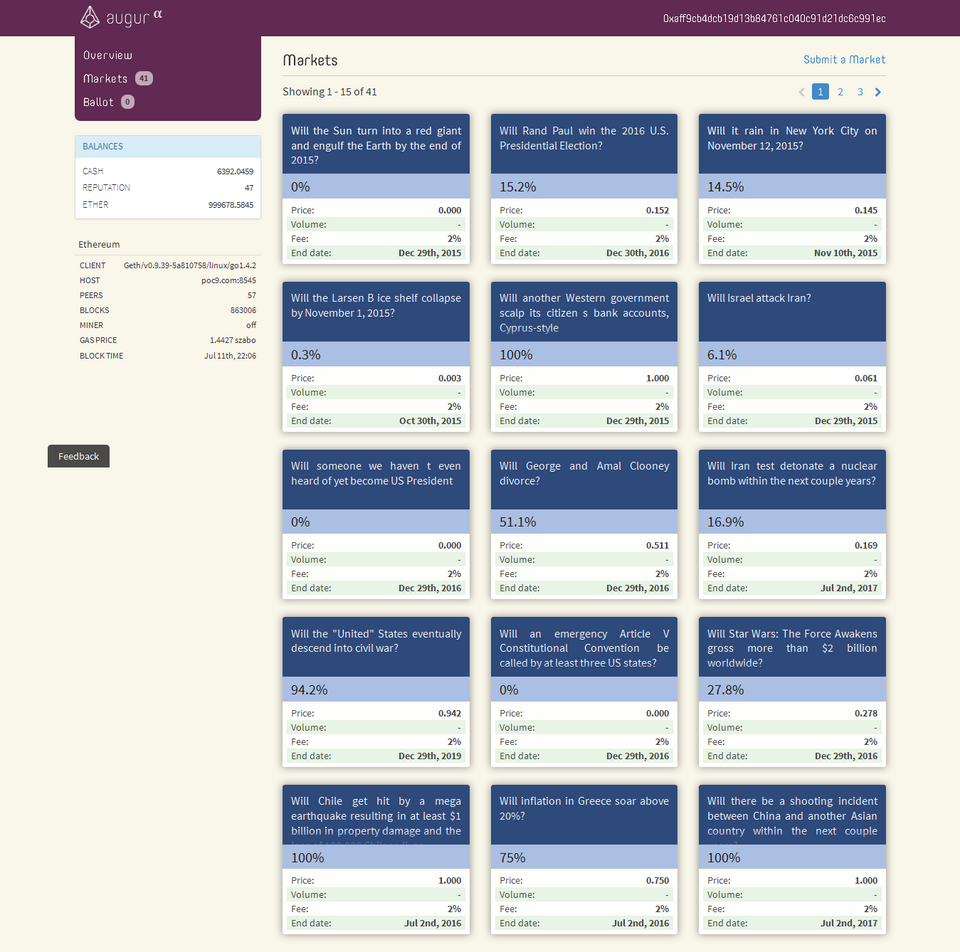
Managing risk using prediction markets involves understanding the probabilities and potential outcomes to make informed decisions and minimize potential losses.
Prediction markets, while offering potentially lucrative opportunities, are inherently risky. Understanding the nature of these risks is the first step towards effective risk management. These risks stem from the volatility of event outcomes, the uncertainty of information, and the potential for market manipulation. Effective risk management combines position sizing, diversification, and hedging to mitigate these factors.
Sources of Risk in Prediction Markets
Several factors contribute to the risks in prediction markets:
- Event Uncertainty: The outcome of events is never guaranteed, and unexpected events can drastically alter market prices.
- Information Asymmetry: Some traders may have access to information that others do not, creating an uneven playing field.
- Market Manipulation: Although less common on regulated exchanges, the possibility of manipulation exists, where individuals or groups attempt to influence market prices for their own gain.
- Liquidity Risk: Difficulty in quickly buying or selling contracts without significantly impacting the price.
Position Sizing Strategies for Prediction Markets
The Kelly Criterion helps determine the optimal fraction of your bankroll to bet, maximizing long-term growth while managing risk. The formula is f* = (bp – q)/b, where ‘f*’ is the fraction to bet, ‘b’ is the net odds, ‘p’ is the win probability, and ‘q’ is the loss probability.
Position sizing is a fundamental risk management technique that involves determining the appropriate amount of capital to allocate to each trade. Two popular position sizing strategies are the Kelly Criterion and the 1% Rule. These strategies help traders balance risk and reward, preventing overexposure and potential ruin. Implementing proper position sizing is critical, especially when trading on platforms like Polymarket or Kalshi where market conditions can shift rapidly.
The Kelly Criterion
The Kelly Criterion is a mathematical formula used to determine the optimal fraction of your bankroll to bet on a given opportunity. The formula is:
f* = (bp – q) / b
Where:
- f* = the fraction of your bankroll to bet
- b = the net odds received on the bet (decimal odds – 1)
- p = the probability of winning
- q = the probability of losing (1 – p)
According to Wikipedia, the Kelly Criterion maximizes the long-term growth rate of your bankroll. For example, if you estimate a 60% chance of winning a bet with even odds (b=1), the Kelly Criterion suggests betting 20% of your bankroll. However, many traders use a “half-Kelly” approach to reduce volatility, betting only 10% in this case. Remember to check out our guide to making money on prediction markets for more strategies.
The 1% Rule
The 1% Rule dictates that you should risk no more than 1% of your trading capital on any single trade. This conservative approach helps protect your capital and prevents significant losses from any one event. QuantInsti emphasizes that the 1% rule ensures that a string of losses won’t wipe out your account. For instance, with a $10,000 account, the maximum you should risk on a single trade is $100.
Diversification Strategies in Prediction Markets
Diversifying across uncorrelated events—such as politics, sports, and crypto—reduces idiosyncratic risk. A portfolio’s standard deviation can drop by 30-50% by diversifying across asset classes, as noted by AvaTrade.
Diversification involves spreading your investments across a variety of different markets and contract types. By diversifying, you reduce your exposure to any single event or market, mitigating the impact of unforeseen outcomes. Diversification can be achieved by trading across different categories and avoiding correlated assets.
Diversifying Across Event Categories
Prediction markets offer contracts on a wide range of events, including:
- Politics (elections, policy decisions)
- Sports (game outcomes, player performance)
- Economics (inflation rates, interest rate decisions)
- Crypto (price movements, blockchain adoption)
- World Events (geopolitical events, natural disasters)
- Politics (elections, policy decisions)
- Sports (game outcomes, player performance)
- Economics (inflation rates, interest rate decisions)
- Crypto (price movements, blockchain adoption)
- World Events (geopolitical events, natural disasters)
Spreading your investments across these diverse categories reduces the risk that a single event will significantly impact your portfolio. Be sure to check out our article on prediction markets vs sports betting, which offers better odds and insights.
Avoiding Correlated Assets
It’s crucial to avoid investing in assets that are highly correlated. For example, betting on both a candidate winning an election and their party gaining control of the legislature involves correlated risk. If the candidate loses, both bets are likely to fail. Identifying and avoiding such correlations is vital for effective diversification.
Hedging Strategies for Prediction Markets
Hedging involves taking offsetting positions to mitigate potential losses. By buying both “Yes” and “No” shares in a market, traders can lock in a profit, minimizing risk exposure to potential market shifts.
Hedging involves taking positions that offset potential losses in your existing trades. In prediction markets, this typically involves buying contracts that have opposing outcomes. Platforms like Polymarket and Kalshi facilitate hedging through their liquid markets, enabling traders to execute these strategies effectively. These techniques are especially useful when trading on a Fed rate decision prediction market.
Buying “Yes” and “No” Shares
One common hedging strategy involves buying both “Yes” and “No” shares in the same market. For example, if you initially bought “Yes” shares at $0.75, and the probability of that outcome increases, you can buy “No” shares at a lower price, such as $0.10. This locks in a profit, regardless of the final outcome, minus the spread. This strategy is detailed in Navnoor Bawa’s Substack.
Using Options Contracts
Some prediction market platforms offer options contracts that can be used for hedging. Options provide the right, but not the obligation, to buy or sell an asset at a specific price. By using options, you can protect your portfolio from downside risk while still participating in potential upside gains.
Managing Liquidity Risk
Liquidity risk arises when it’s difficult to buy or sell contracts quickly without impacting prices. Monitoring trading volume and using limit orders can help mitigate this risk, ensuring smoother entry and exit from positions.
Liquidity risk refers to the risk that you may not be able to buy or sell a contract quickly enough to prevent a loss, or that your attempt to do so will significantly impact the market price. Managing liquidity risk involves selecting liquid markets, using limit orders, and monitoring trading volume. Remember to check out our article on prediction market trading volume 2026.
Selecting Liquid Markets
Liquid markets have a high trading volume and tight bid-ask spreads, making it easier to enter and exit positions without impacting the price. When choosing a prediction market, prioritize platforms and contracts with high liquidity.
Using Limit Orders
Limit orders allow you to specify the price at which you are willing to buy or sell a contract. By using limit orders, you can avoid executing trades at unfavorable prices due to low liquidity. This is especially useful in volatile markets.
Understanding Probability Pricing and Stop-Losses
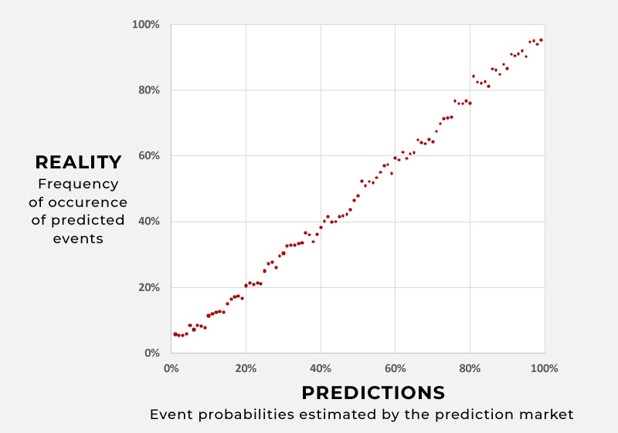
Prediction market prices reflect probabilities, enabling traders to set stop-losses based on probability thresholds. For example, if a contract’s price drops below a certain probability, a stop-loss order can automatically exit the position.
In prediction markets, contract prices reflect the implied probability of an event occurring. A contract trading at $0.70 implies a 70% probability of the event happening. Understanding this relationship allows traders to set stop-loss orders based on probability thresholds, limiting potential losses. Combining probability pricing with risk management is key to success, so be sure to check out our prediction market beginner guide 2026.
Setting Probability-Based Stop-Losses
Instead of setting stop-losses based on arbitrary price levels, consider using probability thresholds. For example, if you buy a contract at $0.80 (80% probability) and are willing to risk a 20% decline in probability, you can set a stop-loss at $0.60. If the price drops below this level, your position will automatically be closed.
Adjusting Position Size Based on Implied Odds
Adjust your position size based on the implied odds of the contract. If the odds are highly favorable, you may consider increasing your position size, while reducing it for less favorable odds. This approach aligns your risk with the potential reward.
Navigating the Regulatory Landscape
Polymarket operates in a legally grey area, while Kalshi is CFTC-regulated, offering a safer environment. Understanding these regulatory differences is crucial for managing legal and financial risks.
The regulatory landscape for prediction markets is still evolving. Different platforms operate under different legal frameworks, and it’s essential to understand these differences to manage your risk effectively. Understanding CFTC-regulated prediction markets is crucial for all traders.
Polymarket’s Legal Status
Polymarket operates in a legally grey area, as it is not currently regulated by the CFTC. While this allows for a wider range of contracts, it also introduces additional risk. Traders should be aware of the potential for regulatory action and the impact this could have on their investments.
Kalshi’s CFTC Regulation
Kalshi is a CFTC-regulated prediction market, offering a more secure and compliant trading environment. The CFTC’s oversight provides greater protection for traders and ensures that the platform adheres to strict regulatory standards. However, this also means that Kalshi may have a more limited selection of contracts compared to unregulated platforms.
Key Takeaways for Managing Risk
Mastering risk management in prediction markets is crucial for long-term success. By implementing strategies like position sizing with the Kelly Criterion, diversifying across uncorrelated events, hedging positions, managing liquidity, and understanding the regulatory landscape, traders can significantly reduce their risk exposure. Remember, informed decisions and a disciplined approach are your best tools for navigating the exciting world of prediction markets.
“`