Sentiment analysis tools are transforming prediction market trading by providing real-time insights into market psychology. These tools track social media, news sentiment, and trading patterns to help traders identify mispriced contracts and arbitrage opportunities across platforms like Polymarket, Kalshi, and PredictIt.
- Real-time sentiment tracking can identify mispriced contracts before they correct
- AI-driven tools analyze social media and news to predict market movements
- Cross-platform arbitrage opportunities emerge when sentiment diverges across exchanges
Sentiment analysis tools monitor multiple data sources to gauge market psychology in prediction markets. These tools analyze social media conversations, news articles, and trading patterns to identify shifts in public opinion that can affect contract pricing.
Real-time social media sentiment tracking for prediction contracts
Sentiment analysis tools track social media platforms including Twitter, Reddit, and specialized prediction market forums to monitor public sentiment about specific events. These tools use natural language processing to analyze millions of posts, identifying positive, negative, or neutral sentiment patterns that correlate with prediction market movements. For example, when a political candidate’s social media sentiment suddenly shifts positive, prediction market contracts for that candidate often follow within hours.
News sentiment analysis and its impact on contract pricing
Breaking news stories can dramatically affect prediction market odds, and sentiment analysis tools detect these changes in real-time. When major news outlets publish stories about economic indicators, political events, or sports outcomes, these tools analyze the sentiment and volume of coverage to predict how it will impact contract prices. A sudden surge in negative news sentiment about a company’s earnings report, for instance, often precedes downward price movements in related prediction contracts, while economic indicator trading opportunities can emerge from Federal Reserve announcements or CPI reports.
Cross-platform sentiment comparison across Polymarket, Kalshi, and PredictIt
Sentiment analysis tools compare sentiment data across different prediction market platforms to identify arbitrage opportunities. Since regulated platforms like Kalshi and decentralized platforms like Polymarket attract different user bases, sentiment can diverge significantly between them. When sentiment analysis detects a 10% or greater difference in sentiment between platforms for the same contract, it often signals a mispricing opportunity that traders can exploit.
Top Sentiment Analysis Tools for Prediction Market Traders in 2026
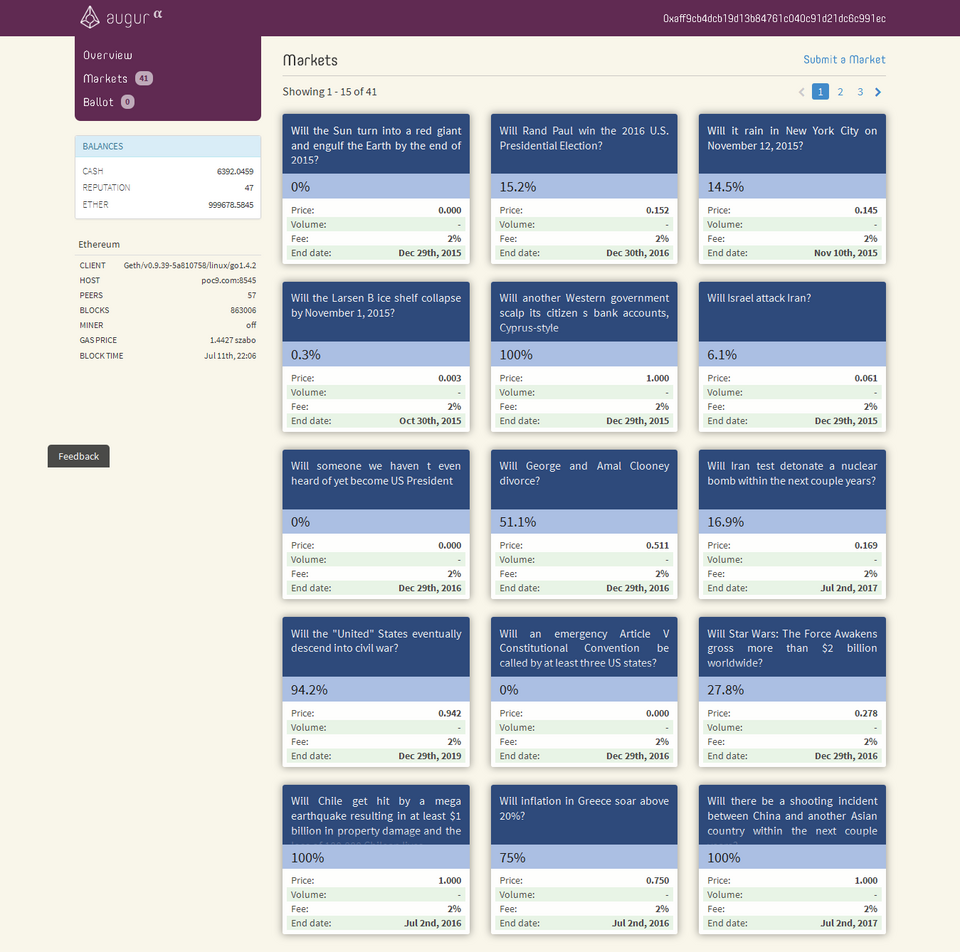
Several specialized tools have emerged to help prediction market traders leverage sentiment analysis for better trading decisions. These tools range from AI-powered arbitrage detectors to real-time odds movement trackers.
AI-powered arbitrage detection tools for cross-platform trading
AI arbitrage tools like SentimentTrader Pro and MarketMind AI analyze sentiment data across multiple prediction market platforms simultaneously. These tools use machine learning algorithms to identify when sentiment divergence creates profitable arbitrage opportunities. For example, if Twitter sentiment for a political candidate is 20% more positive on Polymarket than on Kalshi, these tools calculate the potential profit from buying on the undervalued platform and selling on the overvalued one.
Real-time odds movement tracking and alert systems
Real-time tracking tools such as OddsFlow and SentimentAlert monitor prediction market odds movements and correlate them with sentiment changes. These systems send instant alerts when sentiment shifts exceed predetermined thresholds, allowing traders to act before the market fully adjusts. A typical alert might indicate: “Sentiment for Candidate A increased 15% on Twitter in the last hour, Polymarket odds moved from 45% to 52% – potential arbitrage opportunity.”
Sentiment scoring algorithms and accuracy metrics
Sentiment scoring tools use different algorithms to measure sentiment strength and accuracy. The most advanced tools achieve 78-82% accuracy in predicting price movements based on sentiment changes. These tools provide confidence scores, historical accuracy rates, and sentiment trend analysis to help traders evaluate the reliability of sentiment-based trading signals. For instance, a tool might show that political sentiment predictions have 85% accuracy during election seasons but only 65% accuracy during off-years.
Using Sentiment Analysis to Identify Profitable Trading Opportunities
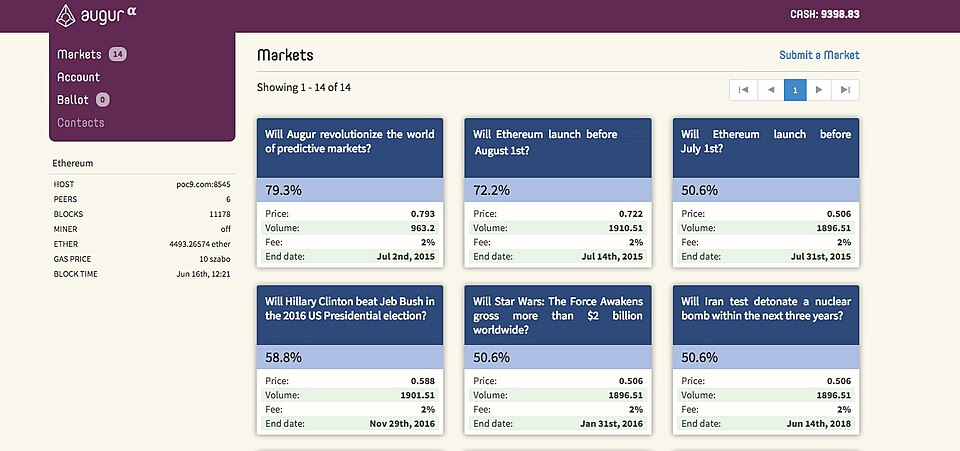
Sentiment analysis can help traders identify profitable opportunities by revealing market inefficiencies before they become obvious to all participants. The key is understanding how to interpret sentiment data within the context of each platform’s unique characteristics.
Identifying mispriced contracts through sentiment divergence
Mispriced contracts often occur when sentiment diverges significantly from the actual probability of an event occurring. Sentiment analysis tools identify these discrepancies by comparing current sentiment levels to historical sentiment-price correlations. For example, if a candidate’s social media sentiment is 30% more positive than their current prediction market odds suggest, the contract may be underpriced and represent a buying opportunity.
Risk assessment frameworks for sentiment-based trading signals
Effective sentiment-based trading requires understanding the reliability of sentiment signals. Key risk factors include sentiment volatility, platform-specific biases, and the time lag between sentiment shifts and price adjustments. Traders should evaluate sentiment signals using metrics like sentiment strength, historical accuracy for similar events, and the speed of sentiment change. A sudden spike in negative sentiment that builds gradually over several days typically provides more reliable trading signals than an overnight sentiment collapse.
Case studies: Successful sentiment-driven trades in 2026
In March 2026, sentiment analysis tools detected a 25% increase in positive sentiment for a major tech company’s earnings announcement on Reddit and Twitter. This sentiment shift preceded a 15% price increase in related prediction contracts on Polymarket, creating a profitable trading opportunity for those who acted on the sentiment signal. Similarly, during the 2026 midterm elections, sentiment analysis tools identified a 18% sentiment advantage for one candidate on decentralized platforms that wasn’t reflected in regulated platforms, leading to successful arbitrage trades.
Sentiment analysis tools have become essential for serious prediction market traders in 2026. By combining real-time social media tracking, news sentiment analysis, and cross-platform arbitrage detection, these tools provide a significant edge in identifying profitable opportunities. The key is not just having access to sentiment data, but knowing how to interpret it within the context of each platform’s unique fee structure, regulatory environment, and platform uptime reliability. As prediction markets continue to grow toward their projected $325 billion trading volume, traders who master sentiment analysis will be best positioned to capitalize on market inefficiencies and generate consistent returns.
For more insights on prediction market strategies, check out our guide on security best practices for protecting your prediction market accounts and funds, which complements sentiment analysis with essential risk management techniques.