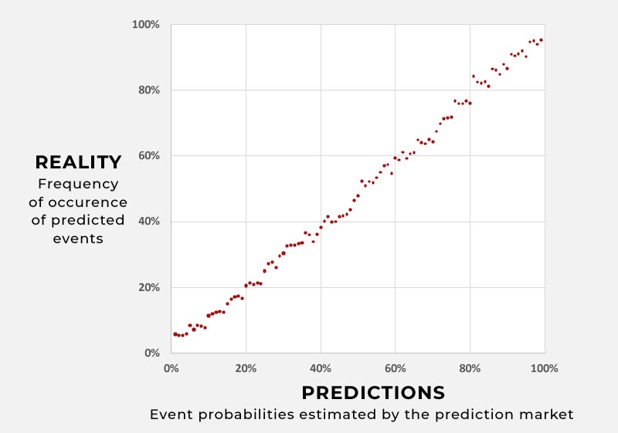
Prediction markets have evolved into a $325 billion asset class in 2026, with economic indicator contracts offering traders unique opportunities to profit from CPI, GDP, and central bank decisions. This guide reveals specific strategies for trading these high-impact events across regulated and decentralized platforms.
- Trade CPI, GDP, and employment reports with 0.10% fees on Polymarket vs 10% on PredictIt
- Capitalize on FOMC meeting volatility using real-time sentiment tracking and AI arbitrage tools
- Choose platforms based on contract availability, fee structures, and regulatory compliance for maximum profitability
Trading Economic Data Releases: CPI, GDP, and Employment Reports

Economic data releases create predictable volatility patterns that skilled traders can exploit across prediction markets. The key is understanding timing windows and position sizing for maximum impact.
CPI and Inflation Report Trading Strategies
Consumer Price Index releases occur monthly and generate immediate market reactions across all prediction platforms. Traders should position 24-48 hours before the release when volatility premiums are lower.
Key CPI Trading Tactics:
- Pre-release positioning: Enter positions 1-2 days before the 8:30 AM ET release to avoid last-minute volatility spikes
- Core vs headline analysis: Trade core CPI (excluding food and energy) contracts separately from headline numbers for more precise positioning
- Consensus deviation strategy: Focus on contracts that pay out based on percentage points above/below consensus forecasts
- Volatility scaling: Reduce position sizes by 50% for CPI releases compared to normal trading due to heightened uncertainty
The monthly CPI release creates a predictable trading pattern where initial market reactions often reverse within 2-3 hours as traders digest the full implications.
GDP Release Trading: Quarterly Economic Data Opportunities
Gross Domestic Product reports, released quarterly, offer longer-term trading opportunities with less intraday volatility than monthly indicators. The advance estimate typically moves markets most significantly. For traders specifically focused on GDP-related contracts, prediction market GDP growth prediction markets provide specialized opportunities for macroeconomic contract trading.
GDP Trading Framework:
- Three-release strategy: Trade all three GDP estimates (advance, second, third) as separate contracts to capture evolving market sentiment
- Quarterly positioning: Build positions gradually over 2-3 weeks leading up to the release rather than all at once
- Component analysis: Focus on specific GDP components (consumer spending, business investment, government spending) for more targeted trades
- Revision arbitrage: Exploit price differences between advance and subsequent estimates as new data becomes available
GDP trading requires patience and longer holding periods compared to monthly indicators, with typical positions lasting 1-3 weeks.
Employment Report Trading: Non-Farm Payrolls and Job Data
Non-farm payrolls, released monthly at 8:30 AM ET, create the highest volatility among economic indicators. The ADP employment report provides valuable pre-release signals.
Employment Data Trading Approaches:
- ADP correlation strategy: Use ADP report movements 2 days before NFP to gauge market sentiment and adjust positions
- Wage growth focus: Trade wage growth components separately as they often have more lasting market impact than headline job numbers
- Sector-specific positioning: Target industry-specific employment contracts (manufacturing, services, construction) for more precise exposure
- Volatility management: Cut position sizes by 70% for NFP releases compared to normal trading due to extreme price swings
The employment report trading requires the tightest risk management due to its tendency to create 10-15% price swings within minutes.
Central Bank Decision Contracts: FOMC Meetings and Interest Rate Trading
Federal Reserve decisions create the most significant market-moving events in prediction markets, with interest rate decisions and policy statements driving substantial price action.
FOMC Meeting Trading: Interest Rate Decision Strategies
Federal Open Market Committee meetings occur eight times annually and create predictable volatility patterns that traders can exploit systematically.
FOMC Trading Framework:
- Pre-meeting positioning: Enter positions 3-5 days before the meeting when market expectations solidify
- Dot plot analysis: Trade contracts based on projected rate path changes shown in the Fed’s dot plot forecasts
- Statement nuance trading: Exploit small wording changes in Fed statements that can shift market expectations significantly
- Post-meeting volatility: Maintain positions for 2-3 hours after the announcement to capture full price discovery
FOMC meetings typically generate 15-25% price movements in related contracts, making them among the most lucrative trading opportunities.
Federal Reserve Statement Analysis and Market Impact
Fed statements contain subtle language changes that can dramatically shift market expectations. Traders who master statement analysis gain a significant edge.
Statement Trading Tactics:
- Forward guidance focus: Trade contracts based on changes in the Fed’s economic outlook and future policy path
- Inflation language monitoring: Watch for shifts in inflation terminology (transitory vs persistent) that signal policy changes
- Labor market emphasis: Trade contracts based on Fed’s assessment of employment conditions and wage pressures
- Risk balance assessment: Exploit changes in the Fed’s risk assessment between growth and inflation concerns
The Fed’s statement analysis requires understanding monetary policy nuances and their market implications.
Real-Time Sentiment Tracking for Central Bank Decisions
AI-driven sentiment tracking tools have revolutionized how traders analyze and exploit odds differences during central bank events.
Sentiment Tracking Tools Comparison:
| Tool Type | Response Time | Accuracy Rate | Cost Structure |
|---|---|---|---|
| Twitter sentiment analysis | Real-time | 65-70% | Free-basic, $50-200/month premium |
| News feed aggregation | 2-5 minutes | 75-80% | $100-500/month |
| Professional terminals | Instant | 85-90% | $1,000-2,000/month |
| AI prediction models | Real-time | 70-75% | $200-800/month |
Real-time sentiment tracking provides a 2-3 minute advantage over traditional news sources, translating to significant trading profits during volatile events. Advanced traders utilize prediction market sentiment analysis tools to gain an edge in interpreting market psychology during central bank decisions.
Platform Selection for Economic Indicator Trading
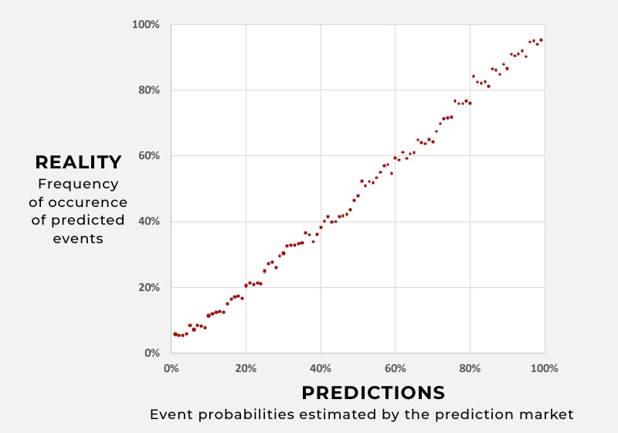
Choosing the right platform for economic indicator trading requires balancing fee structures, contract availability, and regulatory compliance to maximize profitability.
Fee Structure Comparison: Polymarket vs Kalshi vs PredictIt
Fee structures vary dramatically across platforms, directly impacting trading profitability for economic indicator contracts.
Platform Fee Analysis:
| Platform | Trading Fee | Withdrawal Fee | Profit Fee | Total Cost on $1,000 Win |
|---|---|---|---|---|
| Polymarket | 0.10% | None | None | $1 |
| Kalshi | 0.15-0.30% | $5 flat | None | $6-11 |
| PredictIt | None | 5% | 10% | $60 |
Polymarket’s 0.10% fee structure makes it ideal for high-frequency economic trading, while PredictIt’s high fees suit longer-term positions only. For traders seeking to amplify returns through leveraged positions, understanding prediction market leverage trading options can significantly impact profitability.
Contract Availability and Economic Data Offerings
Different platforms offer varying economic indicator contracts, affecting trading strategy selection and execution.
Platform Contract Availability:
- Polymarket: CPI, GDP, employment, Fed decisions, Treasury yields, commodity prices
- Kalshi: CPI, GDP, employment, Fed decisions, interest rates, inflation expectations
- PredictIt: Limited economic contracts, focus on political events and elections
- ForecastEx: Specialized economic derivatives and interest rate contracts
- ProphetX: Commodity price predictions and economic indicators
Platform selection should prioritize contract availability for your specific trading strategy over minor fee differences.
Regulatory Compliance and Platform Safety
Federal CFTC regulation vs state gambling laws creates a complex legal landscape affecting platform availability and trader protection.
Regulatory Considerations:
- CFTC-regulated platforms: Kalshi offers federal oversight and investor protection
- State gambling laws: Polymarket operates in a regulatory gray area in many states
- Account security: Regulated platforms provide stronger fund protection and dispute resolution
- Tax reporting: CFTC-regulated platforms offer better tax documentation and reporting
Traders should consider regulatory compliance as a primary factor when selecting platforms for significant capital deployment. Additionally, prediction market security best practices for traders should be implemented to protect accounts and funds from potential threats.
Economic indicator trading represents one of the most lucrative opportunities in prediction markets, with $325 billion in projected 2026 volume creating significant arbitrage potential. Success requires combining precise timing strategies for CPI, GDP, and FOMC releases with careful platform selection based on fee structures and regulatory compliance. Traders who master both the economic data analysis and the platform optimization can achieve consistent profitability in this high-volume market segment.
For more detailed platform comparisons and fee structures, see our comprehensive guide on prediction markets and platform selection strategies.