
The Commodity Futures Trading Commission (CFTC) regulates prediction markets as event contracts while the SEC may claim jurisdiction when contracts resemble securities, creating a dual-regulatory framework that traders must navigate. For those interested in prediction betting, understanding these regulatory distinctions is crucial for compliance.
CFTC vs SEC Jurisdiction: The Core Regulatory Battle
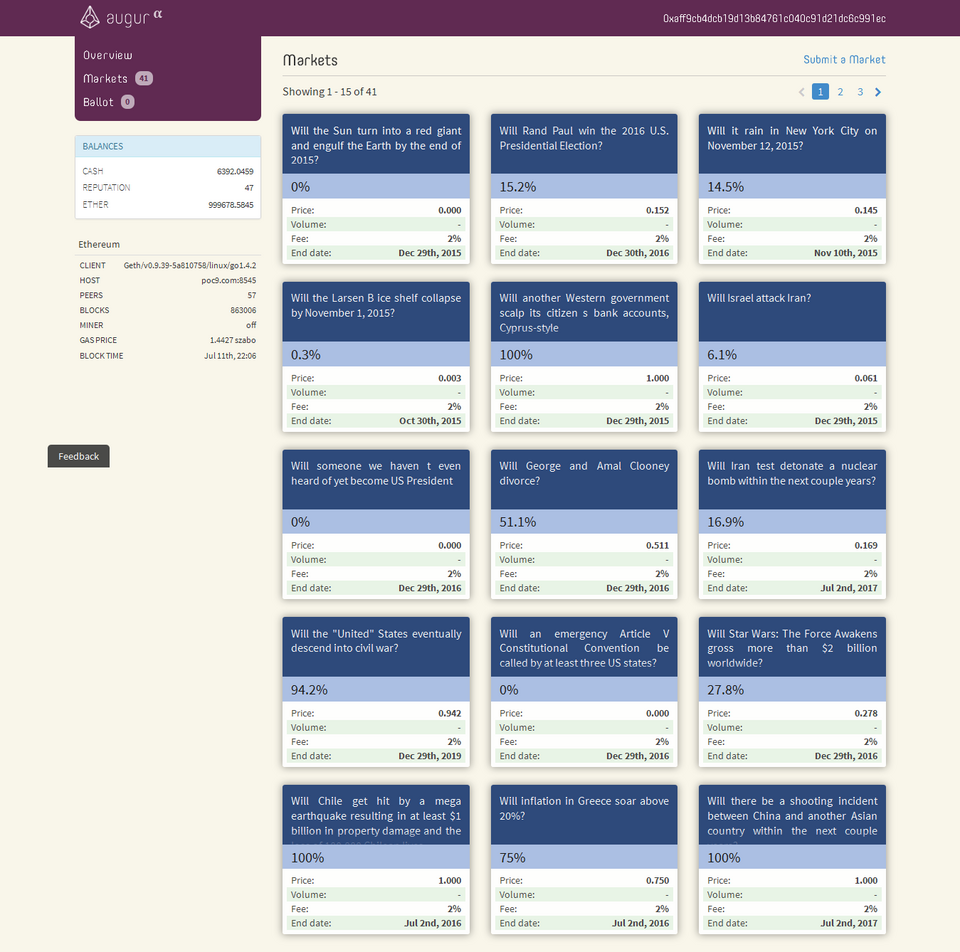
The CFTC claims exclusive jurisdiction over event contracts under the Commodity Exchange Act, while the SEC may assert authority when contracts resemble securities or security-based swaps. This jurisdictional battle defines the entire regulatory landscape for prediction markets, with each agency bringing different compliance requirements and enforcement priorities.
Understanding the CFTC’s Event Contract Authority
The CFTC’s authority stems from its classification of prediction markets as event contracts under the Commodity Exchange Act. Platforms operating as Designated Contract Markets (DCMs) must adhere to 23 core regulatory principles covering financial resources, governance, and market surveillance. This framework was established to protect market integrity while allowing innovative trading products to flourish. For detailed information on CFTC Oversight of Prediction Markets: What Traders Need to Know, traders should consult the official regulatory guidance.
The CFTC’s approach focuses on preventing fraud and manipulation through strict prohibition of trading based on Material Non-Public Information (MNPI). In February 2026, the CFTC issued an advisory following Kalshi enforcement actions that demonstrated how insider trading rules already apply to prediction markets. The agency’s enforcement actions dropped from 58 in 2024 to 11 in 2025, suggesting a strategic shift toward regulatory clarity rather than punitive measures.
When the SEC Steps In: Security-Based Contract Criteria
The SEC’s jurisdiction emerges when prediction contracts include security-like characteristics or profit-sharing arrangements. Unlike the CFTC’s commodity-based focus, the SEC regulates security-based swaps tied to equities or other securities. This creates a critical distinction for traders: contracts based on political outcomes or economic indicators fall under CFTC authority, while those linked to stock prices or corporate events may trigger SEC oversight.
The SEC’s regulatory framework emphasizes disclosure requirements and investor protection. Platforms facing SEC jurisdiction must comply with securities registration requirements and anti-fraud provisions under the Securities Act. This often involves more stringent reporting obligations and investor safeguards compared to CFTC-regulated platforms.
5 Criteria That Determine Which Agency Regulates Your Prediction Market
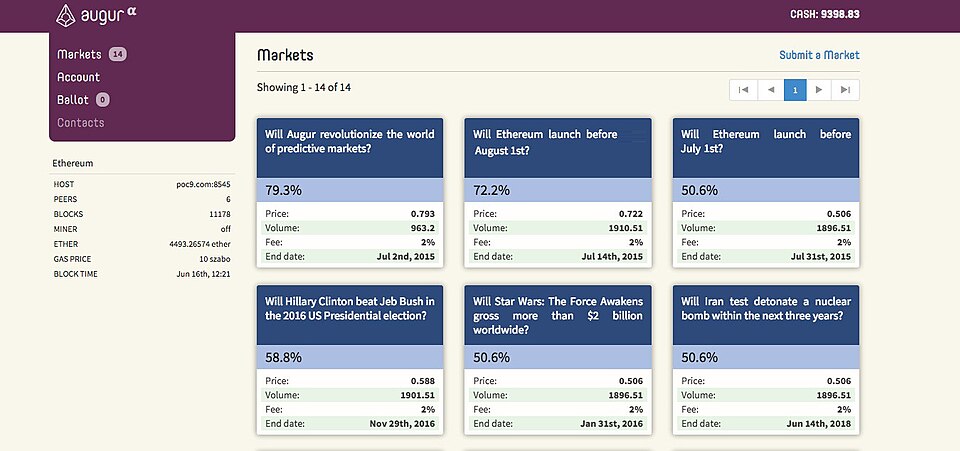
Prediction markets fall under CFTC jurisdiction when they involve commodity-based event contracts, but SEC takes over when contracts include security-like profit-sharing or equity-linked outcomes. Understanding these classification criteria is essential for traders to ensure compliance and avoid regulatory pitfalls.
CFTC Classification Factors: The Commodity-Based Test
The CFTC classifies contracts based on several key factors: non-security commodities, binary options or swaps format, economic indicators, political contests, or weather events. Contracts must not be “contrary to public interest” – this excludes terrorism, assassination, or war-related events. The agency’s focus remains on contracts that don’t involve traditional securities or security-based swaps. Traders interested in Altcoin Prediction Markets: Trading Emerging Cryptocurrency Projects should note that cryptocurrency contracts may fall under different regulatory classifications.
For example, a contract predicting the outcome of the 2026 midterm elections would fall under CFTC jurisdiction as a political contest. Similarly, weather-based contracts or economic indicator predictions are classified as commodity-based event contracts. The CFTC’s approach allows these markets to operate while maintaining strict anti-fraud measures. Traders tracking prediction market volume for 2026 midterms should monitor how regulatory changes might affect trading activity.
SEC Classification Factors: When Securities Enter the Picture
The SEC claims jurisdiction when contracts involve security-based swaps tied to equities, profit-sharing arrangements, or security-like characteristics. Unauthorized security-based swaps to U.S. persons also trigger SEC oversight. This classification becomes crucial when prediction markets expand beyond simple event outcomes to include financial instruments or corporate performance metrics.
A contract predicting a company’s quarterly earnings that pays out based on stock price movements would likely fall under SEC jurisdiction. Similarly, prediction markets offering profit-sharing arrangements or equity-linked outcomes face SEC scrutiny. Traders must carefully evaluate contract structures to determine which regulatory framework applies.
Material Non-Public Information: The Common Regulatory Thread
Both agencies strictly prohibit trading based on Material Non-Public Information (MNPI), but their enforcement approaches differ. The CFTC focuses on event-based insider trading, while the SEC applies traditional securities insider trading rules. This creates a complex compliance landscape where traders must understand both frameworks.
In 2025, Kalshi faced enforcement actions for insider trading violations, demonstrating that MNPI rules apply even in prediction markets. Traders must implement robust compliance programs regardless of which agency has jurisdiction, as both CFTC and SEC enforcement actions can result in significant penalties.
State vs Federal Regulatory Conflicts: The Emerging Battleground
While CFTC claims federal supremacy, states like Nevada are actively challenging this authority, creating a complex patchwork where operators must comply with both federal and state regulations. This dual regulatory reality presents unique challenges for prediction market operators and traders. The legal gray areas in prediction markets create additional compliance complexities for platforms operating across multiple jurisdictions.
Nevada and Tennessee: Leading the State-Level Challenge
Nevada and Tennessee have emerged as leaders in challenging CFTC authority over sports prediction markets. These states argue that federal oversight would fragment the national market and undermine state consumer protection laws. The ongoing Nadex v. Nevada case represents a critical test of federal preemption theory in the prediction market space.
The state-level pushback reflects broader concerns about federal overreach and the need for localized regulatory approaches. States with established gaming industries view prediction markets as an extension of their regulatory domain, creating tension with CFTC’s national jurisdiction claims.
Federal Preemption Theory vs State Consumer Protection
The conflict between federal preemption and state consumer protection laws creates uncertainty for prediction market operators. While the CFTC asserts exclusive federal jurisdiction, states maintain that their consumer protection statutes apply to prediction markets operating within their borders. This legal ambiguity forces platforms to navigate dual compliance requirements.
Practical implications include the need for state-specific licensing, compliance programs, and consumer protection measures. Operators must balance federal CFTC requirements with state-level regulations, often resulting in higher compliance costs and operational complexity.
Practical Implications for Operators and Traders
The dual regulatory reality creates significant challenges for prediction market operators. Platforms must implement compliance programs that satisfy both federal and state requirements, often requiring separate systems for different jurisdictions. This complexity extends to traders who must understand how state regulations affect their trading activities.
For example, a trader in Nevada may face different trading restrictions or reporting requirements compared to a trader in a state without specific prediction market regulations. This fragmentation can impact liquidity, trading strategies, and overall market efficiency.
Compliance Requirements: CFTC vs SEC Standards Compared
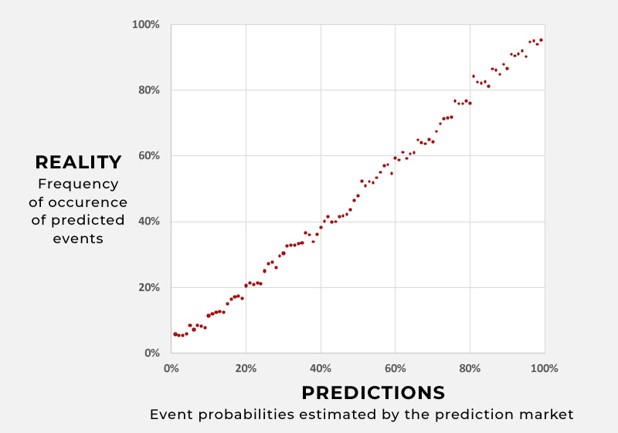
CFTC-regulated platforms must adhere to 23 core principles including financial resources and market surveillance, while SEC-regulated platforms focus on disclosure and investor protection, with both requiring robust compliance systems. Understanding these differences is crucial for traders choosing platforms and for operators seeking regulatory compliance.
CFTC Compliance Framework: The 23 Core Principles
CFTC-regulated platforms must operate as Designated Contract Markets (DCMs) and comply with 23 core principles. These principles cover financial resources, governance structures, market surveillance, and customer protection. The framework requires platforms to maintain adequate financial resources, implement robust risk management systems, and ensure fair access to markets.
Real-time surveillance systems are mandatory for CFTC-regulated platforms, requiring continuous monitoring for manipulation and fraud. Complete audit trails must be maintained for all transactions, and platforms must implement Know Your Customer (KYC) and Anti-Money Laundering (AML) procedures. The CFTC’s focus on market integrity requires platforms to ensure equal access and prevent discriminatory practices.
SEC Compliance Framework: Disclosure and Investor Protection
SEC-regulated platforms face different compliance requirements focused on disclosure and investor protection. Securities registration requirements apply, along with anti-fraud provisions under the Securities Act. The SEC’s framework emphasizes transparency and investor safeguards, often requiring more extensive disclosure than CFTC regulations.
Platforms under SEC jurisdiction must provide detailed information about contract structures, risk factors, and potential conflicts of interest. Investor protection measures include suitability requirements, ensuring investors understand the risks involved, and maintaining adequate capital reserves to protect against losses.
Real-Time Surveillance and Audit Trail Requirements
Both agencies require robust surveillance and audit trail systems, but their specific requirements differ. CFTC-regulated platforms must implement real-time monitoring for manipulation and fraud, with systems capable of detecting unusual trading patterns and potential insider trading. SEC-regulated platforms focus more on transaction monitoring and compliance with securities regulations. Traders using real-time event contract arbitrage tools should ensure their systems comply with both agencies’ surveillance requirements.
Audit trail requirements are stringent under both frameworks. CFTC platforms must maintain complete records of all transactions, customer communications, and compliance activities. SEC platforms face similar requirements but with additional focus on securities-specific documentation and disclosure records.
Tax Implications Under Different Regulatory Frameworks
Tax treatment varies significantly between CFTC and SEC regulated markets, with CFTC platforms often subject to different reporting thresholds and international markets facing additional tax complexities. Traders must understand these differences to properly report gains and comply with tax obligations.
CFTC-Regulated Profits: Tax Treatment and Reporting
CFTC-regulated prediction market profits are typically treated as commodity gains for tax purposes. This classification affects how gains are reported and taxed, often resulting in different tax rates and reporting requirements compared to securities gains. Traders must maintain detailed records of their trading activity to properly report gains and losses (how to trade AI breakthrough event contracts).
The reporting thresholds for CFTC-regulated platforms may differ from those under SEC jurisdiction. Traders should consult tax professionals familiar with commodity trading to ensure proper compliance with reporting requirements and to optimize their tax position.
SEC-Regulated Profits: Securities Tax Treatment
SEC-regulated prediction market profits are treated as securities gains for tax purposes. This classification typically involves different tax rates and reporting requirements compared to commodity gains. The securities treatment may provide certain tax advantages or disadvantages depending on the trader’s individual circumstances.
International traders face additional complexities when dealing with SEC-regulated platforms. Cross-border tax implications, withholding requirements, and international tax treaties can significantly impact the tax treatment of gains from SEC-regulated prediction markets.
International Market Tax Considerations
International traders face unique tax challenges regardless of whether platforms are CFTC or SEC regulated. Different countries have varying approaches to taxing prediction market gains, and traders must navigate complex international tax treaties and reporting requirements.
Some countries may treat prediction market gains as gambling income, while others classify them as investment income. This classification affects tax rates, reporting requirements, and potential tax treaties. Traders operating across multiple jurisdictions should seek professional tax advice to ensure compliance with all applicable tax laws.
Recent Enforcement Actions: What They Reveal About Regulatory Priorities
The sharp decline in CFTC enforcement actions from 2024 to 2025 suggests a strategic shift toward regulatory clarity rather than punitive measures, while SEC enforcement remains focused on investor protection. Analyzing these enforcement patterns reveals the agencies’ evolving priorities and approaches to prediction market regulation.
CFTC Enforcement: The 2025 Strategic Shift
CFTC enforcement actions dropped dramatically from 58 in 2024 to just 11 in 2025, indicating a significant strategic shift. This decline suggests the agency is moving away from punitive enforcement toward establishing clearer regulatory frameworks and guidance for prediction markets. The February 2026 advisory following Kalshi enforcement actions exemplifies this approach.
The CFTC’s focus appears to be on preventing manipulation and insider trading through clear rules rather than aggressive enforcement. This approach may provide more certainty for operators while still maintaining strong protections against fraud and market manipulation.
Kalshi Insider Trading Enforcement Cases
Kalshi’s enforcement actions against insider traders demonstrate the CFTC’s commitment to applying traditional market manipulation rules to prediction markets. These cases established important precedents for how insider trading rules apply in the prediction market context, particularly regarding Material Non-Public Information.
The Kalshi cases revealed the complexities of applying traditional insider trading rules to prediction markets. Questions about what constitutes material non-public information in political or economic event predictions remain unresolved, creating uncertainty for traders and operators.
SEC vs CFTC Enforcement Philosophy Differences
The enforcement philosophies of the SEC and CFTC differ significantly, reflecting their distinct regulatory approaches. The SEC maintains a more aggressive enforcement stance focused on investor protection, while the CFTC appears to be adopting a more collaborative approach aimed at establishing clear regulatory frameworks.
This philosophical difference impacts how each agency approaches prediction market regulation. The SEC’s focus on disclosure and investor protection may lead to more stringent enforcement of securities laws, while the CFTC’s commodity-based approach may provide more flexibility for innovative market structures.
Future Outlook: Where Prediction Market Regulation Is Headed
The regulatory landscape is evolving toward clearer jurisdictional boundaries, with CFTC likely to formalize event contract rules while states continue challenging federal authority in sports and gaming-related prediction markets. Understanding these trends is essential for traders and operators planning for the future.
CFTC Expected Rulemaking on Event Contract Prohibitions
The CFTC is expected to pursue further rulemaking on event contract prohibitions, potentially clarifying which types of contracts fall within its jurisdiction. This rulemaking may address the “contrary to public interest” standard and provide more specific guidance on prohibited events, reducing regulatory uncertainty for operators.
The agency’s withdrawal of the 2024 proposed rule prohibiting certain event contracts suggests a more nuanced approach to regulation. Rather than outright prohibitions, the CFTC may focus on establishing clear boundaries and compliance requirements for different types of prediction markets. This shift could impact how traders approach prediction market odds for Fed rate cuts 2026 and other economic indicator contracts.
Potential SEC Expansion into Security-Based Prediction Markets
The SEC may expand its involvement in security-based prediction markets as these products become more sophisticated and integrated with traditional financial markets. This expansion could include new rules for security-based swaps in the prediction market context and enhanced disclosure requirements for security-linked contracts.
Traders should monitor SEC developments closely, as increased involvement could significantly impact how security-based prediction markets operate. Enhanced disclosure requirements and investor protection measures may increase compliance costs but could also improve market transparency and investor confidence.
State-Level Regulatory Developments
State-level regulatory developments will continue to shape the prediction market landscape, particularly in states with established gaming industries. Nevada, Tennessee, and other states are likely to maintain their challenges to federal authority, potentially leading to a patchwork of state-specific regulations.
Operators may need to develop state-specific compliance programs and potentially limit services in certain jurisdictions. This fragmentation could impact market liquidity and efficiency but may also create opportunities for state-specific market structures and products.
Practical Takeaways for Prediction Market Traders
Traders must understand which regulatory framework applies to their chosen platforms and adjust their strategies accordingly. CFTC-regulated platforms offer different compliance requirements and potentially different trading opportunities compared to SEC-regulated platforms. Understanding these differences can help traders optimize their strategies and ensure compliance.
Monitoring regulatory developments is crucial for successful prediction market trading. Changes in enforcement priorities, new rulemaking, and state-level challenges can significantly impact market structure and trading opportunities. Traders should stay informed about regulatory trends and adjust their strategies accordingly.
Compliance with both federal and state regulations is essential for long-term success in prediction markets. Traders should verify platform registration status, understand reporting requirements, and ensure their trading activities comply with all applicable regulations. This proactive approach can help avoid regulatory issues and ensure continued access to prediction market opportunities.