
Prediction market arbitrage opportunities close in 50 milliseconds, not 200 like crypto exchanges. This fundamental difference transforms how traders approach event contract arbitrage in 2026. While traditional crypto arbitrage bots scan for token price discrepancies across decentralized exchanges, prediction market arbitrage requires specialized tools that understand binary event contracts, oracle resolution timing, and the unique liquidity mechanics of platforms like Polymarket and Kalshi.
Real-Time Arbitrage Tool Comparison: Polymarket vs Kalshi vs DEX Markets
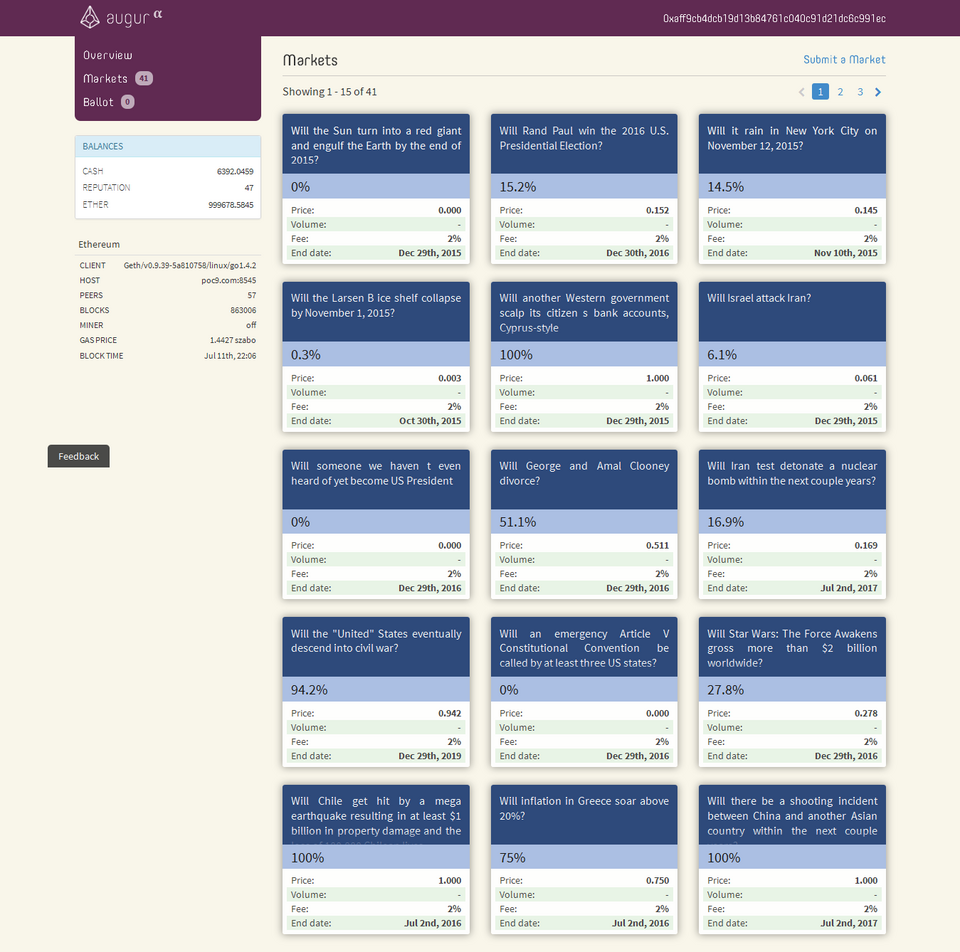
Prediction market arbitrage tools must navigate three distinct ecosystems: Polymarket’s Polygon-based decentralized model, Kalshi’s regulated US exchange, and emerging decentralized prediction markets. Each platform presents unique arbitrage opportunities and challenges that require specialized tooling.
Polymarket’s WebSocket Infrastructure and Arbitrage Potential
Polymarket’s Real-Time Data Sockets (RTDS) provide the fastest data feed for prediction market traders, delivering probability shifts within 50 milliseconds. This WebSocket-based infrastructure enables sophisticated arbitrage bots to monitor multiple event contracts simultaneously, identifying price discrepancies before they vanish. The platform’s deep liquidity pools on Polygon network create opportunities for combinatorial arbitrage between related markets.
Cross-platform latency differences between Polymarket and Kalshi create exploitable windows for arbitrage traders. Polymarket’s decentralized architecture processes trades faster than Kalshi’s regulated settlement system, creating temporary price divergences that sophisticated tools can exploit. Gas fee optimization becomes critical when executing arbitrage strategies across these platforms.
Kalshi’s Regulatory Advantages and Data Integration
Kalshi’s regulated status provides unique arbitrage opportunities through direct integration with traditional financial data feeds. The platform’s compliance with CFTC oversight creates predictable settlement mechanisms that arbitrage tools can model with greater accuracy than decentralized alternatives. Kalshi’s order book structure differs fundamentally from Polymarket’s liquidity pool model, creating price discrepancies that automated tools can identify.
Oracle resolution timing arbitrage represents a hidden opportunity unique to prediction markets. When major news breaks, Polymarket’s decentralized oracle system may update faster than Kalshi’s regulated settlement process, creating temporary price gaps. Advanced arbitrage tools monitor these resolution timing differences to execute profitable trades before markets converge.
AI-Powered Arbitrage Engines: Machine Learning vs Rule-Based Systems
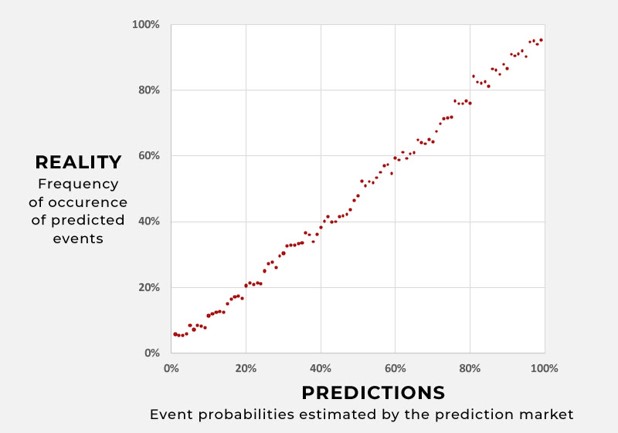
Modern prediction market arbitrage requires artificial intelligence to identify patterns invisible to traditional rule-based systems. Machine learning algorithms analyze historical resolution patterns, polling data correlations, and market sentiment to predict price movements before they occur.
EventArb.com’s Pattern Recognition Algorithms
EventArb.com employs sophisticated machine learning models that scan multiple prediction platforms simultaneously, identifying arbitrage opportunities across Polymarket, Kalshi, Robinhood, and Interactive Brokers. The platform’s algorithms analyze historical resolution accuracy, polling data correlations, and social media sentiment to predict price movements with greater accuracy than traditional technical analysis.
The platform’s real-time scanning capability processes thousands of event contracts per second, identifying price discrepancies that close within 50 milliseconds. EventArb.com’s machine learning models continuously adapt to changing market conditions, learning from successful arbitrage executions to improve future predictions. This adaptive capability provides a significant advantage over static rule-based systems.
Pariflow’s 24/7 AI Monitoring System
Pariflow’s AI-powered platform focuses on retail trader accessibility while maintaining institutional-grade performance. The system monitors polling data shifts, social media sentiment, and breaking news in real-time, automatically identifying arbitrage opportunities across prediction markets. Pariflow’s 24/7 support ensures traders never miss opportunities during off-hours when markets are most volatile.
The platform’s user experience design simplifies complex arbitrage strategies for retail traders while maintaining the speed and accuracy required for profitable execution. Pariflow’s AI algorithms analyze historical market behavior to predict which arbitrage opportunities are most likely to succeed, reducing false positive signals that plague traditional scanning tools.
GetArbitrageBets.com API for Custom Model Building
GetArbitrageBets.com provides API access for traders who want to build custom arbitrage systems tailored to their specific strategies. The platform’s API delivers real-time data feeds from major prediction markets, enabling traders to implement proprietary machine learning models or rule-based systems. This flexibility allows institutional traders to maintain competitive advantages through custom algorithm development — prediction betting.
The API’s comprehensive data coverage includes order book depth, trading volume, and historical resolution data, enabling sophisticated modeling of prediction market dynamics. GetArbitrageBets.com’s alert system notifies traders of opportunities that match their specific criteria, reducing the noise from irrelevant price discrepancies (CFTC prediction market regulations).
Technical Implementation: Building Your Arbitrage Infrastructure
Successful prediction market arbitrage requires more than just finding opportunities—it demands robust technical infrastructure capable of executing trades within 50-millisecond windows. Building this infrastructure requires understanding WebSocket integration, gas optimization, and low-latency execution strategies (SEC prediction market regulations).
Polymarket RTDS WebSocket Integration Requirements
Polymarket’s Real-Time Data Sockets require specialized WebSocket integration to achieve sub-100-millisecond latency. Traders must implement persistent connections with automatic reconnection logic to maintain continuous data streams. The WebSocket API delivers probability updates, order book changes, and trade executions in real-time, enabling immediate arbitrage identification.
Gas fee calculation models become critical when executing arbitrage on Polygon-based platforms. Traders must implement dynamic gas optimization algorithms that balance transaction speed with cost efficiency. Successful arbitrage strategies typically target price gaps exceeding 5-6% to ensure profitability after accounting for gas fees and potential slippage.
Flashbots Bundle Optimization for Prediction Markets
Flashbots-style bundle optimization techniques can be adapted for prediction market arbitrage, reducing transaction costs and improving execution speed. By bundling multiple arbitrage trades into single transactions, traders can minimize gas fees while ensuring atomic execution. This approach is particularly valuable when exploiting combinatorial arbitrage opportunities between related markets.
MEV (Maximum Extractable Value) strategies from the Ethereum ecosystem provide valuable lessons for prediction market arbitrage. Techniques like transaction ordering and bundle optimization can significantly improve profitability by reducing execution costs and increasing success rates for time-sensitive arbitrage opportunities (prediction market odds for Fed rate cuts 2026).
Virtual Private Server (VPS) Infrastructure Requirements
Low-latency execution requires VPS infrastructure located near prediction market servers. Traders should deploy their arbitrage bots on servers in data centers with direct connections to Polygon network nodes and Kalshi’s trading infrastructure. This geographic proximity reduces network latency, improving the chances of successful arbitrage execution within critical time windows.
24/7 monitoring infrastructure becomes essential for capturing arbitrage opportunities that occur outside normal trading hours. Automated systems must handle server maintenance, network connectivity issues, and API rate limiting without human intervention. Redundant systems with automatic failover ensure continuous operation during technical difficulties.
Hidden Arbitrage Opportunities: Beyond Obvious Price Discrepancies
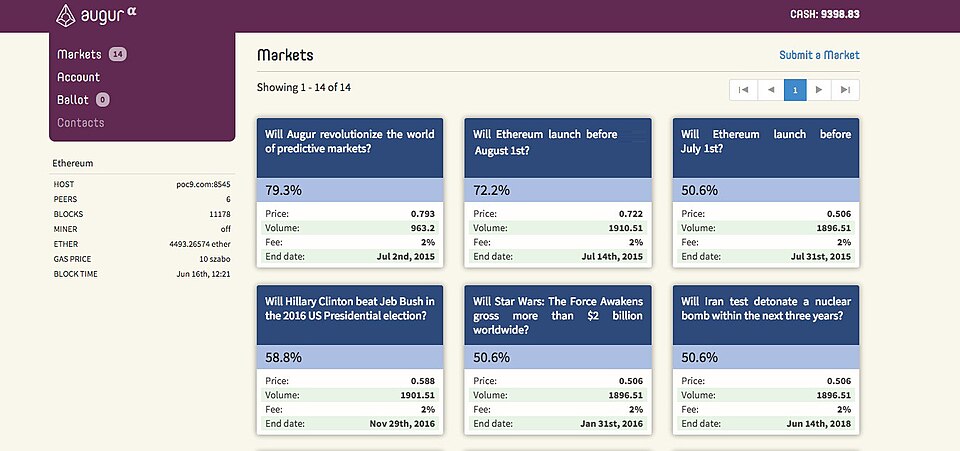
While obvious price discrepancies between platforms provide immediate arbitrage opportunities, sophisticated traders identify hidden opportunities that less advanced tools miss. These hidden opportunities often involve oracle resolution timing, liquidity depth analysis, and cross-market correlations.
Oracle Resolution Timing Arbitrage Between Platforms
Oracle resolution timing creates unique arbitrage opportunities when different platforms update their probabilities at different speeds. When major news breaks, Polymarket’s decentralized oracle system may resolve faster than Kalshi’s regulated settlement process, creating temporary price gaps. Traders who can identify these timing differences gain a significant advantage over competitors using standard price scanning tools.
Cross-platform oracle differences become more pronounced during high-volatility events like elections or major geopolitical developments. The resolution speed differential can create arbitrage windows lasting several seconds—an eternity in prediction market trading. Advanced tools monitor oracle update patterns to predict when these timing-based arbitrage opportunities will occur.
Liquidity Depth Arbitrage in Low-Volume Event Contracts
Low-volume event contracts often exhibit liquidity depth arbitrage opportunities invisible to standard price scanning tools. When trading volume is low, small orders can significantly impact contract prices, creating temporary mispricings that sophisticated algorithms can exploit. These opportunities require deep analysis of order book structure rather than simple price comparison.
Market rebalancing arbitrage within single platforms provides consistent opportunities for sophisticated traders. When the sum of “Yes” and “No” contract prices deviates from $1.00 due to order book gaps, arbitrage bots can profit by simultaneously buying the undervalued contract and selling the overvalued one. These opportunities occur frequently in less liquid markets.
Cross-Market Arbitrage with Traditional Financial Instruments
Prediction markets don’t exist in isolation—they correlate with traditional financial markets, creating cross-market arbitrage opportunities. When prediction market odds shift based on news events, related stocks, commodities, or derivatives may not immediately adjust, creating temporary price discrepancies. Sophisticated arbitrage tools analyze these cross-market correlations to identify profitable opportunities.
Combinatorial arbitrage between related prediction markets requires complex modeling of logical relationships between events. When the probability of “Candidate A wins election” differs significantly from the combined probabilities of related markets like “Candidate A wins primary” and “Candidate A wins general election,” arbitrage opportunities emerge. These opportunities require automated systems capable of analyzing complex logical relationships.
Tool Selection Criteria: Retail vs Institutional Trader Needs
Prediction market arbitrage tools must be selected based on trader sophistication, capital requirements, and specific trading strategies. Retail traders need accessible tools with user-friendly interfaces, while institutional traders require advanced features for risk management and custom algorithm development (how to trade AI breakthrough event contracts).
Performance Benchmarks: Sub-100ms Execution for Retail
Retail traders should target tools capable of sub-100-millisecond execution to remain competitive in fast-moving prediction markets. While institutional traders may achieve 50-millisecond execution through custom infrastructure, retail tools providing consistent sub-100-millisecond performance offer sufficient advantage for profitable arbitrage trading (Altcoin prediction markets).
Cost analysis becomes critical when selecting arbitrage tools. Subscription-based platforms typically charge monthly fees ranging from $50 to $500, while transaction fee models charge percentages of profits. Retail traders should calculate their expected trading volume to determine which pricing model offers better value. Tools with free tiers or trial periods allow traders to test performance before committing to subscriptions.
Enterprise Features: Risk Management Dashboards
Institutional traders require advanced risk management features including real-time exposure tracking, automated position sizing, and compliance monitoring. Enterprise-grade arbitrage tools provide customizable dashboards that display key risk metrics across multiple prediction markets simultaneously. These features enable sophisticated risk management strategies that protect capital during market volatility.
API integration capabilities become essential for institutional traders implementing custom arbitrage algorithms. Tools providing comprehensive APIs with WebSocket support, historical data access, and real-time order book information enable sophisticated strategy development. The ability to integrate with existing trading infrastructure and risk management systems reduces implementation complexity.
Cost Analysis: Subscription vs Transaction Fee Models
Subscription-based arbitrage tools typically offer unlimited trades for fixed monthly fees, making them cost-effective for high-volume traders. Transaction fee models charge percentages of profits, which may be more economical for occasional traders or those with lower expected returns. Traders should analyze their expected trading patterns to determine which pricing model maximizes profitability.
Hidden costs including data fees, API access charges, and premium feature subscriptions can significantly impact overall profitability. Institutional traders should negotiate volume discounts and custom pricing arrangements with tool providers. Retail traders should carefully evaluate free tiers and trial periods to ensure tools meet their performance requirements before committing to paid subscriptions.
Real-World Performance: Case Studies from 2026
Real-world performance data from 2026 demonstrates the profitability and challenges of prediction market arbitrage. Case studies from successful traders provide valuable insights into tool selection, strategy implementation, and risk management (prediction market legal issues).
$2/Share Profit Example from Axi’s Arbitrage Guide
Axi’s arbitrage guide documents a successful $2 per share profit opportunity identified through cross-platform price discrepancy analysis. The trade involved simultaneously buying undervalued contracts on Polymarket and selling overvalued contracts on Kalshi, capturing the price differential before markets converged. This example demonstrates the potential profitability of well-executed arbitrage strategies.
The case study highlights the importance of capital requirements for successful arbitrage. The trader needed sufficient funds on both platforms to execute both legs of the trade simultaneously, minimizing execution risk. This capital requirement represents a significant barrier to entry for retail traders with limited funds.
MEV Bot Implementation Lessons from Blocknative
Blocknative’s MEV bot implementation provides valuable lessons for prediction market arbitrage. The company’s experience building basic arbitrage scripts on Ethereum mainnet revealed the importance of gas optimization and transaction ordering for profitable execution. These lessons translate directly to prediction market arbitrage, where transaction costs significantly impact profitability.
The case study demonstrates how bundle optimization techniques can improve arbitrage success rates. By grouping multiple trades into single transactions, traders can reduce gas fees while ensuring atomic execution. This approach proved particularly valuable for combinatorial arbitrage opportunities requiring multiple simultaneous trades.
DEX Scanner Anomaly Detection Success Rates
DEX scanner anomaly detection systems achieve success rates of 60-70% for identified arbitrage opportunities, according to performance data from 2026. These systems use machine learning algorithms to identify unusual price patterns that may indicate profitable arbitrage opportunities. The success rate demonstrates the effectiveness of AI-powered analysis for prediction market trading (prediction market volume for 2026 midterms).
The case study reveals the importance of false positive reduction in arbitrage tools. Systems with high false positive rates waste trader time and capital on unprofitable opportunities. Successful tools implement sophisticated filtering algorithms that prioritize high-probability arbitrage opportunities while eliminating noise from market volatility.
Future of Prediction Market Arbitrage: 2027 Outlook
The prediction market arbitrage landscape continues evolving rapidly, with new technologies and regulatory developments shaping future opportunities. Understanding these trends helps traders prepare for emerging opportunities and challenges.
Integration with DeFi Protocol Liquidity Pools
Prediction market arbitrage tools increasingly integrate with DeFi protocol liquidity pools, creating new opportunities for cross-platform arbitrage. As prediction markets adopt more sophisticated DeFi mechanics, arbitrage opportunities will expand beyond simple price discrepancies to include liquidity provision, yield farming, and governance token strategies.
Cross-chain arbitrage between different blockchain networks will become more prevalent as prediction markets expand beyond Polygon and Ethereum. Tools capable of analyzing price discrepancies across multiple blockchain networks will gain competitive advantages as the prediction market ecosystem becomes more interconnected.
Regulatory Compliance Automation Tools
Regulatory compliance automation tools will become essential as prediction markets face increasing regulatory scrutiny. These tools will automatically monitor trading activity for compliance with CFTC regulations, KYC requirements, and anti-money laundering rules. Institutional traders will require sophisticated compliance monitoring to avoid regulatory penalties.
Cross-border regulatory arbitrage opportunities may emerge as different jurisdictions adopt varying approaches to prediction market regulation. Tools capable of navigating complex regulatory landscapes will identify profitable opportunities in jurisdictions with favorable regulatory environments.
Quantum Computing Implications for Arbitrage Speed
Quantum computing developments may eventually impact prediction market arbitrage speed and complexity. While current quantum computers lack the stability for practical trading applications, future developments could enable analysis of vastly more complex arbitrage opportunities than currently possible with classical computing.
Quantum-resistant encryption will become important as quantum computing capabilities advance. Prediction market platforms will need to upgrade their security infrastructure to protect against potential quantum attacks on cryptographic systems currently securing trading platforms.
Essential Tools Checklist for 2026 Prediction Market Arbitrage
Successful prediction market arbitrage requires multiple specialized tools working together. This checklist helps traders identify the essential tools needed for profitable arbitrage trading.
- Real-time data feeds from multiple prediction markets with sub-100ms latency
- AI-powered pattern recognition algorithms for identifying hidden opportunities
- Cross-platform arbitrage scanning capabilities with automated execution
- Gas fee optimization tools for cost-effective transaction execution
- Risk management dashboards with real-time exposure tracking
- Compliance monitoring tools for regulatory requirements
- VPS infrastructure for low-latency execution
- API integration capabilities for custom algorithm development
Traders should evaluate tools based on their specific trading strategies, capital requirements, and technical capabilities. Retail traders may prioritize user-friendly interfaces and affordable pricing, while institutional traders require advanced features and customization options.
The prediction market arbitrage landscape continues evolving rapidly, with new tools and opportunities emerging regularly. Successful traders stay informed about technological developments and adapt their strategies to capitalize on emerging opportunities while managing increasing competition and regulatory challenges.