Despite federal CFTC regulation, prediction markets function in states where gambling laws explicitly prohibit them due to regulatory preemption conflicts. This creates a legal gray zone where platforms operate with risk while traders face uncertain liability across state lines.
| State Category | Number of States | Legal Status | Platform Impact |
|---|---|---|---|
| Explicit Prohibition | 15 | Illegal under gambling laws | Platforms blocked |
| Regulatory Ambiguity | 22 | Unclear jurisdiction | Platforms operate with risk |
| Permissive | 13 | Legal under state law | Full platform access |
The federal preemption doctrine means the Commodity Exchange Act (CEA) regulation overrides state gambling statutes, but states continue challenging this classification. Platforms like Kalshi and Polymarket classify their offerings as “event contracts” rather than gambling products, arguing that participants trade against each other rather than against a house. This distinction becomes critical when states like New York and Texas file lawsuits claiming platforms operate as unlicensed casinos.
How Federal CFTC Regulation Creates State-Level Conflicts
The CFTC’s limited jurisdiction over gambling creates operational uncertainty for platforms and traders. While the Commission oversees event contracts as derivatives, it lacks gambling expertise and consumer protection frameworks that traditional sportsbooks must follow. This regulatory gap means platforms bypass state and tribal oversight requirements, creating enforcement challenges.
State enforcement priorities vary significantly based on resources and political will. Some states actively block platforms through geolocation restrictions, while others take a hands-off approach, allowing platforms to operate in regulatory ambiguity. This patchwork of enforcement creates compliance nightmares for platforms trying to serve all 50 states while avoiding legal exposure.
Tax Treatment Creates Reporting Nightmare for Active Traders
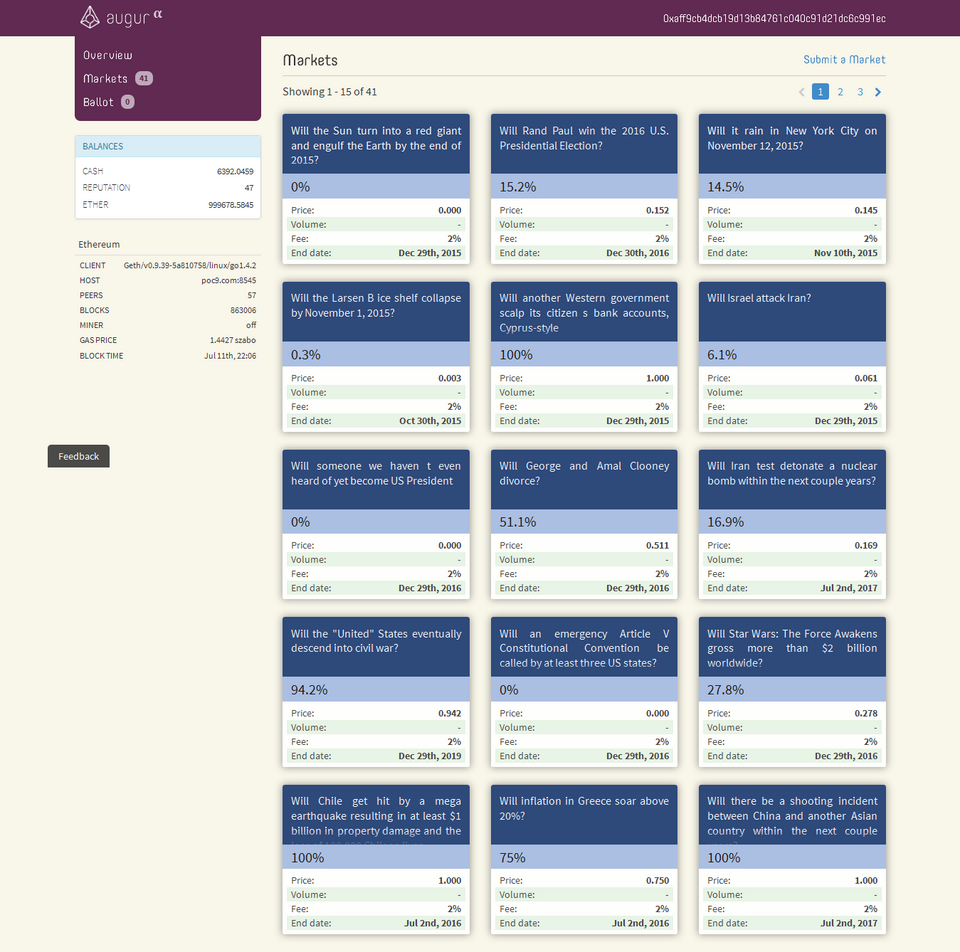
Prediction market winnings are taxed as ordinary income, but tracking 500+ micro-trades creates compliance challenges that current IRS guidance doesn’t address. The lack of standardized reporting frameworks and platform-specific documentation requirements creates significant burden for active traders (SEC prediction market regulations).
| Tax Aspect | Current Treatment | 2026 Changes | Trader Impact |
|---|---|---|---|
| Income Classification | Ordinary income | Unchanged | Higher tax rates |
| Loss Deductions | 100% of winnings | 90% cap | Reduced tax benefits |
| Reporting Threshold | $600 | $2,000 | More traders affected |
| Platform Reporting | 1099-NEC | Enhanced | Better documentation |
The “One Big Beautiful Bill Act” (H.R. 1) limits loss deductions to 90% of winnings starting in 2026, significantly impacting trader profitability. The IRS threshold for reporting gambling winnings on Form W-2G adjusted to $2,000 for 2026, meaning more traders will face reporting requirements. Platforms typically do not issue Form 1099-B or W-2G, leaving taxpayers responsible for tracking and reporting all gains (how to trade AI breakthrough event contracts).
Practical Tax Compliance Strategies for Prediction Market Traders
Traders need specialized software and documentation strategies to comply with ordinary income reporting requirements across multiple platforms. The “per session” basis tracking recommended by tax experts becomes essential when managing dozens of platforms and hundreds of trades per month.
Record-keeping best practices include maintaining detailed logs of date, amount, outcome, and platform for every trade. Software solutions like CoinTracker and Koinly can help automate trade tracking across platforms, though they may require manual adjustments for prediction market-specific contract types. Deduction documentation requirements become more stringent under 2026 tax law changes, requiring traders to maintain evidence of losses to claim the 90% deduction cap (CFTC prediction market regulations).
Insider Trading Risks in Prediction Markets Remain Unaddressed
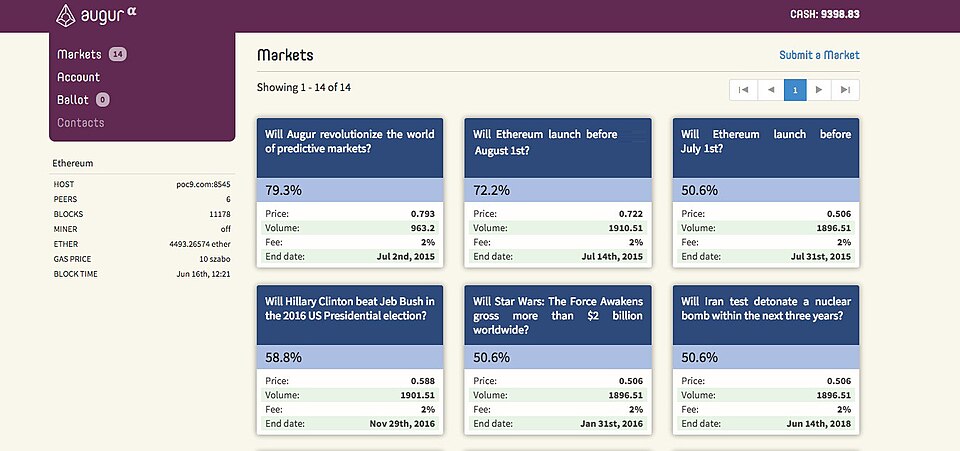
Unlike traditional markets, prediction markets lack insider trading regulations, creating opportunities for material non-public information exploitation. This regulatory gap presents significant market integrity risks that remain unaddressed by current oversight frameworks (Altcoin prediction markets).
| Insider Scenario | Risk Level | Current Regulation | Enforcement Gap |
|---|---|---|---|
| Corporate Earnings | High | None | Unregulated |
| Political Events | Medium | None | Unregulated |
| Economic Data | High | None | Unregulated |
| Sports Outcomes | Low | None | Unregulated |
The absence of insider trading rules creates particular vulnerabilities around corporate earnings announcements, political events, and economic data releases. Unlike stock markets where insider trading carries severe penalties, prediction markets operate in a regulatory vacuum where material non-public information can be freely traded without consequence (prediction market volume for 2026 midterms).
Platform differences in legal risk exposure become apparent when comparing Kalshi’s CFTC regulation with Polymarket’s offshore structure. Kalshi’s federal compliance framework provides some protection but doesn’t address state-level gambling concerns or insider trading risks. Polymarket’s international legal status creates different vulnerabilities, potentially exposing traders to both platform failure risks and regulatory uncertainty (prediction market odds for Fed rate cuts 2026).
Future Regulatory Landscape: What Traders Should Watch
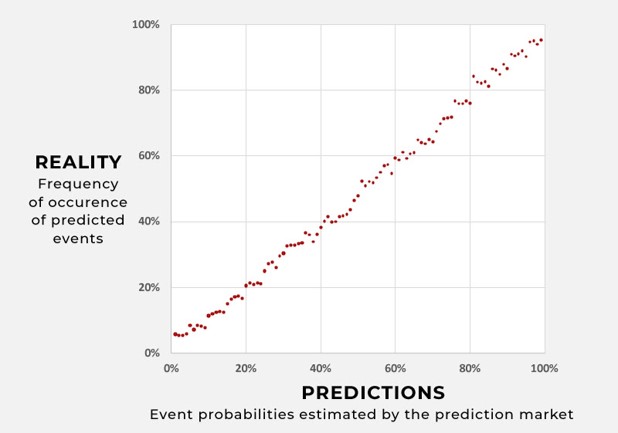
Congressional action and state-level enforcement priorities will determine whether prediction markets face gambling regulation or maintain their current derivative classification. Traders need to monitor several key developments that could fundamentally reshape the legal landscape (real-time event contract arbitrage tools).
Proposed federal gambling legislation could override the CFTC’s current event contract classification, forcing platforms to comply with state gambling regulations. State regulatory trends show increasing scrutiny of online betting platforms, with some states considering specific prediction market legislation. Platform adaptation strategies include enhanced compliance measures, state-by-state licensing approaches, and potential structural changes to avoid gambling classification — prediction betting.
Trader preparation recommendations include diversifying across multiple platforms to reduce regulatory risk, maintaining detailed compliance documentation, and staying informed about state-level enforcement actions. The uncertainty around future regulation means traders should be prepared for sudden platform restrictions or complete market shutdowns in certain jurisdictions.
The legal gray areas in prediction markets create both opportunities and risks for traders. While current regulatory ambiguity allows platforms to operate in many states, the lack of clear legal frameworks creates uncertainty around liability, tax treatment, and market integrity. Traders who understand these challenges can better navigate the complex landscape while maintaining compliance with existing regulations.