Prediction markets currently price a 26.5% probability of a U.S. recession by the end of 2026, according to Polymarket data from February 2026. This moderate risk sits between traditional economic models and shows how real-time market intelligence can provide early warning signals for investors and policymakers. Prediction markets have become a popular tool for prediction betting on economic outcomes.
5% Recession Odds: Prediction Markets’ 2026 Economic Signal
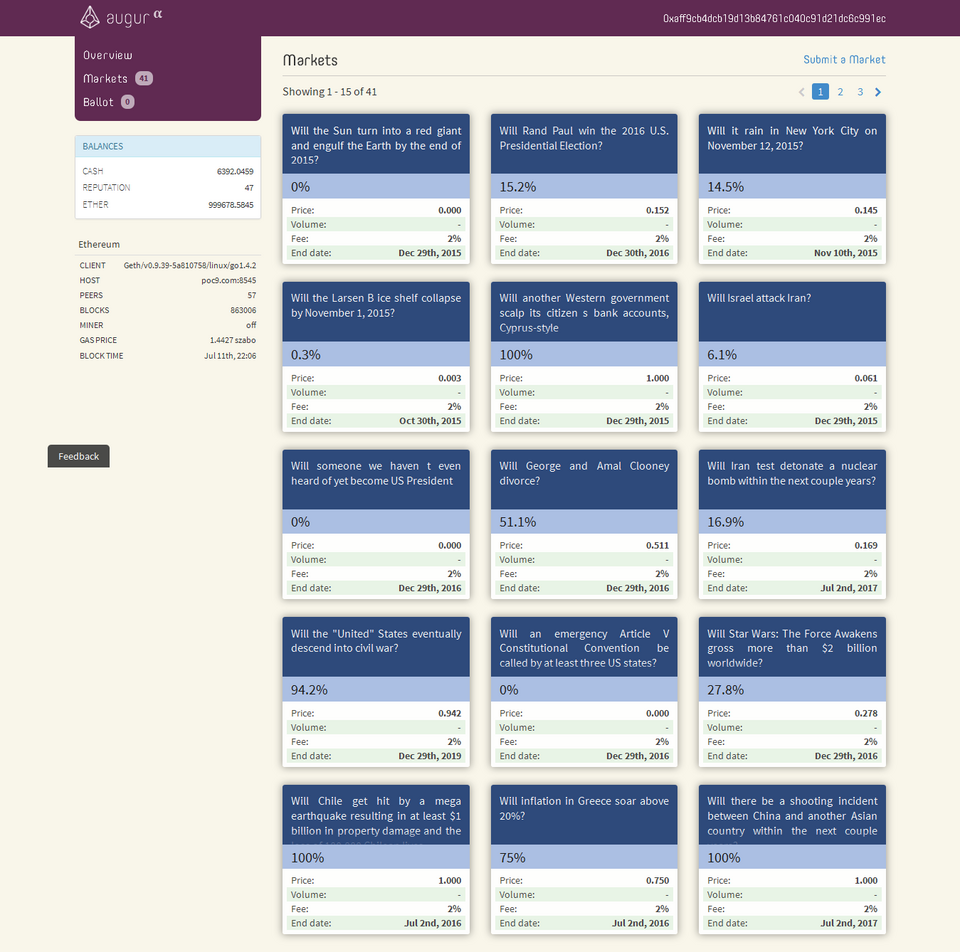
Prediction markets currently price a 26.5% probability of U.S. recession by end of 2026, showing moderate economic risk. This probability reflects traders’ real-time assessment of economic data, sitting between traditional models and showing market uncertainty about 2026’s trajectory.
| Source | Recession Probability | Update Date |
|---|---|---|
| Polymarket | 26.5% | Feb 2026 |
| New York Fed Model | 20.4% | Jan 2026 |
| J.P. Morgan Research | 35% | Dec 2025 |
How Prediction Market Prices React to Economic Data Shifts
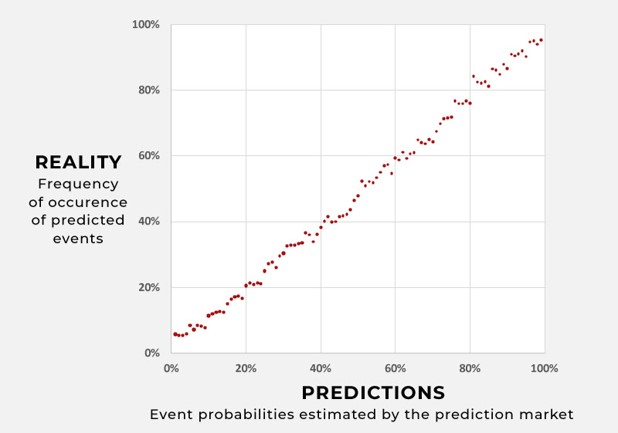
Prediction market prices adjust within hours of major economic releases, while traditional forecasts update monthly or quarterly. Traders react to data releases by buying or selling contracts, causing immediate price adjustments that reflect collective market intelligence.
| Economic Event | Typical Price Movement | Timeframe |
|---|---|---|
| Weak Jobs Report | +5-8% to recession odds | 2-4 hours |
| Fed Rate Decision | -3-6% to recession odds | 1-3 hours |
| GDP Surprise | ±4-7% to recession odds | 4-6 hours |
The GDP Growth vs Recession Probability Divergence
Goldman Sachs projects 2.5-2.8% GDP growth while prediction markets price 26.5% recession odds, creating analytical tension. This divergence suggests markets may be pricing in risks beyond current GDP projections, such as geopolitical shocks or policy errors (Altcoin prediction markets).
| GDP Forecast | Source | Recession Odds | Source |
|---|---|---|---|
| 2.5-2.8% | Goldman Sachs | 26.5% | Polymarket |
| 2.1% (consensus) | Economists | 20.4% | New York Fed |
Labor Market Signals: The “Low-Hire, Low-Fire” Recession Indicator
Unemployment near 4.5% with minimal hiring/firing creates a unique recession signal that prediction markets track differently than traditional models. This “low-hire, low-fire” environment suggests resilience that may explain why prediction markets price lower recession odds than headline unemployment numbers suggest (prediction market legal issues).
| Labor Metric | Current Level | Historical Recession Threshold |
|---|---|---|
| Unemployment Rate | 4.5% | 5.5%+ |
| Monthly Job Gains | 150K-200K | 100K-150K |
| Quit Rate | 2.3% | 2.0%+ |
Sticky Inflation’s Impact on Recession Pricing
Persistent 3-4% inflation expectations influence how prediction markets price recession probability, often creating contradictory signals. Inflation expectations create a complex relationship where high inflation can both increase recession risk (via Fed tightening) and decrease it (if markets expect inflation to solve itself) (prediction market volume for 2026 midterms).
| Inflation Expectation | Market Impact | Recession Price Effect |
|---|---|---|
| 3-4% (sticky) | Higher interest rates | +3-5% to recession odds |
| 2% (target) | Stable rates | Baseline odds |
| >5% (surge) | Aggressive tightening | +8-12% to recession odds |
Using Prediction Market Data for Investment Strategy
Investors can use prediction market recession probabilities to adjust sector allocations and risk exposure before traditional indicators signal trouble. When prediction markets cross key thresholds, investors can proactively shift portfolios rather than react to official recession declarations months later (SEC prediction market regulations).
| Recession Probability | Sector Strategy | Risk Adjustment |
|---|---|---|
| <20% | Growth sectors (Tech, Consumer) | Normal exposure |
| 20-30% | Balanced approach | Reduce volatility |
| 30-40% | Defensive sectors (Utilities, Healthcare) | Increase cash |
The Future of Prediction Markets as Economic Forecasting Tools
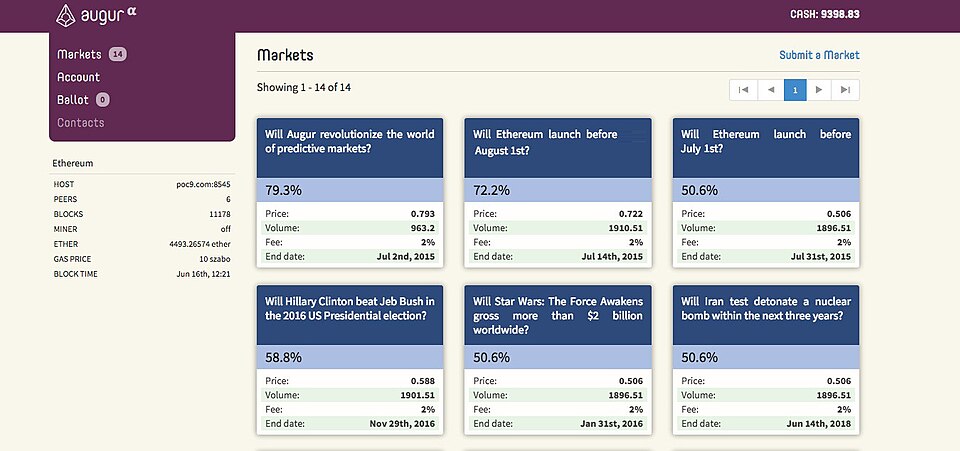
Prediction markets are evolving from speculative tools to mainstream economic indicators, with increasing institutional adoption and regulatory clarity. As prediction markets mature, their recession probability signals will likely become more accurate and widely accepted by both retail and institutional investors. The evolving regulatory landscape, including CFTC oversight of prediction markets, will shape how these tools develop in the coming years (real-time event contract arbitrage tools).
| Development | Timeline | Impact Level |
|---|---|---|
| Institutional platform access | 2026-2027 | High |
| Regulatory framework clarity | 2025-2026 | Medium |
| Academic validation studies | 2024-2026 | Medium |
Prediction markets offer a unique window into economic sentiment that traditional models cannot match. By tracking how traders price recession risk in real-time, investors can gain valuable insights for portfolio positioning and risk management in 2026’s uncertain economic environment.