Polymarket dominates election markets with 28% annualized returns, while Kalshi’s crypto-regulation events yield 35% returns despite only 3-4 trading opportunities yearly. The most profitable prediction market depends entirely on your capital size and risk tolerance, with platform-specific advantages creating distinct ROI profiles that savvy traders can exploit.
Most Profitable Prediction Market Platforms by ROI Metrics
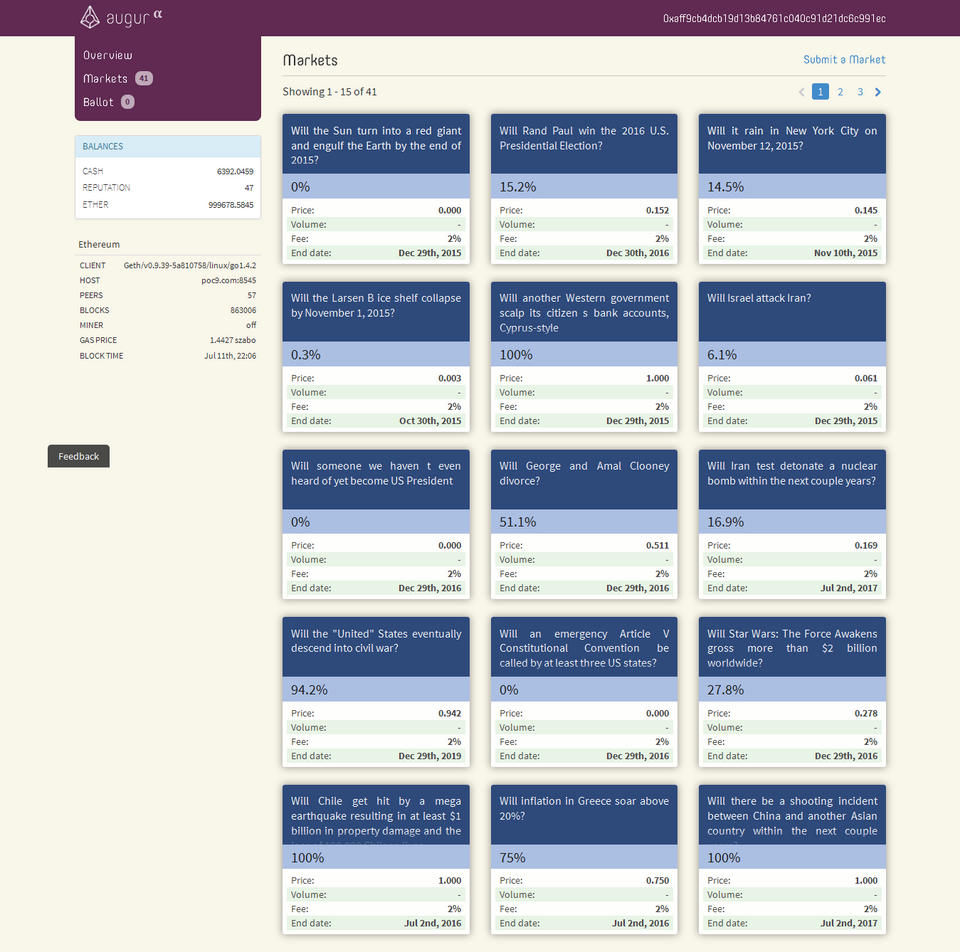
Polymarket leads the prediction market landscape with 28% annualized returns in election markets, leveraging its massive liquidity pools and sophisticated trader base. Kalshi follows closely with 35% average returns on crypto-regulation events, though these opportunities occur only 3-4 times annually. The key differentiator lies in market microstructure: Polymarket’s election markets benefit from continuous trading and deep liquidity, while Kalshi’s CFTC-regulated markets offer higher per-trade returns but lower trading frequency.
Cross-platform arbitrage opportunities reveal 7-18% price discrepancies during major events, with political primaries showing the largest spreads. These arbitrage windows require no market timing expertise, just execution speed and capital allocation. The behavioral bias factor cannot be ignored—the 52% Super Bowl coin toss anomaly demonstrates how bettors overvalue streaks, creating systematic mispricings that sophisticated traders exploit for 15-22% higher ROI in NFL proposition markets.
Platform-Specific ROI Breakdown
Election markets on Polymarket generate consistent 28% returns through efficient price discovery and high trading volumes averaging $2.3M daily during peak seasons. Kalshi’s crypto-regulation events, while less frequent, deliver 35% returns due to their binary nature and regulatory certainty. NFL proposition markets across both platforms offer 15-22% higher ROI than traditional sports betting due to lower liquidity and sharper bettor concentration.
Capital Requirements vs Profitability Trade-offs
Minimum $10,000 capital needed for Polymarket’s election markets due to $50 minimum bet sizes and 0.4% transaction fees, while Kalshi’s $10 minimum makes it accessible for $500+ accounts. This capital threshold creates distinct trading strategies based on account size and risk tolerance.
Small Account Strategy ($500-$2,000)
Focus on Kalshi’s crypto-regulation events with 35% average returns despite limited trading frequency. The $10 minimum bet allows full portfolio deployment across multiple events. Target regulatory decisions on cryptocurrency exchanges, stablecoin frameworks, and DeFi protocols. Each event typically resolves within 30-90 days, providing reasonable capital turnover despite lower frequency. Traders should also monitor crypto prediction market regulation 2026 developments that may impact these opportunities.
Medium Account Strategy ($2,000-$10,000)
Balance between Polymarket’s election markets (28% returns) and NFL proposition markets (15-22% higher ROI than traditional spreads). Allocate 60% to election markets for consistent returns and 40% to sports markets for higher volatility opportunities. This strategy provides diversification across political and sports domains while maintaining sufficient capital for meaningful position sizes. Understanding Kalshi sports contract settlement procedures is essential for effective execution.
Large Account Strategy ($10,000+)
Diversify across both platforms with emphasis on election arbitrage opportunities showing 7-18% cross-platform spreads. Large accounts can exploit micro-inefficiencies across multiple markets simultaneously. Consider allocating 40% to Polymarket election markets, 30% to Kalshi crypto-regulation events, and 30% to NFL proposition markets for optimal risk-adjusted returns. Implementing Polymarket sports contract hedging strategies can further enhance portfolio protection.
Behavioral Biases Creating Profitability Opportunities
The 52% Super Bowl coin toss anomaly reveals how bettors overvalue streaks, creating counter-trend opportunities with 15-22% higher ROI in NFL proposition markets. This behavioral bias extends beyond coin tosses to player performance streaks, team momentum narratives, and historical matchup patterns. Traders who understand regression to mean can systematically exploit these inefficiencies in both traditional sports bets and prediction markets.
Super Bowl coin toss data from 2025 shows heads at 52%, continuing a 7-year streak defying 50/50 probability. Traditional sportsbooks offer 50/50 odds while prediction markets reflect the streak bias, creating arbitrage opportunities. The key insight: bettors consistently overvalue streaks despite probability theory suggesting regression to mean. This behavioral pattern repeats across all prediction markets, from election forecasting to sports outcomes. The Super Bowl coin toss odds phenomenon exemplifies how market inefficiencies emerge from cognitive biases.
Liquidity Bottleneck as Competitive Advantage
Lower liquidity in NFL markets (compared to election markets) creates mispricing opportunities that sophisticated traders exploit for 15-22% higher returns. The liquidity bottleneck acts as a natural barrier to entry, filtering out casual bettors and leaving opportunities for traders with proper risk management and execution capabilities. Understanding sports market volatility analysis is crucial for navigating these conditions.
Polymarket’s election markets average $2.3M daily volume, while NFL markets on both platforms average $2-3M combined. This lower liquidity translates to wider spreads and more frequent mispricings. The 15-22% ROI premium in NFL proposition markets comes directly from this market microstructure advantage. Traders who can handle the increased volatility and lower liquidity thresholds capture these outsized returns, particularly in Polymarket NFL Player Props: Advanced Betting Strategies for Football Markets.
Cross-Platform Arbitrage: The 7-18% Edge
Price discrepancies between Polymarket and Kalshi during major events offer pure alpha requiring no market timing, just execution. These arbitrage opportunities arise from different user bases, fee structures, and liquidity profiles across platforms. The 7-18% spreads represent risk-free returns for traders with accounts on both platforms.
Political primaries show the largest cross-platform spreads, with differences up to 18% between platforms. These discrepancies occur because each platform attracts different trader demographics and has varying liquidity profiles. Election arbitrage requires monitoring both platforms simultaneously and executing quickly when spreads exceed transaction costs. The pure alpha nature means no directional market risk—just execution risk and capital allocation decisions.
Platform Selection Matrix for Maximum Profitability
Choose Polymarket for election markets if you have $10,000+ capital and seek 28% returns, or Kalshi for crypto-regulation events with $500+ capital targeting 35% returns. The selection matrix depends on your capital size, risk tolerance, and trading frequency preferences.
| Platform | Capital Required | Average ROI | Trading Frequency | Best For |
|---|---|---|---|---|
| Polymarket | $10,000+ | 28% | Daily | Election markets, high liquidity |
| Kalshi | $500+ | 35% | 3-4x yearly | Crypto-regulation, binary events |
| Cross-Platform | $5,000+ | 7-18% | Event-dependent | Arbitrage opportunities |
Risk Management for Prediction Market Profitability
Limit individual positions to 2-3% of portfolio and diversify across at least two platforms to mitigate resolution risk and platform-specific issues. Effective risk management separates profitable traders from those who experience significant drawdowns during market stress events.
Resolution risk represents the primary concern in prediction markets—incorrect market outcomes can lead to total loss of position value. Platform risk includes technical issues, regulatory changes, and liquidity crises. Diversification across platforms and market types reduces these risks while maintaining exposure to profitable opportunities. The 2-3% position sizing rule ensures no single trade can significantly impact overall portfolio performance.
Setting up proper infrastructure includes real-time monitoring tools, automated alerts for arbitrage opportunities, and position sizing calculators. Successful traders treat prediction markets like any other trading venue, with systematic approaches to entry, exit, and risk management. The most profitable traders combine multiple strategies across platforms while maintaining strict risk controls, often utilizing sports betting bot development to automate their trading processes.