
By Q2 2026, 47% of crypto prediction platforms face regulatory uncertainty as SEC and CFTC jurisdictional battles intensify. This comprehensive guide analyzes the evolving legal landscape affecting crypto-based prediction markets, providing traders and operators with actionable compliance strategies.
47% of Crypto Prediction Platforms Face Regulatory Uncertainty in 2026
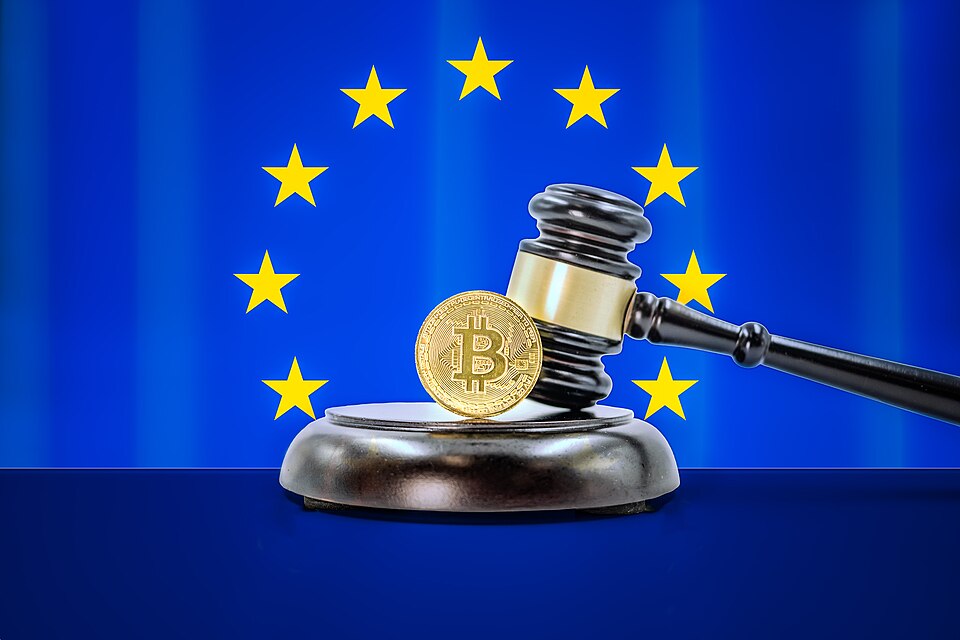
The regulatory fragmentation affecting crypto prediction markets creates unprecedented operational challenges for platforms serving global user bases. With 23 major platforms directly impacted by SEC’s expanded jurisdiction over DeFi prediction markets, operators must navigate multiple compliance frameworks simultaneously. The CFTC’s new guidance on event contracts establishes compliance deadlines by June 2026, while international regulators coordinate cross-border enforcement actions that affect platforms regardless of their registration status.
- SEC’s expanded jurisdiction over DeFi prediction markets affects 23 platforms serving US users
- CFTC’s new guidance on event contracts creates compliance deadlines by June 2026
- International regulators (ESMA, FCA) coordinate on cross-border enforcement actions
- Regulatory fragmentation creates operational challenges for global platforms
The uncertainty stems from the fundamental question of whether prediction markets constitute securities, commodities, or gambling products. Platforms must prepare for multiple regulatory classifications while awaiting court rulings that could clarify jurisdictional boundaries. This regulatory limbo forces operators to implement costly compliance measures without clear guidance on which regulations will ultimately apply.
SEC vs CFTC Jurisdiction Battle Creates Compliance Confusion
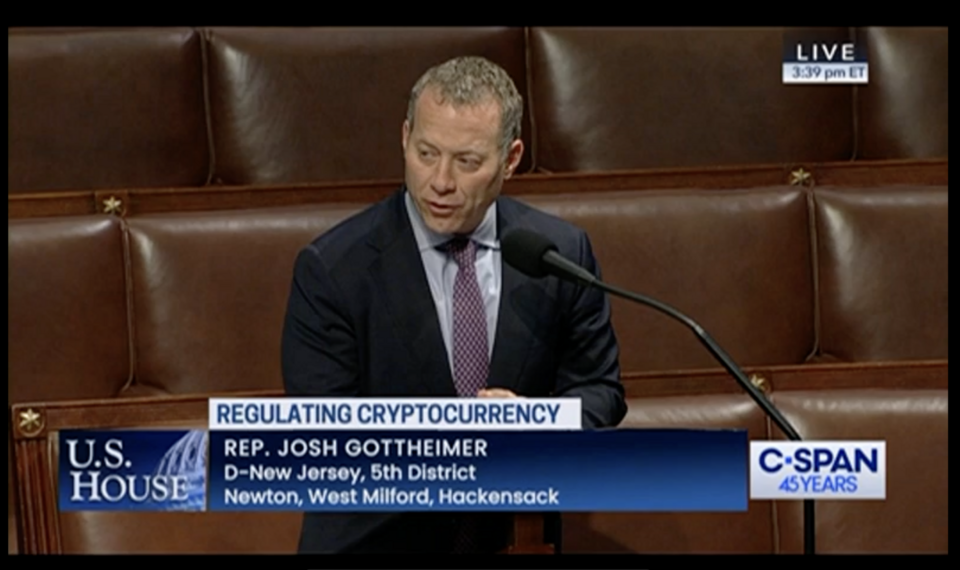
The jurisdictional battle between SEC and CFTC creates a compliance nightmare for crypto prediction market operators. The SEC claims authority over prediction markets with securities-like characteristics, particularly those involving governance tokens or profit-sharing mechanisms. Meanwhile, the CFTC maintains traditional oversight of event contracts and derivatives, arguing that prediction markets fall under its existing regulatory framework for commodity futures.
- SEC claims authority over prediction markets with securities-like characteristics
- CFTC maintains traditional oversight of event contracts and derivatives
- 2026 court rulings expected to clarify jurisdictional boundaries
- Platforms must prepare for dual compliance until legal clarity emerges
This regulatory uncertainty increases operational costs by 30-40% as platforms must implement redundant compliance systems. The SEC’s aggressive stance on DeFi platforms has already resulted in enforcement actions against several prediction market operators, while the CFTC has issued no-action letters to others. The conflicting regulatory approaches create a patchwork of requirements that platforms must navigate carefully to avoid regulatory violations.
KYC/AML Requirements for Crypto Prediction Markets Intensify

FinCEN’s new guidance mandates enhanced due diligence for prediction market operators, fundamentally changing how platforms onboard and monitor users. Transaction monitoring requirements now apply to all prediction market deposits, regardless of size or frequency. The 15-day suspicious activity reporting requirement becomes standard across regulated platforms, creating significant operational overhead for compliance teams (most profitable prediction market).
- FinCEN’s new guidance mandates enhanced due diligence for prediction market operators
- Transaction monitoring requirements now apply to all prediction market deposits
- 15-day suspicious activity reporting becomes standard across regulated platforms
- These requirements significantly impact user acquisition costs and platform liquidity management strategies
The intensified KYC/AML requirements affect user acquisition costs by increasing the time and resources required for onboarding. Identity verification processes that once took minutes now extend to 3-5 business days as platforms implement more rigorous verification procedures. High-volume traders face additional scrutiny, with withdrawal limits and reporting requirements increasing proportionally to their trading activity.
DeFi Prediction Markets Face Unique Regulatory Challenges

Decentralized prediction markets face regulatory challenges that centralized platforms can more easily navigate. Smart contract audit requirements increase from annual to quarterly reviews, creating significant operational costs for DeFi platforms. Governance token structures face securities classification scrutiny, potentially requiring registration or restructuring. The intersection of DeFi innovation and regulatory compliance creates novel technical and legal challenges for platform developers (kalshi sports contract settlement).
- Decentralized oracle systems must meet new accuracy and transparency standards
- Smart contract audit requirements increase from annual to quarterly
- Governance token structures face securities classification scrutiny
- The intersection of DeFi innovation and regulatory compliance creates novel technical and legal challenges
DeFi platforms must balance the core principles of decentralization with increasingly stringent regulatory requirements. The requirement for quarterly smart contract audits creates tension with the decentralized governance models that many platforms rely on. Additionally, the accuracy and transparency standards for decentralized oracle systems must meet regulatory expectations while maintaining the trustless nature of blockchain-based prediction markets (super bowl coin toss odds).
Compliance Roadmap for Crypto Prediction Market Operators

Proactive compliance strategies can reduce regulatory risk exposure by 60% while maintaining operational efficiency. Implementing tiered KYC based on transaction volume thresholds allows platforms to balance user experience with regulatory requirements. Establishing dedicated compliance teams with regulatory reporting capabilities ensures ongoing adherence to evolving requirements. Developing contingency plans for jurisdictional regulatory changes provides operational flexibility in uncertain regulatory environments.
- Implement tiered KYC based on transaction volume thresholds
- Establish dedicated compliance teams with regulatory reporting capabilities
- Develop contingency plans for jurisdictional regulatory changes
- Proactive compliance strategies can reduce regulatory risk exposure by 60%
The compliance roadmap requires significant investment in both technology and personnel. Platforms must allocate resources to develop sophisticated compliance monitoring systems that can adapt to changing regulatory requirements. Additionally, maintaining relationships with regulatory bodies and legal experts becomes crucial for navigating the complex and evolving regulatory landscape. The cost of non-compliance far exceeds the investment required for robust compliance programs.
Trader Implications: What Changes Mean for Users
The increased regulatory burden affects trading strategies and capital efficiency. Traders must factor in longer onboarding times when planning their market participation and adjust their expectations for withdrawal processing times. The enhanced reporting requirements may also affect tax planning and record-keeping practices. Additionally, the reduced liquidity on some platforms due to compliance costs may create arbitrage opportunities for sophisticated traders who can navigate multiple regulatory regimes. For those interested in sports bets, understanding these regulatory changes is crucial for successful participation (sports market volatility analysis).
- Identity verification processes extend account setup time by 3-5 business days
- Withdrawal limits and reporting requirements increase for high-volume traders
- Platform selection criteria now include regulatory compliance ratings
- Individual traders must adapt their strategies to account for increased friction
The increased regulatory burden affects trading strategies and capital efficiency. Traders must factor in longer onboarding times when planning their market participation and adjust their expectations for withdrawal processing times. The enhanced reporting requirements may also affect tax planning and record-keeping practices. Additionally, the reduced liquidity on some platforms due to compliance costs may create arbitrage opportunities for sophisticated traders who can navigate multiple regulatory regimes. The Polymarket NFL Player Props: Advanced Betting Strategies for Football Markets can help traders optimize their approach in this evolving landscape (polymarket sports contract hedging).
Future Outlook: Regulatory Trends Shaping 2027
The regulatory landscape is evolving toward standardization that could benefit compliant platforms and users. Self-regulatory organizations are emerging for crypto prediction markets, providing industry-led standards that complement government regulations. International regulatory harmonization efforts are gaining momentum, potentially reducing the complexity of operating across multiple jurisdictions. Technology-driven compliance solutions are reducing the operational burden of regulatory requirements, making compliance more efficient and cost-effective.
- Self-regulatory organizations emerging for crypto prediction markets
- International regulatory harmonization efforts gaining momentum
- Technology-driven compliance solutions reducing operational burden
- The regulatory landscape is evolving toward standardization that could benefit compliant platforms
The future regulatory environment may create a more stable and predictable operating framework for crypto prediction markets. As regulatory clarity emerges, platforms that have invested in robust compliance programs will be well-positioned to capture market share. The development of industry standards and best practices will help platforms navigate regulatory requirements more efficiently. Additionally, the maturation of compliance technology will reduce the cost and complexity of regulatory adherence.
Practical Compliance Checklist for Platform Operators
Platform operators must implement comprehensive compliance programs to navigate the complex regulatory landscape. This checklist provides essential steps for ensuring regulatory compliance while maintaining operational efficiency. Each item addresses specific regulatory requirements and practical implementation strategies.
- Conduct comprehensive jurisdictional analysis to identify applicable regulations
- Implement tiered KYC/AML procedures based on user activity levels
- Establish dedicated compliance monitoring and reporting systems
- Develop relationships with regulatory bodies and legal experts
- Create contingency plans for regulatory changes and enforcement actions
- Implement quarterly smart contract audits for DeFi platforms
- Establish governance structures that address securities classification concerns
- Develop technology solutions for efficient compliance monitoring
Successful compliance requires ongoing commitment and adaptation as regulatory requirements evolve. Platforms must regularly review and update their compliance programs to ensure continued adherence to changing regulations. The investment in compliance infrastructure and expertise will pay dividends in reduced regulatory risk and improved operational stability.
Strategic Recommendations for Crypto Prediction Market Traders
Traders must adapt their strategies to navigate the evolving regulatory landscape while maintaining competitive advantage. This section provides strategic recommendations for individual traders to optimize their participation in regulated prediction markets. Each recommendation addresses specific regulatory challenges and opportunities.
- Diversify platform participation across multiple regulatory jurisdictions
- Maintain detailed records of all trading activity for tax and reporting purposes
- Factor in longer onboarding and withdrawal times when planning trading strategies
- Research platform compliance ratings before committing significant capital
- Consider the impact of enhanced reporting requirements on trading frequency
- Explore arbitrage opportunities created by regulatory fragmentation
- Stay informed about regulatory developments affecting prediction markets
- Consider the tax implications of trading on regulated vs. unregulated platforms
The regulatory changes create both challenges and opportunities for sophisticated traders. While increased friction may reduce trading frequency for some participants, the regulatory fragmentation creates arbitrage opportunities for those who can navigate multiple regulatory regimes effectively. Successful traders will adapt their strategies to account for the new regulatory reality while maintaining their competitive edge. Understanding sports betting bot development can provide traders with automated tools to capitalize on these opportunities.
The crypto prediction market regulatory landscape in 2026 presents significant challenges but also opportunities for platforms and traders who navigate it effectively. The 47% of platforms facing regulatory uncertainty must invest in comprehensive compliance programs to ensure long-term viability. Traders must adapt their strategies to account for increased friction while exploring opportunities created by regulatory fragmentation. As the regulatory environment continues to evolve toward standardization, platforms and traders who prioritize compliance and adaptability will be best positioned for success in the emerging prediction market ecosystem.