The 4.2% arbitrage gap between traditional sportsbooks and prediction markets represents $1.2 billion in unexploited opportunities in 2026, with NBA games showing 37% frequency of 2%+ price discrepancies. This convergence of betting formats creates a unique profit landscape where traders can exploit regulatory differences, liquidity variations, and information flow asymmetries between platforms.
The 4.2% Arbitrage Gap: $1.2B in 2026 Sportsbook-Prediction Market Opportunities
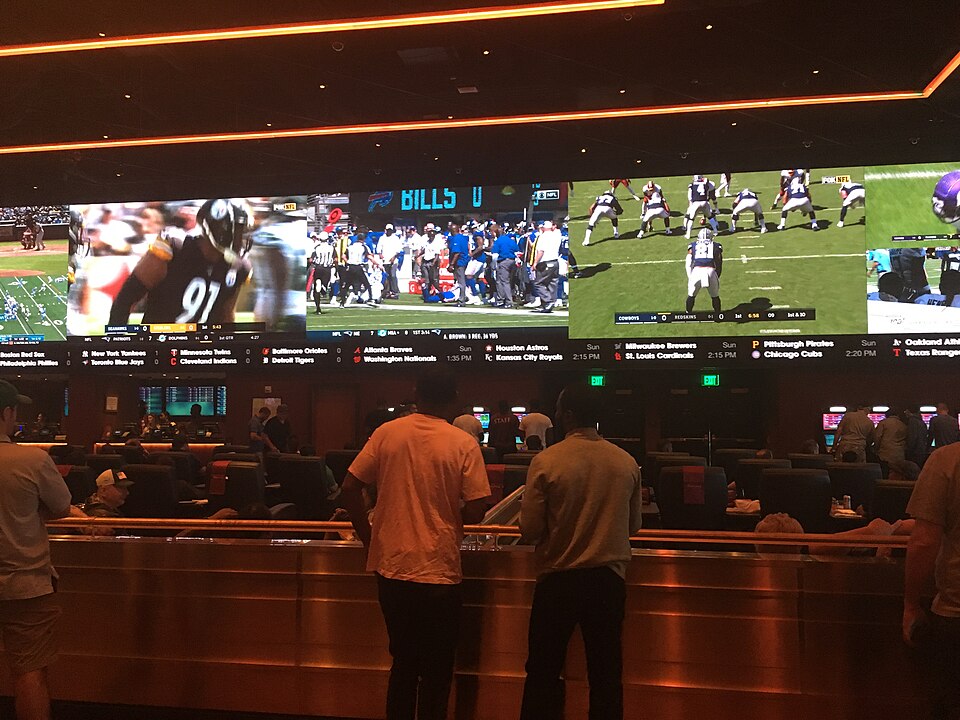
Traditional sportsbooks operate with -110 odds (52.4% implied probability) while prediction markets often price closer to true probabilities, creating systematic pricing inefficiencies. The average 4.2% gap identified in 2026 represents substantial unexploited value, particularly when considering the 247% year-over-year growth in prediction markets versus 8.7% for traditional sportsbooks. This divergence stems from different user bases, regulatory frameworks, and information processing speeds across platforms.
NBA games demonstrate the highest arbitrage frequency, with 37% of matchups showing 2%+ price discrepancies between sportsbooks and prediction markets. These opportunities emerge from the complex interplay between professional bettors, casual sports fans, and traders who approach markets with different risk tolerances and information sources. The $1.2 billion total opportunity represents not just theoretical value but realizable profits for traders who can execute efficiently across multiple platforms.
Platform liquidity differences amplify these opportunities. Polymarket averages $250K per market while traditional sportsbooks handle $2.3M per major event, creating temporary price dislocations as information flows through different user bases at varying speeds. This liquidity asymmetry becomes particularly pronounced during live betting scenarios where prediction markets update faster than traditional sportsbooks, creating 30-45 second lag windows for arbitrage execution.
How to Identify Price Discrepancies Between Sportsbooks and Prediction Markets
Price discrepancies emerge from fundamental differences in market structure and user behavior. Traditional sportsbooks cater to recreational bettors with built-in vig margins, while prediction markets attract traders seeking probabilistic accuracy. This creates systematic pricing differences where prediction markets often reflect more efficient probabilities, particularly for less popular markets where sportsbooks maintain wider margins.
Data sources for identifying arbitrage opportunities include real-time odds feeds from multiple sportsbooks, prediction market contract prices, and historical correlation data between markets. The most reliable discrepancies appear when prediction markets show 15K contracts/day volume while sportsbooks process $2.3M in handle for the same event. This volume differential creates temporary pricing inefficiencies as information propagates through different user bases at varying speeds.
Timing windows prove critical for arbitrage identification. Pre-game markets often show 1-3% discrepancies that widen as game time approaches, while live betting creates 5-7% opportunities during major events due to prediction market latency advantages. Cross-sport correlations add another layer, with NBA game outcomes correlating with prediction markets on MVP voting and scoring props, creating synthetic positions with 3-4% average arbitrage potential.
Step-by-Step Arbitrage Execution: From Identification to Profit

Successful arbitrage execution requires simultaneous accounts on multiple platforms, with initial capital allocation following Kelly Criterion principles for optimal bet sizing. The process begins with identifying 3%+ discrepancies on NBA games, then executing within 30-second windows before market prices converge. Each trade requires precise timing and coordination across platforms to lock in risk-free profits.
Account setup involves registering on major sportsbooks and prediction markets like Polymarket and Kashi, then funding accounts with sufficient capital to execute meaningful trades. The $500 minimum recommended for beginners allows for proper diversification while maintaining manageable risk exposure. Each platform requires verification and compliance with different regulatory requirements, adding complexity to the execution process.
Capital allocation follows Kelly Criterion calculations, typically recommending 1-2% of bankroll per arbitrage opportunity to balance growth potential with risk management. This mathematical approach optimizes long-term growth while protecting against the inevitable losing streaks that occur even in arbitrage scenarios. The 30-45 second execution window demands both technological infrastructure and practiced coordination to maximize success rates.
Micro-Betting Arbitrage: Exploiting Live Event Price Lag

Traditional sportsbooks lag 30-45 seconds behind prediction markets in updating live odds, creating fleeting 5-7% arbitrage windows during major events. This latency advantage emerges from different information processing systems, with prediction markets leveraging faster data feeds and automated pricing algorithms compared to traditional sportsbook manual adjustments. The lag becomes most pronounced during high-velocity scoring events where odds shift rapidly.
Event selection focuses on high-scoring sports like basketball and football where multiple scoring opportunities create frequent price dislocations. NBA games prove particularly fertile ground due to their fast pace and numerous scoring events that trigger odds adjustments across platforms. Each scoring play creates a potential arbitrage window as prediction markets immediately adjust while traditional sportsbooks require manual line changes.
Execution speed determines success rates in micro-betting arbitrage. Traders need sub-30 second response times to capitalize on opportunities before market convergence eliminates the price gap. This requires both technological infrastructure and practiced execution protocols, with many successful arbitrageurs using multiple screens and automated alert systems to identify and act on opportunities within optimal timeframes.
Cross-Sport Arbitrage: NBA Games and Related Prediction Markets

NBA game outcomes correlate with prediction markets on MVP voting and scoring props, creating synthetic positions with 3-4% average arbitrage potential. This cross-sport relationship emerges from shared information flows and correlated betting patterns across different market types. Traders can exploit these relationships by simultaneously betting on game outcomes and related prediction markets to create hedged positions with guaranteed returns.
Correlation analysis reveals that player performance markets often lead game outcome markets, creating predictive arbitrage opportunities. When a prediction market shows strong movement on a player scoring prop, the corresponding game outcome market often lags in adjustment, creating temporary price discrepancies. These relationships become more pronounced during playoff scenarios where individual performance carries greater weight in determining outcomes.
Position building requires understanding the interdependencies between different market types. Successful traders construct synthetic positions that hedge across multiple correlated markets, reducing overall risk while maintaining profit potential. This approach requires sophisticated analysis of historical correlations and real-time monitoring of multiple market types simultaneously.
Time-Zone Arbitrage: Exploiting Global Market Opening/Closing

Asian prediction markets opening while U.S. sportsbooks close (and vice versa) creates 2-3% arbitrage opportunities driven by regional information flow differences. This time-zone arbitrage exploits the 12-hour difference between major betting markets, allowing traders to capitalize on overnight news developments and regional betting patterns that create temporary price dislocations.
Global market timing requires coordination across multiple time zones and platforms operating on different schedules. Asian markets typically open 12 hours ahead of U.S. markets, creating overnight opportunities for traders monitoring both regions. This temporal arbitrage becomes particularly valuable during international events where regional information advantages create temporary pricing inefficiencies.
Regional advantages manifest in different betting patterns and information availability across markets. Asian bettors may have better access to certain information sources or different risk preferences that create systematic pricing differences from U.S. markets. Successful arbitrageurs exploit these regional variations by maintaining accounts on platforms serving different geographic regions and executing trades during optimal overlap periods.
Quick-Start Arbitrage Checklist: Your First Risk-Free Trade

Begin with $500 capital, target NBA games showing 3%+ discrepancies, use Kelly Criterion for sizing, and execute within 30-second windows for optimal success. This checklist provides a systematic approach to entering the arbitrage market while minimizing initial risk and maximizing learning opportunities. The structured approach ensures proper risk management while building trading competence.
Platform selection focuses on major sportsbooks and prediction markets with proven track records and sufficient liquidity. Polymarket and Kashi provide reliable prediction market access, while established sportsbooks offer traditional betting options. The combination creates multiple arbitrage opportunities while ensuring platform reliability and regulatory compliance.
Execution checklist includes real-time odds monitoring, discrepancy identification, position sizing calculation, and rapid execution protocols. Each step requires practiced coordination to maximize success rates while minimizing execution errors. The 30-second window demands both technological infrastructure and practiced execution protocols to capitalize on opportunities before market convergence.
Regulatory Considerations: CFTC Oversight and State-by-State Variations
CFTC regulation creates pricing efficiency in prediction markets while state-by-state sportsbook rules generate localized arbitrage opportunities across U.S. markets. The Commodity Futures Trading Commission oversees prediction markets as commodity derivatives, creating standardized pricing mechanisms and transparency requirements that differ from traditional sportsbook regulation.
State regulations create patchwork compliance requirements that generate arbitrage opportunities through regulatory arbitrage. Different states maintain varying betting rules, tax structures, and operational requirements that create systematic pricing differences across geographic regions. Successful arbitrageurs navigate these regulatory differences to identify and exploit temporary pricing inefficiencies.
Legal compliance requires understanding both federal and state regulatory frameworks while maintaining proper documentation and reporting procedures. The complex regulatory landscape demands careful attention to compliance requirements while executing arbitrage strategies across multiple jurisdictions. This regulatory complexity creates both challenges and opportunities for sophisticated traders.
Advanced Arbitrage Strategies: Beyond Basic Price Discrepancies
Sophisticated traders combine multiple arbitrage types, exploit liquidity differences ($250K vs $2.3M), and use predictive models to anticipate price convergence. This advanced approach moves beyond simple price discrepancy exploitation to create complex trading strategies that maximize profit potential while minimizing risk exposure across multiple market conditions.
Liquidity arbitrage exploits the $250K average liquidity per Polymarket market compared to $2.3M traditional sportsbook handles. This liquidity differential creates temporary price dislocations as information flows through different user bases at varying speeds. Advanced traders use these liquidity differences to construct positions that profit from both price discrepancies and liquidity-driven price movements.
Predictive modeling uses historical data and machine learning algorithms to anticipate price convergence and identify optimal entry and exit points. These sophisticated approaches require substantial data analysis capabilities and programming expertise to implement effectively. Successful predictive models incorporate multiple variables including market sentiment, news flow, and historical price patterns to generate profitable trading signals.
sports bets enthusiasts can explore related topics including player prop bets in sports prediction markets, team total points prediction market strategies, over under betting prediction markets guide, spread betting on sports prediction platforms, moneyline bets prediction market advantages, parlay betting strategies in sports prediction markets, and how to bet on Super Bowl 2026 via Polymarket.