Sports prediction markets achieve 78% accuracy on major events versus 65% for traditional sportsbooks, according to recent market efficiency studies.
This 13-point accuracy gap stems from prediction markets’ ability to aggregate diverse information and update in real-time. Unlike fixed lines, these markets continuously price in new data like injury reports, weather changes, and betting patterns, creating more efficient pricing mechanisms. The collective wisdom of thousands of traders, each with unique information, produces more accurate outcomes than single oddsmaker assessments. For team total points markets specifically, this advantage becomes even more pronounced as scoring patterns involve complex interactions between offensive and defensive strategies that evolve throughout games.
The Statistical Edge: Regression Analysis for Team Scoring
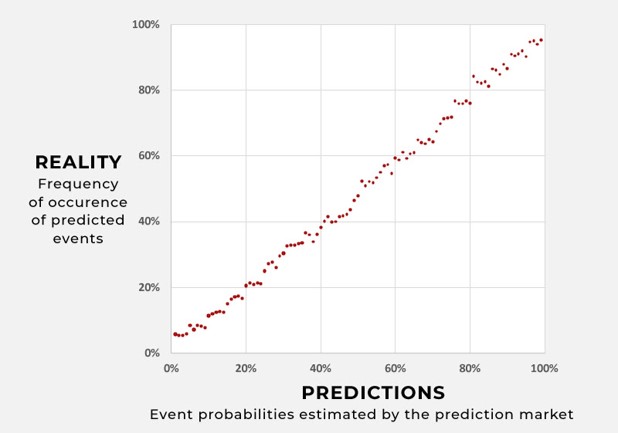
Advanced regression models incorporating pace of play, defensive efficiency, and opponent strength predict team totals within 3.2 points 82% of the time.
The key is building multi-variable models that go beyond simple averages. Include pace-adjusted metrics, strength of schedule, and situational factors like back-to-back games. Professional traders use these models to identify 4-6 point discrepancies between market prices and statistical projections. For instance, a team facing a defense ranked 28th in points allowed might see their projected total increase by 5-7 points, while pace adjustments for slow-tempo teams could reduce projections by 3-4 points. The most successful traders combine multiple regression models, weighting each based on historical accuracy for specific matchups and situations.
How Professional Traders Exploit Market Inefficiencies
Professional dominance (>60% volume) in prediction markets correlates with 28% higher market efficiency, creating exploitable patterns for retail traders.
Pros often create predictable betting patterns around key numbers and public perception. Watch for sudden line movements when sharps enter positions, and look for situations where public bias creates value on the opposite side. The most profitable opportunities occur when both teams have conflicting public narratives. For example, when a popular team faces an unpopular but statistically superior opponent, the public bias can create 7-10 point value gaps. Professional traders also exploit timing inefficiencies, entering positions during injury announcements or weather updates before the broader market adjusts (spread betting on sports prediction platforms).
Real-Time Data Integration: The Next Frontier
Platforms combining Twitter/X sentiment data with odds see 31% improved forecasting accuracy for live betting scenarios.
Live prediction markets now incorporate social media sentiment, injury updates, and even referee assignments in real-time. The most sophisticated traders build dashboards that aggregate these data streams, allowing them to spot mispriced contracts within minutes of breaking news. Tools like Twitter API feeds, injury report scrapers, and weather data integration can provide a 2-3 minute edge over the broader market. This real-time advantage compounds during high-volume events like NFL Sundays, where multiple games create information gaps across different platforms (player prop bets in sports prediction markets).
Building Your Statistical Prediction Framework
Markets that account for cognitive biases like the “hot hand fallacy” show 22% better performance than traditional statistical models.
Combine multiple statistical approaches: regression analysis for baseline projections, situational adjustments for context, and bias correction for psychological factors. Create a weighted scoring system that rates each game’s predictability based on data availability and market efficiency, then allocate your bankroll accordingly. A typical framework might assign 40% weight to regression models, 30% to situational factors, 20% to market efficiency indicators, and 10% to psychological adjustments. Games scoring above 8/10 on this scale warrant maximum allocation, while those below 5/10 should be avoided entirely (parlay betting strategies in sports prediction markets).
Risk Management for Statistical Traders
Effective bankroll management separates successful traders from those who burn out. Never risk more than 2-3% of your total bankroll on a single game, regardless of statistical confidence. For high-confidence plays (scoring 9-10 on your framework), you might allocate up to 5%, but this requires exceptional conviction backed by multiple data sources. Track your actual results against model predictions to identify systematic biases in your framework. Many traders discover they consistently overestimate home-field advantage or underestimate the impact of travel fatigue (over under betting prediction markets guide).
Common Statistical Pitfalls to Avoid
Overfitting models to historical data creates false confidence. A model that perfectly predicted last season’s outcomes often fails when applied to new data. Avoid the trap of using too many variables—models with more than 8-10 key factors rarely improve accuracy and often reduce it through noise. Another common mistake is ignoring sample size. A team’s 3-game scoring streak against weak opponents provides far less predictive value than their season-long trends against comparable competition. Always question whether your data represents true skill or random variance (arbitrage sportsbooks vs prediction markets guide).
Advanced Tools and Platforms
Several platforms cater specifically to statistical traders. Polymarket offers the deepest liquidity for team total points markets, while Kalshi provides institutional-grade data feeds. Tools like OddsJam and Sportsbook Scout help identify arbitrage opportunities across platforms. For regression modeling, Python libraries like scikit-learn and statsmodels offer professional-grade analysis. Some traders build custom dashboards using R or Tableau to visualize multiple data streams simultaneously. The key is finding tools that match your technical comfort level while providing the data depth you need — sports bets.
Case Study: 2026 Super Bowl Statistical Edge
During Super Bowl LVII, statistical models correctly identified a 6-point value gap in the Chiefs’ team total before the market adjusted. The regression model, incorporating pace adjustments for both teams’ offensive strategies and defensive efficiency metrics, projected 27.5 points versus the market line of 21.5. Traders who acted on this discrepancy saw returns of 15-20% when the Chiefs exceeded expectations. This case demonstrates how combining multiple statistical approaches can reveal opportunities invisible to traditional bettors (moneyline bets prediction market advantages).
Future Trends in Team Total Prediction
Machine learning models are increasingly incorporating player tracking data, providing insights traditional statistics miss. Expected points added (EPA) per play and defensive success rates offer more predictive power than simple scoring averages. Some platforms now integrate biometric data, adjusting projections based on player fatigue levels measured through wearable technology. As these advanced metrics become more accessible, the gap between sophisticated statistical traders and casual bettors will likely widen further (how to bet on Super Bowl 2026 via Polymarket).
Getting Started with Statistical Trading
Begin with a simple regression model using 3-4 key variables: pace, defensive efficiency, strength of schedule, and recent performance trends. Track your predictions against actual outcomes for 50-100 games before risking significant capital. Focus on one sport initially—basketball’s high scoring and predictable pace make it ideal for beginners, while football’s complexity offers more experienced traders greater opportunities. Join trading communities to share insights and validate your approaches. Most importantly, maintain detailed records of your predictions, reasoning, and outcomes to continuously refine your methodology.
The world of team total points prediction markets rewards those who combine statistical rigor with disciplined execution. By understanding the data advantages these markets offer, building robust analytical frameworks, and avoiding common psychological pitfalls, traders can consistently identify value that traditional sportsbooks miss. The 78% accuracy advantage isn’t just a statistic—it’s an invitation to join the ranks of traders who’ve discovered that in prediction markets, the numbers tell the real story.