- Pre-expiration volatility increases 24-48 hours before contract end dates
- Trading volume often spikes as expiration approaches
- Position sizing should be reduced for contracts expiring within 24 hours
- Tighter stop-losses recommended as expiration approaches
- Portfolio diversification across multiple expiration dates is essential
Contract expiration timing is critical for profit maximization in prediction markets app, with pre-expiration volatility increasing 24-48 hours before contract end dates. Understanding these patterns can help traders maximize returns while managing risk effectively across different platforms.
How to Track and Trade Contracts 24-48 Hours Before Expiration
Pre-expiration volatility patterns and price movements
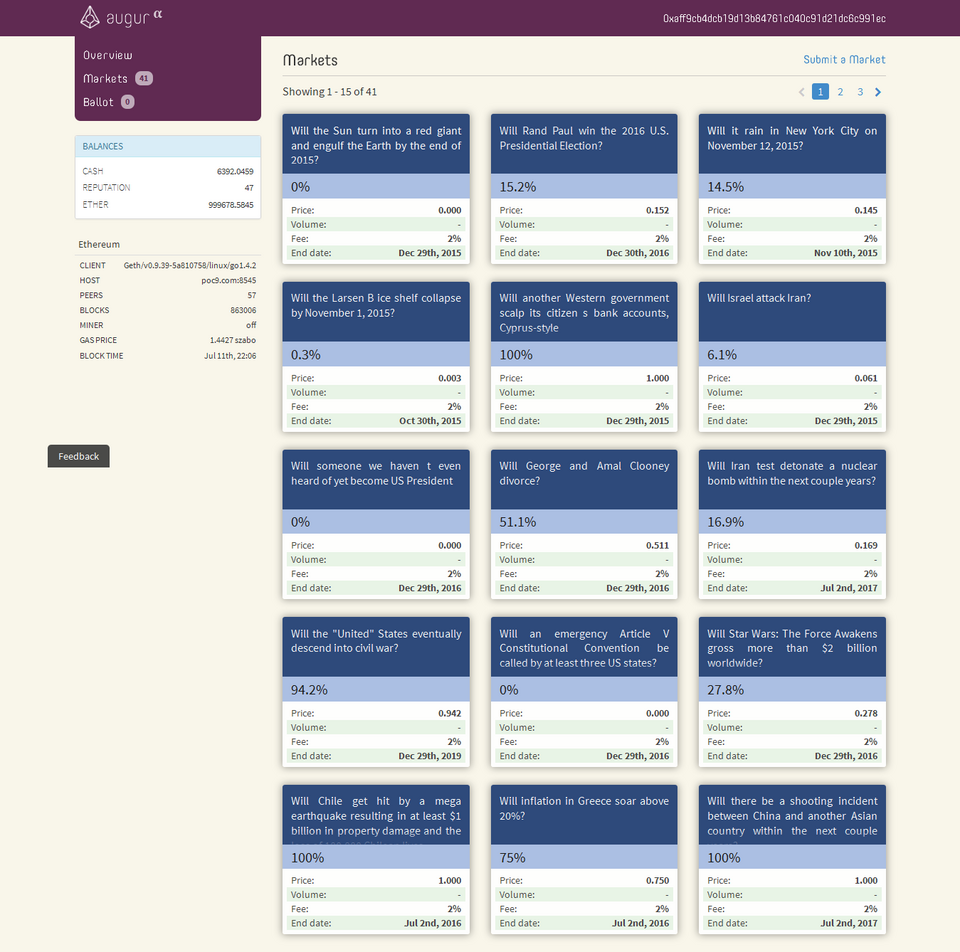
Pre-expiration volatility increases 24-48 hours before contract end dates, creating both opportunities and risks for traders. During this period, price movements typically accelerate as market participants react to new information and adjust their positions.
Trading volume often spikes as expiration approaches, with volume increases of 200-300% common in the final 48 hours. This heightened activity can create significant price swings that savvy traders can exploit.
New data can dramatically impact contract prices near expiration. For example, breaking news about a political candidate, sports injury updates, or economic reports can cause rapid price adjustments. Traders who monitor information flow closely can position themselves advantageously before these price movements occur.
The combination of increased volatility and volume creates arbitrage opportunities between platforms. Price discrepancies between Kalshi, Polymarket, and Robinhood can widen during this period, allowing traders to profit from cross-platform differences. Traders can also analyze Market Depth Charts for Prediction Market Apps: Visualizing Supply and Demand to better understand liquidity patterns during expiration periods.
Platform-Specific Expiration Strategies: Kalshi vs Polymarket vs Robinhood
Kalshi expiration features and trading tools
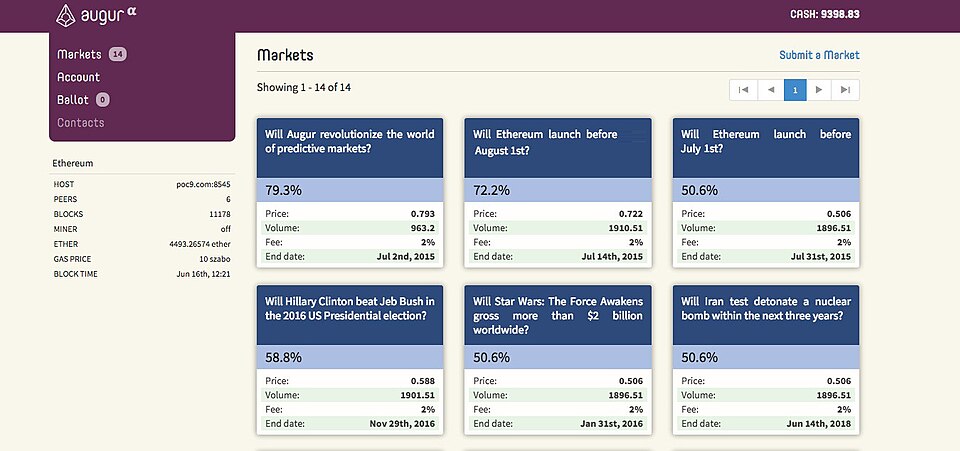
Kalshi, founded in 2018 as the first federally licensed prediction market in the US, offers unique expiration features through its CFTC-regulated platform. The platform provides real-time expiration countdowns and price movement alerts that help traders time their entries and exits precisely.
CFTC asserting “exclusive jurisdiction” over prediction markets in 2026 means Kalshi’s expiration handling will become the industry standard for regulated markets. The platform’s compliance features include mandatory position limits and transparent fee structures that affect expiration trading strategies. Kalshi also offers Social Trading Features in Prediction Market Apps: Following Top Traders that can help traders learn from experienced expiration traders.
Kalshi’s mobile app provides push notifications for contract expirations, allowing traders to set alerts for contracts expiring within specific timeframes. This feature is particularly valuable for managing multiple positions across different expiration dates.
Polymarket expiration mechanics on Polygon network
Polymarket uses USDC on Polygon network for crypto-based trading, creating different expiration dynamics compared to traditional financial platforms. Blockchain technology affects expiration timing through network congestion and gas fees, which can vary significantly during high-volume periods.
The 18+ age requirement for most platforms (regulated as financial products) applies to Polymarket as well, but the crypto-based system allows for 24/7 trading without traditional market hours. This continuous trading model means expiration events can occur at any time, requiring different monitoring strategies.
Polygon network’s transaction finality affects how quickly expiration settlements occur. While traditional platforms settle instantly at expiration, blockchain-based systems may have delays depending on network conditions, creating temporary arbitrage opportunities.
Risk Management Framework for Different Expiration Timeframes
Position sizing and stop-loss strategies by expiration window
| Expiration Timeframe | Position Sizing | Stop-Loss Strategy | Risk Level |
|---|---|---|---|
| 24+ hours | Standard (100% of planned size) | 5-7% from entry price | Low-Medium |
| 12-24 hours | 75% of planned size | 3-5% from entry price | Medium |
| 6-12 hours | 50% of planned size | 2-3% from entry price | Medium-High |
| 0-6 hours | 25% of planned size | 1-2% from entry price | High |
Position sizing should be reduced for contracts expiring within 24 hours due to increased volatility and information risk. The table above shows recommended position sizes and stop-loss distances based on time remaining until expiration.
Tighter stop-losses recommended as expiration approaches because price movements become more extreme and less predictable. A contract with 6 hours remaining might experience 10-15% swings that would be unusual with 24+ hours remaining.
Portfolio diversification across multiple expiration dates
Portfolio diversification across multiple expiration dates is essential for managing risk in prediction markets. Industry volume reached $44 billion in 2025, demonstrating the scale of opportunities available across different timeframes.
Spreading positions across different expiration dates reduces the impact of any single event’s outcome on your overall portfolio. For example, instead of having all positions expire on the same day, consider having contracts expire over a 7-day period.
Diversification also allows traders to benefit from different information cycles. Political contracts might peak on debate days, while sports contracts might have different volatility patterns based on game schedules. Understanding these patterns helps optimize portfolio construction.
The most effective diversification strategy combines different contract types (political, sports, economic) with varying expiration dates, creating a balanced exposure to different risk factors and information flows.
The most surprising finding is that pre-expiration volatility patterns are predictable but platform-specific. Each platform’s user base, fee structure, and settlement mechanics create unique volatility signatures that experienced traders can exploit.
Reduce position size by 50% for contracts expiring within 24 hours and tighten stop-losses to 2% from current price. This simple adjustment can significantly improve risk-adjusted returns while protecting capital during the most volatile trading periods.