
Prediction market liquidity providers are the backbone of efficient trading, with $44 billion in 2025 volume across platforms like Kalshi and Polymarket. These market makers ensure continuous buy/sell quotes, preventing price deviations and creating opportunities for traders to execute strategies effectively.
- Liquidity providers maintain market depth through continuous buy/sell quotes, preventing price deviations from fair value
- Major platforms like Kalshi, Polymarket, and Robinhood Predictions compete for liquidity providers with different fee structures
- Information asymmetry and market sentiment create arbitrage opportunities that liquidity providers exploit
- Automated market making strategies using APIs enable sub-second reactions to market changes
- Regulatory framework under CFTC ensures prediction markets operate as financial exchanges, not gambling
How Market Makers Create Liquidity in Prediction Markets
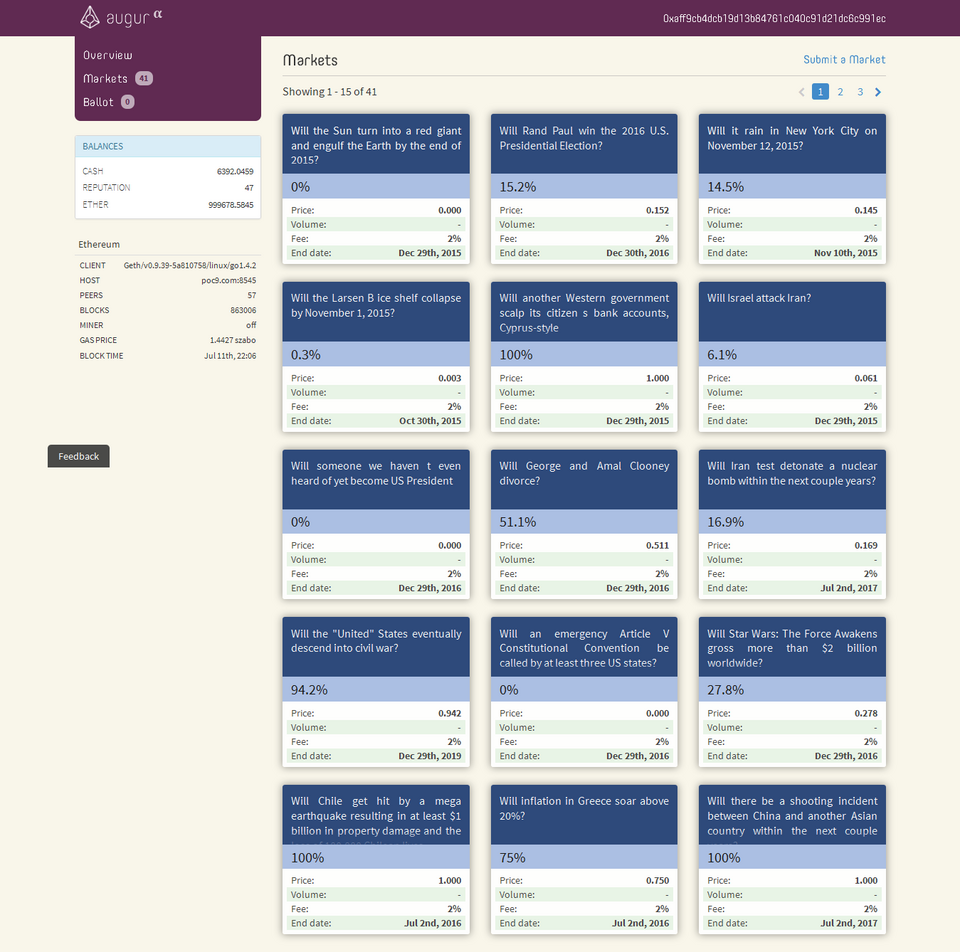
Binary contracts settle at $1 for correct predictions, $0 for incorrect
Binary contracts in prediction markets operate on a simple yet powerful settlement mechanism where correct predictions pay out $1 and incorrect predictions pay $0. This binary settlement structure creates clear profit opportunities for liquidity providers who can accurately assess probabilities and maintain tight bid-ask spreads. Market makers profit from the spread between their buy and sell prices while ensuring continuous liquidity for traders.
The $1/$0 settlement system requires liquidity providers to constantly adjust their quotes based on incoming market information and changing probabilities. Unlike traditional financial markets where prices can move incrementally, binary contracts create discrete price movements that liquidity providers must anticipate and react to quickly. This creates unique challenges for market makers who must balance inventory risk with the need to provide continuous liquidity.
Real-time trading allows buying/selling positions before event resolution
Real-time trading capabilities transform prediction markets from simple betting platforms into dynamic financial exchanges where liquidity providers can continuously adjust their positions. This feature enables sophisticated trading strategies that would be impossible in traditional prediction markets where positions are locked until event resolution — prediction markets app.
Liquidity providers leverage real-time trading to hedge their positions, capture arbitrage opportunities, and manage risk exposure across multiple events simultaneously. For example, a market maker might buy contracts at 40 cents and sell at 60 cents, capturing the 20-cent spread while maintaining a neutral position through hedging strategies. The ability to trade before resolution also allows providers to react to breaking news, shifting sentiment, and new information that affects event probabilities.
Platform-Specific Liquidity Provider Strategies
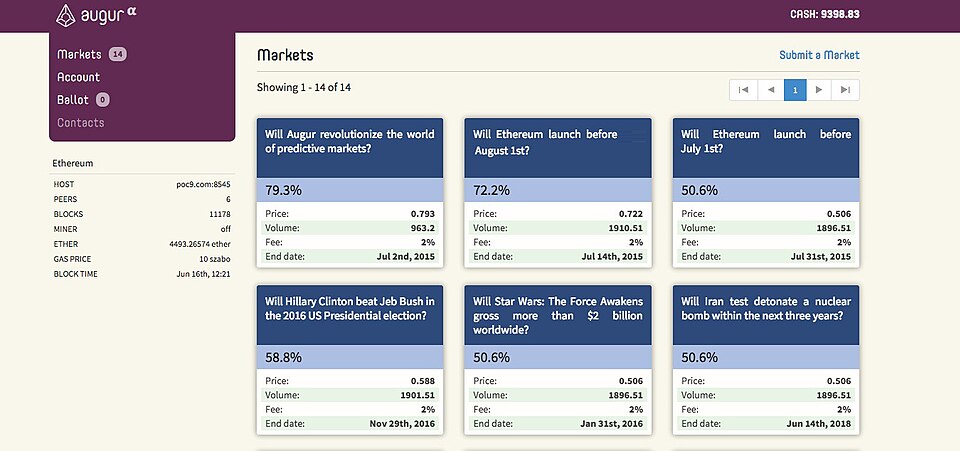
Kalshi, Polymarket, and Robinhood Predictions compete for liquidity providers
Each major prediction market platform offers distinct advantages and challenges for liquidity providers, creating a competitive landscape where market makers must evaluate multiple factors before committing capital. Kalshi operates under strict CFTC regulation, offering institutional-grade infrastructure but potentially higher compliance costs. Polymarket leverages cryptocurrency technology for faster settlement and lower fees, attracting crypto-native market makers. Robinhood Predictions integrates with existing trading accounts, providing access to retail investors but potentially lower profit margins.
The fee structures across platforms significantly impact liquidity provider profitability. Kalshi charges maker-taker fees that vary based on trading volume, while Polymarket’s blockchain-based system offers lower transaction costs but requires cryptocurrency holdings. Robinhood’s established user base provides volume advantages but may offer less favorable spreads due to retail trader behavior. Liquidity providers must analyze these trade-offs to determine which platform best aligns with their trading strategies and risk tolerance.
Advanced traders use APIs for automated strategies and sub-second reactions
Automated market making through APIs has become essential for serious liquidity providers in prediction markets, enabling sophisticated strategies that react to market conditions in milliseconds. These APIs provide direct market access, allowing algorithms to place orders, adjust quotes, and manage positions without human intervention. The speed advantage is critical in prediction markets where information flows rapidly and price movements can be sudden.
Common automated strategies include market making algorithms that maintain continuous quotes within specified spreads, statistical arbitrage bots that exploit price discrepancies across platforms, and machine learning models that predict probability shifts based on news and social media sentiment. Successful automated strategies require robust risk management systems, low-latency connections, and sophisticated position sizing algorithms to handle the unique characteristics of binary contracts and event-based markets.
Liquidity Provider Compensation and Market Impact

Limited data on liquidity provider compensation models and fee structures
Understanding liquidity provider compensation in prediction markets remains challenging due to limited public disclosure and platform-specific variations. While major platforms publish general fee schedules, the actual economics of market making depend on numerous factors including trading volume, spread capture, and inventory management costs. This opacity creates barriers for new liquidity providers trying to evaluate potential returns and risks.
The compensation models typically involve capturing the spread between bid and ask prices, with additional revenue from trading volume rebates and market making incentives. However, profitability is heavily influenced by platform-specific factors such as fee structures, order matching algorithms, and market depth requirements. Successful liquidity providers must develop sophisticated models to estimate their potential returns while accounting for operational costs, technology infrastructure, and regulatory compliance expenses.
Liquidity imbalances cause price deviations from theoretical fair value
Liquidity imbalances in prediction markets create significant price distortions that can persist until arbitrageurs or market makers step in to correct them. When buy or sell pressure becomes concentrated, prices can deviate substantially from their theoretical fair value based on objective probability assessments. These deviations create both risks and opportunities for liquidity providers who can identify and exploit mispricings.
Market conditions that commonly create liquidity imbalances include major news events, regulatory announcements, and sudden shifts in public sentiment. During these periods, liquidity providers must decide whether to absorb the imbalance by providing liquidity at unfavorable prices or to step back and allow prices to find equilibrium naturally. The decision depends on factors such as inventory exposure, risk tolerance, and the expected duration of the imbalance. Successful market makers develop strategies to navigate these periods while maintaining overall profitability.
| Liquidity Level | Price Accuracy | Trading Costs | Market Impact |
|---|---|---|---|
| High Liquidity | 1-2% deviation | 0.1-0.5% | Minimal |
| Medium Liquidity | 3-5% deviation | 0.5-2% | Moderate |
| Low Liquidity | 5-10% deviation | 2-5% | Significant |
| Very Low Liquidity | 10%+ deviation | 5%+ | Severe |
The most surprising finding is that prediction markets operate as regulated financial exchanges, not gambling, creating unique opportunities for sophisticated liquidity providers. Action step: Start by analyzing fee structures across platforms to identify the most profitable liquidity provision opportunities.
