Prediction markets have exploded in popularity, with trading volume reaching tens of billions of dollars in 2026. These markets allow traders to bet on real-world events like elections, economic data, and sports outcomes through contracts that pay based on event results.
- Prediction markets let you trade on real-world event outcomes through contracts
- Major platforms include Kalshi, Polymarket, and Novig, all federally regulated
- Specialized tools track “smart wallets” and provide arbitrage alerts for traders
What Are Prediction Markets and How Do They Work?
How Prediction Market Contracts Pay Out
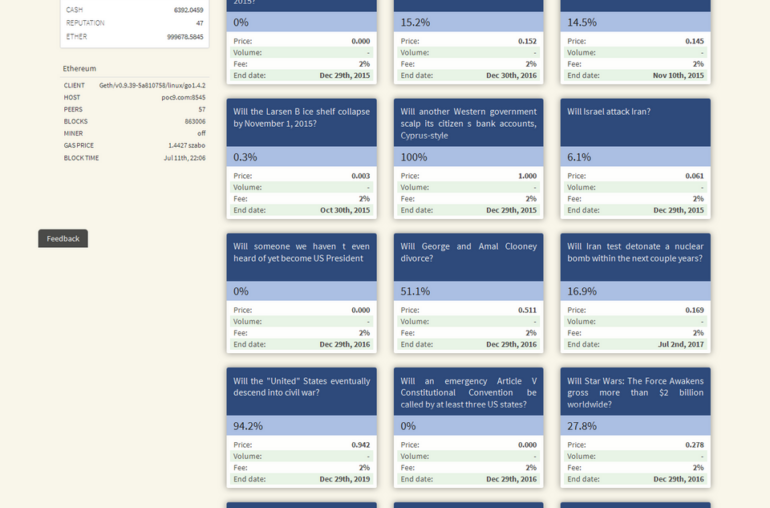
Prediction market contracts operate on a simple binary principle: they pay $1 if a specific event occurs and $0 otherwise. For example, a contract might pay $1 if the New York Yankees win their next game, and nothing if they lose. The market price of these contracts reflects the collective probability assessment of traders. If a Yankees win contract trades at $0.65, the market believes there’s roughly a 65% chance of victory.
These contracts come in two main types: binary contracts that resolve to either 0 or 1, and scalar contracts that resolve to a range of values. Binary contracts dominate sports prediction markets because most outcomes are straightforward wins or losses. The price discovery mechanism works through continuous trading, where buyers and sellers determine the fair market value based on their information and analysis.
Why Prediction Markets Matter for Traders
Traders use prediction markets for several compelling reasons beyond simple speculation:
- Information advantage: Traders with superior information or analysis can profit from mispriced contracts
- Portfolio diversification: Event contracts provide uncorrelated returns compared to traditional assets
- Real-time hedging: Traders can hedge against uncertainty in areas that affect their lives or businesses
- Price discovery: Markets aggregate dispersed information to create more accurate probability estimates than individual experts
The Growth of Prediction Markets in 2026
Prediction markets burst onto the American marketplace in the fall of 2024, and their popularity has only grown since. The sector has shifted from a niche project to a growing part of everyday investing, with total 2025 global prediction market volume reaching approximately $44 billion, mostly split between Polymarket and Kalshi. To compare, in 2020, the peak monthly volume was under $100 million.
While politics remains a major category, non-sports “event finance” such as macroeconomic indicators, technology adoption, and corporate outcomes has grown more than 10-fold in 2025 alone. This explosive growth reflects both increased regulatory acceptance and growing trader sophistication in using these markets for both speculation and hedging.
Major Prediction Market Platforms: Kalshi, Polymarket, and Novig
Kalshi: The First Federally Regulated Prediction Market
Kalshi made history in 2020 when the Commodity Futures Trading Commission (CFTC) approved it as the first Designated Contract Market (DCM) authorized to list event contracts in U.S. history. The platform launched publicly in 2021 and by 2025 had processed tens of billions of dollars in trading volume.
Key features that make Kalshi the regulated leader include:
- CFTC oversight providing investor protections
- Minimum deposit of just $1, making it accessible to all traders
- Multiple payment methods including debit cards, bank transfers, crypto deposits, and wire transfers
- Clear regulatory framework that distinguishes it from gambling platforms
The regulatory approval matters because it provides legal clarity and consumer protections that unlicensed platforms cannot offer. This has helped Kalshi attract institutional investors and serious traders who need compliance certainty.
Polymarket: The Decentralized Prediction Market Leader
Polymarket operates as the largest decentralized prediction market platform, built on blockchain technology that allows for greater accessibility and censorship resistance. Unlike Kalshi’s centralized model, Polymarket uses smart contracts to automate trade settlement and dispute resolution.
The platform’s popularity stems from several factors:
- No geographic restrictions on participation
- Lower fees due to automated settlement
- Greater variety of markets, including controversial or niche topics
- Community governance through token holders
Polymarket’s decentralized nature means it can list markets that regulated platforms might avoid, though this comes with increased counterparty risk since there’s no regulatory oversight protecting traders.
Novig and Emerging Platforms
Novig has emerged as a competitive player with its fee-free exchange model, directly challenging established platforms on cost. The platform generates revenue through market making rather than charging traders, creating a different economic model that benefits active traders.
Novig’s competitive advantages include:
- Zero trading fees, reducing transaction costs for frequent traders
- Exchange-style matching that provides better price discovery
- Focus on sports and entertainment markets where liquidity is high
- Modern mobile-first interface designed for casual traders
The competitive landscape shows how prediction markets are evolving from simple betting platforms to sophisticated financial instruments with multiple business models serving different trader needs — prediction betting.
Tools and Analytics for Prediction Market Traders
Tracking “Smart Wallets” and Profitable Traders
One of the most powerful features of modern prediction markets is the ability to track “smart wallets” – accounts that consistently generate profits through superior analysis or information. Platforms like Polyburg specialize in analyzing the activity of these profitable traders and providing insights to followers.
Smart wallet tracking works by:
- Identifying accounts with consistently positive returns over time
- Analyzing their trading patterns and market timing
- Providing alerts when these traders enter new positions
- Offering performance metrics that validate their track record
This social trading aspect allows less experienced traders to learn from successful participants and potentially improve their own results by following proven strategies.
Real-Time Transaction Feeds and Price Charts
Tools like Polysights provide AI-driven dashboards that display real-time transaction feeds, price/volume charts, and arbitrage alerts. These platforms transform raw market data into actionable intelligence for traders.
Key features of advanced analytics platforms include:
- Real-time price charts showing market sentiment shifts
- Volume analysis to identify large trader activity
- Arbitrage alerts when price discrepancies appear across platforms
- AI-powered sentiment analysis of market discussions
These tools help traders make data-driven decisions rather than relying on intuition or incomplete information.
Arbitrage Opportunities and Market Making
Sophisticated traders earn from spreads instead of direction by providing liquidity and capturing bid-ask differences. Market makers profit by simultaneously buying and selling contracts across different platforms when price discrepancies exist.
Arbitrage strategies work because:
- Different platforms may price the same event differently
- Market inefficiencies create temporary price gaps
- Automated trading systems can execute trades faster than manual traders
- Risk can be hedged across multiple positions
about market prediction markets
Market making in prediction markets involves maintaining buy and sell orders on both sides of the market, earning the spread while managing inventory risk. This requires sophisticated automation tools and deep understanding of market microstructure.
The most counter-intuitive finding is that prediction markets often outperform traditional polls and expert predictions in accuracy. Actionable step: Start by paper trading on a platform like Kalshi to understand contract mechanics before risking real money. For deeper insights into prediction market strategies and platform reviews, visit trang Predictionmarketnews for comprehensive analysis and trading guides.
Frequently Asked Questions About Prediction Mlb Markets
Is Kalshi a real company?
Yes, Kalshi is a real company. In 2020, the Commodity Futures Trading Commission (CFTC) approved Kalshi as the first Designated Contract Market (DCM) authorized to list event contracts in U.S. history.
What does a prediction market company do?
A prediction market company operates a platform where participants trade contracts whose payoff depends on the outcome of a future event. For example, a contract might pay $1 if a specific MLB team wins a game or series.
Do people make money on prediction markets?
Yes, people can make money on prediction markets, but success depends on skill and accuracy in predicting outcomes. Edward Van Wesep, an economist and professor at the University of Colorado, notes that if you're good at predicting events, such as MLB game results, you can profit.