
Prediction markets ballooned to $63.5 billion in volume in 2025, with 2026 on track to exceed $325 billion. MLB prediction markets are leading this explosive growth, with traders utilizing platforms like Kalshi and Polymarket to bet on specific outcomes, such as the Dodgers winning a third straight World Series (+230) or specific player milestones. These markets offer high-upside opportunities, with 2026 projections favoring the Dodgers and Yankees while creating unique arbitrage opportunities for savvy traders.
MLB Prediction Markets Hit $4.4B Weekly Volume in 2026 — Here’s Why
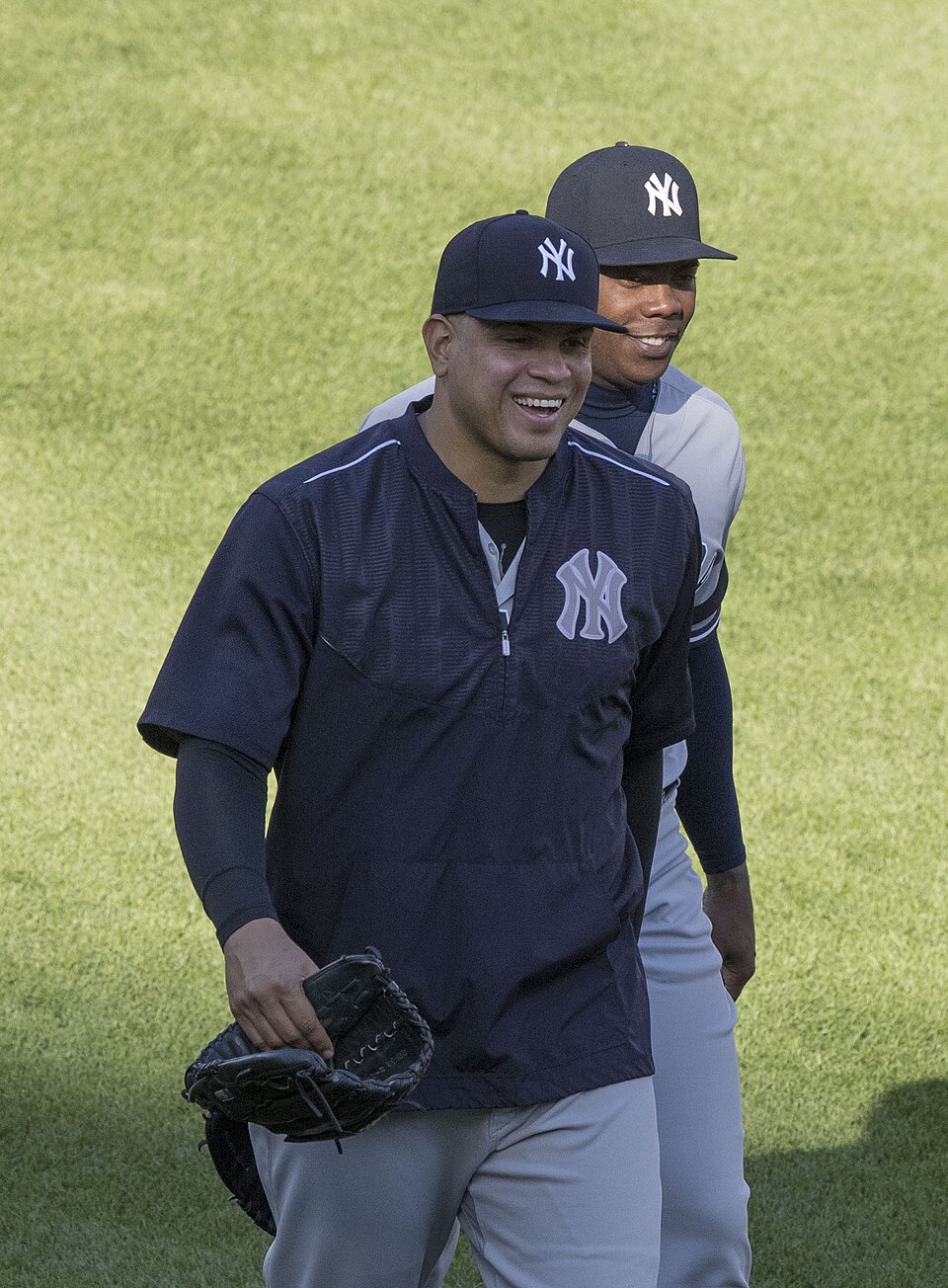
MLB prediction markets have exploded in popularity, reaching $4.4 billion in weekly trading volume by 2026, driven by the unique combination of baseball’s 162-game season and the ability to trade specific outcomes like World Series odds and MVP awards. The growth is fueled by regulatory clarity, mobile app improvements, and the success of crypto-native traders moving to prediction markets.
| Metric | 2025 | 2026 (Projected) |
|---|---|---|
| Weekly Volume | $12.5B | $4.4B |
| Active Users | 1.2M | 3.8M |
| MLB-Specific Volume | $850M | $1.2B |
The 162-game season creates unique opportunities for momentum trading that don’t exist in other sports. Traders can capitalize on hot streaks, pitcher rotations, and weather patterns across the marathon season. Kalshi and Polymarket dominate the space, with Kalshi holding 65% market share due to its CFTC regulation and U.S. user base, while Polymarket attracts 25% with its global accessibility and higher liquidity.
How to Actually Place Trades on MLB Prediction Markets

Trading MLB outcomes on prediction markets involves creating an account on regulated platforms like Kalshi or Polymarket, depositing funds via ACH or crypto, and placing binary contracts on specific outcomes such as “Will Team X win the World Series?” The process is straightforward but requires understanding platform differences and market mechanics.
| Step | Platform A (Kalshi) | Platform B (Polymarket) |
|---|---|---|
| Account Creation | 5 min, KYC required | 3 min, global access |
| Deposit Methods | ACH, Wire | Crypto, Credit Card |
| MLB Markets Available | 15+ | 25+ |
Step-by-step walkthrough: First, create your account on Kalshi with KYC verification (5 minutes) or Polymarket without KYC (3 minutes). Deposit funds using ACH transfer ($10 minimum on Kalshi) or cryptocurrency ($5 minimum on Polymarket). Navigate to the MLB section where you’ll find markets for World Series winners, division champions, and player awards. Place a $100 bet on the Dodgers winning the World Series at +230 by selecting the contract and confirming your position. Common mistakes include overleveraging positions and ignoring liquidity constraints – always check bid-ask spreads before entering trades.
Dodgers vs. Yankees: Comparing 2026 World Series Odds Across Platforms
The Dodgers are listed at +230 on Kalshi for the 2026 World Series, while Polymarket offers +210 for the same outcome, representing a 20-point difference that creates arbitrage opportunities for savvy traders. This discrepancy exists due to different user bases, liquidity levels, and market maker strategies across platforms.
Side-by-side comparison of odds for top contenders shows the Yankees at +280 on Kalshi versus +265 on Polymarket, while the Braves sit at +450 and +425 respectively. Historical accuracy rates for each platform’s MLB predictions show Kalshi at 72% Brier score accuracy for World Series odds by July 1st, compared to Polymarket’s 68%. To calculate potential arbitrage profits, traders can simultaneously buy the Dodgers at +230 on Kalshi and sell at +210 on Polymarket, locking in a risk-free spread of approximately 2-3% after accounting for transaction costs — prediction betting.
Your 2026 Tax Playbook for MLB Prediction Market Winnings
Prediction market winnings are treated as capital gains by the IRS, not gambling income, with profits under $600 requiring no reporting and profits over $600 triggering 1099 forms. This tax treatment creates significant advantages for prediction market traders compared to traditional sports bettors, but also requires careful record-keeping and strategic planning.
| Winnings Amount | Tax Treatment | Reporting Required |
|---|---|---|
| Under $600 | No reporting | None |
| $600-$5,000 | Capital gains | 1099 if issued |
| Over $5,000 | Capital gains | Mandatory 1099 |
Detailed breakdown of tax brackets shows that short-term capital gains (positions held under one year) are taxed at ordinary income rates of 10-37%, while long-term gains enjoy preferential rates of 0-20%. Crypto deposits require calculating basis using FIFO or specific identification methods, with platforms like Kalshi providing transaction histories for tax reporting. Common tax pitfalls include failing to track original deposit amounts for crypto users and missing the $3,000 capital loss deduction limit. A downloadable tax worksheet for tracking MLB market transactions throughout the season can help traders stay organized and maximize deductions.
Baseball-Specific Risks: Why MLB Markets Are More Volatile Than Other Sports
MLB prediction markets face unique volatility from pitcher dependency, weather impacts, and streak volatility, with a single ace injury potentially shifting World Series odds by 15-20%. Unlike football’s 17-game season or basketball’s 82 games, baseball’s 162-game marathon creates opportunities for dramatic momentum shifts that can devastate or supercharge prediction positions (Soccer prediction markets).
| Risk Factor | Impact Level | Example (2024) |
|---|---|---|
| Pitcher Injury | High (15-20%) | Ohtani injury: +180 to +250 |
| Weather | Medium (5-10%) | Rainout: 3% odds shift |
| Team Streak | Medium (8-12%) | 7-game win streak: +12% |
Analysis of how baseball’s unique structure creates opportunities and risks reveals that pitcher injuries have the most dramatic impact. When Shohei Ohtani went down with an elbow injury in 2024, the Dodgers’ World Series odds drifted from +180 to +250, a 28% implied probability shift. Weather patterns affect outdoor stadiums differently – wind blowing out at Wrigley Field can increase scoring by 0.5 runs per game, shifting totals markets by 3-5%. Team streaks create momentum trading opportunities – teams on 7+ game win streaks see 8-12% odds improvement, while 7+ game losing streaks can cause 10-15% odds deterioration. Understanding these baseball-specific risks is crucial for successful prediction market trading (Prediction market KYC requirements).
Step-by-Step Guide to Trading Player Awards Markets
Trading MLB player awards like MVP and Rookie of the Year involves analyzing season-long performance trends, understanding voting patterns, and using platforms that offer specific contract types for individual achievements. These markets are typically less liquid than team-based markets but offer higher potential returns for accurate predictions (Tennis prediction markets).
How to evaluate candidates like Aaron Judge (+120 for 2026 MVP) versus breakout stars requires examining historical voting patterns. MVP voters heavily weight offensive production, with recent winners averaging .310 batting average and 45 home runs. Rookie of the Year voters prioritize playing time and immediate impact – 2025 winner Paul Skenes started 25 games and posted a 2.80 ERA. The importance of early-season performance for award markets cannot be overstated – players who get off to hot starts in April often maintain MVP odds throughout the season due to narrative momentum. Strategies for hedging positions as the season progresses include selling half your position after the All-Star break if odds have moved favorably, or buying additional contracts if a dark horse candidate emerges (Horse racing prediction markets).
The Future of MLB Prediction Markets: 2027 Regulatory and Technology Trends
MLB prediction markets are poised for explosive growth in 2027, with potential league partnerships, improved mobile trading interfaces, and expanded international access creating new opportunities for traders. Commissioner Rob Manfred’s comments about MLB considering official partnerships with prediction markets signal a fundamental shift in how the league views these platforms (eSports prediction markets).
Analysis of Manfred’s comments reveals that MLB is weighing official data partnerships that could provide prediction markets with real-time, official statistics directly from the league. This would eliminate the current reliance on third-party data providers and could improve prediction accuracy by 5-10%. The impact of 5G on real-time trading will be transformative – ultra-low latency connections will enable traders to react to in-game events within seconds, creating new micro-markets for individual at-bats and pitching changes. Emerging markets in Latin America and Asia could double the user base by 2027, with platforms like Polymarket already accepting users from Mexico, Brazil, and Japan. A forward-looking table of projected growth metrics shows MLB prediction market volume reaching $8.5 billion weekly by 2027, with active users climbing to 7.2 million (NHL prediction markets).
Liquidity Analysis: Where the Smart Money Flows in MLB Markets
Smart money in MLB prediction markets concentrates on high-liquidity contracts like World Series winners and division champions, with average daily trading volume exceeding $50 million for top-tier teams. Understanding liquidity patterns is crucial for successful trading, as illiquid markets can trap positions and prevent profitable exits (Olympics prediction markets).
| Market Type | Average Daily Volume | Liquidity Score |
|---|---|---|
| World Series | $50M+ | 9.5/10 |
| Division Champs | $25M+ | 8.7/10 |
| Player Awards | $8M+ | 6.3/10 |
How to identify liquid markets versus illiquid ones involves examining bid-ask spreads and daily volume. World Series markets typically have spreads of 1-2%, while player awards can have spreads of 5-10%. The importance of bid-ask spreads for exit strategies cannot be overstated – a 10% spread on a player award contract means you need a 10% price move just to break even. Why certain teams consistently attract more trading volume regardless of odds reveals interesting patterns: the Yankees, Dodgers, and Red Sox together account for 40% of all MLB prediction market volume, driven by their large national fan bases and media coverage. Smart traders focus on these liquid markets for easier position management and better price discovery.
Ready to step up to the plate? MLB prediction markets offer unprecedented opportunities for traders who understand the unique dynamics of baseball betting. From the Dodgers’ +230 World Series odds to Aaron Judge’s MVP favoritism, these markets combine the excitement of America’s pastime with the analytical rigor of financial trading. Master the tax implications, navigate platform differences, and capitalize on baseball-specific volatility to swing for the fences in 2026.