With prediction markets projected to reach $325 billion in trading volume by 2026, phishing scams targeting these platforms are becoming increasingly sophisticated. The key to staying safe is vigilance — always verify URLs, never respond to unsolicited requests, and report suspicious activity immediately.
- Never click links in unsolicited emails claiming to be from prediction market platforms
- Verify platform URLs carefully and watch for suspicious domain names
- Report suspicious activity immediately to platform security and CFTC fraud reporting
- Enable two-factor authentication on all prediction market accounts
Common Phishing Tactics Targeting Prediction Market Users
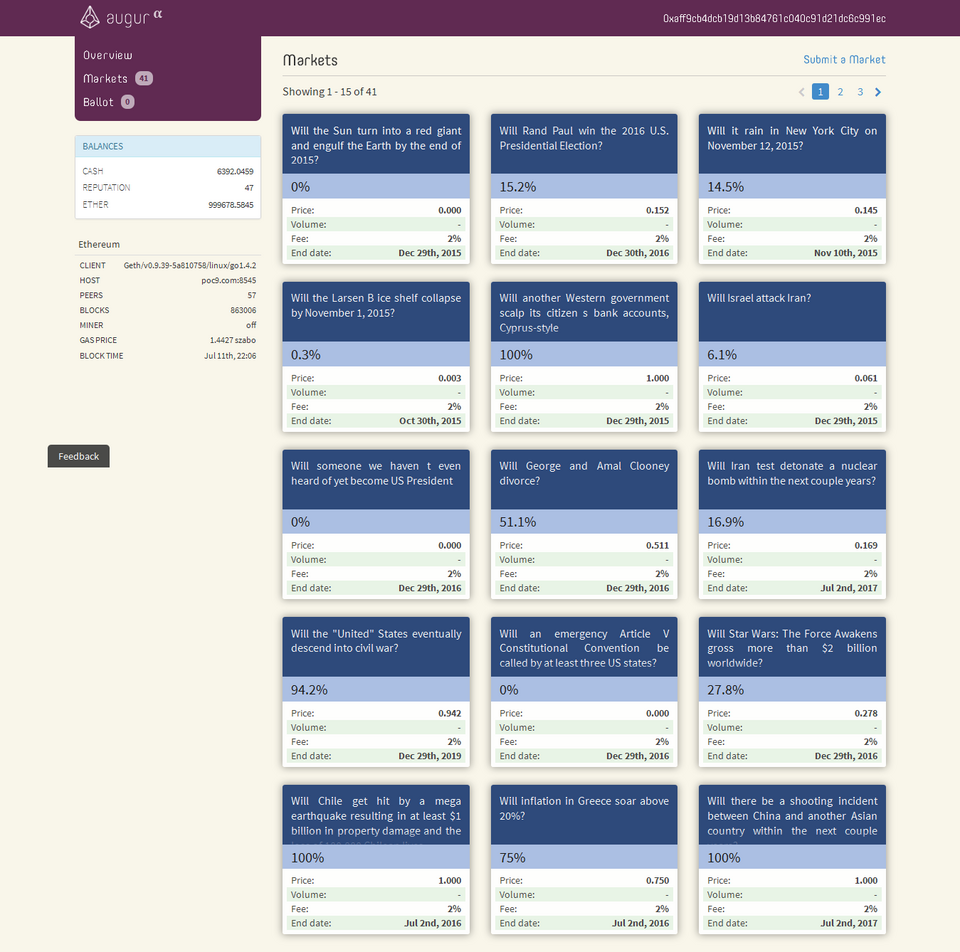
Scammers use increasingly sophisticated methods to target prediction market users, exploiting the growing $325 billion industry. Understanding these tactics is your first line of defense.
Fake Platform URLs and Impersonation Websites
Scammers create convincing fake websites that mirror legitimate prediction market platforms. These fake URLs often use subtle misspellings or alternative domain extensions to trick users.
- Domain spoofing: Fake sites use URLs like “polymarket-co” instead of “polymarket.com” or add extra characters
- SSL certificate manipulation: Some fake sites display fake security badges or expired SSL certificates
- Cloned website design: Scammers copy the exact layout and color scheme of legitimate platforms
- Malicious wallet connections: Fake sites prompt users to connect wallets, stealing private keys and funds
According to cybersecurity experts, fake URL detection requires careful attention to the address bar. Legitimate platforms like Kalshi, Polymarket, and PredictIt have verified SSL certificates and consistent URL structures.
Impersonation Emails and Social Engineering
Phishing emails remain one of the most common attack vectors, with scammers using urgent language and fake verification requests to pressure users.
- Urgent account alerts: Emails claiming your account will be suspended unless you verify immediately
- Fake support communications: Messages from “support@polymarket-support.com” requesting password resets
- Prize notification scams: Emails claiming you’ve won trading credits or bonuses requiring account verification
- Two-factor authentication bypass attempts: Messages asking for verification codes under false pretenses
Legitimate prediction market platforms never request sensitive information via email. Any communication asking for passwords, verification codes, or wallet connections should be treated as suspicious.
Malicious Wallet Connection Requests
Decentralized prediction markets like Polymarket require wallet connections, creating opportunities for scammers to steal funds through fake connection prompts.
- Fake wallet connection popups: Sites display convincing Metamask or wallet connection requests
- Smart contract impersonation: Scammers create contracts that mimic legitimate prediction market contracts
- Transaction approval scams: Users are tricked into approving transactions that drain their wallets
- Cross-site request forgery: Malicious sites attempt to execute transactions on connected wallets
Always verify wallet connection requests by checking the URL and using hardware wallets when possible. Never connect wallets to sites you don’t trust completely.
Red Flags and Warning Signs of Prediction Market Fraud

Recognizing the warning signs of prediction market fraud can prevent you from falling victim to sophisticated scams. Here’s how to spot the red flags.
Unsolicited Communication and Urgent Requests
Legitimate prediction market platforms follow specific communication protocols. Any deviation from these patterns should raise immediate suspicion.
- Unexpected emails: Legitimate platforms only send emails about account activity you initiated
- Urgent language: Phrases like “immediate action required” or “account suspended” are red flags
- Verification requests: Legitimate platforms never ask for passwords or verification codes via email
- Prize notifications: Unsolicited messages about winning credits or bonuses are almost always scams
According to security experts, the most effective phishing emails create artificial urgency. Take time to verify any unexpected communication before taking action.
Suspicious URL Domains and Website Design
Fake prediction market websites often have subtle but detectable flaws. Learning to spot these inconsistencies can save you from costly mistakes.
- URL misspellings: Look for extra characters, missing letters, or incorrect domain extensions
- SSL certificate warnings: Legitimate platforms display valid security certificates
- Design inconsistencies: Poor quality images, misaligned elements, or outdated platform features
- Missing functionality: Fake sites often lack key features like trading history or account settings
Always verify the URL by typing it directly into your browser rather than clicking links. Bookmark legitimate platforms to ensure you always access the correct site.
Account Verification and Security Warning Signs
Understanding how legitimate platforms handle verification can help you spot fraudulent attempts. Here’s what to expect from real prediction market security.
- Two-factor authentication: Legitimate platforms offer 2FA but never ask for codes via email
- KYC verification: Regulated platforms like Kalshi use services like Plaid or Onfido, never email requests
- Account recovery: Legitimate recovery processes involve multiple verification steps, not single emails
- Security notifications: Real platforms notify you of suspicious activity through your account dashboard
If you receive unexpected verification requests, log in directly through the official platform to check your account status. Never use links from suspicious emails.
Reporting Procedures for Prediction Market Phishing Scams
Knowing how to report phishing scams quickly can minimize damage and help protect other users. Here’s the step-by-step process for different types of fraud.
Platform Security Team Reporting
Each major prediction market platform has dedicated security teams. Reporting scams directly to platforms helps them take immediate action.
Kalshi Security Reporting:
- Email: security@kalshi.com
- In-app reporting through account settings
- Phone support available during business hours
- Response time: typically within 24 hours
Polymarket Security Reporting:
- Email: security@polymarket.com
- Discord community moderation team
- Smart contract vulnerability reporting through their website
- Response time: varies based on issue severity
PredictIt Security Reporting:
- Email: support@predictit.org
- Help center with fraud reporting forms
- Phone support for verified account holders
- Response time: 1-3 business days
When reporting, include screenshots, email headers, and any URLs involved. The more detail you provide, the faster platforms can respond.
CFTC Fraud Reporting and Regulatory Action
The Commodity Futures Trading Commission regulates prediction markets and investigates fraud. Reporting to the CFTC creates official records and can trigger investigations.
CFTC Complaint Process:
- Visit www.cftc.gov/tips
- File a Tip & Complaint form
- Include all relevant documentation
- Track your complaint through their system
Required Information:
- Your contact information
- Description of the scam
- Platform names involved
- Financial losses (if any)
- Supporting documentation
The CFTC investigates fraud patterns and can take regulatory action against platforms that fail to protect users. Your report contributes to broader market safety.
Cryptocurrency Exchange Incident Reporting
If you use cryptocurrency for prediction market trading, reporting to exchanges is crucial for recovering stolen funds and preventing further fraud.
Major Exchange Reporting Procedures:
Coinbase:
- In-app support center
- Email: support@coinbase.com
- Phone support for verified accounts
- Response time: typically within 24-48 hours
Binance:
- Live chat support
- Email: abuse@binance.com
- Security incident reporting form
- Response time: varies by issue severity
Kraken:
- Support ticket system
- Email: support@kraken.com
- Phone support for verified accounts
- Response time: typically within 24 hours
When reporting to exchanges, provide transaction IDs, wallet addresses, and any communication with scammers. Exchanges can sometimes freeze stolen funds if reported quickly enough.
With prediction markets projected to reach $325 billion in trading volume by 2026, phishing scams targeting these platforms are becoming increasingly sophisticated. The key to staying safe is vigilance — always verify URLs, never respond to unsolicited requests, and report suspicious activity immediately. By following the reporting procedures outlined above and staying aware of common scam tactics, you can protect your prediction market investments from fraud. Remember that legitimate platforms like Kalshi, Polymarket, and PredictIt have dedicated security teams and clear verification processes — any communication that deviates from these established procedures should be treated as suspicious.
For more information about prediction market security, visit our comprehensive guide on prediction market leverage trading options and learn about the latest security best practices for traders.