
Prediction markets have evolved into a mainstream financial asset class with over $325 billion in projected 2026 trading volume, making account security more critical than ever. With platforms ranging from regulated Kalshi to decentralized Polymarket, protecting your funds requires understanding and implementing specific security measures.
Prediction Market Account Security: Best Practices to Protect Your Funds
- Enable Two-Factor Authentication (2FA) on all prediction market accounts to prevent unauthorized access
- Use hardware wallets for large holdings and implement withdrawal whitelists for added protection
- Choose regulated platforms like Kalshi for enhanced security or reputable decentralized platforms with strong community backing
How to Secure Your Prediction Market Account: Essential Authentication Methods

“Prediction market security experts recommend implementing multiple layers of authentication, with Two-Factor Authentication (2FA) being the non-negotiable first line of defense for all accounts.”
Two-Factor Authentication (2FA) has become the industry standard for preventing unauthorized access to prediction market accounts. According to security research from major crypto exchanges, accounts with 2FA enabled are 99.9% less likely to be compromised compared to those relying solely on passwords.
Two-Factor Authentication (2FA): The First Line of Defense
- Setup Process: Enable 2FA through your platform’s security settings, typically using authenticator apps like Google Authenticator or Authy rather than SMS-based methods
- Backup Codes: Store recovery codes in a secure physical location separate from your device, as losing access to your 2FA device can permanently lock you out of your account
- Recovery Options: Some platforms offer hardware security keys (YubiKey) for enterprise-level protection, though these require additional setup steps
Hardware wallet integration provides an additional security layer for traders holding significant positions. Unlike software wallets that remain connected to the internet, hardware wallets store private keys offline, making them immune to remote hacking attempts.
Hardware Wallet Integration for Large Holdings
- Transfer Process: Move large holdings from exchange wallets to hardware wallets like Ledger or Trezor, which support prediction market tokens and stablecoins
- Transaction Verification: Hardware wallets require physical confirmation for all transactions, preventing unauthorized transfers even if your computer is compromised
- Backup Procedures: Write down your recovery seed phrase on metal backup plates and store in multiple secure locations to prevent loss from fire or water damage
Withdrawal whitelists and account alerts create an additional security perimeter around your funds. These features, available on most major prediction market platforms, allow you to specify approved withdrawal addresses and receive immediate notifications of any account changes.
Withdrawal Whitelists and Account Alerts
- Whitelist Setup: Configure withdrawal whitelists to approve only specific wallet addresses, preventing unauthorized transfers even if your account credentials are compromised
- Alert Configuration: Enable email and SMS alerts for login attempts, password changes, and withdrawal requests to detect suspicious activity immediately
- IP Restrictions: Some platforms allow you to restrict account access to specific IP addresses or geographic locations for enhanced security
Choosing Secure Prediction Market Platforms: Regulated vs Decentralized
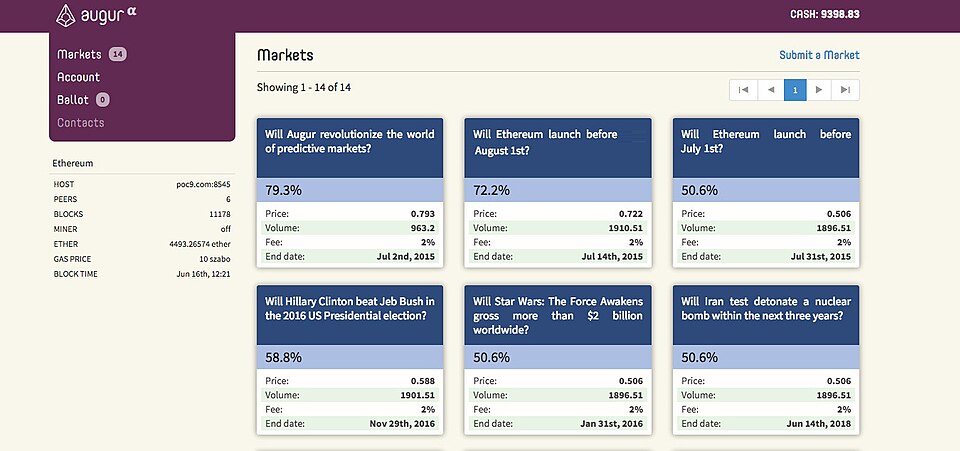
“Security experts consistently recommend choosing regulated platforms like Kalshi for institutional-grade security measures, while acknowledging that reputable decentralized platforms like Polymarket offer unique advantages for experienced traders.”
The choice between regulated and decentralized platforms significantly impacts your security posture. Kalshi operates under Commodity Futures Trading Commission (CFTC) oversight, providing regulatory protections and insurance mechanisms that decentralized platforms cannot offer.
Regulated Platforms (Kalshi) vs Decentralized Platforms (Polymarket)
| Security Feature | Kalshi (Regulated) | Polymarket (Decentralized) |
|---|---|---|
| Regulatory Oversight | CFTC regulated with investor protections | Community-governed, no formal regulation |
| Fund Security | Fiat holdings in FDIC-insured banks | Crypto holdings in smart contracts |
| Account Recovery | Traditional KYC-based recovery | Crypto wallet-based, no recovery |
| Fee Structure | Higher fees for regulatory compliance | Lower fees (0.10% per trade) |
Fee structures often reflect the security investments platforms make. Polymarket’s 0.10% per trade fee supports its decentralized infrastructure, while PredictIt’s 10% of gross profits plus 5% withdrawal fees fund regulatory compliance and customer protection measures.
Fee Structures and Security Trade-offs
- Cost Analysis: Higher fees on regulated platforms fund security audits, insurance coverage, and regulatory compliance that decentralized platforms cannot afford
- Risk Assessment: Lower-fee decentralized platforms may offer better returns but expose users to smart contract risks and lack of regulatory recourse
- Platform Stability: Regulated platforms typically maintain higher operational standards and customer support, reducing the risk of platform failure or exit scams
The complex legal landscape created by CFTC regulation versus state gambling laws affects platform availability and user protections. This regulatory patchwork means traders must understand which jurisdictions offer what protections when choosing platforms.
CFTC Regulation vs State Gambling Laws Impact
- Federal Oversight: CFTC regulation provides uniform standards for commodity-based prediction markets but excludes sports and election markets
- State Variations: Some states classify prediction markets as gambling, creating additional restrictions and potential legal risks for users
- International Considerations: Non-US platforms may offer broader market access but lack the consumer protections available on regulated US platforms
Risk Management and Fraud Prevention Strategies
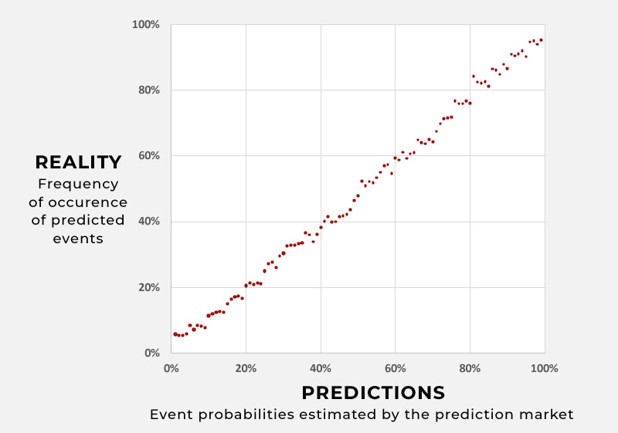
“Security experts emphasize that even the most secure platforms cannot protect traders from their own poor risk management decisions. Implementing proper position sizing and fraud awareness is essential for long-term success.”
Position sizing strategies form the foundation of risk management in prediction markets. Never invest more than you can afford to lose, and implement specific percentage-based limits on individual positions to prevent catastrophic losses.
Position Sizing and Investment Limits
- Portfolio Allocation: Limit individual prediction market positions to 1-5% of your total trading capital to prevent any single loss from devastating your portfolio
- Risk-Reward Ratios: Only enter positions where potential returns justify the risk, typically seeking minimum 2:1 reward-to-risk ratios
- Diversification Strategy: Spread investments across multiple uncorrelated markets to reduce exposure to any single event outcome
Phishing prevention requires constant vigilance and verification procedures. Prediction market platforms are increasingly targeted by sophisticated phishing campaigns that mimic legitimate login pages and support communications.
Phishing Prevention and Account Recovery
- URL Verification: Always verify platform URLs by typing them directly into your browser rather than clicking email links, as phishing sites often use subtle domain variations
- Communication Authentication: Legitimate platforms will never ask for your private keys, recovery phrases, or 2FA codes through email or support tickets
- Recovery Procedures: Document your platform’s official recovery procedures and keep this information in a secure, accessible location separate from your trading accounts
Real-time monitoring and alert systems provide early warning of suspicious activity. Modern prediction market platforms offer sophisticated monitoring tools that can detect unusual login patterns, large withdrawals, or account configuration changes.
Monitoring and Alert Systems
- Login Monitoring: Configure alerts for login attempts from new devices or geographic locations to detect credential compromise early
- Transaction Monitoring: Set up notifications for all withdrawals and large trades to maintain awareness of your account activity
- Security Audit Tools: Regularly review your account’s security settings, connected devices, and authorized applications to identify potential vulnerabilities
Protecting your prediction market accounts requires a multi-layered approach combining strong authentication methods, careful platform selection, and disciplined risk management. With the prediction market industry projected to reach $325 billion in 2026 trading volume, the stakes for security have never been higher. By implementing the security measures outlined above and choosing platforms that align with your risk tolerance, you can participate in this growing market while keeping your funds secure. Remember that no security measure is perfect, but combining multiple layers of protection significantly reduces your risk of unauthorized access or fraud.
Internal Links
- Learn more about prediction market leverage trading options and how to amplify returns with controlled risk
- Compare prediction market mobile vs desktop trading platforms to find the right fit for your strategy
- Understand how platform uptime reliability affects your trading decisions
- Discover what to expect from customer support quality on top prediction market platforms
- Explore economic indicator trading in prediction markets including CPI, GDP, and Fed decisions
- Learn about sentiment analysis tools for gauging market psychology in prediction markets
- Read our comprehensive guide on security best practices for protecting your prediction market accounts and funds
Tags
[“Two-Factor Authentication”, “prediction market security”, “Kalshi”, “Polymarket”, “wallet management”, “phishing prevention”, “risk management”]
Keywords
[“prediction market account security”, “2FA prediction markets”, “prediction market platform security”, “wallet security prediction markets”, “prediction market fraud prevention”]