GDP growth prediction markets have evolved into a $325 billion asset class in 2026, with quarterly data releases creating unique trading opportunities around revision impacts. Traders can capitalize on the timing differences between initial estimates and final revisions, but success requires understanding platform fee structures and volatility management strategies.
- Quarterly GDP releases occur in three stages: advance estimate, second estimate, and final revision, each creating distinct trading opportunities
- Platform fee structures vary dramatically – from Polymarket’s 0.10% per trade to PredictIt’s 10% of gross profits plus 5% withdrawal fees
- Economic data release volatility requires specific risk management strategies to protect positions during high-impact announcements
Quarterly GDP Data Release Timing Strategies for Prediction Markets
Advance Estimate vs Final Revision Trading: 30-Day Window Opportunities
GDP data releases follow a three-stage process that creates predictable trading windows. The advance estimate typically arrives one month after the quarter ends, followed by the second estimate at two months, and the final revision at three months. Historical revision patterns show average changes of 0.2-0.5 percentage points between estimates, with larger revisions occurring during economic turning points. Traders can position for these revisions by analyzing leading indicators like manufacturing PMI, retail sales, and employment data that precede official GDP releases.
Market Sentiment Tracking Before GDP Announcements
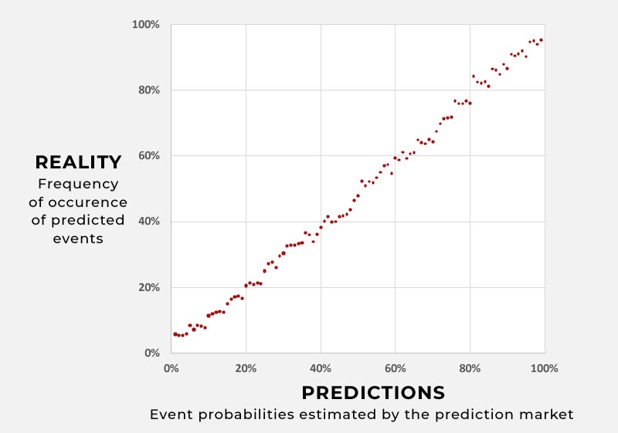
Leading economic indicators provide crucial signals for GDP prediction market positioning. Manufacturing PMI data typically precedes GDP releases by 2-3 weeks, while retail sales figures arrive 1-2 weeks before official estimates. Central bank meeting minutes and forward guidance also influence market expectations for GDP growth. Traders should monitor these indicators through economic calendars and real-time news feeds to anticipate potential surprises in GDP releases. The correlation between these leading indicators and actual GDP outcomes has historically been 0.65-0.75, making them reliable predictors for positioning trades.
Revision Impact Analysis: Historical Accuracy Patterns
Historical data reveals that GDP revisions follow predictable patterns based on economic conditions. During stable growth periods, revisions average 0.2-0.3 percentage points, while recession periods see larger revisions of 0.5-0.8 percentage points. The advance estimate tends to underestimate growth during expansion phases and overestimate during contractions. Traders can use these patterns to position for likely revision directions, with the most profitable opportunities occurring when market expectations diverge significantly from historical revision tendencies.
Platform Selection for GDP Growth Prediction Market Trading
Fee Structure Impact on GDP Trading Profitability
Platform fee structures significantly impact trading profitability for GDP markets. Polymarket charges 0.10% per trade, making it cost-effective for high-frequency trading around GDP releases. PredictIt imposes 10% of gross profits plus 5% withdrawal fees, creating the highest combined cost structure. Kalshi uses a probability-weighted formula with fees peaking at 50/50 odds. For a $1,000 GDP position, Polymarket fees would be $1, while PredictIt could charge up to $150 on profitable trades. These differences become critical when trading around volatile GDP announcements where position sizes and trade frequency are higher.
Economic Indicator Contract Availability by Platform
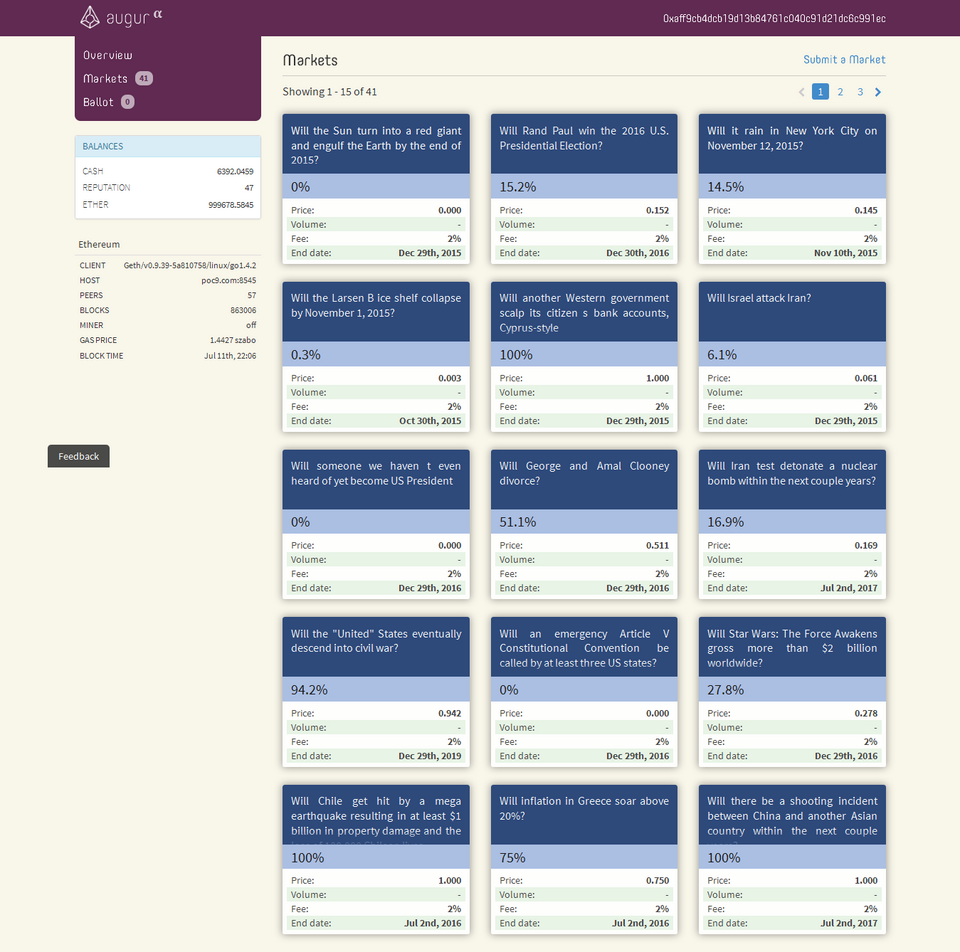
Platform offerings for GDP contracts vary significantly across the prediction market landscape. Polymarket provides the most liquid GDP contracts with multiple strike prices and expiration dates. Kalshi offers regulated GDP contracts with CFTC oversight but lower liquidity. PredictIt has limited GDP offerings due to regulatory constraints. ForecastEx and ProphetX provide specialized economic indicator contracts but with smaller user bases. Traders should select platforms based on their specific trading strategy – high-frequency traders benefit from Polymarket’s liquidity, while risk-averse traders may prefer Kalshi’s regulatory protections.
Liquidity Analysis for GDP Market Positions
Trading volume patterns in GDP markets follow predictable cycles around data releases. Volume typically increases 300-500% in the week leading up to GDP announcements, with the highest liquidity occurring 24-48 hours before releases. This liquidity spike affects position sizing and exit strategies, as larger positions become more feasible during high-volume periods. The $325 billion projected 2026 trading volume demonstrates the growing importance of economic indicator markets, but traders must adapt their position sizes to match available liquidity to avoid slippage during entry and exit.
Economic Data Release Volatility Management
Risk Management Strategies for High-Impact Announcements
GDP announcements create significant volatility that requires specific risk management approaches. Position sizing should be reduced to 25-40% of normal levels during GDP release periods to account for increased uncertainty. Stop-loss orders should be placed wider than normal – typically 2-3 standard deviations from entry price rather than the usual 1-2 standard deviations. Hedging strategies using correlated contracts like employment reports or manufacturing PMI can reduce portfolio risk during GDP announcements. These approaches help protect capital while maintaining exposure to potential profitable moves.
Correlation Between Traditional Markets and Prediction Odds
GDP prediction market prices show strong correlations with traditional financial markets during release periods. Stock market reactions to GDP surprises typically occur within 15-30 minutes of the announcement, with larger moves in sectors most sensitive to economic growth like consumer discretionary and industrials. Bond markets react more slowly, with yield changes often taking 1-2 hours to fully price in GDP surprises. These correlation patterns provide additional confirmation signals for GDP prediction trades and can help traders anticipate market reactions beyond the prediction market itself.
Successful GDP growth prediction market trading requires mastering the timing of quarterly data releases, selecting platforms with favorable fee structures, and implementing robust volatility management strategies. The $325 billion market size in 2026 demonstrates the growing importance of economic indicator trading, but traders must understand the three-stage release process and revision patterns to capitalize on opportunities. By combining platform selection with timing strategies and risk management, traders can navigate the complexities of GDP prediction markets and achieve consistent profitability.