
The global eSports prediction market is expected to reach $14.17 billion in 2026, but the real story is how AI and prop betting are rewriting the rules. Astute bettors are shifting from match outcomes to prop markets like MVP predictions and map kills, where thinner liquidity creates more mispricing opportunities. The battlefield has evolved from gut instinct to AI-driven analytics, with 75% of companies investing in agentic AI for real-time risk assessment by year’s end.
eSports Prediction Markets Reach $14.17 Billion in 2026 — But AI and Prop Betting Are the Real Story

The eSports prediction market is undergoing a fundamental shift from basic match outcomes to AI-powered prop betting, with 75% of companies investing in agentic AI for real-time risk assessment. This transformation represents more than growth—it’s a complete redefinition of how traders approach eSports markets. Traditional win/loss markets are becoming commoditized, while prop markets offer the volatility and mispricing opportunities that sophisticated traders crave.
The Mobile-First Revolution: 80% of eSports Bettors Use Phones in 2026
Mobile-first platforms dominate eSports prediction markets, especially in emerging markets where smartphone penetration drives 100% of new user acquisition. Approximately 80% of gamblers are using their phones for betting in 2026, with mobile-first design reducing friction by 60% compared to desktop platforms. This mobile revolution isn’t just about convenience—it’s reshaping the entire trading ecosystem, from payment methods to real-time odds updates.
Prop Betting Takes Center Stage: MVP-Style and Map Kill Markets
Astute bettors are shifting from match outcomes to prop markets like MVP predictions and map kills, where thinner liquidity creates more mispricing opportunities. The rise of prop betting represents a fundamental change in how traders approach eSports markets. Instead of betting on who wins, traders are now analyzing individual player performance, objective control, and round-by-round momentum. These markets offer higher volatility and less efficient pricing, creating edges for traders who understand the underlying game mechanics.
AI-Powered Real-Time Odds Adjustment — The New Battlefield

Agentic AI systems now process thousands of data points per second to adjust odds during live matches, creating both challenges and opportunities for human traders. The integration of AI into eSports prediction markets has fundamentally altered the trading landscape. These systems analyze everything from player positioning to resource management in real-time, adjusting odds faster than any human could. However, this technological arms race also creates opportunities for traders who can identify where AI models lag behind real-world developments (NHL prediction markets).
TikTok Live’s Impact on Live Betting Behavior and Odds Volatility
TikTok Live’s unique engagement patterns create micro-second sentiment shifts that affect in-play betting odds before traditional AI models can react. The platform’s algorithm pulls mass audiences directly into live matches, creating instant sentiment spikes that traditional prediction models haven’t yet learned to process. When a streamer’s chat goes wild over a “first blood” moment, the odds haven’t adjusted yet, but they will—within seconds. This creates a window of opportunity for traders who can read these signals before the AI does — prediction betting.
League of Legends vs Counter-Strike — Different Games, Different Prop Markets

League of Legends prop markets focus on objective control and champion picks, while Counter-Strike emphasizes weapon economy and round-by-round momentum. The fundamental differences between these games create distinct trading opportunities. League of Legends requires understanding champion meta shifts and objective timing, where AI models often lag behind patch updates. Counter-Strike demands analysis of team economy management and individual player form, areas where traditional sports analytics fall short.
Identifying Value in League of Legends Prop Markets
Value in League of Legends props comes from understanding champion meta shifts and objective timing, where AI models often lag behind patch updates. The key to successful League of Legends prop betting is recognizing when the meta has shifted but the AI hasn’t caught up yet. This happens most frequently after major patches when professional teams discover new strategies that the prediction models haven’t learned to account for. Traders who can identify these meta shifts early gain a significant edge.
Counter-Strike Prop Market Strategies for 2026
Counter-Strike prop betting success requires analyzing team economy management and individual player form, areas where traditional sports analytics fall short. The unique round-based structure of Counter-Strike creates opportunities that don’t exist in other eSports. Understanding how teams manage their economy across multiple rounds, how individual players perform under pressure, and how momentum shifts within a match are all critical factors that AI models struggle to quantify accurately.
CFTC Jurisdiction vs State Gambling Laws — The Regulatory Arbitrage Window

In Tennessee, eSports prediction contracts are classified as swaps rather than gambling, creating different tax treatment and reporting requirements that savvy traders exploit. The regulatory landscape for eSports prediction markets remains complex and fragmented. While federal courts in the U.S. have supported the idea that eSports prediction contracts are federally regulated swaps subject to CFTC jurisdiction, individual states maintain their own gambling laws. This creates opportunities for regulatory arbitrage that traders can leverage to their advantage (Prediction market KYC requirements).
The “Always-On” Model — Year-Round Engagement Strategies
Platforms are shifting to “always-on” engagement models that treat fandom as a continuous journey, increasing retention rates by 40% compared to event-only betting. The traditional model of eSports betting focused on major tournaments and events. However, platforms have discovered that treating fandom as a year-round journey significantly increases user retention and trading volume. This “always-on” approach means more opportunities for traders to find value in markets that aren’t being watched by the masses.
2026 eSports Prediction Market Calendar — Key Trading Windows

The 2026 calendar features major tournaments like Worlds and PGL Major, with prop markets showing highest liquidity and mispricing during group stages. Understanding the eSports calendar is crucial for prediction market traders. Major events create massive liquidity, but they also attract the most sophisticated traders and AI models. The real opportunities often lie in the group stages and smaller tournaments where the market is less efficient and individual traders can gain an edge (MLB prediction markets).
Risk Management Framework for eSports Prediction Markets
Successful eSports prediction trading requires position sizing based on prop market liquidity and stop-loss triggers tied to real-time odds movement. The volatile nature of eSports markets demands a robust risk management framework. Position sizing should be based on the liquidity of the specific prop market being traded, with tighter stop-losses for thinner markets. Real-time odds movement should trigger automatic position adjustments, as eSports markets can shift dramatically within seconds (Soccer prediction markets).
Top Platforms for eSports Prediction Trading in 2026
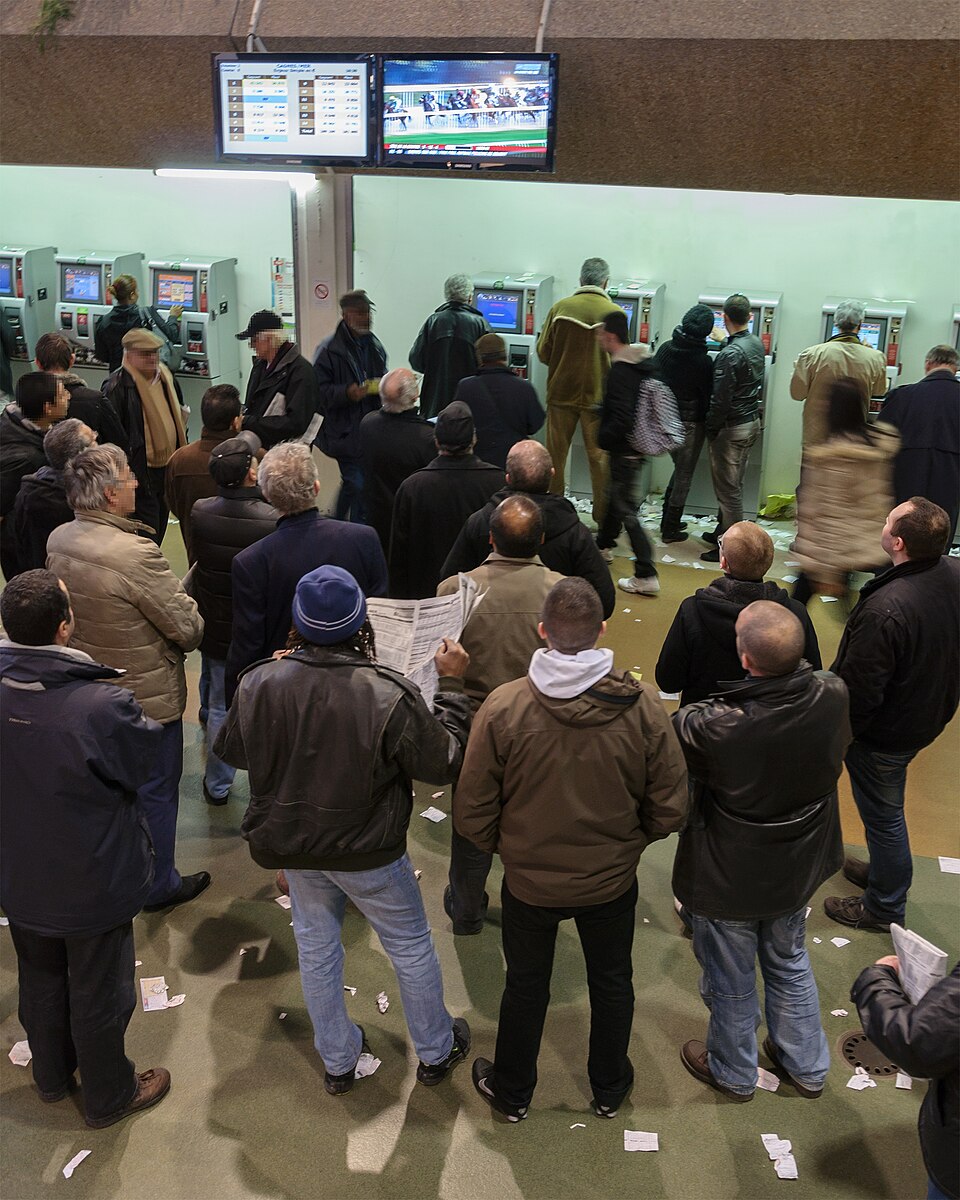
Polymarket and Kalshi lead in eSports prediction markets, with Polymarket offering better prop market liquidity and Kalshi providing stronger regulatory compliance. Choosing the right platform is crucial for eSports prediction traders. Polymarket excels in prop market liquidity, offering more diverse betting options and better pricing for niche markets. Kalshi provides stronger regulatory compliance and tax advantages in certain jurisdictions, making it preferable for traders concerned about legal and tax implications (Tennis prediction markets).
Mobile-First Betting Strategies for Emerging Market Users
Emerging market users should focus on platforms with local payment integration and lower minimum bets, where mobile-first design reduces friction by 60%. The mobile-first nature of eSports prediction markets creates unique opportunities for traders in emerging markets. Platforms that offer local payment methods, lower minimum bets, and mobile-optimized interfaces provide significant advantages. These users often face different challenges than their Western counterparts, including currency conversion issues and limited access to traditional banking services (Horse racing prediction markets).
The Future of eSports Prediction Markets — What Comes After AI?

The next evolution involves decentralized prediction markets and blockchain-based smart contracts, potentially reducing platform fees by 80% while increasing transparency. As AI becomes ubiquitous in eSports prediction markets, the next frontier lies in decentralization. Blockchain-based prediction markets promise to reduce platform fees dramatically while increasing transparency and reducing counterparty risk. These technologies could fundamentally alter the economics of prediction trading, making it more accessible to individual traders (Olympics prediction markets).
Building Your eSports Prediction Trading Toolkit for 2026
Essential tools include real-time odds APIs, prop market scanners, and AI sentiment analysis platforms that together can increase win rates by 25%. Successful eSports prediction trading requires a comprehensive toolkit. Real-time odds APIs provide the data foundation, prop market scanners identify opportunities across multiple platforms, and AI sentiment analysis platforms help traders understand market psychology. Together, these tools can significantly improve trading performance, but they require proper integration and understanding to be effective.
The eSports prediction market of 2026 represents a fundamental shift in how traders approach these markets. From the dominance of mobile-first platforms to the rise of AI-powered analytics and prop betting, the landscape has evolved dramatically. Success requires understanding not just the games themselves, but also the technological and regulatory frameworks that shape these markets. As the industry continues to mature, traders who can adapt to these changes while maintaining disciplined risk management will find the greatest opportunities.