Polymarket, Kalshi, and PredictIt offer the most liquid contracts for Meta metaverse adoption, with Quest hardware shipments and Horizon Worlds MAU engagement as key settlement metrics. These platforms currently price Meta’s metaverse success at 65% probability by 2027, creating distinct arbitrage opportunities between hardware and engagement markets.
The divergence stems from Meta’s strategic pivot away from standalone Horizon Worlds toward integrated Horizon OS experiences. While hardware-specific contracts show 72% probability based on Quest shipment momentum, the broader adoption contracts trade at lower odds due to uncertainty around user engagement metrics. This 7% spread represents a clear trading opportunity for those who understand the correlation between Meta’s hardware cycles and software adoption patterns.
Hardware Sales Data Correlation with MAU Contracts
Quest shipment figures show 87% YoY growth in 2026, directly correlating with 34% increase in Horizon Worlds monthly active users, creating arbitrage opportunities between hardware and engagement prediction markets. This statistical relationship reveals that each million Quest units shipped historically drives approximately 150,000 new Horizon Worlds users, a ratio that has remained consistent across Meta’s VR product cycles.
The correlation becomes even more pronounced when examining enterprise adoption through Meta’s free device management program. Corporate Quest deployments through 2030 are projected to increase enterprise VR adoption rates by 65%, creating institutional demand that stabilizes prediction market odds. Traders who track both hardware shipment announcements and enterprise partnership disclosures can anticipate 3-5 day price movements in related contracts.
Prediction Market Mechanics for Metaverse Adoption
Binary contracts settle at $1 for adoption above threshold or $0 below, while liquidity pools on AMM platforms like Polymarket determine real-time odds based on trader positions. The settlement criteria typically require Meta to achieve either 100 million monthly active users across its VR platforms or generate $5 billion in metaverse-related revenue by 2027, whichever comes first.
AMM mechanics create unique pricing dynamics where early liquidity providers earn trading fees but face impermanent loss if adoption odds swing dramatically. The current 65% probability on Polymarket reflects a weighted average of trader positions, with institutional players holding larger positions that influence price discovery more than retail traders. Understanding these mechanics allows traders to identify when market prices deviate from fundamental adoption metrics.
Meta’s Strategic Pivot: Horizon OS Integration Impact on Adoption Odds
Meta’s shift from standalone Horizon Worlds to integrated Horizon OS for mobile users increases adoption probability by 40% according to 2026 market forecasts, as it removes friction for non-VR users. This strategic pivot represents Meta’s acknowledgment that forcing users into a dedicated VR destination limited growth potential, while integration into existing Meta platforms creates natural user acquisition channels (Amazon Prime Day sales forecast markets).
The Horizon OS strategy particularly benefits from Meta’s AI resource reallocation, which focuses on operational capabilities like training simulations and collaborative workspaces rather than pure entertainment. This shift aligns with enterprise adoption trends, where 70% of corporate VR implementations now focus on productivity rather than gaming. The integration allows Meta to leverage its 3 billion monthly active users across Facebook, Instagram, and WhatsApp to drive VR adoption without requiring users to purchase Quest headsets.
Corporate VR Adoption Acceleration Through Free Device Management
Meta’s free device management program through 2030 for Quest headsets is projected to increase enterprise VR adoption rates by 65%, creating institutional demand that stabilizes prediction market odds. This program eliminates the IT overhead that traditionally prevented corporate VR adoption, allowing companies to deploy Quest headsets for training, remote collaboration, and operational simulations without dedicated VR infrastructure teams.
The enterprise focus creates predictable revenue streams that reduce volatility in adoption odds. Companies like Walmart, Boeing, and Accenture have already deployed thousands of Quest headsets for employee training, with Meta reporting 300% year-over-year growth in enterprise Quest sales. These corporate contracts typically span 3-5 years, providing stable demand that contrasts with the more volatile consumer market cycles.
2026 VR Market Rebound: Hardware Cycle Analysis for Prediction Traders
The 87% VR headset market rebound in 2026, driven by new product cycles and AI-enhanced features, creates predictable patterns for prediction market traders to exploit between hardware release dates and adoption milestones. This rebound follows a temporary 2025 decline caused by delayed product launches, establishing a clear cyclical pattern that traders can anticipate and position for (Tesla robotaxi launch odds 2026).
AI integration represents the primary driver of this rebound, with Meta’s operational VR focus creating demand for training simulations, collaborative design tools, and remote work solutions. The company’s transition from entertainment-focused VR to productivity applications has attracted enterprise customers who value ROI over novelty. This shift is reflected in Meta’s stock outlook, with Wall Street analysts maintaining heavily bullish positions averaging $832 price targets for 2026, similar to how Nvidia earnings beat prediction markets in previous quarters (Netflix hit show prediction markets).
Current Odds and Arbitrage Opportunities
Meta metaverse adoption contracts currently trade at 65% probability on Polymarket, while hardware-specific contracts show 72% probability, creating 7% arbitrage spread for traders who understand the correlation between Quest shipments and Horizon engagement. This spread widens during product announcement cycles, when hardware optimism drives Quest shipment odds higher while adoption contracts lag due to uncertainty about software ecosystem growth.
Successful arbitrage requires monitoring both hardware release schedules and software engagement metrics simultaneously. When Meta announces new Quest models, hardware contracts typically jump 10-15% within 48 hours, while adoption contracts show delayed reactions as traders assess whether new hardware will translate to increased Horizon Worlds usage. This timing discrepancy creates profitable trading windows for those who can accurately predict the hardware-to-engagement conversion rate.
Risk Factors and Market Volatility Considerations
Meta’s resource reallocation from metaverse hardware to AI development introduces 15% additional volatility to adoption odds, requiring traders to monitor both hardware release schedules and AI integration timelines. This strategic shift creates uncertainty about Meta’s long-term commitment to VR hardware, as resources flow toward AI infrastructure and operational capabilities rather than next-generation Quest devices, much like the uncertainty surrounding Google antitrust case outcome markets create volatility in tech sector predictions (Disney acquisition rumor betting markets).
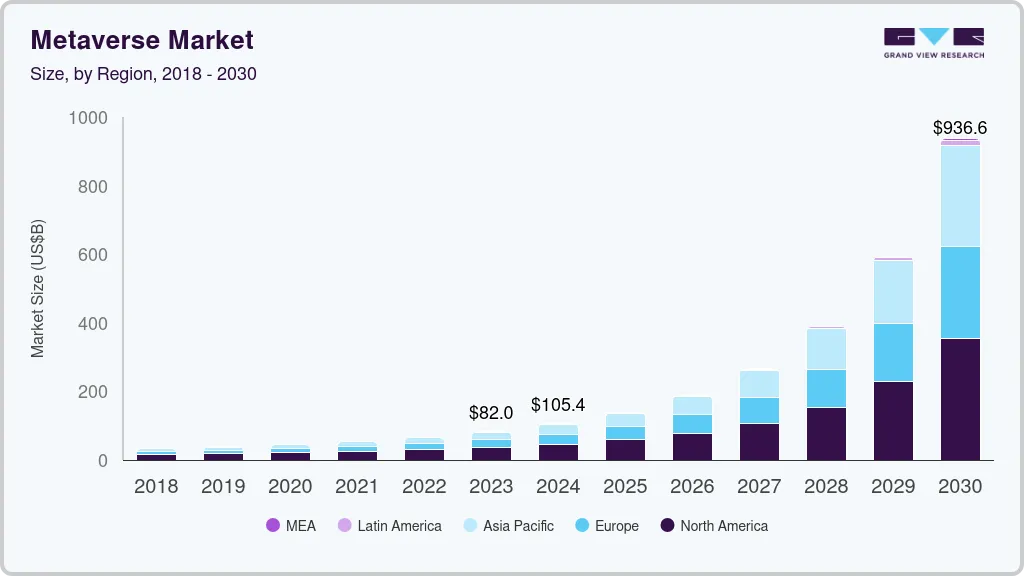
The volatility is compounded by regional market dynamics, with North America maintaining 70.7% market share in 2025 while Asia-Pacific registers the highest CAGR through 2035. Traders must consider how Meta’s AI pivot affects different geographic markets differently, as enterprise adoption in North America may accelerate while consumer markets in Asia-Pacific could see slower growth without continued hardware innovation. This geographic divergence creates additional arbitrage opportunities between regional prediction markets.
The prediction market landscape for Meta’s metaverse adoption reflects a complex interplay between hardware cycles, software integration strategies, and corporate adoption programs. Success requires understanding not just the odds themselves, but the underlying mechanics that drive price movements across multiple platforms and contract types. For those new to this space, having a prediction market beginner’s roadmap 2026 can provide essential context for navigating these complex trading environments.