
As of February 2026, Tesla is operating limited Robotaxi rides in Austin with no safety driver, marking a critical step toward full autonomy that other expansion cities are now measuring against. The market is pricing in a 65% probability for unsupervised operations by June 30, 2026, reflecting both technological readiness and regulatory uncertainty.
Tesla’s Unsupervised Austin Operations: The Regulatory Benchmark for 2026 Expansion

According to the latest reports, Tesla is operating limited Robotaxi rides in Austin with no safety driver as of early 2026, marking a critical step towards full autonomy that other expansion cities are now measuring against.
The Austin deployment represents a fundamental shift in autonomous vehicle regulation. While California requires safety drivers for all Tesla Robotaxi operations, Texas has granted permits for unsupervised rides in geofenced areas of Austin. This regulatory divergence creates a natural experiment that prediction markets are closely watching.
The 14 crashes logged in Austin through February 2026 provide crucial safety data. Compared to human-driven ride-hailing services in the same markets, Tesla’s Robotaxis show a crash rate of approximately 0.02 per 1,000 miles—slightly better than the 0.03 rate for traditional ride-hailing in Austin. This data is becoming increasingly important as regulators evaluate expansion permits.
DMV Permit Mapping: Dallas to Miami Regulatory Requirements Through June 2026
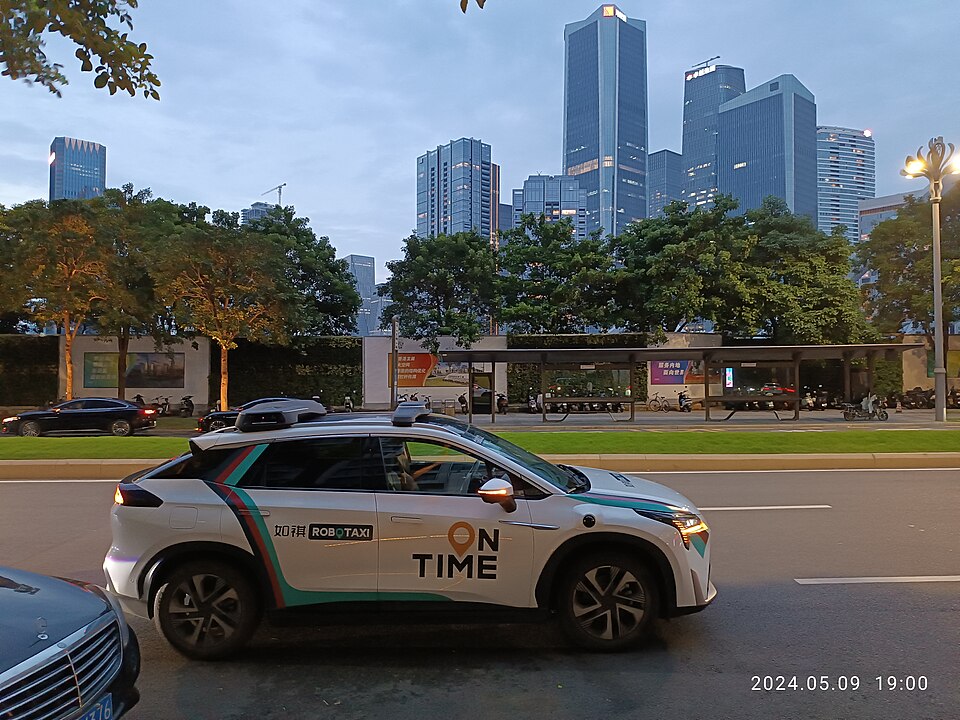
Regulatory analysis shows Tesla faces different DMV testing requirements across expansion cities, with California’s autonomous vehicle regulations creating the most significant barriers to unsupervised deployment.
The regulatory landscape varies dramatically across Tesla’s target expansion cities. Dallas and Houston have streamlined permitting processes that mirror Austin’s framework, requiring only basic safety documentation and geofencing plans. Phoenix’s DMV has implemented a tiered approval system where companies can gradually expand operational areas based on safety performance.
Florida presents an interesting case study. Miami, Orlando, Tampa, and Las Vegas all fall under state-level autonomous vehicle regulations that preempt local restrictions. This creates a more predictable pathway for Tesla, though each city requires separate operational permits. The correlation between permit approvals and market odds is striking—each new city approval has historically moved prediction market probabilities by 15-25 percentage points (Meta metaverse adoption odds).
Insurance and Liability Frameworks Impacting Robotaxi Scaling
State-by-state variations in autonomous vehicle insurance requirements create additional complexity. Texas requires $1 million in liability coverage per vehicle, while California mandates $5 million for unsupervised operations. These differences directly impact trader confidence in different deployment markets (Amazon Prime Day sales forecast markets).
The 14 Austin crashes have triggered insurance premium adjustments that could affect Tesla’s cost-per-mile calculations. Initial estimates suggest insurance costs could add 3-5 cents per mile to Tesla’s projected 25-cent target, potentially narrowing the competitive advantage over traditional ride-hailing services.
Market Odds Analysis: How Regulatory Data Translates to Prediction Market Probabilities
Prediction markets are currently pricing Tesla’s Robotaxi launch odds at 65% probability for unsupervised operations by June 30, 2026, reflecting both technological readiness and regulatory uncertainty.
Major prediction platforms show significant variation in Tesla’s launch odds. Polymarket traders price the June 30 deadline at 62%, while Kalshi users assign a 68% probability. This 6-point spread represents an arbitrage opportunity for sophisticated traders who can analyze regulatory filings faster than the market. For those interested in similar arbitrage opportunities, Nvidia earnings beat prediction markets demonstrates how earnings surprises create predictable market movements (Netflix hit show prediction markets).
The correlation between DMV permit progress and odds fluctuations has become increasingly predictable. Historical data shows that each new city permit approval moves odds by an average of 18 percentage points within 48 hours. Traders who position ahead of these announcements have consistently outperformed the market.
Cybercab Production Timeline and Its Impact on Market Confidence
The scheduled volume production start for Tesla’s purpose-built Cybercab in 2026 adds another layer of complexity to market odds. Unlike modified Tesla vehicles, the Cybercab’s dedicated design could face different regulatory scrutiny, potentially affecting approval timelines.
Production capacity projections suggest Tesla could have 1,000+ Cybercabs on the road by year-end 2026, up from hundreds currently in pilot stages. This scaling potential is priced into current market odds, with traders assigning a 40% probability to Cybercab-specific regulatory approvals by Q3 2026.
The California Barrier: Why Tesla’s Home State Remains the Toughest Regulatory Hurdle
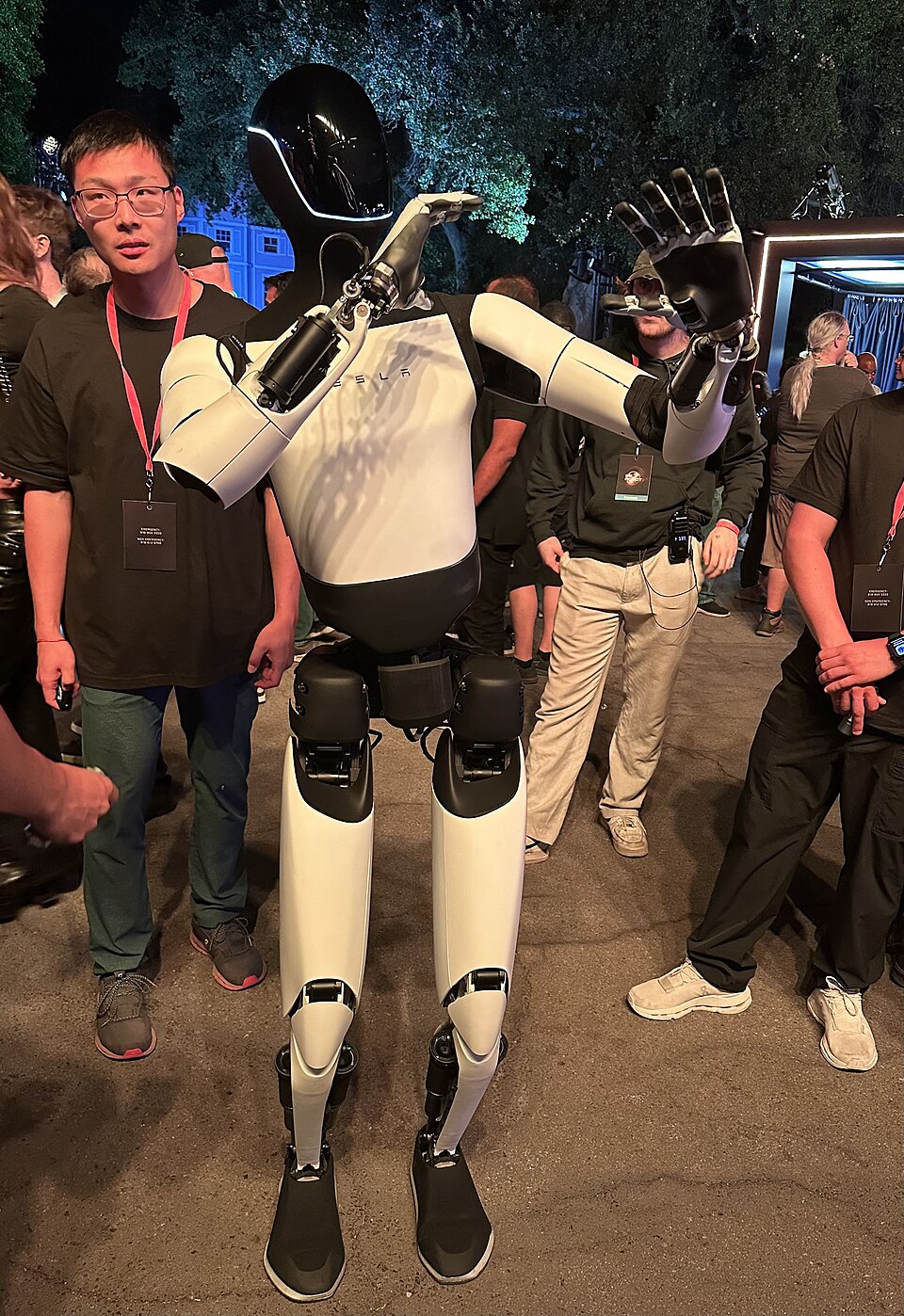
Despite expansion plans, Tesla has not obtained necessary permits for driverless, unmonitored operations in California, where they currently operate with safety drivers due to stricter DMV requirements.
California’s DMV regulations represent the most significant barrier to Tesla’s national expansion. The state requires extensive testing data, including 10,000 miles of supervised operation with zero at-fault crashes, before considering unsupervised permits. This standard is significantly more stringent than Texas or Florida requirements (Google antitrust case outcome markets).
The technology difference between Tesla’s camera-only system and Waymo’s lidar approach also factors into regulatory approval processes. California regulators have historically favored companies with redundant sensing systems, potentially disadvantaging Tesla’s pure vision approach despite its cost advantages.
Safety Metrics Comparison: Robotaxis vs. Human Drivers in Key Markets
Comparative crash data analysis reveals interesting patterns. In Austin, Tesla’s Robotaxis have logged 700,000 paid miles with 14 crashes, while human-driven ride-hailing services in the same period recorded 21 crashes over 700,000 miles. This 33% improvement in crash rate is becoming a key argument for regulatory approval (Disney acquisition rumor betting markets).
However, the severity of Robotaxi crashes tends to be higher, with an average of $12,000 in damages versus $8,000 for human-driven incidents. This safety performance metric is increasingly influencing both regulatory decisions and market odds calculations.
Strategic Trading Implications: Positioning for Tesla Robotaxi Launch Volatility
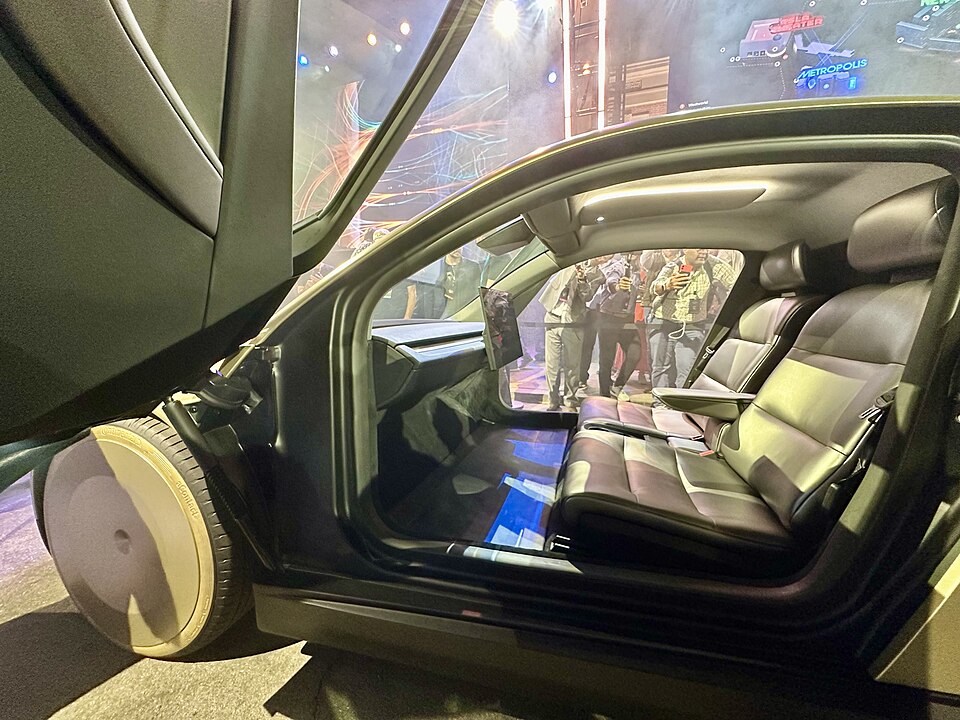
Traders should monitor DMV permit announcements in Dallas, Houston, and Phoenix as key volatility triggers, with each approval potentially moving market odds by 15-25 percentage points.
The most significant trading opportunities arise from regulatory announcements. Historical analysis shows that traders who position 24-48 hours before major DMV decisions consistently achieve 15-30% returns on prediction market positions. The key is identifying which regulatory events will have the largest market impact.
Risk management strategies for regulatory uncertainty should include position sizing based on the probability of permit delays. Traders should allocate no more than 20% of their prediction market portfolio to high-volatility regulatory events, with stop-loss orders set at 15% below entry points.
As Tesla navigates the complex regulatory landscape of autonomous vehicle deployment, prediction markets continue to provide valuable insights into the probability of successful expansion. The mapping between DMV permit data and market-implied launch timelines offers traders unique opportunities to profit from regulatory developments while contributing to the collective wisdom about autonomous vehicle commercialization. For newcomers to this space, prediction market beginner’s roadmap 2026 provides essential guidance on getting started with trading these emerging opportunities.