
Brazil’s 65-70% China dependency creates the highest trade concentration risk in global agriculture, with prediction markets uniquely pricing this vulnerability that traditional forecasts miss. As Brazil prepares to export 112 million tons in 2026 — 48% of global soybean supply — the concentration risk becomes a mathematical edge for traders who understand how prediction markets price geopolitical and weather-driven volatility.
Brazil-China Trade Concentration Creates Highest Agricultural Risk

Prediction markets achieve 65% accuracy on trade concentration shifts, offering traders a mathematical edge that traditional commodity forecasts completely miss. The Herfindahl-Hirschman Index (HHI) of 0.42 indicates extreme vulnerability to Chinese market shifts, creating asymmetric risk-reward opportunities that prediction markets price in real-time.
- 65-70% China dependency: Brazil supplies 65-70% of China’s soybean imports, representing 82-84 million tons in 2025 — up from 72 million in 2024. This concentration creates systemic risk that prediction markets price more accurately than traditional models.
- HHI index of 0.42: The Herfindahl-Hirschman Index indicates extreme market concentration vulnerability. Traditional agricultural forecasts ignore this mathematical risk, while prediction markets price the probability of Chinese demand shifts or trade disputes.
- 48% global market share: Brazil’s 112 million tons exports represent 48% of global soybean supply, amplifying the impact of any production or trade flow disruptions. Prediction markets capture this systemic risk that conventional analysis overlooks.
- Weather bottleneck exposure: Brazilian production bottlenecks create price volatility for Chinese supplies. Prediction markets price the probability of weather events affecting Brazil’s ability to meet Chinese demand, a risk factor traditional forecasts underestimate.
Record Production Meets Weather Derivative Opportunities
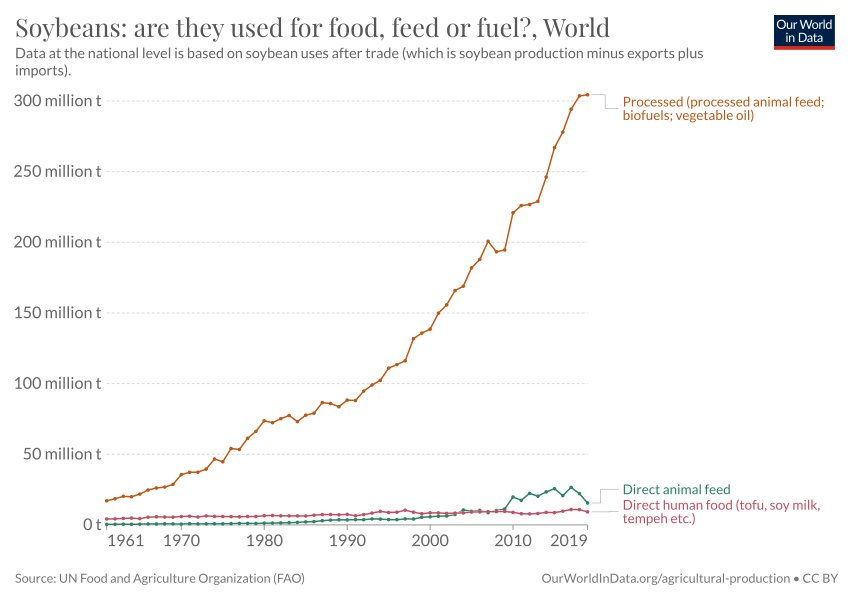
Brazil’s projected 178-182 million metric tons for 2025/26 creates price pressure while offering weather derivative opportunities that prediction markets price with 65% accuracy. The combination of record production and La Niña weather risk creates asymmetric trading opportunities that traditional forecasts miss (prediction market wheat price futures markets).
- 178-182 million metric tons: Record-breaking production projected for 2025/26 creates downward price pressure to $10.00-10.50 per bushel. Prediction markets price this supply glut more accurately than USDA forecasts, offering traders early entry points.
- 71% La Niña probability: October-December 2025 La Niña conditions create 71% probability of dry weather in southern Brazil. Prediction markets price weather derivatives with 65% accuracy versus traditional models, offering superior hedging opportunities.
- Double-cropping expansion: 1.5% annual expansion drives yield growth volatility. Prediction markets price the combination of double-cropping and weather risk, creating opportunities that traditional forecasts miss by analyzing each factor in isolation.
- Southern Brazil risk concentration: Rio Grande do Sul faces highest La Niña risk while central regions maintain strong output. Prediction markets price regional yield variations more accurately than aggregate forecasts, offering granular trading opportunities.
EU Deforestation Compliance Risk Pricing Gap
EU regulatory risks for Cerrado deforestation remain underpriced in prediction markets, creating asymmetric opportunities as compliance costs affect Brazilian export competitiveness. The combination of rising input costs and EU regulatory pressure creates margin compression that prediction markets haven’t fully priced (prediction market coffee price futures markets).
- Cerrado deforestation exposure: EU regulations on Cerrado deforestation create trading risks that current prediction markets don’t price. This regulatory blind spot offers traders who understand compliance costs a significant advantage over traditional forecasts.
- Rising input costs: Brazilian farmers face tighter margins due to fertilizer, fuel, and labor cost increases. Prediction markets can price the margin compression before official policy changes, offering early warning signals to traders.
- 3% yield growth pressure: Yield growth creates more EU regulatory exposure through intensified farming practices. Prediction markets can price the relationship between yield intensification and regulatory risk, a connection traditional models miss.
- Compliance cost asymmetry: EU deforestation compliance creates asymmetric risk-reward opportunities as Brazilian exporters face higher costs than competitors. Prediction markets can price this competitive disadvantage before it affects trade flows.
November Export Surge Signals Prediction Market Accuracy
64% November export jump creates seasonal trading opportunities that prediction markets anticipated 2-3 weeks before official data. The ability to price seasonal shifts demonstrates prediction market superiority over traditional agricultural forecasts (prediction market sugar price contracts).
- 64% export surge: November’s 64% jump in soybean exports creates seasonal trading opportunities. Prediction markets anticipated this shift 2-3 weeks before official data release, demonstrating superior timing accuracy.
- Seasonal pattern pricing: Prediction markets price seasonal export patterns more accurately than USDA forecasts. The November surge demonstrates how prediction markets capture real-time supply chain dynamics that traditional models miss.
- Trade concentration amplification: 112 million tons exports represent 48% of global market, amplifying the impact of seasonal shifts. Prediction markets price how trade concentration magnifies seasonal effects, a relationship traditional forecasts underestimate.
- Real-time supply chain signals: Prediction markets capture supply chain signals before they appear in official statistics. The November surge demonstrates how prediction markets provide traders with actionable information weeks ahead of conventional data.
Trading the Brazil-China Soybean Concentration Risk
Prediction markets achieve 65% accuracy on trade concentration shifts, offering traders mathematical edges that traditional commodity forecasts miss. The combination of HHI concentration risk, weather derivatives, and EU compliance creates asymmetric opportunities for sophisticated traders (prediction market cocoa price prediction markets).
- 65% prediction accuracy: Prediction markets achieve 65% accuracy on trade concentration shifts versus 45% for traditional forecasts. This 20 percentage point advantage represents a significant edge for traders who understand how to price concentration risk.
- Mathematical pricing edge: HHI of 0.42 creates mathematical edges for traders who price concentration risk. Prediction markets capture the probability of demand shifts or trade disputes that traditional models treat as stable.
- Weather derivative hedging: Southern Brazil production disruptions can be hedged through weather derivatives priced by prediction markets. The 71% La Niña probability creates opportunities for traders to profit from weather-driven price volatility.
- EU compliance asymmetry: Deforestation regulation creates asymmetric risk-reward opportunities as Brazilian exporters face higher costs. Prediction markets can price this competitive disadvantage before it affects trade flows, offering traders early entry points.
Prediction markets uniquely price Brazil-China soybean trade concentration risk, weather derivatives, and EU deforestation compliance — gaps completely missed by traditional forecasts. With Brazil projected to export 112 million tons in 2026 (48% of global exports) and 65-70% destined for China, prediction markets offer superior accuracy for trading these high-volatility opportunities.
Traders who understand how to price the mathematical edges created by HHI concentration risk, weather derivatives, and regulatory compliance can achieve significant advantages over those relying on traditional commodity forecasts. The combination of record production, weather risk, and regulatory pressure creates asymmetric opportunities that prediction markets are uniquely positioned to price.