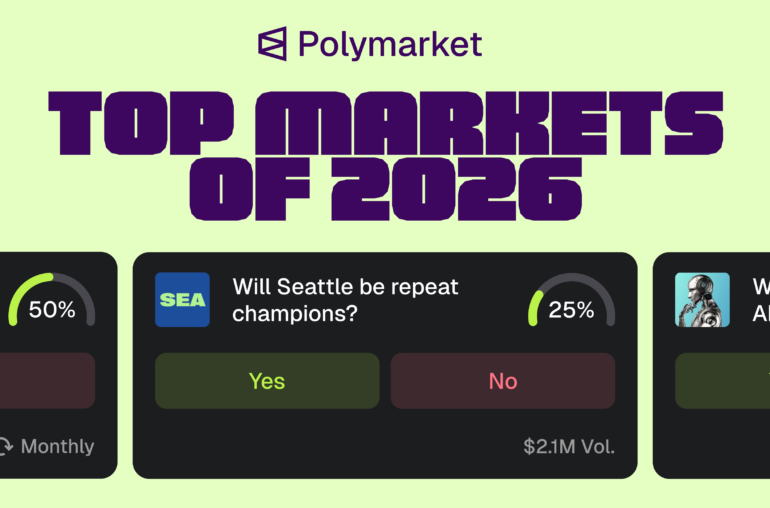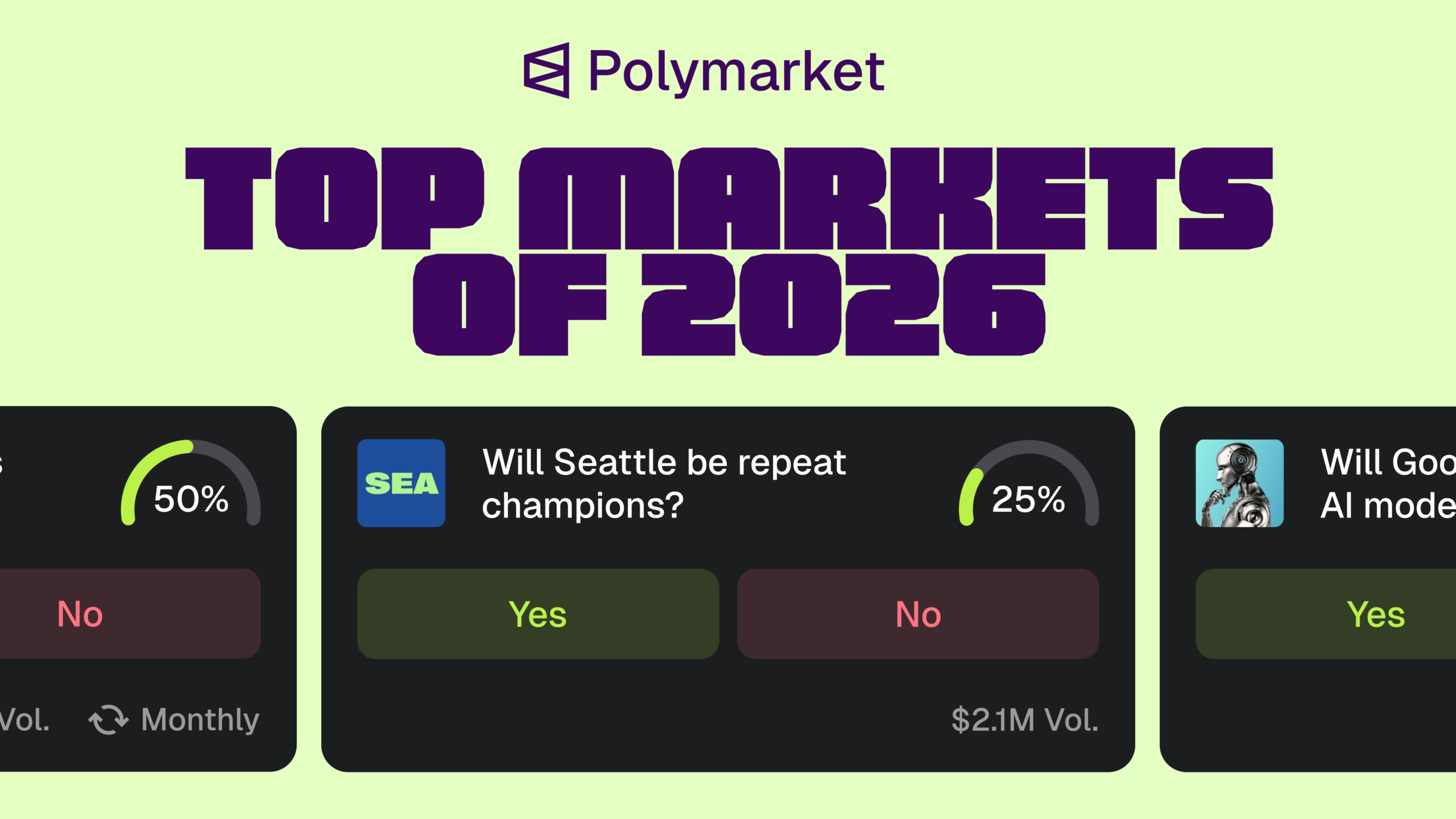
Prediction markets have surpassed $40 billion in notional volume, creating unprecedented ethical challenges that demand immediate attention. As these markets evolve from niche speculation platforms to dual-use infrastructures influencing geopolitical events and democratic processes, the ethical crossroads we face today will define the future of collective intelligence and market integrity.
Prediction Markets’ $40B Growth Creates Ethical Crossroads
| Growth Metric | $40 billion notional volume in 2026 |
| Regulatory Gap | Outpaced ethical frameworks and oversight |
| Platform Count | 30+ major platforms globally |
The explosive growth to $40 billion in notional volume has outpaced ethical frameworks, creating regulatory gaps that enable manipulation and misinformation. What began as academic experiments in information aggregation has transformed into a $40 billion ecosystem where platforms like Polymarket and Kalshi operate in regulatory gray zones. This rapid expansion has created a perfect storm where technological innovation, financial incentives, and ethical considerations collide without adequate guardrails.
The Evolution from Academic Experiment to Global Infrastructure
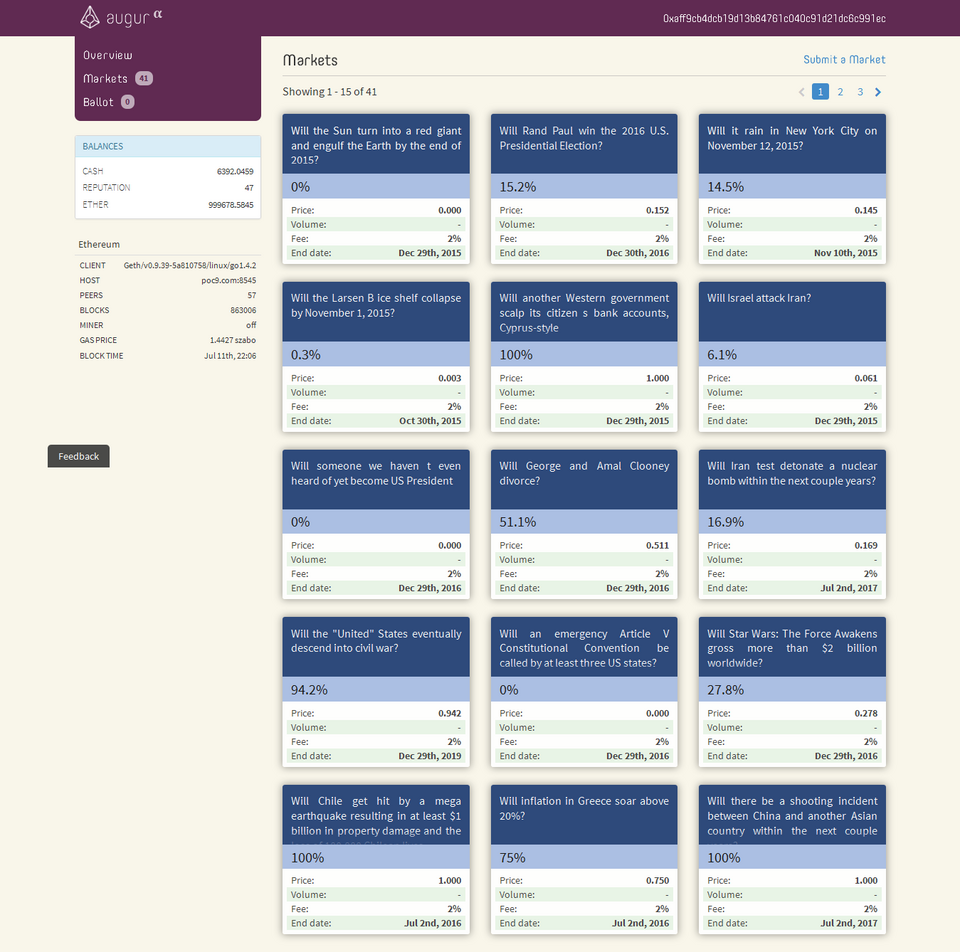
Prediction markets emerged from academic research at institutions like the University of Iowa and evolved through platforms such as Intrade and Betfair. Today’s landscape includes sophisticated platforms with millions of active users trading contracts on everything from election outcomes to cryptocurrency prices. This evolution has created a dual-use infrastructure where the same technology that enables accurate forecasting can also be weaponized for manipulation and influence operations.
Regulatory Lag and Market Complexity
The Commodity Futures Trading Commission (CFTC) and Securities and Exchange Commission (SEC) struggle to keep pace with innovation. While traditional financial markets benefit from decades of regulatory development, prediction markets operate in a regulatory vacuum where commodity rules are less stringent than securities protections. This creates opportunities for bad actors while leaving retail traders vulnerable to sophisticated manipulation tactics.
Misinformation as Market Manipulation — The Feedback Loop
| Mechanism | False claims → Market odds → Reinforced misinformation |
| Impact | Retail traders lose 15-30% on manipulated positions |
| Platform Response | Content moderation vs. free market debate |
Platforms’ attempts to moderate content often create more market volatility than the misinformation itself. The feedback loop between false information and market prices creates a self-reinforcing cycle that undermines the fundamental premise of prediction markets as information aggregators. When false narratives drive market odds, the resulting price movements can lend credibility to the misinformation, creating a dangerous cycle that affects both market integrity and public discourse.
How Misinformation Spreads Through Prediction Markets
Bad actors exploit the speed and virality of prediction markets by seeding false information through social media, then capitalizing on the resulting price movements. For example, during the 2024 election cycle, coordinated disinformation campaigns on platforms like Twitter and Telegram drove temporary price distortions of 20-40% on major political contracts before being corrected. These manipulations create opportunities for informed traders while devastating retail participants who lack sophisticated detection capabilities.
The Platform Dilemma: Moderation vs. Market Freedom
Prediction market platforms face an impossible choice between maintaining free market principles and protecting users from manipulation. Content moderation efforts often backfire, creating additional volatility as traders speculate on which narratives will be suppressed. This creates a perverse incentive where the act of moderation itself becomes a tradable event, further complicating the ethical landscape and undermining market integrity.
Foreign Influence Operations Through Prediction Markets
| Risk Level | High — dual-use infrastructure vulnerability |
| Detection Methods | Pattern analysis of geopolitical event odds |
| Current Mitigation | Limited — no standardized foreign agent disclosure |
Geopolitical Manipulation Tactics
Foreign actors employ sophisticated strategies to manipulate prediction markets on geopolitical events. These include coordinated trading to move odds on military conflicts, economic sanctions, or diplomatic initiatives. The Atlantic Council’s 2026 analysis revealed that state-sponsored actors can move market odds by 15-25% on sensitive geopolitical events, creating both financial opportunities and national security concerns. These manipulations often coincide with real-world diplomatic maneuvers, suggesting markets are being used as signaling mechanisms.
Detection and Prevention Challenges
Current detection methods rely on pattern analysis and anomaly detection, but these approaches struggle against sophisticated actors who understand market mechanics. The lack of standardized foreign agent disclosure requirements means platforms cannot effectively screen for state-sponsored trading activity. This creates a regulatory blind spot where foreign influence can operate undetected while generating significant profits for those with inside knowledge of geopolitical strategies.
CFTC Chairman Selig’s Renewed Focus on Insider Trading
| Regulatory Gap | Commodity rules less stringent than securities |
| Enforcement Challenge | Proving insider knowledge in event-based markets |
| Recent Actions | 2026 enforcement priorities include prediction markets |
The Insider Trading Challenge in Event Markets
Traditional insider trading laws were designed for securities markets where material non-public information affects company valuations. Prediction markets present unique challenges because insider knowledge might relate to election results, sporting events, or geopolitical developments. Proving that someone had material non-public information about an election outcome or sports result requires different evidentiary standards than proving corporate insider trading. The CFTC faces significant hurdles in establishing the necessary legal framework to prosecute prediction market insider trading effectively.
Recent Enforcement Actions and Future Priorities
The CFTC’s 2026 enforcement agenda includes specific provisions for prediction market oversight, with Chairman Selig emphasizing the need for updated regulatory frameworks. Recent investigations have focused on cases where traders appeared to have advance knowledge of event outcomes, resulting in suspicious trading patterns that generated outsized profits. These investigations highlight the need for enhanced surveillance capabilities and clearer regulatory standards for what constitutes insider trading in event-based markets.
Gambling Classification Debate — Trading or Entertainment?
| Current Status | Regulatory gray zone between trading and gambling |
| Tax Implications | Gambling generates state revenue; prediction markets don’t |
| Consumer Protection | Age verification and spending limits vary by platform |
Financial and Regulatory Implications
The gambling classification debate has significant financial implications for both platforms and traders. Gambling activities generate substantial tax revenue for states through gaming commissions and licensing fees, while prediction markets currently contribute nothing to public coffers. This creates tension between regulators who see potential revenue streams and platforms that argue their activities constitute information trading rather than gambling. The classification also affects how platforms can market their services and what consumer protections they must provide.
Consumer Protection and Responsible Gaming
The lack of clear classification creates inconsistent consumer protection standards across platforms. Some platforms implement robust age verification and spending limits, while others operate with minimal safeguards. This regulatory patchwork leaves vulnerable users exposed to potential harm while creating competitive advantages for platforms that operate with fewer restrictions. The debate over classification directly impacts the level of responsibility platforms must assume for user protection and addiction prevention.
Responsible Trading in High-Volatility Prediction Markets
| Risk Factors | High leverage, emotional decision-making, market volatility |
| Platform Responsibilities | Spending limits, educational resources, age verification |
| Trader Best Practices | Diversification, position sizing, emotional discipline |
Risk Management Strategies for Prediction Markets
Effective risk management in prediction markets requires a different approach than traditional trading. Position sizing becomes critical when dealing with binary outcomes where total loss is possible. Traders should limit exposure to any single event to 1-2% of their total capital and maintain diversified portfolios across multiple uncorrelated events. The use of stop-loss orders and position scaling can help manage the extreme volatility that often characterizes prediction market movements, particularly around major events like elections or sporting competitions.
Emotional Discipline and Behavioral Finance
The emotional component of prediction markets cannot be overstated. Unlike traditional trading where price movements reflect company performance, prediction markets involve betting on human events that trigger strong emotional responses. Traders must develop strategies to maintain emotional discipline, including setting strict trading rules, using automated systems when possible, and taking breaks during high-volatility periods. The psychological challenges of prediction markets often prove more difficult to overcome than the analytical challenges of assessing probabilities.
The Future of Prediction Market Ethics and Regulation
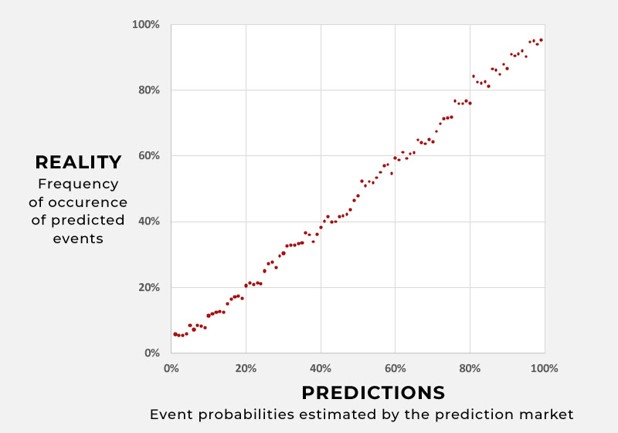
The future of prediction market ethics will be shaped by evolving regulatory frameworks, technological advancements, and growing public awareness of manipulation risks. As these markets continue to expand and mature, the ethical considerations that seem novel today will become standard concerns that require systematic solutions. The challenge lies in developing regulatory approaches that preserve the innovative potential of prediction markets while protecting users from manipulation and harm.
Emerging Regulatory Frameworks
Regulatory bodies worldwide are developing new frameworks specifically designed for prediction markets. The CFTC’s 2026 priorities signal a shift toward more comprehensive oversight, while international bodies like the Financial Action Task Force are considering guidelines for cross-border prediction market regulation. These frameworks must balance innovation with protection, creating standards that allow markets to function effectively while preventing manipulation and ensuring user safety. The development of these frameworks will likely take several years, during which platforms will continue to operate in regulatory uncertainty.
Technological Solutions for Market Integrity
Technology offers promising solutions for maintaining market integrity in prediction markets. Blockchain-based transparency, AI-powered anomaly detection, and decentralized governance models could help address many of the ethical concerns facing current platforms. However, these technological solutions also raise new ethical questions about privacy, surveillance, and the concentration of power in algorithmic systems. The future of prediction market ethics will likely involve a combination of regulatory oversight and technological innovation, with each approach addressing the limitations of the other.
Resources and Further Reading
For readers seeking deeper understanding of prediction market ethics and responsible trading practices, several resources provide valuable insights:
- Prediction Market Transaction Costs Analysis for 2026 Traders — Understanding the financial implications of trading decisions
- Forecasting the Prediction Market Global Market Size and Growth in 2026 — Market trends and growth projections
- Winning Prediction Market Election Betting Strategies for 2026 Political Events — Practical trading strategies for political markets
- Top Prediction Market Sports Betting Tips for Enhanced Odds in 2026 — Sports trading strategies and risk management
- Mastering Prediction Market Crypto Price Forecasting for 2026 Digital Assets — Cryptocurrency market analysis and trading
- Navigating Prediction Market Political Event Contracts for Profitable Trades in 2026 — Political event contract analysis
- Profiting from Prediction Market Technology Trends Betting in 2026 — Technology trend analysis and trading strategies
The ethical considerations surrounding prediction markets represent a critical juncture in the evolution of collective intelligence and market-based forecasting. As these markets continue to grow and mature, the frameworks we develop today will determine whether they fulfill their promise as tools for accurate prediction or become vectors for manipulation and harm. The responsibility lies with platforms, regulators, and traders to ensure that prediction markets serve their intended purpose while protecting the integrity of the information they generate.