Prediction markets reached $44 billion in notional trading volume in 2025, creating unprecedented opportunities for technology trend betting. As we move into 2026, technology and science markets are emerging as the fastest-growing category, driven by innovation cycles and real-time news events. This comprehensive guide explores how traders can profit from emerging technology trends, product launches, and industry shifts within prediction markets.
The $44 Billion Opportunity: Technology Trends Betting in 2026
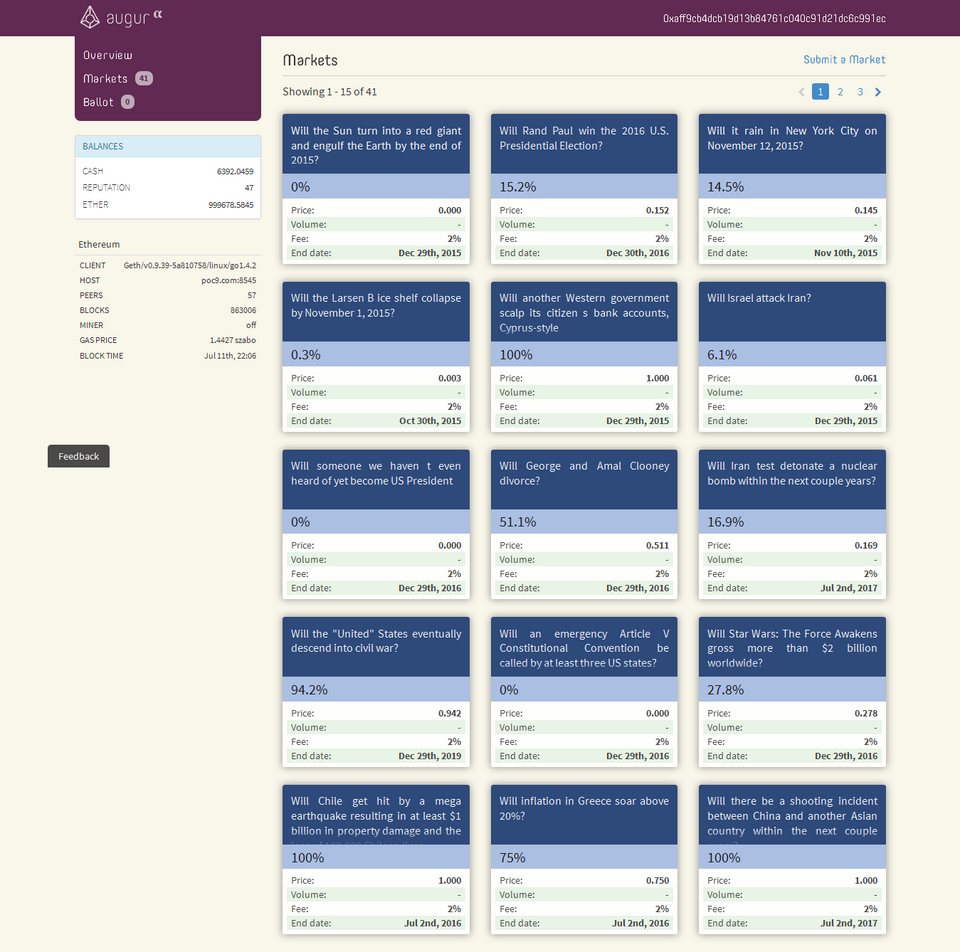
Prediction markets reached $44 billion in notional trading volume in 2025, with technology and science markets emerging as the fastest-growing category for 2026, driven by innovation cycles and real-time news events. This explosive growth creates unique arbitrage opportunities and profit potential for traders who understand the underlying mechanics.
The technology betting landscape encompasses multiple sectors including artificial intelligence breakthroughs, quantum computing milestones, 5G deployment targets, and cryptocurrency adoption metrics. Each sector presents distinct risk profiles and profit opportunities based on market liquidity, resolution criteria, and information timing advantages.
Market Growth Projections for 2026
Industry analysts project technology markets will grow from $44 billion in 2025 to over $60 billion in 2026, representing a 36% year-over-year increase. This growth is fueled by several converging factors:
- Increased regulatory clarity around prediction markets in major jurisdictions
- Integration of real-time data feeds from technology companies and regulatory bodies
- Expansion of mobile trading capabilities on platforms like Polymarket and Kalshi
- Growing institutional interest in technology trend prediction as an alternative investment class
The most promising technology sectors for 2026 betting include AI model performance benchmarks, quantum computing breakthrough announcements, 5G/6G deployment milestones, and cryptocurrency price and adoption metrics. Each offers unique opportunities based on information asymmetry and market inefficiencies.
How Prediction Markets Pay Out: Resolution Mechanisms Explained
Prediction markets pay out based on objective resolution criteria verified through third-party sources or automated systems, with most crypto platforms settling in USDC once outcomes are confirmed. Understanding these mechanisms is crucial for successful technology trend betting.
Resolution criteria must be specific, measurable, and objectively verifiable to create tradeable markets. For technology markets, this typically involves product launch dates, price milestones, feature releases, or regulatory decisions that can be confirmed through official company announcements, regulatory filings, or industry standards organizations.
Understanding Resolution Criteria for Tech Markets
Tech prediction markets require specific, measurable outcomes like product launch dates, price milestones, or feature releases that can be verified through official company announcements or regulatory filings. This objective verifiability is what distinguishes legitimate prediction markets from unregulated gambling.
For cryptocurrency markets, resolution often involves price milestones at specific exchanges or adoption metrics from industry reports. Bitcoin price milestone markets at $60K, $80K, and $100K+ are popular examples where resolution depends on exchange data from multiple sources to prevent manipulation, making prediction market crypto price forecasting an essential skill for successful trading (prediction market political event contracts).
Product launch date verification typically relies on SEC filings, company press releases, or regulatory approvals. For instance, a market predicting Apple’s iPhone 16 launch date would resolve based on official Apple announcements or FCC certification documents, providing clear, objective criteria that all traders can verify independently.
Tax Implications 2026: What Every Tech Trader Must Know
Beginning with tax year 2026, prediction market traders can only claim up to 90% of losses against winnings as an itemized deduction, with activity characterized as acquisition and disposition of transferable contractual rights. This significant change requires careful strategy adjustment (prediction market global market size 2026).
The IRS has not issued specific guidance on prediction market taxation, but activity is analyzed as acquisition and disposition of transferable contractual rights. This characterization has important implications for how gains and losses are reported and the strategies traders can employ to optimize their tax position (prediction market election betting strategies).
Platform exports are often incomplete, requiring manual transaction reconstruction for accurate reporting. Traders must maintain detailed records of all positions, including entry and exit prices, resolution dates, and any fees paid. This documentation becomes crucial when claiming losses under the new 90% limitation rules.
Arbitrage Across Technology Prediction Markets
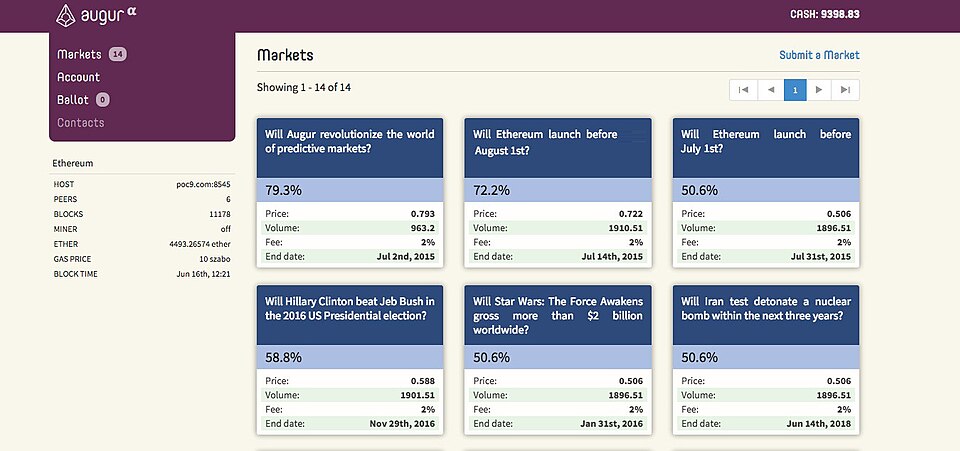
Arbitrage opportunities exist when price discrepancies between platforms create guaranteed profit scenarios, requiring traders to identify, calculate, and execute trades across multiple markets simultaneously. Technology markets offer unique arbitrage potential due to information asymmetry and varying liquidity across platforms, making prediction market transaction costs analysis crucial for maximizing profitability.
The most common arbitrage scenario involves identifying price differences between Polymarket and Kalshi for the same technology event. For example, if Polymarket shows 65% odds for an AI breakthrough announcement while Kalshi shows 72%, traders can simultaneously buy on the lower-priced platform and sell on the higher-priced one for risk-free profit.
Tech-Specific Arbitrage Strategies for 2026
Technology markets offer unique arbitrage opportunities around product launches, earnings announcements, and regulatory decisions where information asymmetry creates temporary price inefficiencies. These opportunities are particularly pronounced in fast-moving tech sectors where news breaks at different times across platforms.
Apple product launch binary events represent one of the most reliable arbitrage opportunities. As rumors and leaks emerge, different platforms may price the likelihood of specific features or launch dates differently based on their user base’s information access and trading patterns. Savvy traders can exploit these differences before the market converges on the true probability.
Nvidia earnings milestone markets present another arbitrage opportunity, particularly around AI chip performance announcements. The timing difference between earnings releases and market reactions can create temporary price discrepancies that skilled traders can exploit for guaranteed profits.
Platform Comparison: Where to Bet on Technology Trends
Polymarket leads in crypto-native technology markets with USDC settlement and high liquidity, while Kalshi offers regulated USD trading with clearer tax treatment for U.S. residents. Understanding platform differences is crucial for maximizing profitability in technology trend betting.
Polymarket has established itself as the dominant platform for technology markets, with over $400 million in open interest and a global user base. Its crypto-native approach allows for faster settlement and lower fees, but requires understanding of cryptocurrency mechanics and tax implications.
Kalshi, regulated by the CFTC, offers a more traditional trading experience with USD settlement and clearer regulatory oversight. This makes it particularly attractive for U.S. residents concerned about tax compliance and regulatory risk, though it may have lower liquidity for some technology markets.
Risk Management for Technology Prediction Markets
Successful technology trend betting requires position sizing based on volatility, diversification across multiple tech sectors, and understanding of information timing advantages in fast-moving markets. Technology markets are inherently more volatile than traditional prediction markets due to rapid innovation cycles and information asymmetry (prediction market sports betting tips).
Position sizing in technology markets should account for sector-specific volatility. AI and quantum computing markets tend to be more volatile than 5G deployment markets due to the uncertainty of breakthrough timelines and the potential for sudden information releases that can dramatically shift market probabilities.
Diversification across technology sectors provides protection against sector-specific risks while maintaining exposure to the overall technology growth trend. A balanced portfolio might include positions in AI, blockchain, semiconductors, and telecommunications, each with different risk profiles and information timing advantages.
2026 Technology Trends to Watch and Bet On
Key technology trends for 2026 prediction markets include AI model performance benchmarks, quantum computing breakthroughs, 5G/6G deployment milestones, and cryptocurrency adoption metrics. These trends represent the intersection of technological innovation and market speculation, creating unique betting opportunities while raising important prediction market ethical considerations for traders.
AI model performance benchmarks are becoming increasingly important as artificial intelligence capabilities advance rapidly. Markets predicting specific accuracy thresholds for large language models or computer vision systems offer opportunities based on the timing of research breakthroughs and commercial deployments.
Quantum computing breakthroughs represent another significant trend, with markets focusing on quantum supremacy demonstrations, error correction milestones, and practical quantum advantage in specific computational problems. These markets are particularly sensitive to academic publications and corporate research announcements.
Getting Started: Your Technology Betting Strategy
Begin with small positions on high-liquidity technology markets, use platform demo modes to understand mechanics, and focus on sectors where you have existing knowledge advantages. Starting small allows you to learn the platform mechanics and market dynamics without significant risk while building your understanding of technology trend betting.
Platform selection should be based on the specific technology markets you want to trade and your regulatory jurisdiction. Polymarket offers the widest selection of technology markets but requires cryptocurrency familiarity, while Kalshi provides a more traditional trading experience with regulatory oversight.
Research resources for technology trend analysis include industry reports, academic publications, and technology company announcements. Successful technology trend betting requires staying ahead of the information curve and understanding how different types of news will impact market probabilities.
Building a systematic betting approach involves developing criteria for market selection, position sizing, and exit strategies. This systematic approach helps remove emotional decision-making and ensures consistent application of your technology trend analysis across different markets and platforms.