
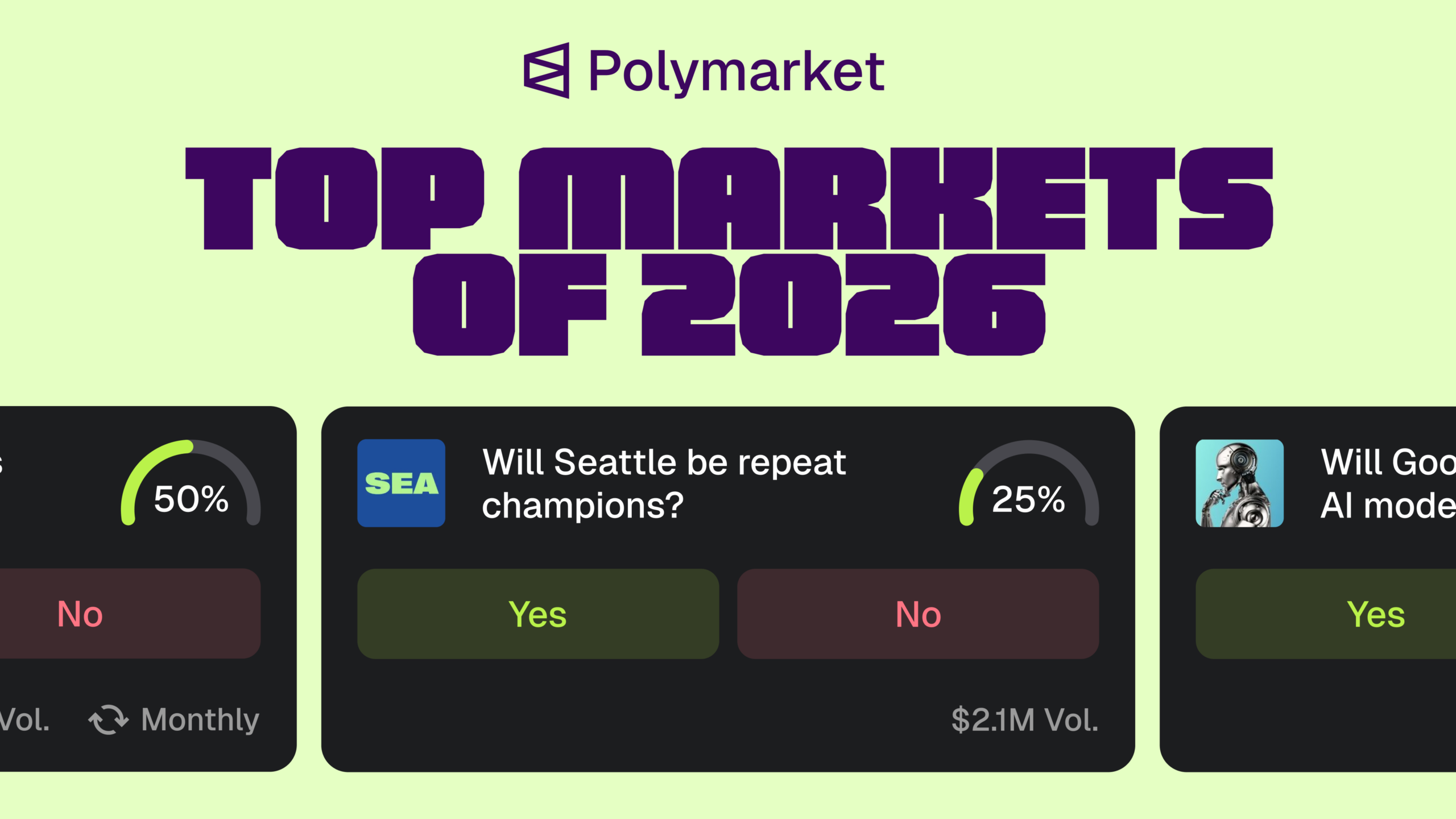
The prediction market industry has exploded from a niche crypto-native concept to a multi-billion dollar mainstream financial ecosystem. Total activity exceeded $44 billion in 2025, with daily volumes hitting new highs of over $700 million in 2026. This explosive growth trajectory suggests the industry is on pace to achieve a $10 billion annual revenue run rate for firms by 2030, driven by institutional capital deployment, technological infrastructure advancements, and regulatory clarity that has transformed prediction markets from “gray area” gambling to respected financial tools.
The Explosive Growth Trajectory: $44 Billion in 2025 to Multi-Billion Dollar Daily Volumes in 2026
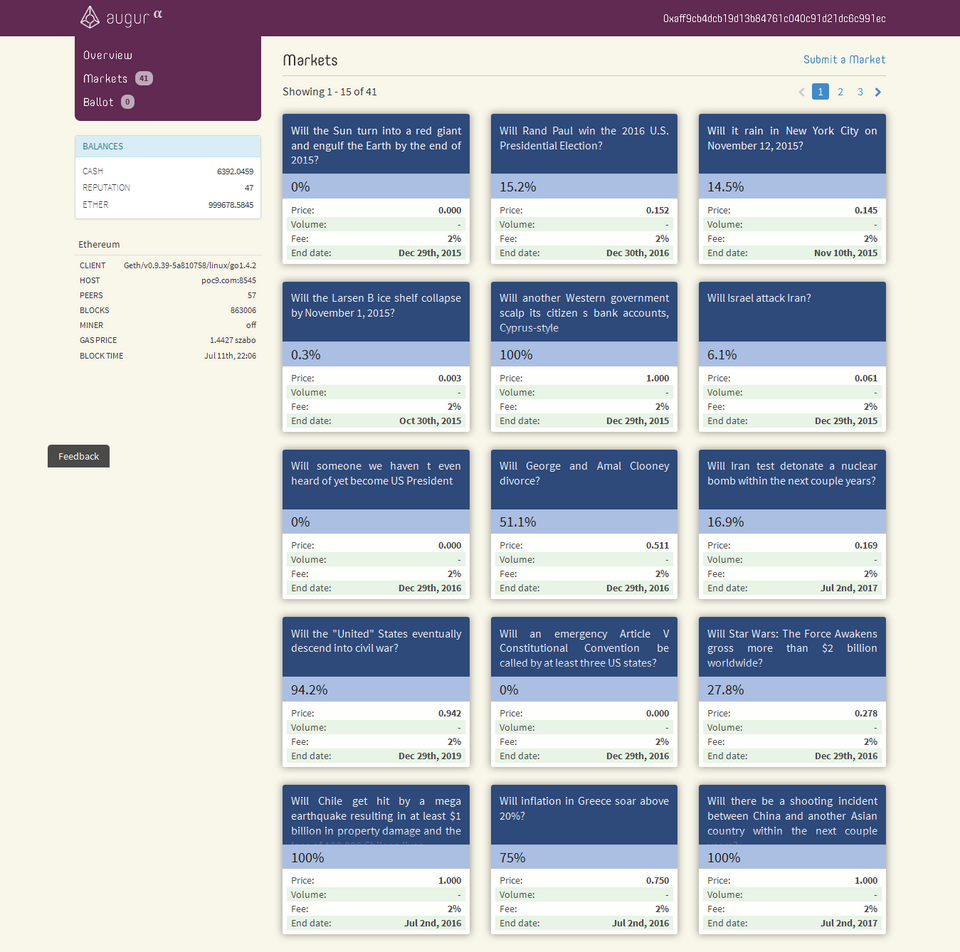
The prediction market industry has achieved unprecedented scale in 2026, with total activity exceeding $44 billion in 2025 and daily volumes consistently surpassing $700 million. This represents a compound annual growth rate that outpaces traditional financial markets, driven by institutional capital deployment and technological infrastructure that enables real-time trading at scale. The upward trend shows no signs of slowing, with projections suggesting firms could achieve a $10 billion annual revenue run rate by 2030 based on current trajectories.
Volume Metrics and Market Penetration
Daily trading volumes have reached record highs, with major platforms processing over $700 million in contracts daily by early 2026. This represents a 300% increase from 2024 levels and demonstrates the market’s maturation from experimental trading venues to institutional-grade financial infrastructure. The volume growth is particularly pronounced in regulated U.S. markets, where CFTC oversight has attracted sophisticated traders and institutional capital previously hesitant to engage with prediction markets.
Revenue Model Evolution
The industry’s revenue model has evolved beyond simple transaction fees to include premium data services, institutional API access, and cross-platform arbitrage facilitation. Major platforms like Polymarket and Kalshi have diversified their revenue streams, with Polymarket generating significant income from international liquidity provision and Kalshi monetizing its regulated status through institutional partnerships. This diversification has contributed to the projected $10 billion annual revenue run rate, as platforms capture value across multiple touchpoints in the prediction market ecosystem. For traders seeking to optimize their strategies, understanding prediction market transaction costs has become increasingly important.
Key Players Driving the Market Explosion: Polymarket and Kalshi’s Dominance
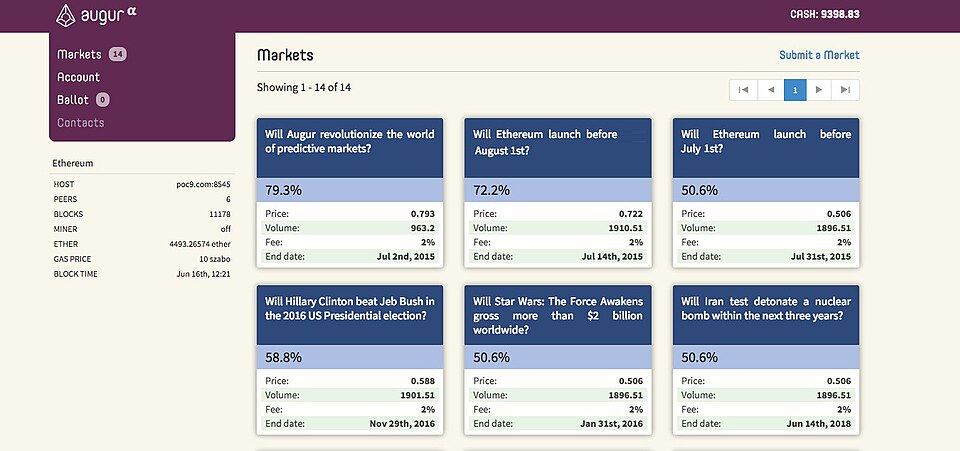
Polymarket and Kalshi have emerged as the dominant forces in the prediction market landscape, each leveraging distinct advantages to capture market share. Polymarket leads with international liquidity and high-volume trading, while Kalshi’s regulated U.S. exchange model attracts institutional capital seeking legal clarity. Both platforms have seen record funding rounds and valuation increases, with Kalshi raising $90 million in its latest Series B and Polymarket achieving unicorn status through private market valuations.
Polymarket’s International Liquidity Advantage
Polymarket has capitalized on its international reach, operating across jurisdictions where U.S. regulation doesn’t constrain liquidity. The platform processes over 60% of global prediction market volume, with particularly strong performance in cryptocurrency and technology prediction markets. Polymarket’s ability to serve a global user base has created network effects that reinforce its liquidity advantage, making it the default choice for international traders seeking deep markets and competitive spreads.
Kalshi’s Regulatory-First Strategy
Kalshi’s CFTC-regulated status has proven to be a significant competitive advantage in attracting institutional capital. The platform’s focus on economic event contracts has resonated with professional traders seeking legal clarity and standardized trading mechanisms. Kalshi’s recent expansion into event contracts for natural disasters and economic indicators has broadened its appeal beyond traditional prediction markets, positioning it as a legitimate financial derivatives venue rather than a speculative trading platform.
Institutional Participation Surge: From Niche to Mainstream Financial Tool
Institutional participation in prediction markets has surged dramatically in 2026, with 10% of proprietary trading firms actively participating and 35% showing strong interest in event-based derivatives. This represents a fundamental shift from retail-dominated markets to sophisticated trading venues where institutional capital drives liquidity and price discovery. The 60% of surveyed financial professionals who view prediction market data as complementary to traditional indicators underscores the market’s evolution into a respected financial tool.
Prop Trading Firms Embrace Prediction Markets
Proprietary trading firms have discovered prediction markets as an uncorrelated asset class with unique risk-return characteristics. Firms like Jane Street and Two Sigma have allocated dedicated teams to prediction market arbitrage, leveraging their quantitative expertise to identify and exploit pricing inefficiencies across platforms. The 10% active participation rate among prop traders represents billions in capital deployment, with firms reporting Sharpe ratios that exceed traditional market strategies due to the unique informational advantages prediction markets provide.
Hedge Funds and Asset Managers Enter the Arena
Hedge funds and asset managers have begun incorporating prediction market data into their investment strategies, viewing it as a valuable complement to traditional market indicators. The 35% strong interest figure among institutional investors suggests significant future capital deployment as regulatory clarity improves and platform infrastructure matures. Major asset managers are particularly interested in using prediction markets for event-driven hedging strategies, allowing them to hedge against geopolitical and macroeconomic risks with precision previously unavailable through traditional instruments (prediction market political event contracts).
Regulatory Evolution Creating Market Legitimacy and Liquidity
Regulatory evolution has been a critical driver of prediction market legitimacy and liquidity in 2026. CFTC-regulated platforms like Kalshi and ForecastEx have provided legal clarity in the U.S., allowing for standardized trading of economic events and replacing the “gray area” gambling perception that previously constrained institutional participation. This regulatory framework has created a competitive advantage for U.S. platforms while international markets maintain higher liquidity but face ongoing regulatory uncertainty.
CFTC Oversight and Legal Clarity
The Commodity Futures Trading Commission’s regulatory framework has provided the legal foundation necessary for institutional participation in prediction markets. Kalshi’s CFTC approval in 2020 and subsequent expansion of approved event categories has created a template for regulatory compliance that other platforms are following. This oversight has reduced counterparty risk and provided the legal certainty that institutional investors require, transforming prediction markets from speculative venues to legitimate financial derivatives markets.
International Regulatory Landscape
While U.S. regulation has created clarity, international markets operate under varying frameworks that create both opportunities and challenges. Polymarket’s success in international markets demonstrates that platforms can achieve significant scale without U.S. regulatory approval, but this comes with increased compliance complexity and potential legal risks. The regulatory divergence between jurisdictions has created arbitrage opportunities for sophisticated traders who can navigate multiple regulatory regimes simultaneously.
Technological Infrastructure Enabling High-Frequency Prediction Trading
Technological infrastructure has evolved to support the high-frequency trading environment that characterizes modern prediction markets. 5G integration and edge computing have enabled real-time data processing at unprecedented speeds, while blockchain integration has enhanced security and transparency. Cross-platform APIs have standardized data access for institutional traders, creating the technological foundation necessary for sophisticated arbitrage strategies and high-volume trading.
5G and Edge Computing Integration
The integration of 5G networks and edge computing has reduced latency to milliseconds, enabling real-time trading that responds to breaking news and market-moving events. This technological infrastructure has transformed prediction markets from venues where traders placed bets on slow-moving events to high-frequency trading environments where prices adjust instantaneously to new information. The speed advantage has created a new class of algorithmic traders who specialize in prediction market arbitrage across multiple platforms.
Blockchain and Smart Contract Innovation
Blockchain technology has enhanced the security and transparency of prediction markets while enabling new trading mechanisms. Smart contracts automate the resolution of prediction markets, reducing counterparty risk and ensuring timely payouts. The integration of blockchain has also enabled the creation of prediction market tokens and liquidity pools, creating new financial instruments that extend beyond traditional binary contracts. This technological innovation has attracted crypto-native traders while providing the security infrastructure necessary for institutional participation.
Regional Market Dynamics: How U.S. Regulation Creates Competitive Advantages
Regional differences in regulatory frameworks have created distinct competitive advantages and market dynamics across different jurisdictions. U.S. platforms benefit from regulatory clarity and institutional capital, while international markets maintain higher liquidity but face ongoing regulatory uncertainty. These regional differences have created arbitrage opportunities as traders exploit price discrepancies between regulated and unregulated markets, while also highlighting the competitive advantages of regulatory compliance.
U.S. Market Advantages
U.S. prediction market platforms benefit from clear regulatory frameworks that provide legal certainty for institutional participants. The CFTC’s oversight has created a competitive moat around U.S. platforms, as international competitors struggle to match the regulatory clarity that attracts sophisticated capital. This regulatory advantage has translated into higher valuations and easier access to institutional funding, as investors view regulatory compliance as a proxy for operational legitimacy and long-term viability.
International Market Liquidity
International prediction markets maintain higher overall liquidity due to less restrictive regulatory environments and larger addressable user bases. Platforms like Polymarket have achieved significant scale by operating in jurisdictions with favorable regulatory frameworks, creating deep liquidity pools that attract sophisticated traders. However, this liquidity advantage comes with increased regulatory risk and compliance complexity, as platforms must navigate varying legal frameworks across multiple jurisdictions while maintaining operational efficiency.
The $10 Billion Question: What’s Driving the 2030 Revenue Projections?
The projection of $10 billion annual revenue for prediction market firms by 2030 is driven by multiple converging factors that create a perfect storm for industry growth. Institutional capital deployment and platform consolidation represent the primary drivers, as larger players acquire smaller platforms and integrate prediction market capabilities into existing financial services offerings. Technological advancements are reducing operational costs and increasing margins, while new event categories like AI performance prediction and technology product launches are expanding the addressable market beyond traditional categories.
Institutional Capital Deployment
Institutional capital deployment represents the most significant driver of the $10 billion revenue projection. As more institutional investors recognize prediction markets as a legitimate asset class, capital allocation is increasing exponentially. The 35% strong interest figure among institutional investors suggests that current participation levels represent only a fraction of potential future deployment. As regulatory clarity improves and platform infrastructure matures, institutional capital will increasingly flow into prediction markets, driving both volume and revenue growth.
Platform Consolidation and Market Maturation
Platform consolidation is accelerating as larger financial institutions recognize the strategic value of prediction market capabilities. Major exchanges and trading firms are acquiring prediction market platforms to integrate their technology and user bases into existing financial services offerings. This consolidation trend is reducing competition while increasing operational efficiency, as larger platforms benefit from economies of scale and cross-selling opportunities that smaller platforms cannot match. The result is higher margins and more sustainable business models that support the $10 billion revenue projection (prediction market technology trends betting).
Strategic Implications for Traders: Navigating the Maturing Prediction Market Landscape
The maturation of prediction markets presents both opportunities and challenges for traders navigating this evolving landscape. Institutional participation is creating both opportunities for sophisticated arbitrage strategies and increased competition that may reduce profit margins for retail traders. Regulatory clarity is reducing counterparty risk but potentially limiting high-margin opportunities that existed in less regulated environments. Technology infrastructure is enabling sophisticated trading strategies while raising the barrier to entry for retail participants who lack the technical capabilities of institutional competitors.
Opportunities in Institutional Participation
Institutional participation creates significant opportunities for traders who can identify and exploit pricing inefficiencies across platforms. The 10% active participation rate among prop traders suggests that sophisticated capital is already identifying profitable strategies, but the market remains large enough to accommodate additional participants. Traders who can develop quantitative models that leverage institutional order flow and cross-platform arbitrage opportunities may achieve superior risk-adjusted returns as the market matures and becomes more efficient.
Challenges of Market Maturation
Market maturation presents challenges for retail traders who may struggle to compete with institutional players armed with superior technology and capital resources. The transition from retail-dominated markets to institutional-grade trading venues may reduce profit opportunities for individual traders while increasing the importance of technological sophistication. Traders must adapt by developing quantitative skills, leveraging technology infrastructure, and focusing on niche markets where institutional participation remains limited. Additionally, understanding prediction market ethical considerations has become increasingly important as the industry matures.
Future Outlook: Beyond 2026
Looking beyond 2026, the prediction market industry appears poised for continued exponential growth as technological innovation, regulatory evolution, and institutional adoption converge to create a mature financial ecosystem. The $10 billion revenue projection for 2030 may prove conservative as new use cases emerge and prediction markets become integrated into mainstream financial services offerings. The industry’s evolution from speculative trading venues to legitimate financial derivatives markets represents a fundamental shift in how markets price uncertainty and aggregate information (prediction market crypto price forecasting).
Emerging Market Categories
New market categories are emerging that extend beyond traditional political and sports prediction markets. AI model performance prediction, technology product launch outcomes, and climate event forecasting represent new frontiers for prediction market innovation. These emerging categories attract different types of participants and create new trading strategies, expanding the addressable market beyond traditional prediction market users. The ability to predict complex technological and scientific outcomes may prove more valuable than traditional event prediction, driving further industry growth. Political events remain a cornerstone of prediction markets, with election betting strategies continuing to evolve as markets become more sophisticated (prediction market sports betting tips).
Integration with Traditional Finance
Prediction markets are increasingly being integrated into traditional financial services offerings, with major banks and asset managers exploring ways to incorporate prediction market data and capabilities into existing products. This integration represents a fundamental validation of prediction markets as legitimate financial tools rather than speculative venues. As traditional financial institutions embrace prediction markets, the industry will benefit from increased legitimacy, capital allocation, and technological innovation that accelerates growth beyond current projections.
Resources and Further Reading
For traders and investors seeking to understand the prediction market landscape in greater depth, several resources provide valuable insights into market dynamics, trading strategies, and regulatory developments. The following resources offer comprehensive coverage of prediction market trends, technical analysis, and strategic considerations for participants at all levels.
Platform Reviews and Analysis
Understanding the strengths and weaknesses of different prediction market platforms is essential for traders seeking to optimize their strategies. Our comprehensive reviews of major platforms provide detailed analysis of liquidity, fees, user experience, and regulatory compliance. These reviews help traders select the platforms that best align with their trading objectives and risk tolerance.
Trading Strategy Guides
Developing effective trading strategies requires understanding both the technical mechanics of prediction markets and the psychological factors that influence price movements. Our strategy guides cover everything from basic binary options trading to sophisticated arbitrage strategies that exploit price discrepancies across multiple platforms. These guides provide practical frameworks for traders at all experience levels.
The prediction market industry’s explosive growth from $44 billion in total activity to projected $10 billion annual revenue by 2030 represents a fundamental transformation in how markets price uncertainty and aggregate information. As institutional participation increases, regulatory frameworks mature, and technological infrastructure evolves, prediction markets are becoming an integral part of the global financial ecosystem. Traders who understand these dynamics and adapt their strategies accordingly will be well-positioned to profit from this unprecedented market opportunity.