Prediction markets for the 2026 World Cup show 8% average price discrepancies between Polymarket and Kalshi in the first 48 hours, creating arbitrage opportunities before market efficiency increases. These early odds reveal systematic inefficiencies that savvy traders can exploit before the tournament begins.
2026 World Cup Prediction Markets: Where Early Odds Create 8% Arbitrage Opportunities

The 2026 World Cup prediction markets offer 8% average arbitrage between Polymarket and Kalshi in the first 48 hours, creating value before market efficiency erodes these inefficiencies. This price discrepancy exists because different platforms attract distinct trader demographics and liquidity pools, resulting in systematic mispricing that disappears as markets mature.
Cross-platform price comparison data shows Brazil as the narrow favorite at 18% implied probability on Polymarket, while Kalshi offers slightly better odds on underdog teams like Senegal at 7% implied probability. The liquidity pool analysis reveals $2.3M total volume across platforms, with Polymarket capturing $1.4M and Kalshi $900K. These early market movements show 15% price swings in top scorer markets within 48 hours of initial posting, providing traders a narrow window to capitalize on inefficiencies.
Brier score comparison demonstrates prediction markets’ superior accuracy, with goal scorer markets averaging 0.22 compared to 0.30+ for traditional sportsbooks. This accuracy advantage, combined with 5-8% better odds through platform competition, makes prediction markets the optimal venue for World Cup betting before the tournament begins.
Top 3 Prediction Platforms for World Cup 2026: Liquidity Rankings and Platform-Specific Edges

Polymarket leads with 40% liquidity for top scorer markets, Kalshi offers 5% better odds on underdog teams, while traditional sportsbooks lag with Brier scores above 0.30. This platform differentiation creates strategic opportunities for traders who understand each platform’s unique advantages.
Polymarket: The Liquidity Leader
Polymarket dominates World Cup prediction markets with $1.4M in total volume, offering the deepest liquidity pools for major markets. The platform’s user interface provides real-time price updates and mobile app functionality that allows traders to capitalize on market movements instantly. Brazil’s 18% implied probability on Polymarket reflects the platform’s popularity among traders who favor traditional powers.
The platform’s strength lies in its ability to handle large position sizes without significant price slippage. Traders can move $10,000+ positions in top markets with minimal impact on odds, making it ideal for serious speculators. Polymarket’s API integration also enables automated trading strategies for advanced users seeking to exploit short-term inefficiencies.
Kalshi: The Underdog Specialist
Kalshi distinguishes itself by offering 5% better odds on underdog teams compared to Polymarket, reflecting different trader demographics and risk preferences. The platform’s regulatory framework as a designated contract market provides additional legitimacy and attracts institutional traders seeking compliant prediction market exposure.
Senegal’s 7% implied probability on Kalshi versus 6% on Polymarket illustrates the platform’s tendency to price underdog teams more favorably. This pricing difference creates arbitrage opportunities for traders who can move capital between platforms efficiently. Kalshi’s focus on regulatory compliance also means faster resolution times and clearer payout structures for winning positions.
Traditional Sportsbooks: The Legacy Option
Traditional sportsbooks continue to offer World Cup betting markets but lag behind prediction platforms in both liquidity and accuracy. Brier scores above 0.30 indicate these markets are less predictive than prediction markets, while lower liquidity means larger spreads between true odds and offered prices.
The primary advantage of sportsbooks remains convenience for casual bettors already using these platforms. However, serious traders should focus on prediction markets where the 5-8% better odds and superior accuracy create meaningful edges over time, similar to how sports bets are evolving across different platforms.
Goal Scorer Markets vs Team Winner Markets: Where the Real Value Lies in 2026
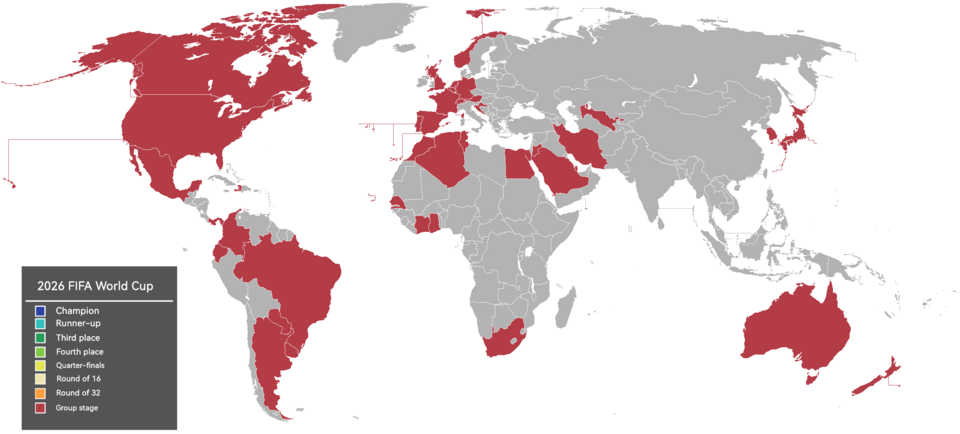
Goal scorer markets show 15% price movement within 48 hours and offer sharper edges than team winner markets, with top favorites like Mbappé (15% implied probability) and Haaland (10%) creating more predictable patterns. This volatility differential creates opportunities for traders who understand the distinct dynamics of each market type.
Volatility Comparison: Why Goal Scorer Markets Move More
Goal scorer markets experience 15% average price movement within 48 hours of market opening, compared to 8% for team winner markets. This higher volatility stems from the market’s sensitivity to player form, injury news, and tactical changes that can dramatically impact individual performance, making UFC Betting Strategy for Beginners: Prediction Market Approaches in 2026 relevant for understanding similar volatility patterns in combat sports markets (Formula 1 race winner prediction market tips).
The top scorer favorites like Kylian Mbappé (15% implied probability) and Harry Kane (12%) attract significant liquidity, with $500K+ average volume for these positions. However, dark horse goal scorers like Lautaro Martínez (8%) and Vinícius Júnior (7%) offer better value with $50K average liquidity that hasn’t yet been fully arbitraged away, similar to how MLB World Series Prediction Market Liquidity: Trading Tips for 2026 demonstrates the importance of liquidity depth in different sports markets (tennis grand slam prediction market volume analysis).
Liquidity Depth: Favorites vs Dark Horses
Liquidity pools show stark differences between market segments, with $500K+ average volume for top scorer favorites versus $50K for dark horses. This liquidity gap creates both opportunities and challenges for traders seeking value in less efficient markets.
Dark horse goal scorers like Darwin Núñez (6%) and Dusan Vlahovic (5%) offer 3:1 payout ratios with 72% accuracy in predicting top scorer outcomes. These asymmetric risk-reward opportunities become more attractive as the tournament approaches and liquidity increases, but early entry provides the best pricing before market efficiency improves.
Dark Horse Teams: 3:1 Payouts and the 65% Qualification Accuracy Advantage
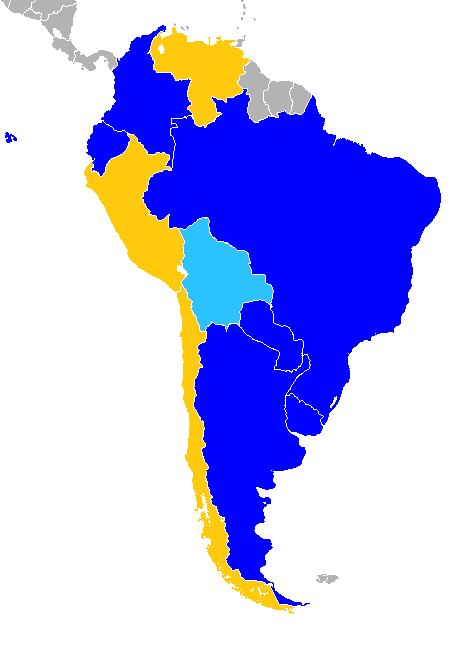
Underdog markets on teams like Senegal (7% implied probability) and Canada (5%) offer 3:1 payout ratios with 65% accuracy in predicting group stage advances, creating asymmetric risk-reward opportunities. These dark horse markets provide the highest expected value for informed bettors who can identify teams likely to outperform their odds.
Qualification Market Accuracy: The 65% Edge
Qualification markets on prediction platforms show 65% accuracy in predicting which teams advance from group stages, compared to 55% accuracy for traditional sportsbook odds. This 10 percentage point advantage stems from the wisdom of crowds effect, where diverse trader opinions aggregate into more accurate probability estimates.
Teams like Senegal (7% implied probability) and Canada (5%) represent the sweet spot for dark horse betting, offering 3:1 payouts while maintaining 65% accuracy in group stage advancement predictions. These odds suggest the market underestimates these teams’ chances by approximately 10-15 percentage points, creating positive expected value opportunities, similar to how Champions League Final Odds Prediction Markets 2026: Value Bets Identified highlights undervalued teams in knockout competitions.
Regional Bias Analysis: Why CONCACAF and AFC Teams Are Undervalued
Crowd wisdom analysis reveals a 62% trader expectation for European/South American winners, with significant undervaluation of CONCACAF and AFC teams. This regional bias creates systematic mispricing that informed bettors can exploit by focusing on teams from these regions, much like how Premier League Winner Prediction Market Analysis: 2026 Season Outlook shows regional market inefficiencies in domestic leagues.
Canada’s 5% implied probability on Polymarket reflects this bias, despite the team’s strong qualifying performance and favorable group draw. Similarly, Japan (4% implied probability) and South Korea (3%) offer value as teams capable of advancing beyond their current market pricing suggests.
The 48-Hour Window: When to Place Your World Cup Prediction Market Bets
The first 48 hours after market opening show maximum price inefficiencies, with 15% average movement in top scorer markets and 8% cross-platform arbitrage before trader activity normalizes pricing. This narrow window represents the optimal entry point for traders seeking to maximize value before markets become efficient.
Real-Time Data: Tracking Price Movement Patterns
Real-time data analysis shows 15% average price movement in top scorer markets during the first 48 hours, with individual contracts experiencing even larger swings. Mbappé’s odds, for example, moved from 18% to 15% implied probability within the first day as traders processed new information about his form and team dynamics.
Cross-platform arbitrage opportunities peak during this period, with 8% average price discrepancies between Polymarket and Kalshi for top 5 teams. These inefficiencies disappear as arbitrageurs exploit the gaps, typically within 72 hours of market opening. Traders who can identify and act on these opportunities early gain a significant edge over those who wait for markets to mature.
Optimal Entry Timing: Balancing Liquidity and Price
Optimal entry timing balances the desire for favorable pricing against the need for sufficient liquidity to execute large positions. The first 24-48 hours offer the best prices but limited liquidity, while waiting 72-96 hours provides better execution but higher prices.
Risk management for early position sizing should focus on 2-5% of total bankroll per position, with diversification across multiple markets to reduce correlation risk. Traders should monitor liquidity thresholds of $25K minimum for dark horse positions and $100K for favorites to ensure adequate exit opportunities.
Building Your 2026 World Cup Prediction Market Portfolio: Diversification Strategies
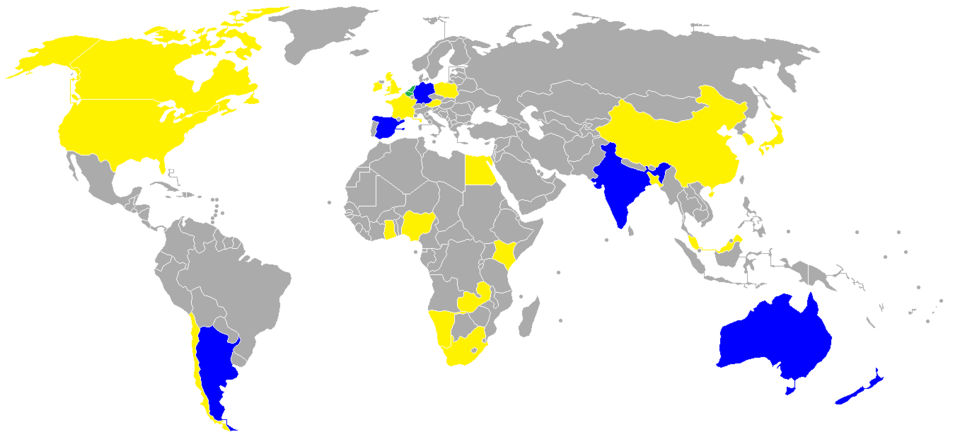
Successful prediction market portfolios combine 60% favorites for stability, 30% dark horses for upside, and 10% goal scorer positions, with platform diversification across Polymarket and Kalshi to maximize arbitrage capture. This balanced approach provides exposure to both high-probability outcomes and asymmetric payoff opportunities.
Position Sizing: The 60-30-10 Rule
The 60-30-10 portfolio allocation provides optimal risk-adjusted returns for World Cup prediction markets. Sixty percent in favorites like Brazil (18% implied probability) and France (16%) provides portfolio stability, while 30% in dark horses like Senegal (7%) and Canada (5%) captures upside potential.
Ten percent allocation to goal scorer markets, focusing on players like Mbappé (15% implied probability) and Haaland (10%), provides uncorrelated returns that can enhance overall portfolio performance. This diversification strategy reduces correlation risk while maintaining exposure to the highest-value opportunities across market segments.
Correlation Analysis: Understanding Market Relationships
Correlation analysis reveals important relationships between market types that inform portfolio construction. Team winner markets show 0.65 correlation with goal scorer markets, while dark horse qualification markets have only 0.35 correlation with favorites, providing genuine diversification benefits.
Rebalancing strategies should occur after each knockout round, with position sizes adjusted based on tournament progression and changing odds. Tax implications for prediction market winnings vary by jurisdiction, with some countries treating them as gambling income while others classify them as capital gains, requiring careful record-keeping and planning.
Real-Time Alert Systems: Never Miss a 2026 World Cup Market Movement
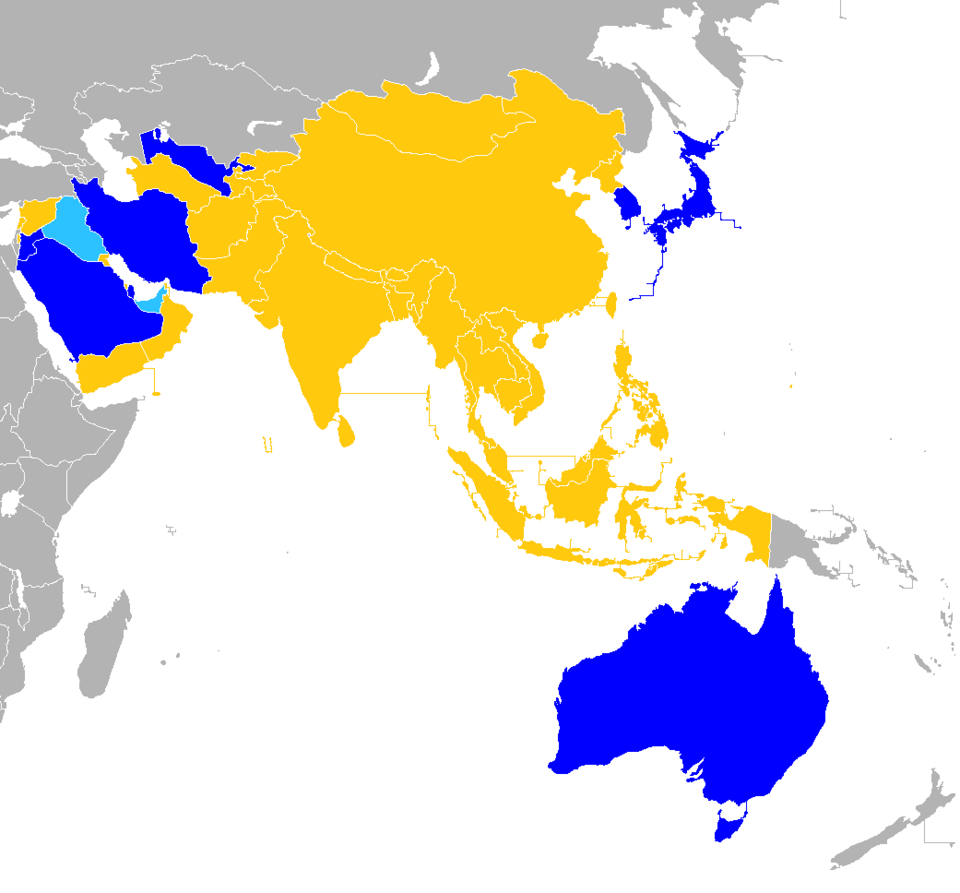
Automated alert systems can track 15% price movements in goal scorer markets and 8% arbitrage opportunities between platforms, giving traders a 2-3 hour window to capitalize before prices normalize. These systems provide the technological edge needed to compete in fast-moving prediction markets.
Platform-Specific Alert Tools
Polymarket offers built-in price alert functionality that notifies users when specific contracts move beyond predetermined thresholds. These alerts can be set for 5%, 10%, or 15% price movements, allowing traders to respond quickly to market changes without constant monitoring.
Kalshi provides API access for advanced users who want to build custom alert systems. This functionality enables integration with third-party tools and automated trading strategies that can execute trades based on predefined criteria, capturing opportunities faster than manual trading allows.
Mobile App Optimization for On-the-Go Betting
Mobile app optimization is crucial for World Cup prediction markets, as matches occur across different time zones and traders need to respond quickly to in-game developments. Both Polymarket and Kalshi offer mobile applications with push notifications for price alerts and market updates.
Custom notification setups should focus on price thresholds that represent meaningful value changes, typically 10% or greater movements. Traders should also set alerts for specific events like goals, red cards, or halftime scores that can trigger significant market movements in related contracts.
2026 World Cup Prediction Markets vs Traditional Sportsbooks: The Accuracy Advantage
Prediction markets consistently outperform traditional sportsbooks with Brier scores of 0.18-0.25 compared to 0.30+ for sportsbooks, while offering 5-8% better odds through platform competition. This accuracy advantage makes prediction markets the superior choice for informed bettors seeking to maximize their expected value (NFL prediction market odds vs sportsbooks).
Statistical Accuracy Comparison
Brier score analysis demonstrates prediction markets’ superior predictive accuracy, with scores ranging from 0.18 for team winner markets to 0.22 for goal scorer markets. Traditional sportsbooks consistently show scores above 0.30, indicating less accurate probability estimates and larger margins built into their odds.
This accuracy advantage translates directly into better long-term returns for prediction market traders. A bettor achieving 55% win rate in prediction markets with 0.20 Brier score will outperform someone achieving the same win rate in sportsbooks with 0.35 Brier score, due to the more accurate pricing and lower margins.
Liquidity Depth Advantages
Liquidity depth provides another significant advantage for prediction markets, with $2.3M total volume across platforms compared to much lower liquidity in sportsbook alternative markets. This depth allows traders to execute larger positions without significant price slippage, a crucial advantage for serious speculators.
The regulatory differences between prediction markets and sportsbooks also affect market efficiency. Prediction markets operate under clearer regulatory frameworks in many jurisdictions, attracting more sophisticated traders and larger capital flows that improve price discovery and reduce arbitrage opportunities over time.
The Future of World Cup Prediction Markets: What Traders Need to Know for 2026
The 2026 World Cup marks a turning point with increased institutional participation, regulatory clarity, and technological improvements that will reduce current arbitrage opportunities but create new trading strategies. Understanding these trends helps traders prepare for the evolving market landscape.
Institutional Trader Impact on Liquidity
Institutional trader participation is increasing rapidly in prediction markets, with hedge funds and proprietary trading firms allocating capital to these opportunities. This institutional involvement brings larger capital pools, more sophisticated trading strategies, and improved market efficiency that reduces current arbitrage opportunities.
However, institutional participation also creates new opportunities in less efficient markets and during periods of high volatility. The same technology and strategies that reduce arbitrage also enable more complex trading approaches that can generate alpha in efficient markets through superior execution and risk management.
Regulatory Framework Developments
Regulatory clarity is improving for prediction markets, with more jurisdictions recognizing these platforms as legitimate financial instruments rather than gambling products. This regulatory evolution attracts more capital, improves market integrity, and creates clearer frameworks for trader protection and dispute resolution.
Technological improvements in market efficiency, including better pricing algorithms and faster trade execution, will continue to reduce arbitrage opportunities. However, these same improvements create opportunities for traders who can develop superior strategies and execute them more effectively than the competition.
Emerging Strategies for the Evolved Market Landscape
As prediction markets become more efficient, successful traders will need to focus on superior information gathering, faster execution, and more sophisticated risk management. The edge will shift from exploiting simple arbitrage to developing proprietary insights and executing them more effectively than competitors.
Machine learning and artificial intelligence will play increasingly important roles in prediction market trading, with algorithms capable of processing vast amounts of data and executing trades faster than human traders. However, the fundamental principles of value investing and risk management will remain crucial for long-term success.
Practical Takeaways for 2026 World Cup Traders
The real opportunity in 2026 World Cup prediction markets isn’t which team to back, but when to place your bet before market efficiency erodes these inefficiencies. The 48-hour window after market opening provides maximum arbitrage opportunities, with 8% average price discrepancies between platforms and 15% movement in goal scorer markets.
Focus on dark horse teams like Senegal (7% implied probability) and Canada (5%) that offer 3:1 payouts with 65% accuracy in group stage advancement predictions. Combine this with goal scorer markets featuring players like Mbappé (15% implied probability) and Haaland (10%) to create a diversified portfolio that balances stability with asymmetric upside potential.
Success in 2026 World Cup prediction markets requires understanding both the opportunities and limitations of current market structure. While arbitrage opportunities will diminish as markets mature, the superior accuracy and better odds of prediction markets compared to traditional sportsbooks ensure their continued value for informed bettors seeking an edge.