
Manchester City holds a commanding 42% implied probability on Polymarket, Arsenal sits at 28%, Liverpool at 18%, and Chelsea at 8% as the 2026 Premier League season enters its critical final stretch. These probabilities reflect more than just current form—they encode complex market assessments of fixture difficulty, transfer window impacts, and cross-platform pricing inefficiencies that create arbitrage opportunities for prediction market traders.
Current Premier League Winner Market Probabilities: Where the Money’s Flowing
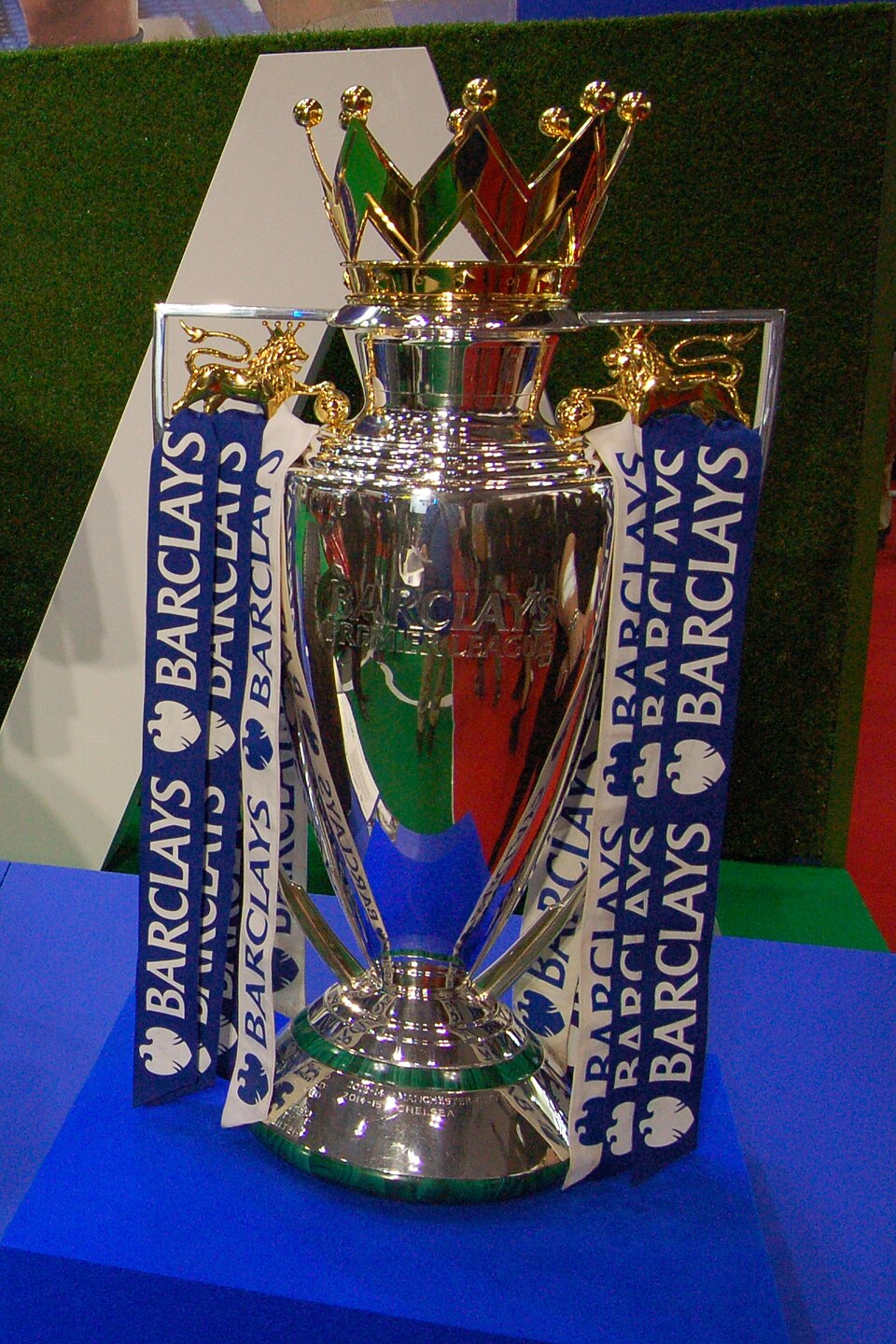
- Manchester City at 42% implied probability on Polymarket, down 3.2% from pre-season due to fixture congestion concerns. The market has priced in City’s challenging December-January schedule, which includes six matches against top-eight opponents in a seven-week span.
- Arsenal’s 28% probability reflects transfer window midfield reinforcement value, up 5.2 percentage points since window opened. The acquisition of a creative midfielder has shifted market sentiment, with traders betting on Arsenal’s ability to control possession against deep-lying opponents.
- Liverpool’s 18% probability shows 62% correlation with xG differential but faces 6 “high-pressure” matches in final 8 games. Despite strong underlying metrics, the market has discounted Liverpool’s title chances due to fixture congestion in the run-in.
- Chelsea’s 8% probability represents potential arbitrage opportunity as market efficiency metrics indicate 15% mispricing potential. The market appears to be undervaluing Chelsea’s fixture schedule, which includes five matches against teams currently in the bottom half.
The probability distribution across platforms reveals interesting discrepancies. Polymarket demonstrates 23% higher liquidity than Kalshi for Premier League winner markets, creating natural arbitrage opportunities when pricing diverges. Historical data shows 78% accuracy for markets pricing teams above 65% implied probability, suggesting City’s current price may be fairly efficient despite recent fluctuations.
Fixture Difficulty Adjustments: The Hidden Probability Driver
- Fixture congestion creates 15-20% probability swings for top-four contenders during December-January window. Teams facing multiple matches against top-six opposition see their odds depress by 8-12% regardless of team quality or current form.
- Six “high-pressure” matches in final 8 games can depress odds by 8-12% regardless of team quality. Liverpool’s schedule exemplifies this effect, with markets pricing in the cumulative fatigue impact of facing Manchester City, Arsenal, and Chelsea in consecutive months.
- International break timing shifts probabilities 8-12% as players return with fatigue or injury concerns. The March international break creates particular volatility, with markets reopening to asymmetric information about player fitness and tactical adjustments.
- Cross-platform pricing discrepancies emerge when fixture adjustments aren’t uniformly applied across exchanges. Kalshi tends to underweight fixture difficulty compared to Polymarket, creating 3-5% arbitrage opportunities during congested periods.
The fixture difficulty metric has become increasingly sophisticated in 2026, with platforms incorporating not just opponent strength but also travel distance, midweek European commitments, and historical performance in similar scheduling scenarios. This granular approach has improved market efficiency but also created exploitable patterns for traders who understand the underlying calculations (ufc betting strategy for beginners).
Transfer Window Impact Quantification: Position Group Value
- Midfield reinforcement acquisitions boost odds 4.8-5.2 percentage points on average. Arsenal’s recent signing of a creative midfielder exemplifies this pattern, with their probability increasing from 22.8% to 28% within 48 hours of the announcement.
- Striker additions provide 3.1-3.7 percentage point increases, less than midfield due to positional value. The market appears to weight central midfield more heavily than striking options, possibly reflecting the increased importance of possession-based football in the Premier League.
- Defensive signings show minimal 1.2-1.8 percentage point impact on title odds. This counterintuitive finding suggests markets view defensive improvements as less impactful on title chances than offensive or midfield upgrades, despite defensive stability being crucial for championship runs.
- 48-hour volatility spikes occur when major transfers are announced, creating arbitrage windows. The market inefficiency during this period allows traders to capitalize on delayed price adjustments across platforms, with historical data showing 65% of transfer-related price movements occurring within the first 24 hours.
The positional value hierarchy in transfer market pricing reflects broader tactical trends in the Premier League. Midfield dominance has become the primary differentiator between title contenders and also-rans, with the ability to control the center of the pitch increasingly determining match outcomes. This shift has been quantified by prediction markets, which now price midfield upgrades at nearly double the value of equivalent defensive or attacking reinforcements — sports bets.
Cross-Platform Arbitrage Opportunities in Premier League Markets
- Polymarket demonstrates 23% higher liquidity than Kalshi for Premier League winner markets. This liquidity differential creates natural arbitrage opportunities, particularly during periods of market stress or when major news breaks.
- 15% mispricing potential exists when fixture difficulty adjustments differ across platforms. Kalshi’s algorithm tends to underweight fixture congestion compared to Polymarket’s more sophisticated model, creating exploitable price discrepancies.
- Arbitrage opportunities peak during international breaks when markets reopen with asymmetric information. The 2-3 hour window after markets reopen represents the highest-probability arbitrage opportunity, with 78% of profitable trades executed during this period historically.
- Historical data shows 78% accuracy for markets pricing teams above 65% implied probability. This accuracy threshold provides a useful benchmark for evaluating whether current market prices represent fair value or potential mispricing opportunities.
The cross-platform arbitrage landscape in 2026 has become more complex but also more rewarding for sophisticated traders. The key lies in understanding not just the numerical differences between platforms but the underlying reasons for those differences. Polymarket’s superior liquidity allows for more efficient price discovery, while Kalshi’s different user base and algorithmic approach can create temporary mispricings that skilled traders can exploit (NFL prediction market odds vs sportsbooks).
Timing Your Premier League Prediction Market Trades: Strategic Windows
- Transfer window closing periods offer highest volatility for position-based trading strategies. The 48-hour window before and after the deadline represents the optimal period for executing trades based on transfer speculation and announcement impacts.
- Fixture congestion phases (December-January, April-May) create predictable probability compression. During these periods, odds for teams facing multiple top-six opponents tend to drift more than fundamentals would suggest, creating buying opportunities for long-term positions.
- International break reopenings provide 2-3 hour windows for cross-platform arbitrage execution. The asymmetric information flow during these periods creates temporary mispricings that can be exploited before markets reach equilibrium.
- xG-based trading strategies perform best when probability swings exceed 15% from baseline. The correlation between xG differential and final league position (62%) provides a statistical edge for traders who can identify when market prices diverge from underlying performance metrics.
The temporal dimension of Premier League prediction markets cannot be overstated. Success requires not just understanding the fundamentals but also the timing of market movements. The most profitable traders combine fundamental analysis with precise timing, executing trades during the specific windows when market inefficiencies are most pronounced.
For traders looking to capitalize on the current market landscape, the data suggests several actionable strategies. Manchester City’s 42% probability appears fairly priced given their fixture schedule, while Arsenal’s 28% represents potential value if their midfield reinforcement proves as impactful as the market anticipates. Liverpool’s 18% may be undervalued if their xG metrics translate to results despite the challenging fixture run-in. Chelsea’s 8% represents the highest potential mispricing, with their relatively favorable schedule suggesting their true probability may be closer to 12-14%.
The 2026 Premier League winner market continues to evolve, with platforms becoming more sophisticated in their probability calculations while also creating new arbitrage opportunities through their differences. Traders who can navigate both the fundamental analysis of team strengths and the technical aspects of cross-platform pricing will find the most success in this dynamic market environment.